Food · Nauru
Nauru: Food and the National Dish
A tiny Pacific island whose interior was mined away, leaving fish and imported food to carry almost the entire national diet
By Worldlore Editorial · 16 September 2026
An island whose land was mined away
Nauru, the world's smallest island nation, tells a genuinely unusual food story: decades of intensive phosphate mining through the 20th century stripped away most of the island's usable interior land, leaving a jagged limestone landscape where farmland once could have been. No single dish has a confidently documented claim as a national dish, and the more significant story here is how little of Nauru's food is grown locally at all.
Fish, coconut and an overwhelmingly imported diet
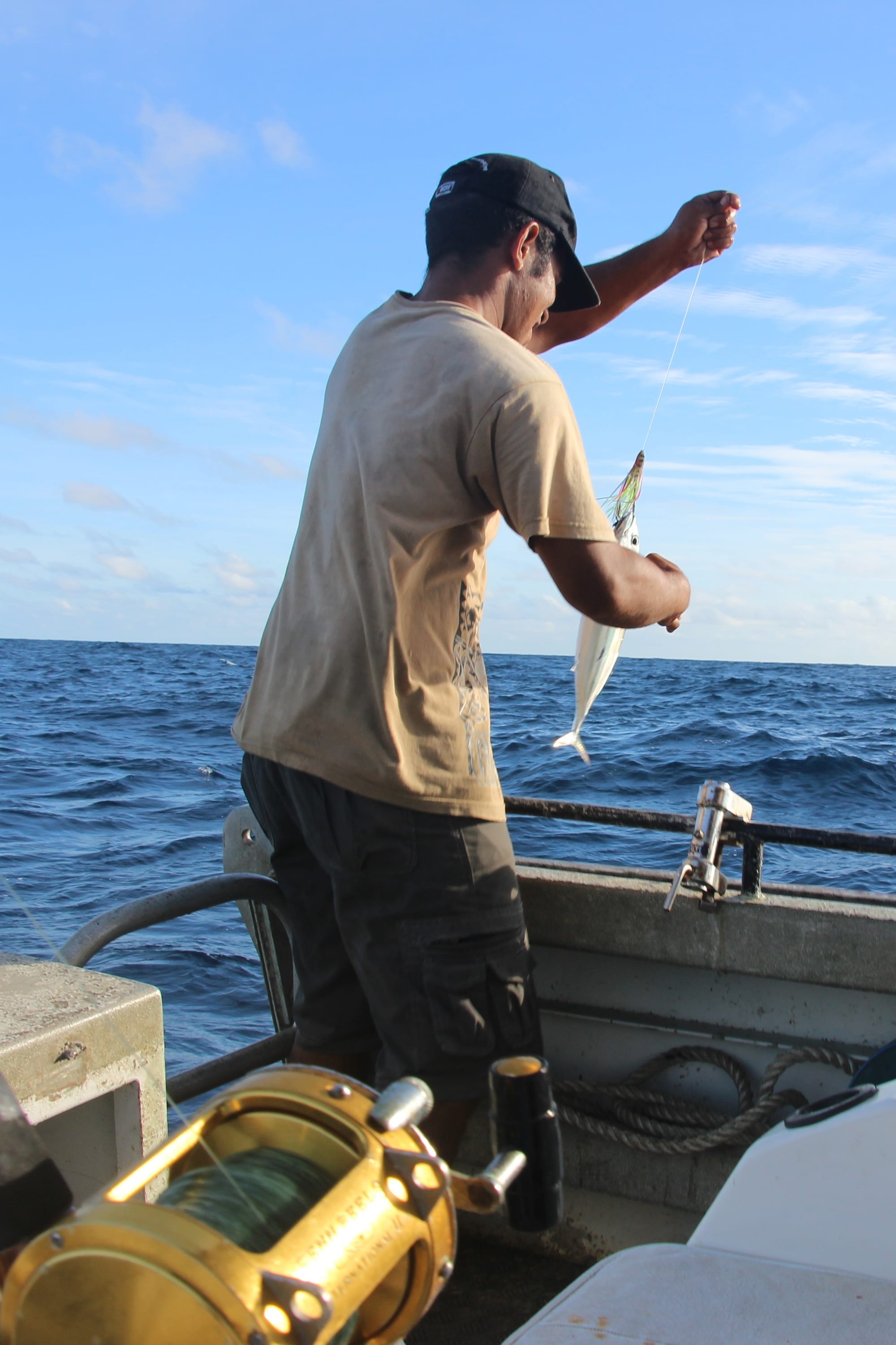
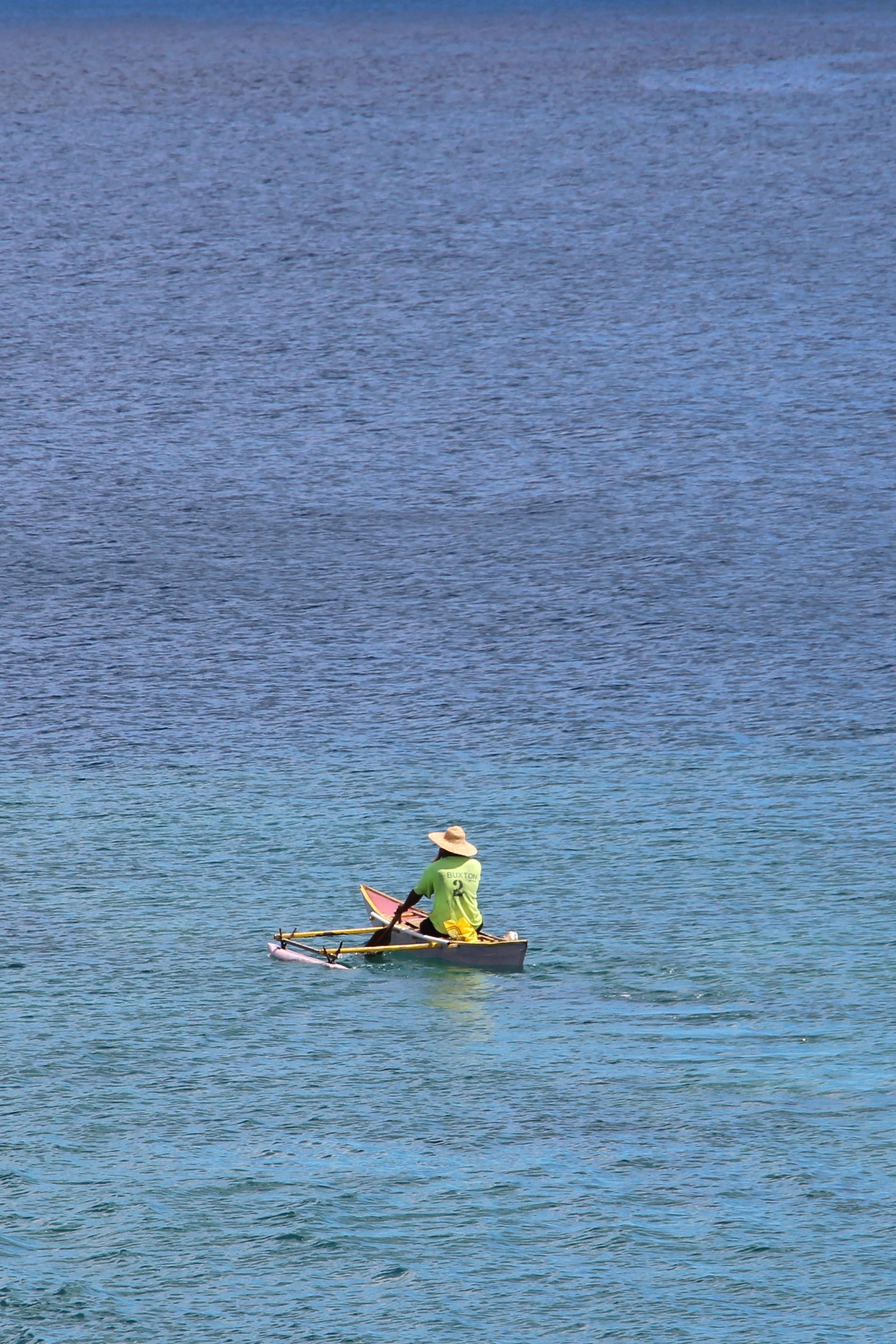
Fresh fish, caught from the surrounding reef and open ocean, remains the most genuine local food source available to Nauruans, alongside coconut and a small amount of other tropical produce. Beyond that, Nauru imports the large majority of its food, a dependency traced directly to the mining that left so little land capable of growing anything. That reliance on imported, often processed food has been widely linked by public health researchers to Nauru's very high rates of diabetes and other diet-related illness, among the most severe recorded anywhere in the world.
History behind the mining
Phosphate mining began on Nauru in the early 20th century and continued for decades under German, British, Australian and eventually independent Nauruan administration, generating real wealth for a period but leaving roughly four-fifths of the island's interior stripped of topsoil and unusable for agriculture. That history is directly why Nauru's food supply depends so heavily on imports today, a legacy that outlasted the mining boom itself by decades.
Eating as a traveller
Vegetarians will find options genuinely limited, since fresh produce is mostly imported and often expensive, while fish remains the most reliable fresh, local food. Tap water quality varies and bottled water is the safer default. Nauru receives very few visitors, and food options outside hotels are limited, reflecting the island's small population and narrow economy.
What to take from the table
Fresh fish from the reef is about the closest thing Nauru has to a distinctly local food today — a small, genuine exception on an island whose own land was largely mined away, leaving nearly everything else on the table to arrive by ship.