Food · Myanmar
Myanmar: Food and the National Dish
A fish and rice noodle soup eaten for breakfast from street stalls at dawn, at the meeting point of Indian, Chinese and Southeast Asian cooking
By Worldlore Editorial · 16 September 2026
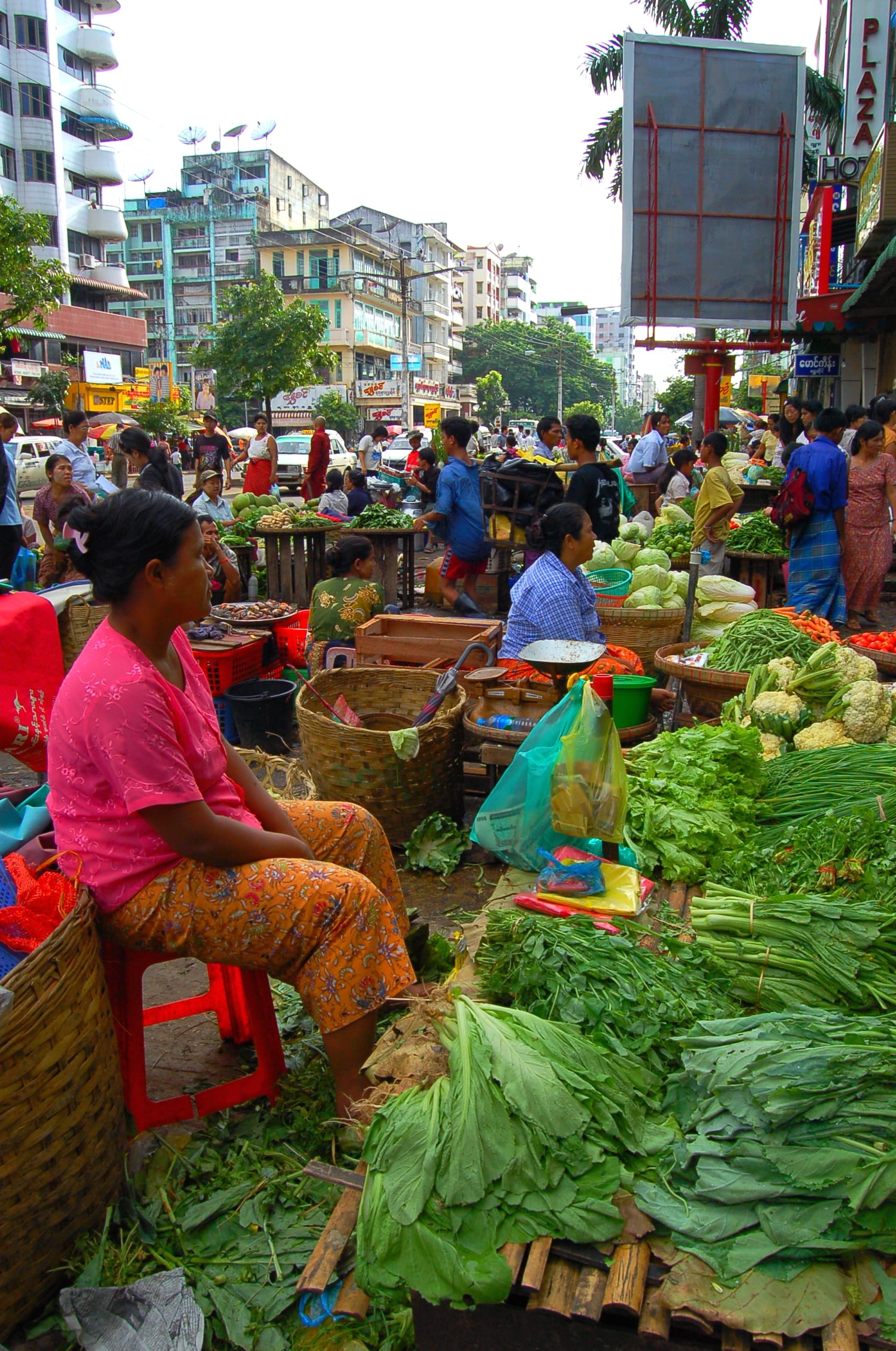
A cuisine at the crossroads of three food cultures
Myanmar's food sits between India, China and the rest of Southeast Asia, and its cooking reflects all three: curry-like stews echoing Indian influence, stir-frying and noodle dishes reflecting Chinese contact, and a fermented, herb-forward base shared with neighbouring Thailand and Laos. That blend, rather than any single tradition, defines Burmese food.
The national dish: mohinga
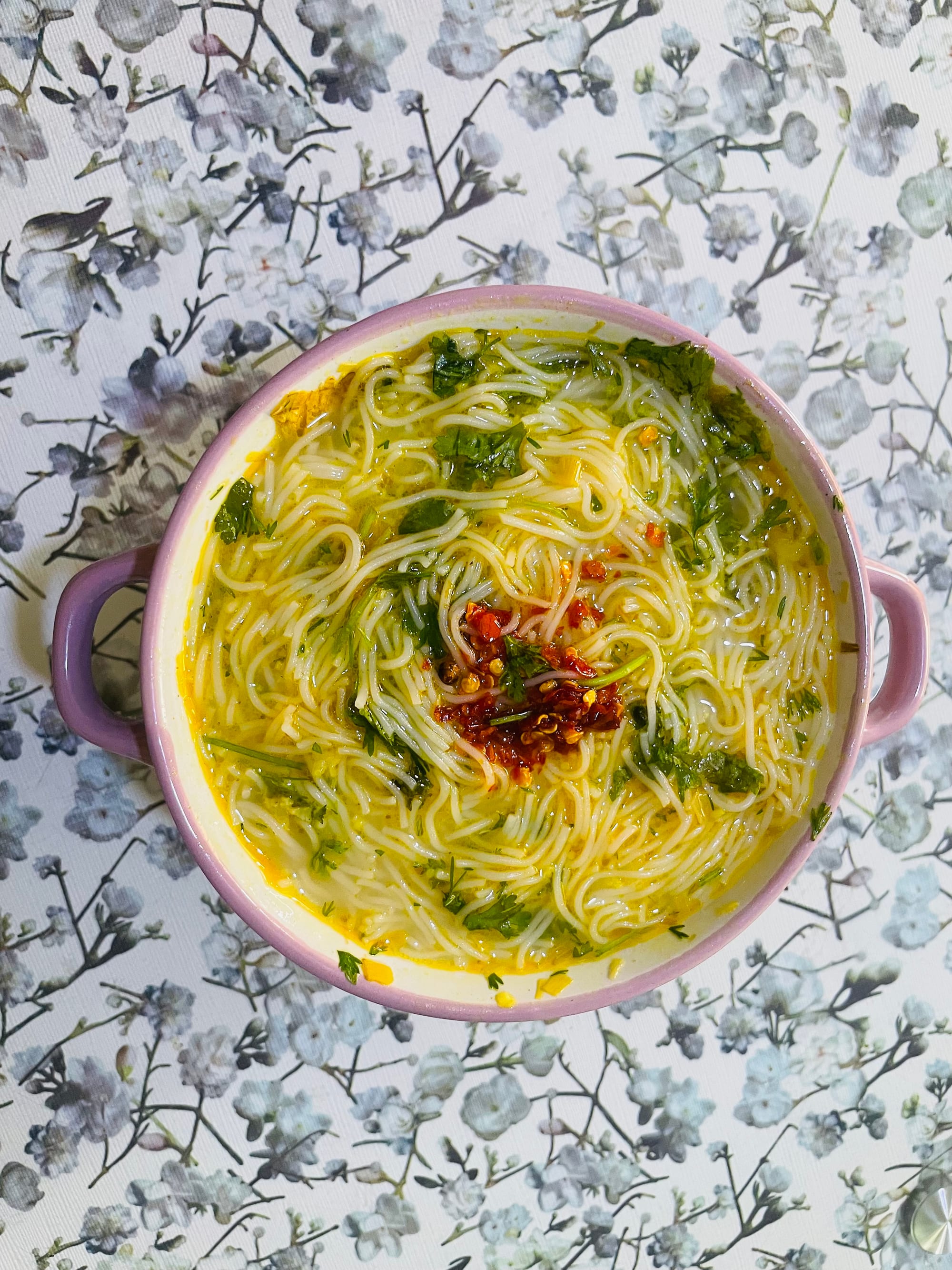
Mohinga, a soup of rice noodles in a fish and lemongrass-based broth, usually thickened with ground rice or chickpea flour and served with crispy fritters on the side, is Myanmar's national dish. Traditionally eaten for breakfast, sold from street stalls and trishaw-mounted carts from early morning onward, mohinga remains genuine everyday food rather than a dish reserved for special occasions.
Rice, fish paste and the everyday pantry
Rice remains Myanmar's dominant staple, paired with ngapi, a fermented fish or shrimp paste that anchors much of the country's savoury flavour much the way fish sauce does elsewhere in Southeast Asia. Fresh herbs, lentils and a wide range of pickled and fermented vegetables round out the everyday table, alongside tea leaves, eaten as both a drink and, distinctly in Myanmar, a salad.
History behind the mix
Myanmar's position along historic trade and migration routes connecting South and East Asia explains its genuinely blended food culture, with British colonial rule in the 19th and 20th centuries adding a further layer, particularly around tea culture and some baked goods. Myanmar's own ethnic diversity, more than 130 recognised groups, also means regional cooking varies considerably beyond the more internationally known Bamar-majority dishes like mohinga.
Dishes to know
Five more to recognise across Myanmar:
- Lahpet thoke — fermented tea leaf salad, a genuinely distinctive
Burmese dish with no close equivalent elsewhere.
- Ohn no khao swè — a coconut milk-based noodle soup with chicken,
reflecting Indian curry influence.
- Shan noodles — rice noodles served with a tangy, spiced sauce,
associated with Myanmar's Shan State.
- Mont hin gar — a rice-based dish similar to mohinga but with
regional variation across different areas.
- Ngapi — fermented fish or shrimp paste, used throughout Burmese
cooking as a flavour base.
Drinks
Tea, both brewed and eaten as lahpet thoke, is central to Burmese daily life and hospitality, often served sweet with condensed milk at teahouses that double as social gathering spots. Toddy, a palm wine tapped from sugar palms, and locally brewed beer round out the country's drinking traditions.
Eating as a traveller
Vegetarians will find rice, lentil and vegetable dishes manageable, though ngapi fish paste appears in many dishes that otherwise look vegetarian, so asking is worth doing. Tap water is not safe to drink; stick to bottled or boiled water. Eating mohinga from a street stall early in the morning, alongside locals on their way to work, is the most authentic way to experience Myanmar's national dish.
What to take from the table
Mohinga, eaten at dawn from a street cart, is the dish that best represents Burmese food — simple, communal, and built at the genuine crossroads of three of Asia's great culinary traditions.