Attractions & Natural Wonders · Myanmar
Myanmar: Six Attractions and Natural Wonders
A golden pagoda that has drawn pilgrims for a thousand years, a plain scattered with thousands of ancient temples, a lake worked by leg-rowing fishermen, and a gilded boulder balanced on the edge of a cliff
By Worldlore Editorial · 9 September 2026
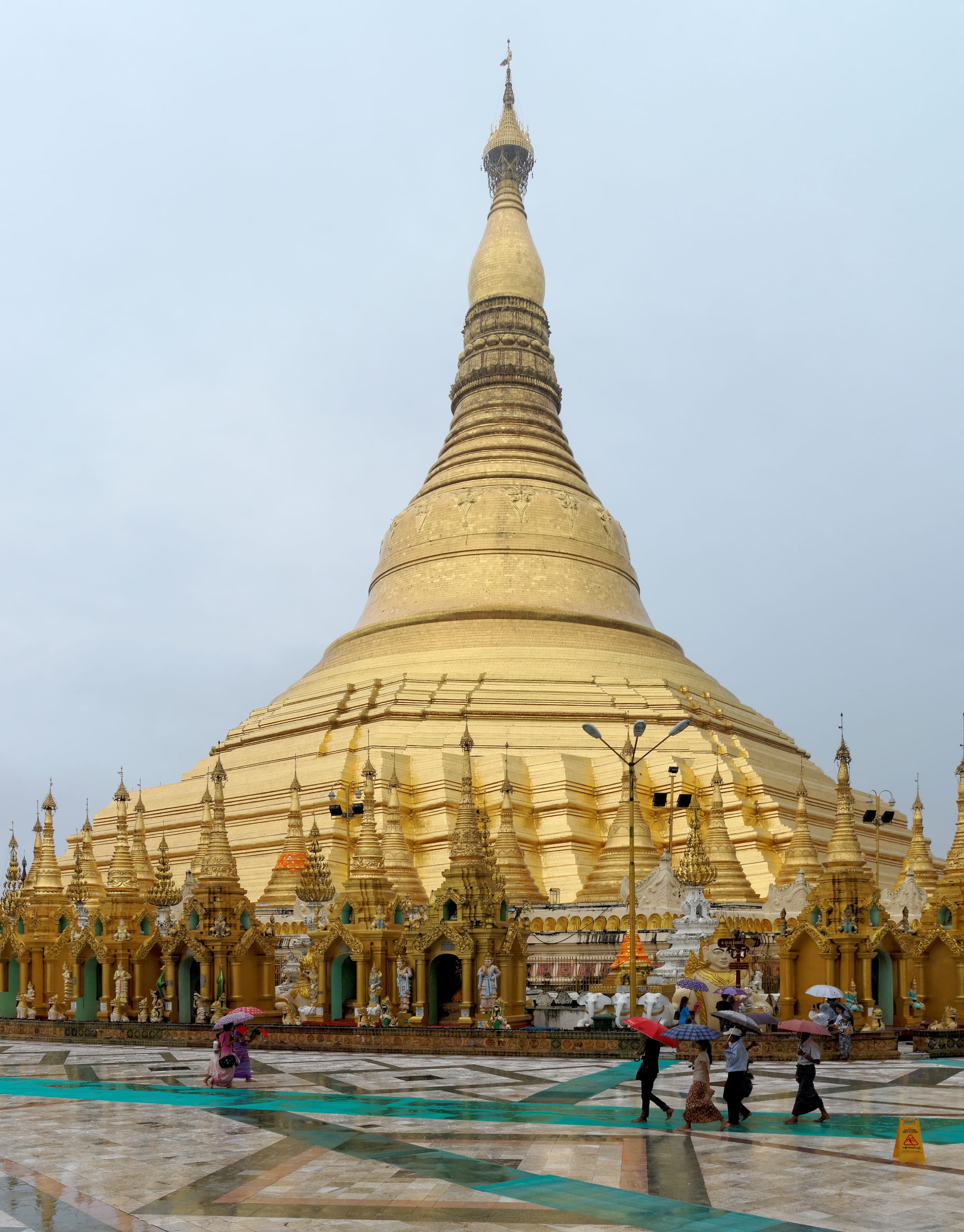
A country of pagodas, currently hard to reach
Myanmar (Burma) has one of the richest concentrations of Buddhist religious architecture on earth — golden pagodas, plains of ancient temples, and monastic traditions that shape daily life for much of its roughly 55 million people. It opened cautiously to mass tourism in the 2010s after decades of military rule and isolation, only for a February 2021 military coup to plunge the country back into conflict, with fighting between the military junta and resistance and ethnic armed groups continuing across large parts of the country since.
The six below are Myanmar's best-known sights, mostly in the more stable central "tourist quadrilateral". Read the note at the end first: travel advice for Myanmar has been serious and wide-ranging since 2021.
1. The Shwedagon Pagoda, Yangon
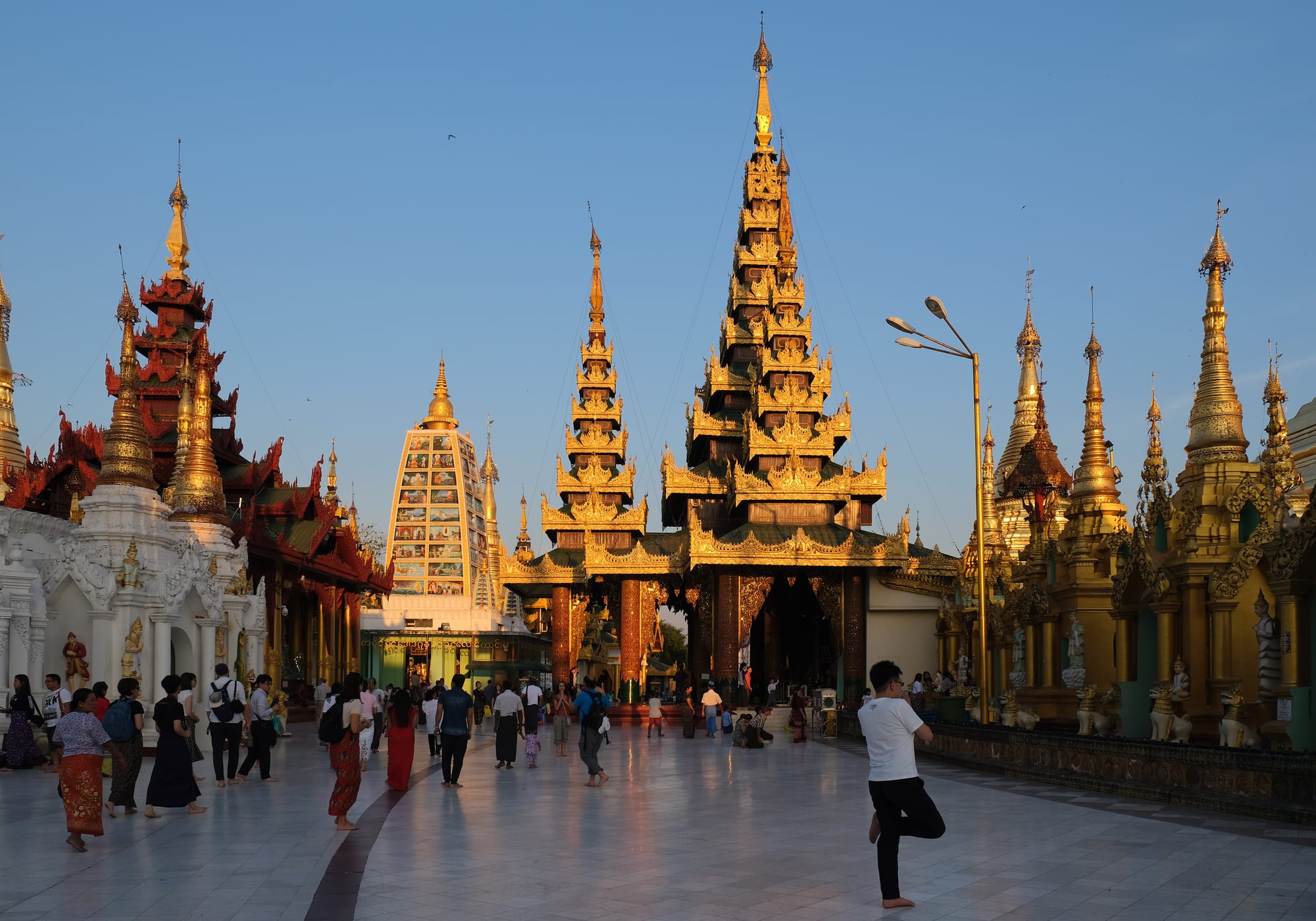
The Shwedagon, in Yangon, is the most sacred Buddhist site in Myanmar — a 99-metre gilded stupa said to enshrine relics of four past Buddhas, its plates covered in genuine gold leaf and its spire tipped with thousands of diamonds and other gems. Pilgrims and monks circle it barefoot from dawn until late at night, and the marble terrace around it holds dozens of smaller shrines, statues, and bells. It is best seen at sunset, when the gold catches the last light.
2. Bagan
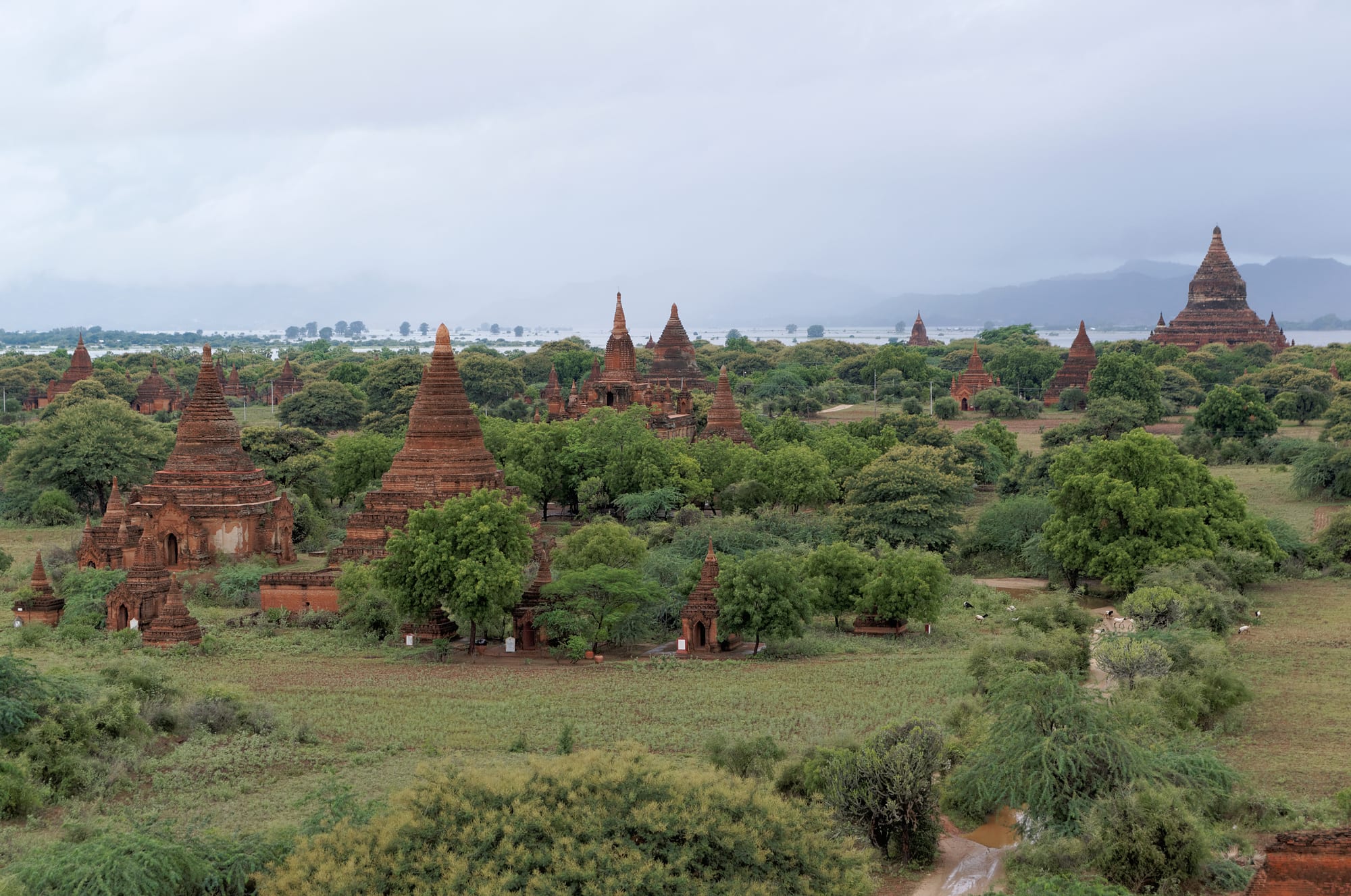
Bagan, on a bend of the Irrawaddy river, was the capital of the first unified Burmese kingdom, and between roughly the 11th and 13th centuries its rulers built more than 10,000 Buddhist temples and stupas across the surrounding plain — over 2,000 still survive, an extraordinary concentration of medieval religious architecture. It became a UNESCO World Heritage Site in 2019 after years of disputed restoration work. Sunrise, when hot-air balloons drift over the temple field, is the classic image of the site.
Climbing most temples is now restricted following 2016 earthquake damage; viewing mounds and a few designated temples remain open.
3. Inle Lake
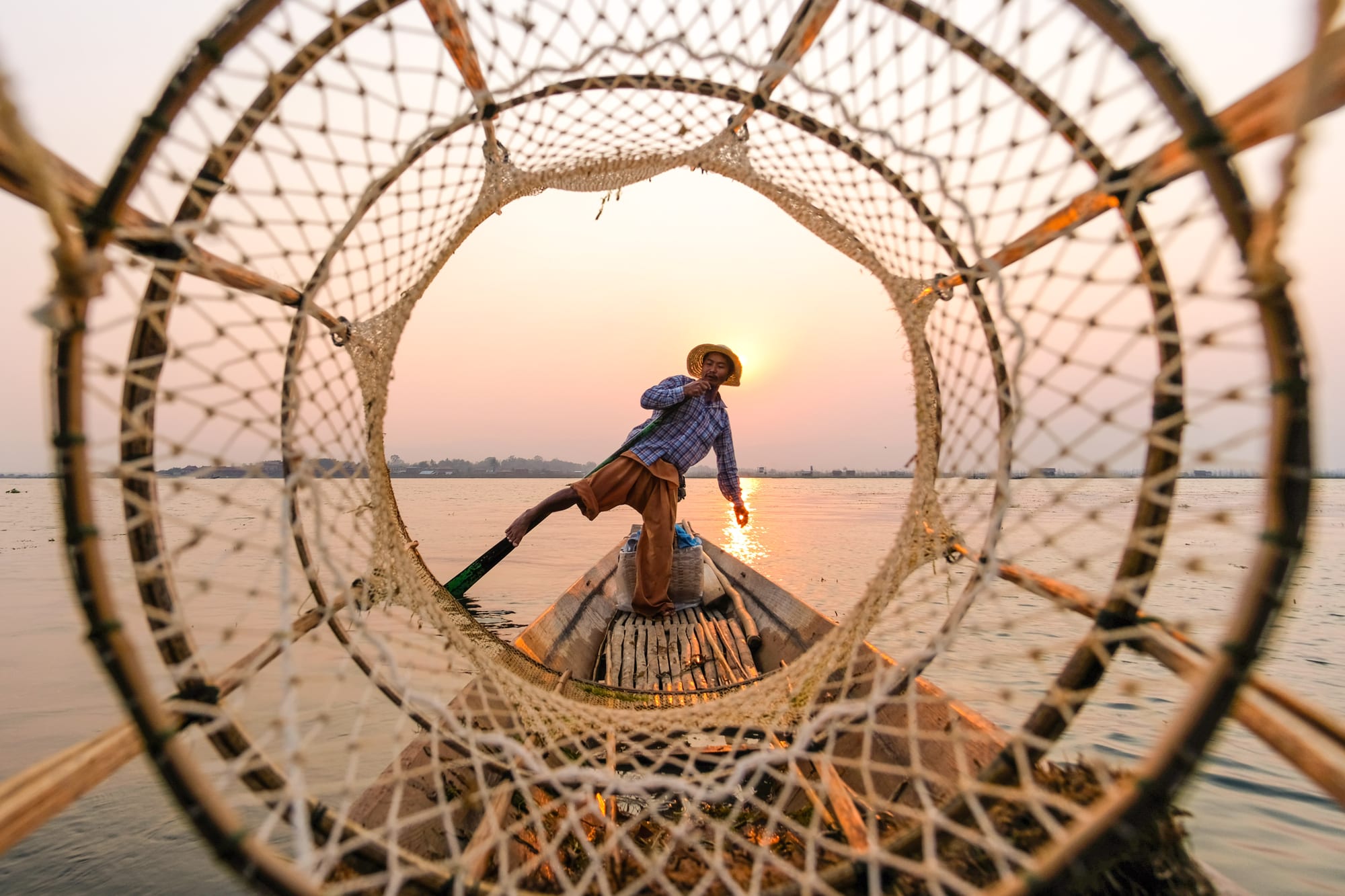
Inle Lake, in the Shan hills, is a shallow highland lake where the Intha people live in stilt villages and farm on floating vegetable gardens, famous for a distinctive one-legged rowing technique that leaves the hands free for fishing nets. Silversmiths, weavers, and cheroot makers work in villages around the shore, and Buddhist stupa complexes like Indein sit half-reclaimed by the forest nearby.
Boat trips across the lake are the way to see the villages, markets, and workshops.
4. Mandalay and U Bein Bridge
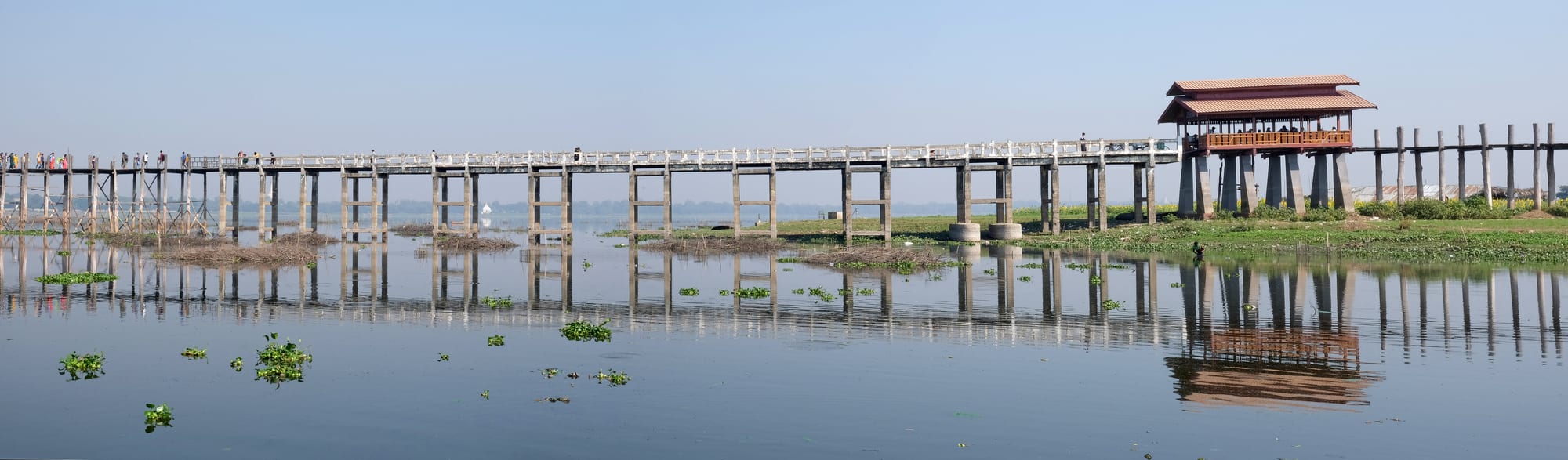
Mandalay, the last royal capital before British annexation, has the reconstructed Mandalay Palace, hilltop pagodas, and a strong tradition of gold-leaf and marble-carving workshops. Nearby, U Bein Bridge — a 1.2-kilometre teak footbridge across Taungthaman Lake, built in the 1850s — is one of the most photographed sights in the country, especially at sunset when monks and villagers cross in silhouette.
Amarapura and Sagaing, former royal capitals near Mandalay, add further temple and monastery sites.
5. The Golden Rock, Kyaiktiyo
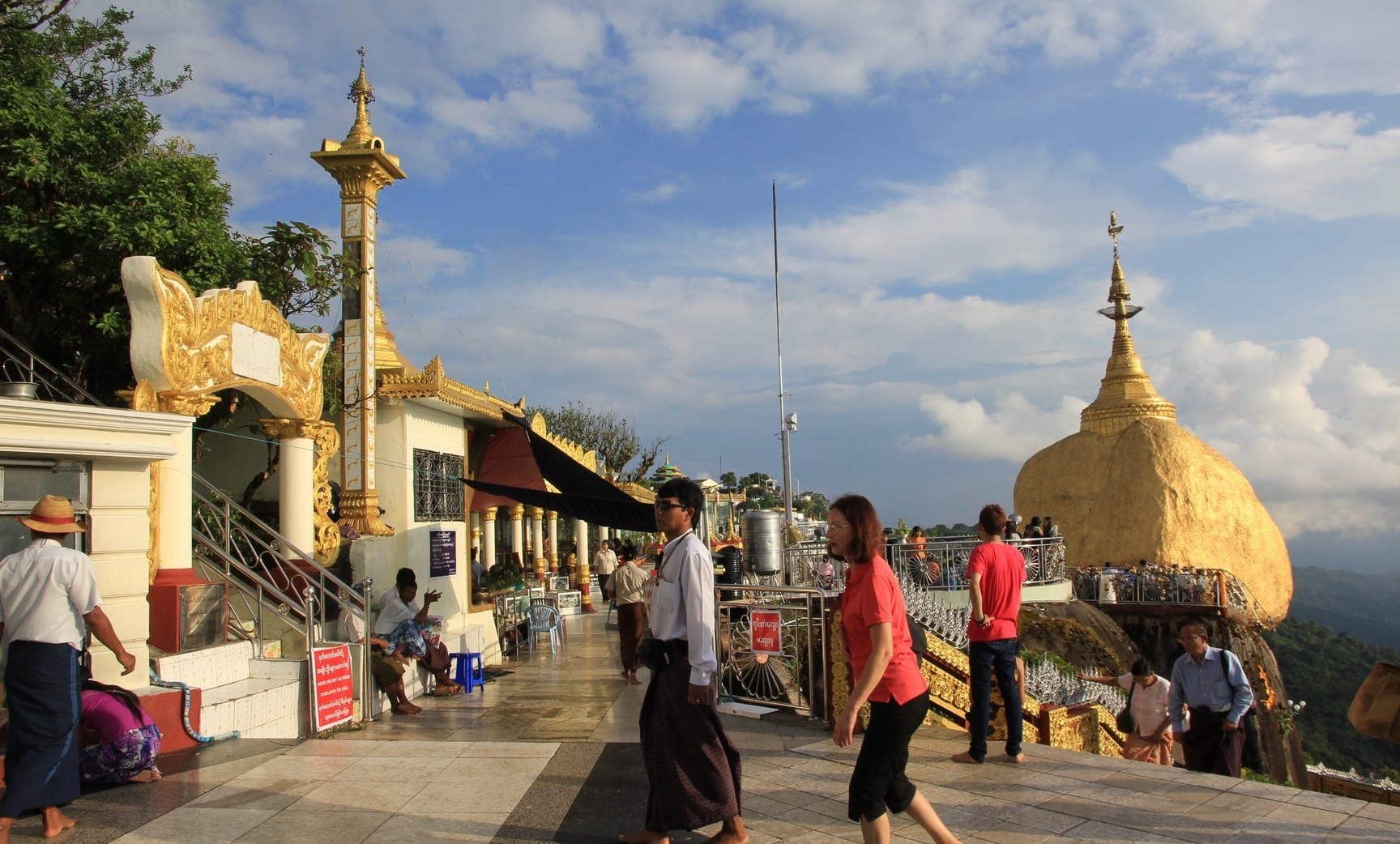
The Golden Rock, a boulder covered in gold leaf and seemingly balanced on the very edge of a mountain cliff, is one of the most important pilgrimage sites in Burmese Buddhism, believed to be kept in place by a hair of the Buddha enshrined inside a small pagoda on top. Pilgrims climb or truck up the mountain, particularly in the cool season, to add their own gold leaf to the rock (a practice reserved for men, who can approach it directly).
It is a striking sight regardless of faith, especially around sunset.
6. Ngapali Beach
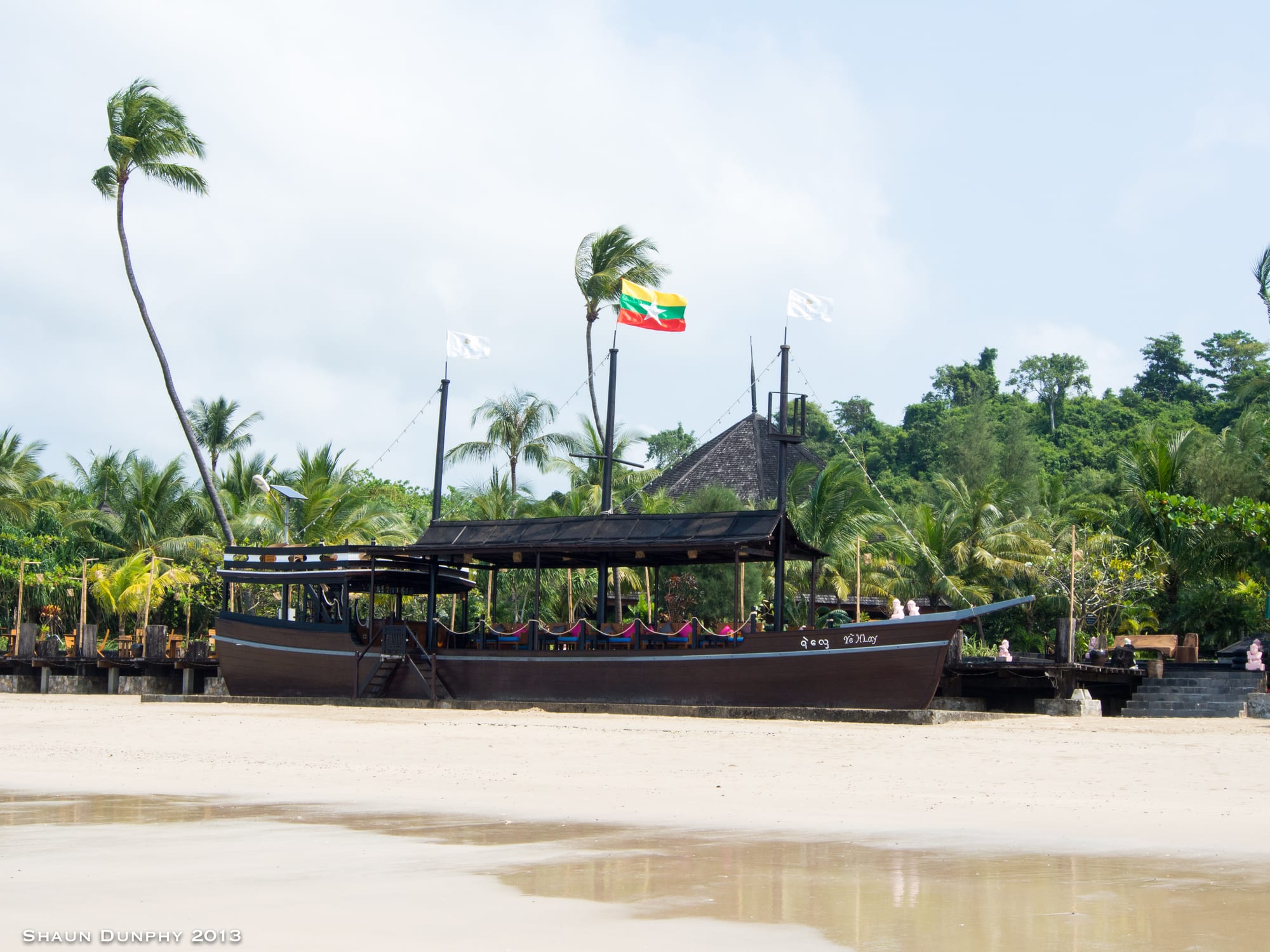
Ngapali, on the Bay of Bengal coast in Rakhine State, is Myanmar's most established beach destination — palm-backed white sand and calm water, with a small cluster of resorts, fishing villages, and seafood restaurants. It has historically offered a quieter, less developed alternative to Southeast Asia's busier beach destinations.
Rakhine State more broadly has, since 2017, been the site of a severe and ongoing humanitarian crisis affecting the Rohingya population, separate from this coastal resort area.
Before you go: a serious note
Since the February 2021 military coup, Myanmar has been in a state of civil conflict between the ruling military junta and a wide range of resistance and ethnic armed organisations, with fighting, airstrikes, and instability affecting large parts of the country. At the time of writing, several governments advise against all but essential travel to Myanmar, and against all travel to specific conflict-affected states and regions, citing the risk of being caught in unrest, arbitrary detention, and very limited consular assistance.
The central "tourist quadrilateral" (Yangon, Bagan, Mandalay, Inle Lake) has at times remained more accessible than conflict zones, and some travellers do still visit, but conditions change quickly and unpredictably. There are also ethical questions, raised by many pro-democracy Myanmar groups, about whether tourism revenue indirectly benefits the military government. Anyone considering a trip should weigh current government advice, on-the-ground conditions, and these concerns carefully rather than treating this article as a recommendation to go.