History · Mozambique
Mozambique: The Long Coast
A Swahili gold coast and a thin Portuguese colony for four centuries — a liberation war, a Marxist state, a proxy civil war that killed a million people, and a fragile recovery now shadowed by gas and jihad
By Worldlore Editorial · 10 September 2026
A coastline of a country
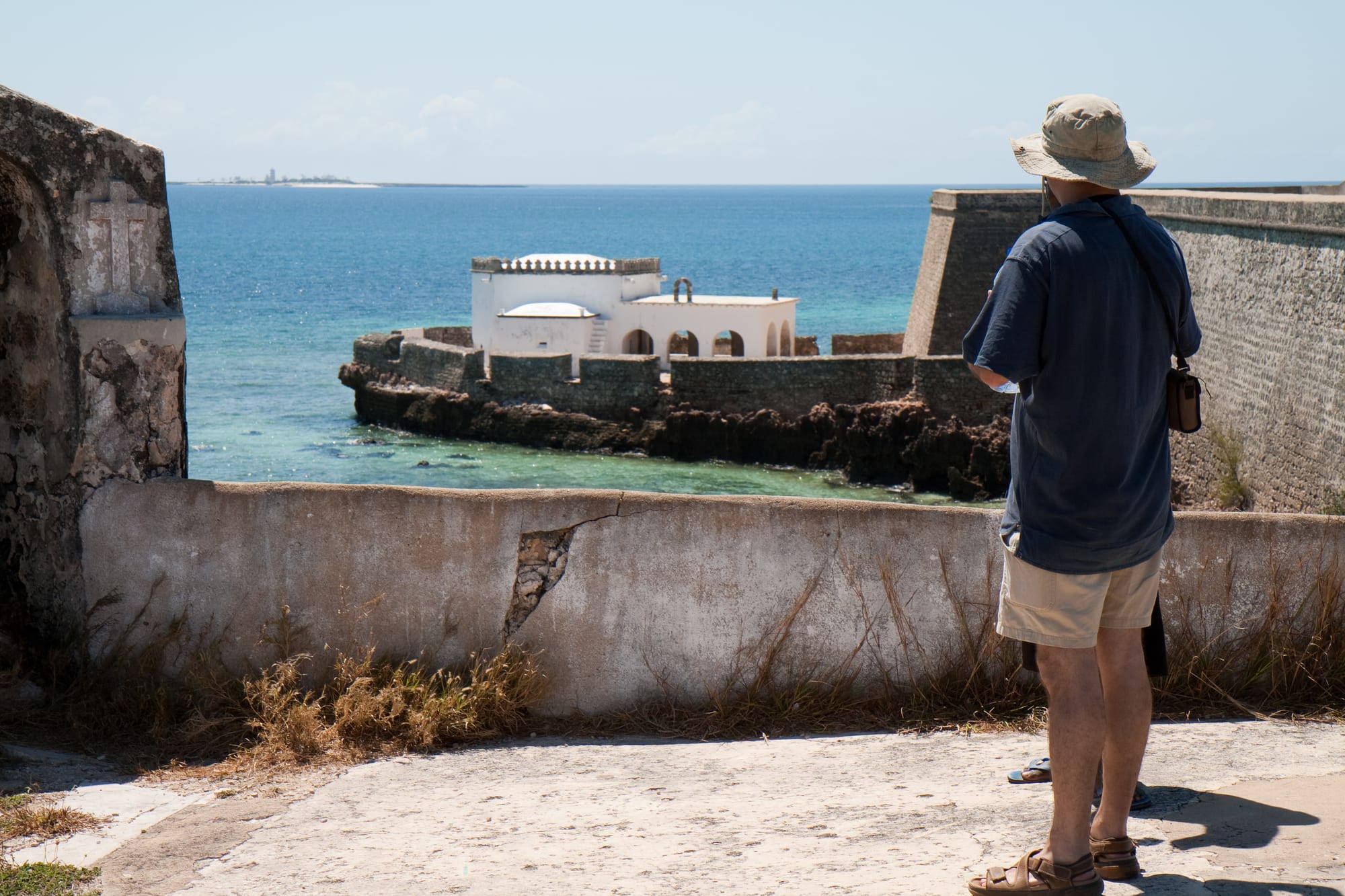
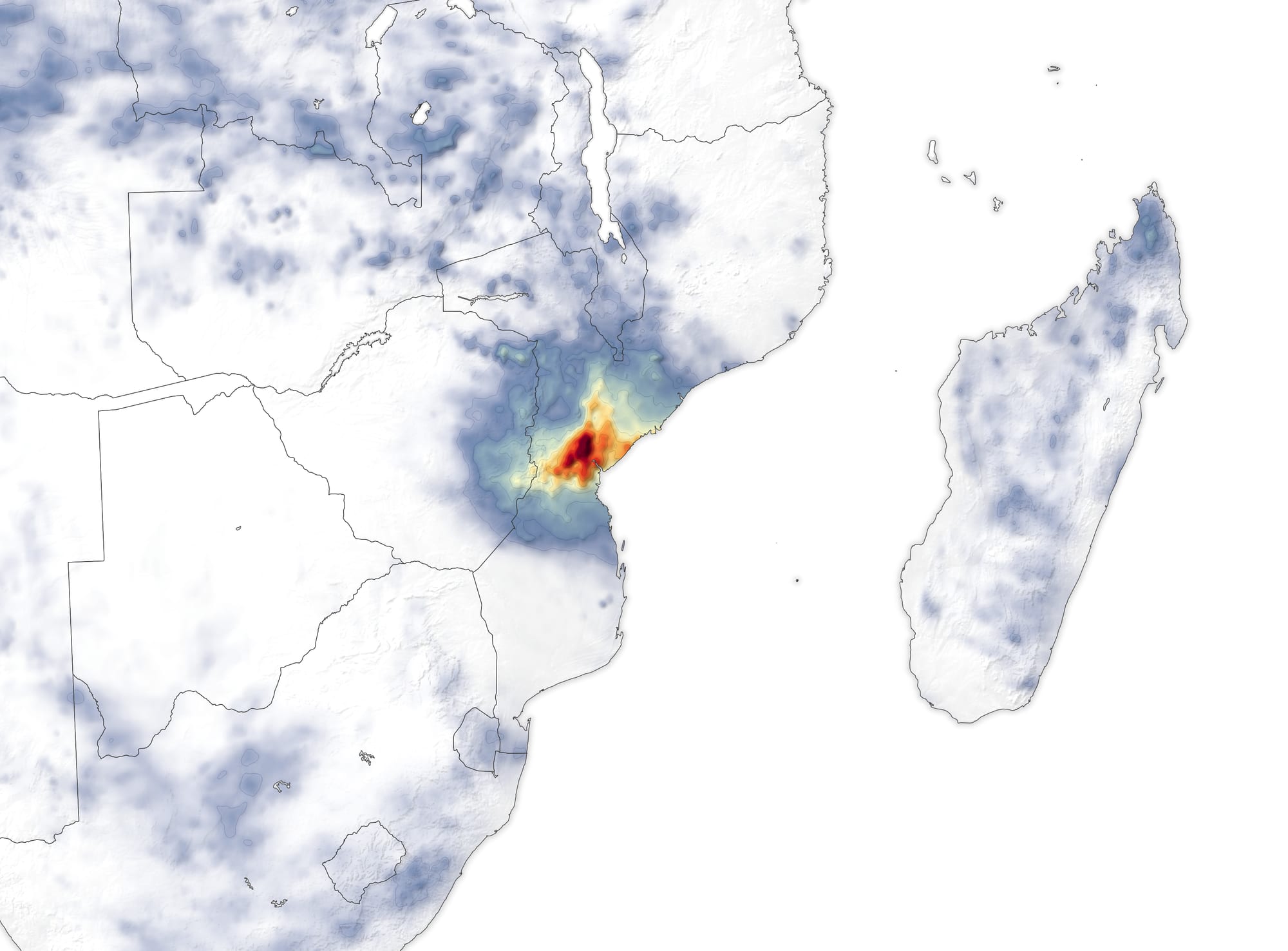
Mozambique stretches for some 2,500 kilometres down the south-east African coast, facing Madagascar across the channel that bears its name. It has about 34 million people, a capital, Maputo, tucked into its far southern corner, and Portuguese as its official language over dozens of Bantu tongues. Its history has been shaped by that coast — as a link in the Indian Ocean trade, as a thin Portuguese possession, and, since independence, as a battleground.
A short history
- from c. 900 CE
The Swahili coast
Ports like Sofala export gold, ivory and slaves.
- 1498
Vasco da Gama
Stops at the Island of Mozambique on the way to India.
- 1505–1558
Portuguese footholds
Sofala and the island are seized and fortified.
- 19th century
The slave trade
Mozambique becomes a major source for Brazil and the islands.
- 1895
Conquest
Portugal defeats the Gaza Empire and takes the interior.
- 1964–1974
The liberation war
FRELIMO's guerrilla campaign against Portugal.
- 1975
Independence
Under Samora Machel; the settlers flee.
- 1977–1992
Civil war
FRELIMO against South African-backed RENAMO; about a million dead.
- 1992
Peace
The Rome accords end the war.
The Swahili coast, and Portugal
Bantu-speaking farmers and ironworkers settled Mozambique over the first millennium, and from around 900 its coast was part of the Swahili trading world: gold from the Zimbabwe plateau, ivory and enslaved people flowed out through ports like Sofala, linked to Kilwa and the wider Indian Ocean. Vasco da Gama stopped at the Island of Mozambique in 1498, and Portugal seized Sofala and the island soon after.
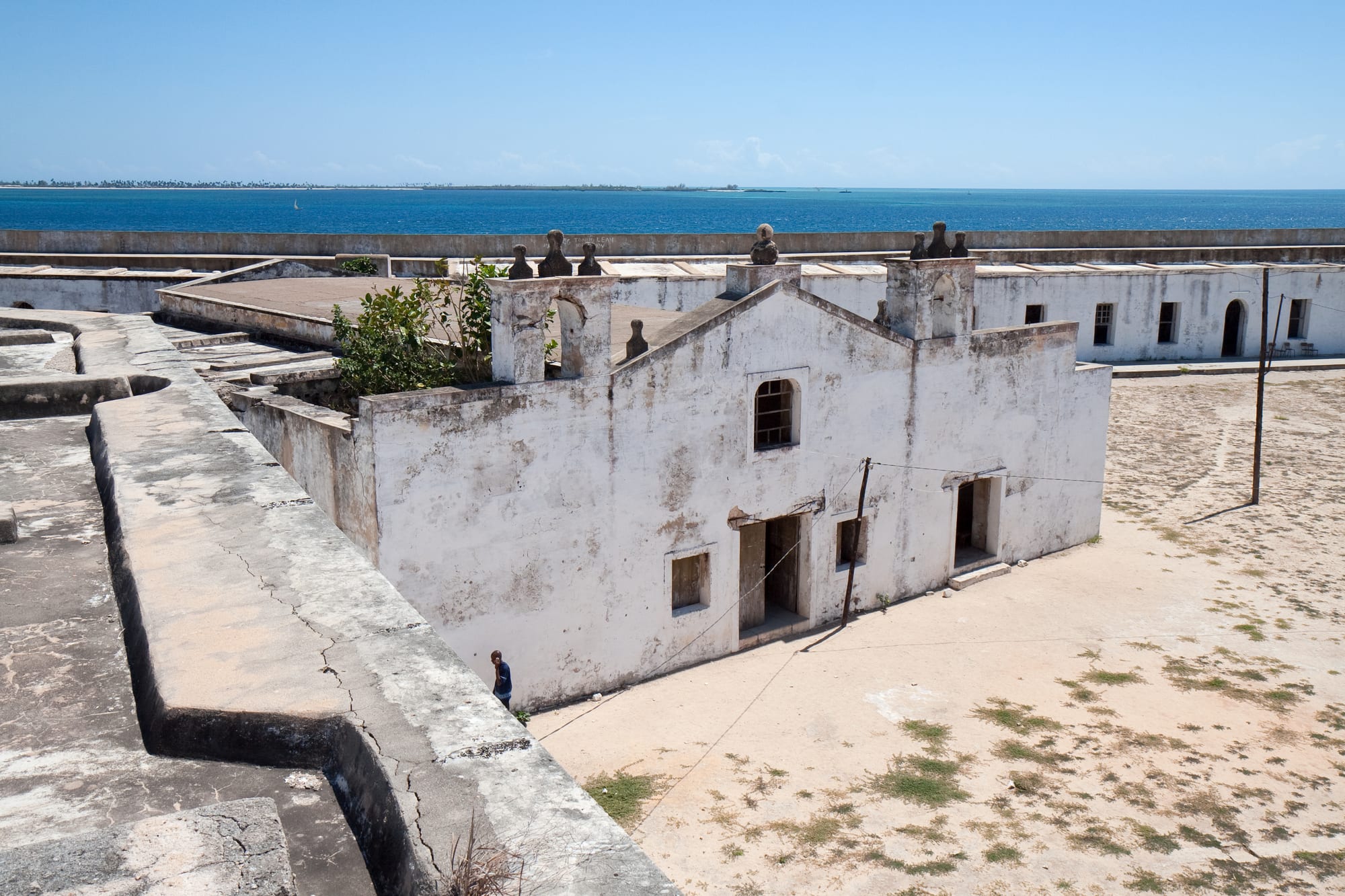
For centuries Portugal ruled through Crown-leased Zambezi estates run by Afro-Portuguese warlord families and through a slave trade that intensified in the 1800s. It conquered the interior only in the 1890s, and handed parts of the colony to chartered companies into the 1940s. The colonial economy ran on forced labour, forced cotton growing, and above all the export of migrant workers to South Africa's gold mines.
Liberation, and a Marxist state
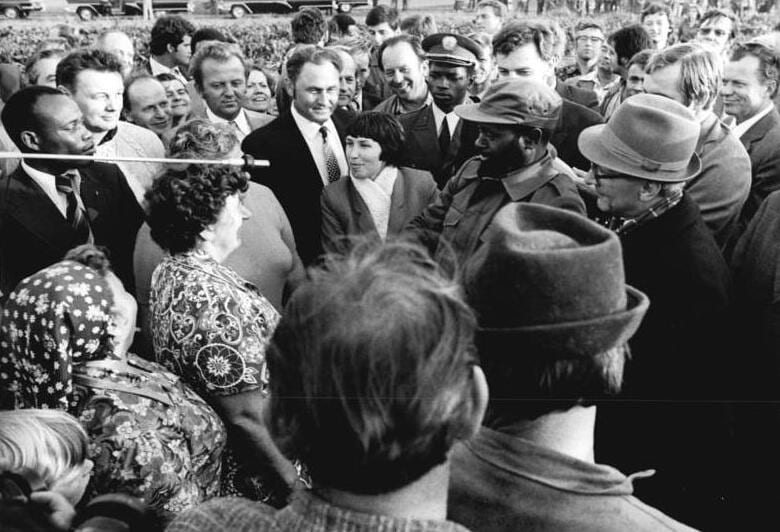
FRELIMO, formed in 1962, launched an armed struggle in 1964. Its founding leader was assassinated by a parcel bomb in 1969; Samora Machel took over. The war, along with those in Angola and Guinea-Bissau, helped bring down Portugal's dictatorship in 1974, and Mozambique became independent on 25 June 1975. Almost all the Portuguese settlers left, many wrecking what they could not take, and the economy collapsed.
The civil war
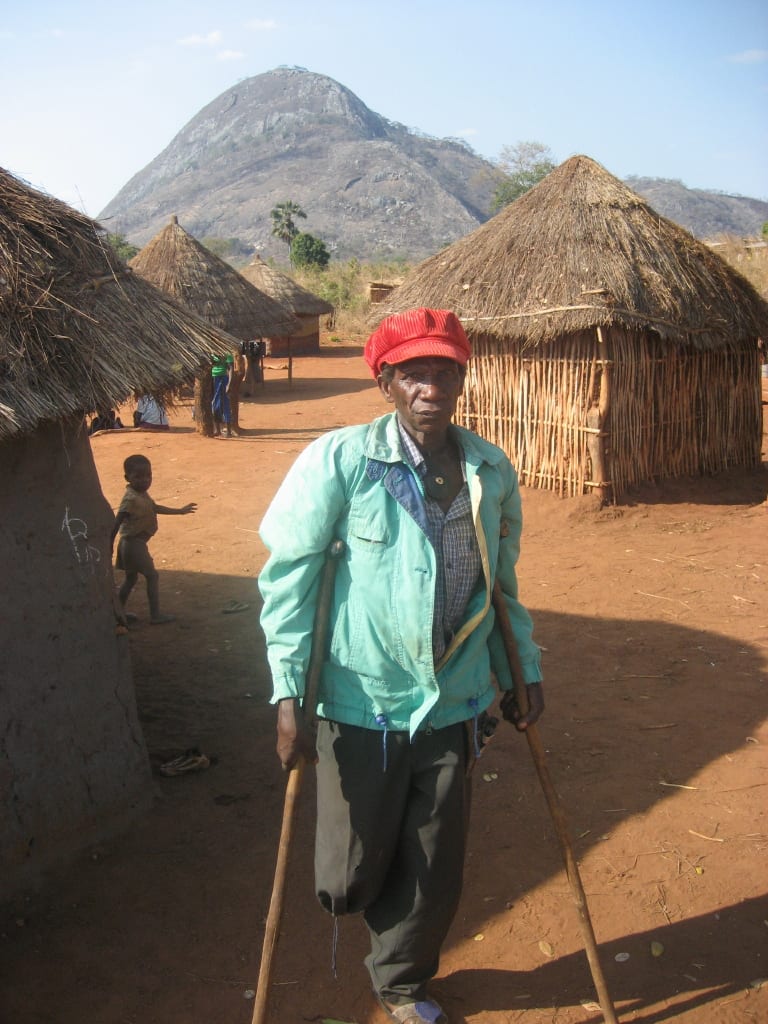
RENAMO was created by Rhodesian intelligence in 1976 and taken over and vastly expanded by apartheid South Africa. The civil war of 1977–1992 was largely rural and extremely brutal — massacres, mutilation, the abduction of child soldiers, and the deliberate destruction of schools, clinics and railways.
Machel died in a 1986 plane crash on South African soil, widely suspected but never proven to be an assassination. His successor abandoned Marxism, adopted a multiparty constitution, and — with the Cold War over and apartheid ending — signed the Rome peace accords in October 1992. A UN mission oversaw disarmament and the 1994 elections, and RENAMO became the main opposition party. It is often cited as a rare successful peace process.
Mozambique now
Recovery and shocks
A 2013–16 "hidden debt" scandal — about $2 billion in secret government-guaranteed loans concealed from parliament and the IMF — triggered a default and a corruption prosecution abroad. Since 2017, a jihadist insurgency in the gas-rich far-northern province of Cabo Delgado has killed thousands and displaced a million people, briefly halting a giant liquefied-gas project until Rwandan and regional troops pushed it back. Disputed 2024 elections set off months of deadly protests.
What Mozambique carries
Mozambique's coast was valuable to everyone who reached it — Swahili merchants, Portugal, the South African mines — and its interior was, for centuries, barely governed. Independence in 1975 was immediately followed by a foreign-sponsored war that undid what little development existed. The peace of 1992 held, but the country it produced is still poor, still run by one party, and now facing a new war in the north over the gas that was meant to change everything.