Food · Mozambique
Mozambique: Food and the National Dish
A firm maize porridge eaten with fish along a long Indian Ocean coastline, in the country that gave the world piri-piri
By Worldlore Editorial · 16 September 2026
A coastline cuisine with a Portuguese layer
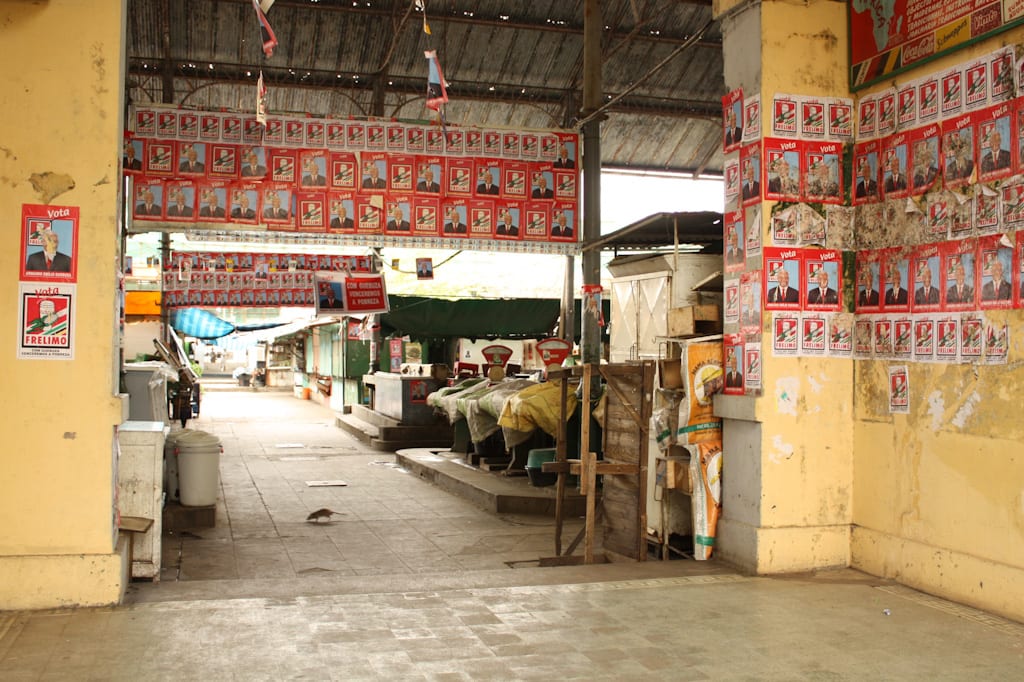
Mozambique's long Indian Ocean coastline and Portuguese colonial history together shaped a food culture genuinely distinct from many of its Southern African neighbours: maize and cassava staples shared with the wider region, layered with Portuguese technique and, most famously, the fiery piri-piri chilli that Mozambique helped carry to global fame.
The everyday staple: xima with fish
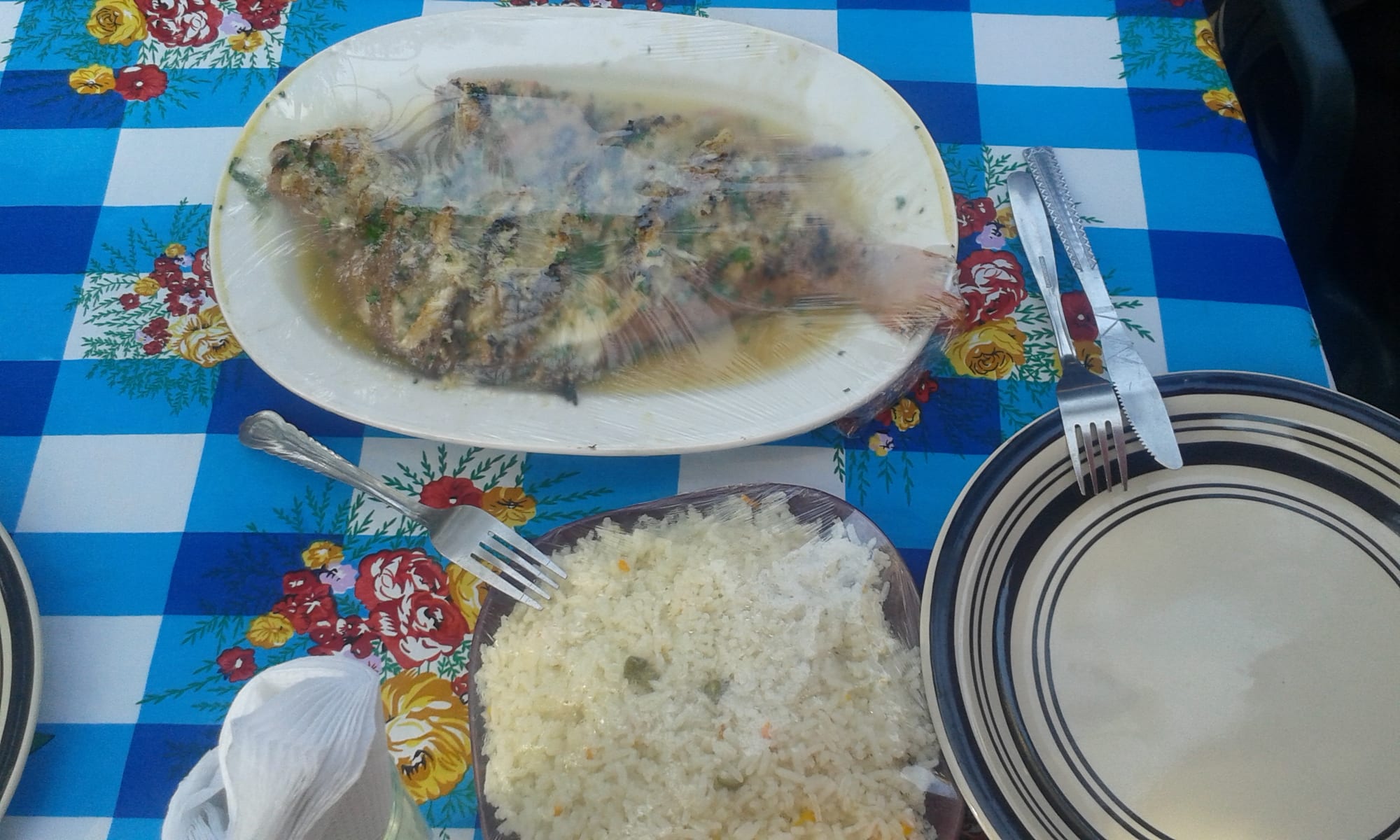
Xima, a firm porridge made from ground maize meal, is Mozambique's most consistent everyday staple, eaten daily and paired with fish along the coast or meat and vegetable stews further inland. Matapa, cassava leaves pounded and cooked in coconut milk and ground peanuts, and piri-piri chicken, marinated and grilled in Mozambique's own fiery chilli, are both cited as strongly as xima itself when Mozambicans are asked what best represents their food.
Piri-piri, prawns and the coastal pantry
Piri-piri, a small, intensely hot chilli pepper, is genuinely associated with Mozambique's Portuguese colonial trade history and gives much of the country's grilled meat and seafood its distinctive heat. Maputo's prawns, large and well-regarded internationally, along with coconut, cassava and maize, round out a pantry shaped by both the Indian Ocean and centuries of Portuguese contact.
History behind the plate
Portuguese colonial rule, lasting until 1975, introduced piri-piri, cassava and a range of Portuguese cooking techniques into a Mozambican food culture already built on maize, sorghum and Indian Ocean fish trade. That blend, unlike in some other former Portuguese colonies, remained genuinely integrated into everyday Mozambican cooking rather than staying confined to a small colonial elite, which is part of why piri-piri chicken is claimed today as authentically Mozambican rather than simply imported.
Dishes to know
Five more to recognise across Mozambique:
- Matapa — cassava leaves pounded and cooked in coconut milk and
ground peanuts, often with prawns or fish.
- Piri-piri chicken — chicken marinated and grilled with Mozambique's
own fiery chilli pepper.
- Maputo prawns — large prawns from the waters around the capital,
well-regarded internationally.
- Caril — a Portuguese-influenced curry, adapted with local
Mozambican ingredients.
- Pão — Portuguese-style bread rolls, an everyday reminder of
Mozambique's colonial food history.
Drinks
Tea and coffee reflect Mozambique's Portuguese colonial history and remain everyday drinks, while 2M, a locally brewed lager, is the country's best-known beer. Fresh coconut water and tropical fruit juices are common along the coast.
Eating as a traveller
Vegetarians will find xima, cassava and vegetable-based matapa manageable, though fish and meat are central to most traditional Mozambican cooking. Tap water is not reliably safe outside major hotels; stick to bottled or boiled water. Trying grilled piri-piri prawns in Maputo is a genuine, widely recommended way to experience Mozambique's coastal food at its best.
What to take from the table
Xima with fish is the meal that anchors everyday Mozambican eating, but piri-piri, carried from this coastline to kitchens worldwide, is the ingredient that has taken Mozambican food furthest beyond its own borders.