Attractions & Natural Wonders · Mozambique
Mozambique: Seven Attractions and Natural Wonders
A Swahili-Portuguese trading island layered with five centuries of history, dune-backed archipelagos in the Indian Ocean, and a wildlife park rebuilt almost from nothing after decades of civil war
By Worldlore Editorial · 9 September 2026
A long coast shaped by trade and war
Mozambique runs for over 2,700 kilometres along the Indian Ocean, a former Portuguese colony independent since 1975 whose subsequent civil war (1977–1992) devastated infrastructure and wildlife alike. It has about 33 million people, a strong Swahili-Arab-Portuguese trading heritage on its northern coast, and, in recent decades, one of Africa's most celebrated conservation recovery stories at Gorongosa. Its islands and reefs are among the least-crowded in the Indian Ocean.
The seven below run from the historic north down the coast to the capital. It is warm year-round; the dry season (May to October) is best for wildlife and diving, with a cyclone risk from November to April.
1. Ilha de Moçambique
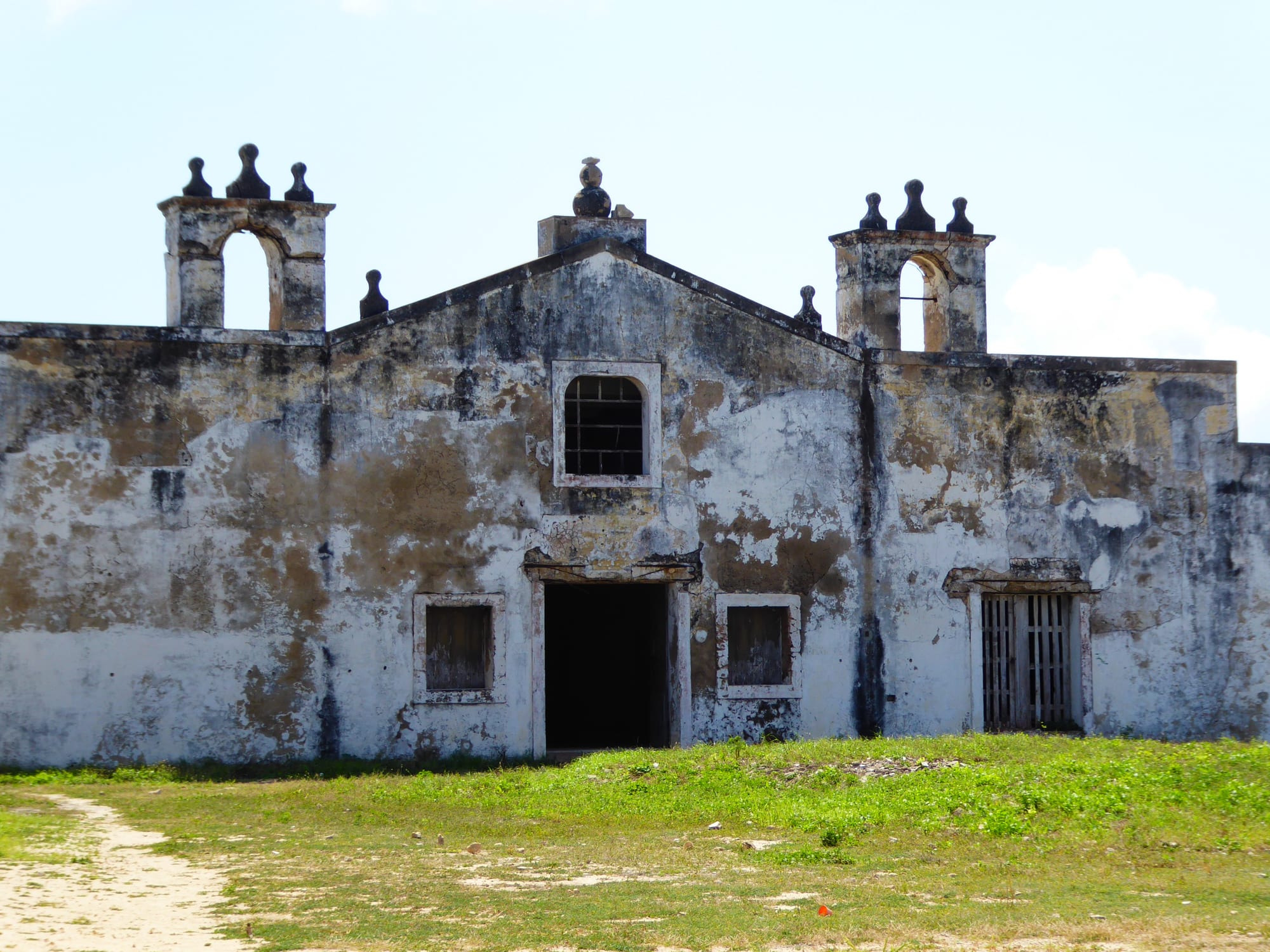
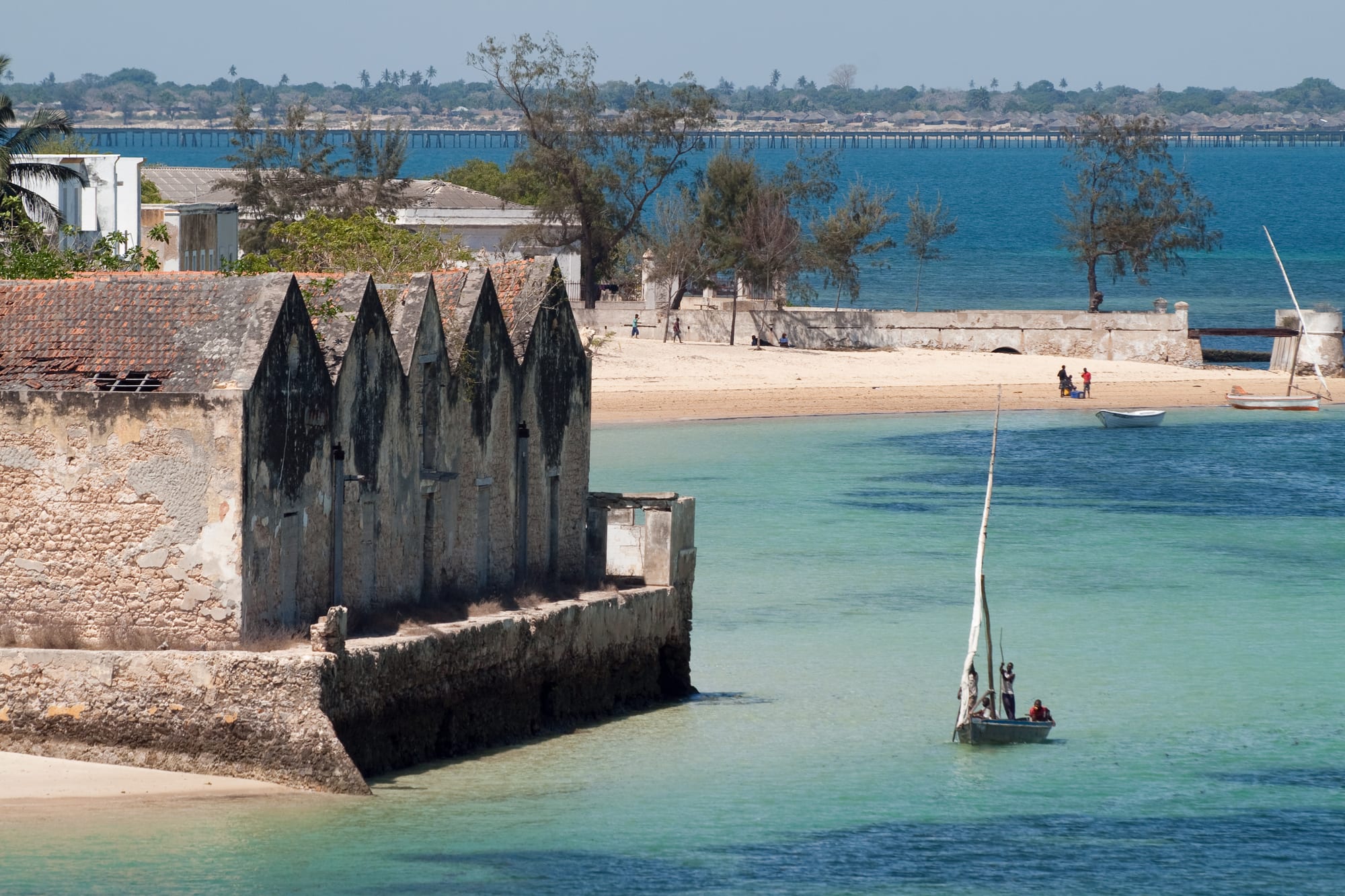
Ilha de Moçambique, a small coral island off the northern coast, was a major Swahili and later Portuguese trading post and the colonial capital for nearly four centuries — the source of the whole country's name. Its Stone Town of coral-rag buildings, the 16th-century Fort São Sebastião (one of the oldest European forts still standing in sub-Saharan Africa), and a separate reed-house Macuti Town across the island form a UNESCO World Heritage Site layering Swahili, Arab, Indian, and Portuguese architecture together.
It is linked to the mainland by a long causeway bridge and makes a rewarding few days away from the beach resorts further south.
2. The Bazaruto Archipelago
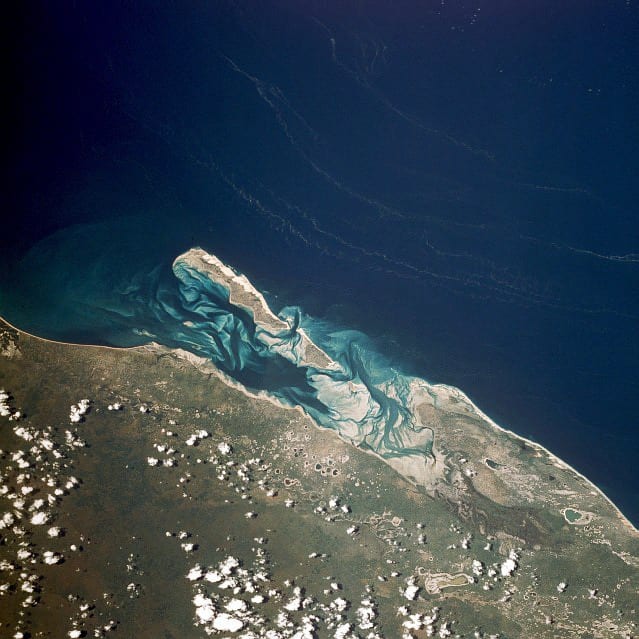
The Bazaruto Archipelago, off the central coast near Vilankulo, is a chain of sand-dune islands ringed by clear water and coral reef, protected as a marine national park and one of the last refuges of the dugong in East Africa. It has become Mozambique's premier upscale beach and diving destination, with resorts on Bazaruto, Benguerra, and Magaruque islands offering snorkelling, sport fishing, and dhow sailing among the dunes.
Small planes and boats from Vilankulo serve the islands.
3. Tofo Beach
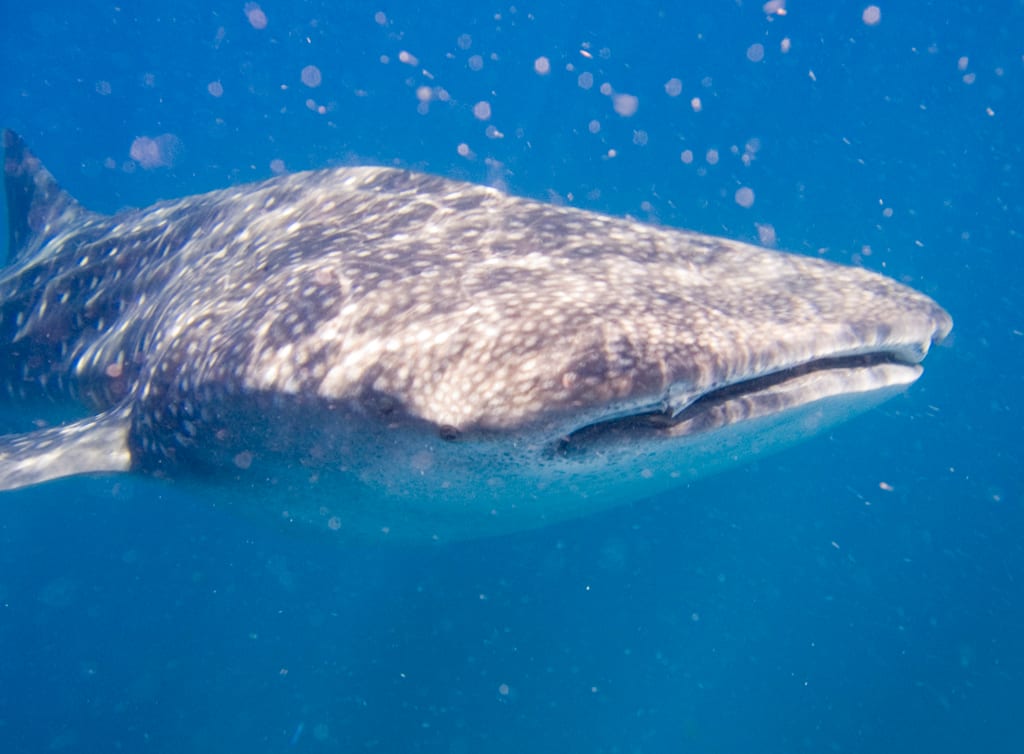
Tofo, near Inhambane on the southern coast, is a low-key backpacker and diving town that has become internationally known for exceptionally reliable whale shark and manta ray encounters, thanks to research and ecotourism run by local marine science organisations. Long, wide beaches and a laid-back surf-town feel make it a popular stop even for non-divers.
It is a comparatively easy few hours' drive north of Maputo's usual gateway towns.
4. Gorongosa National Park
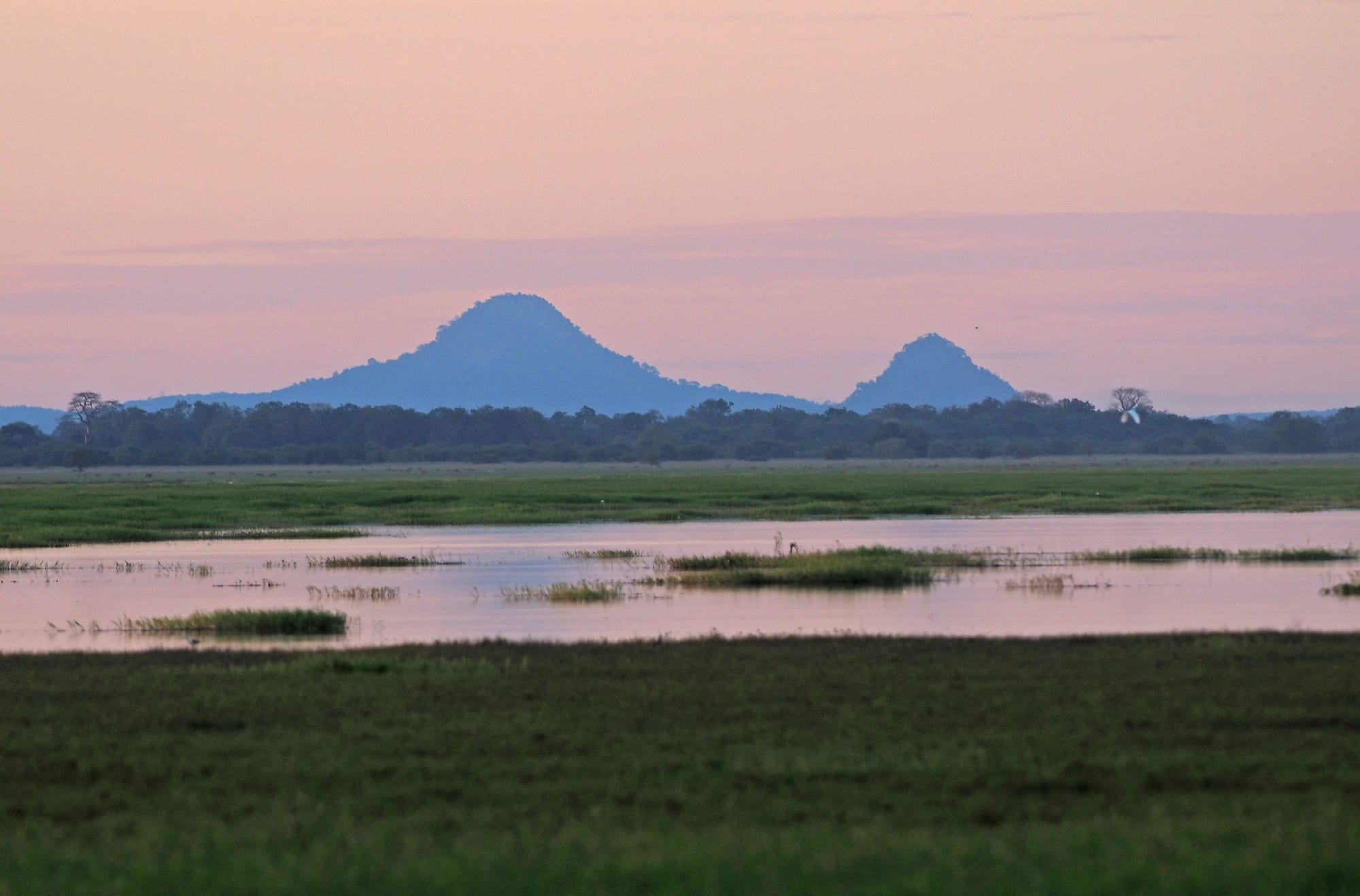
Gorongosa, once one of Africa's premier wildlife parks, lost the vast majority of its large animals during the 1977–1992 civil war, when the park itself became a battleground. Since 2004, an ambitious public-private restoration project has rebuilt its wildlife populations from near zero — reintroducing lion, buffalo, wildebeest, and more — alongside community health and education programmes, making it one of the most closely watched conservation recoveries in the world. Mount Gorongosa's cloud forest adds a wholly different ecosystem above the plains.
It is reached by road from Beira or Chimoio, with lodges inside the park.
5. Maputo
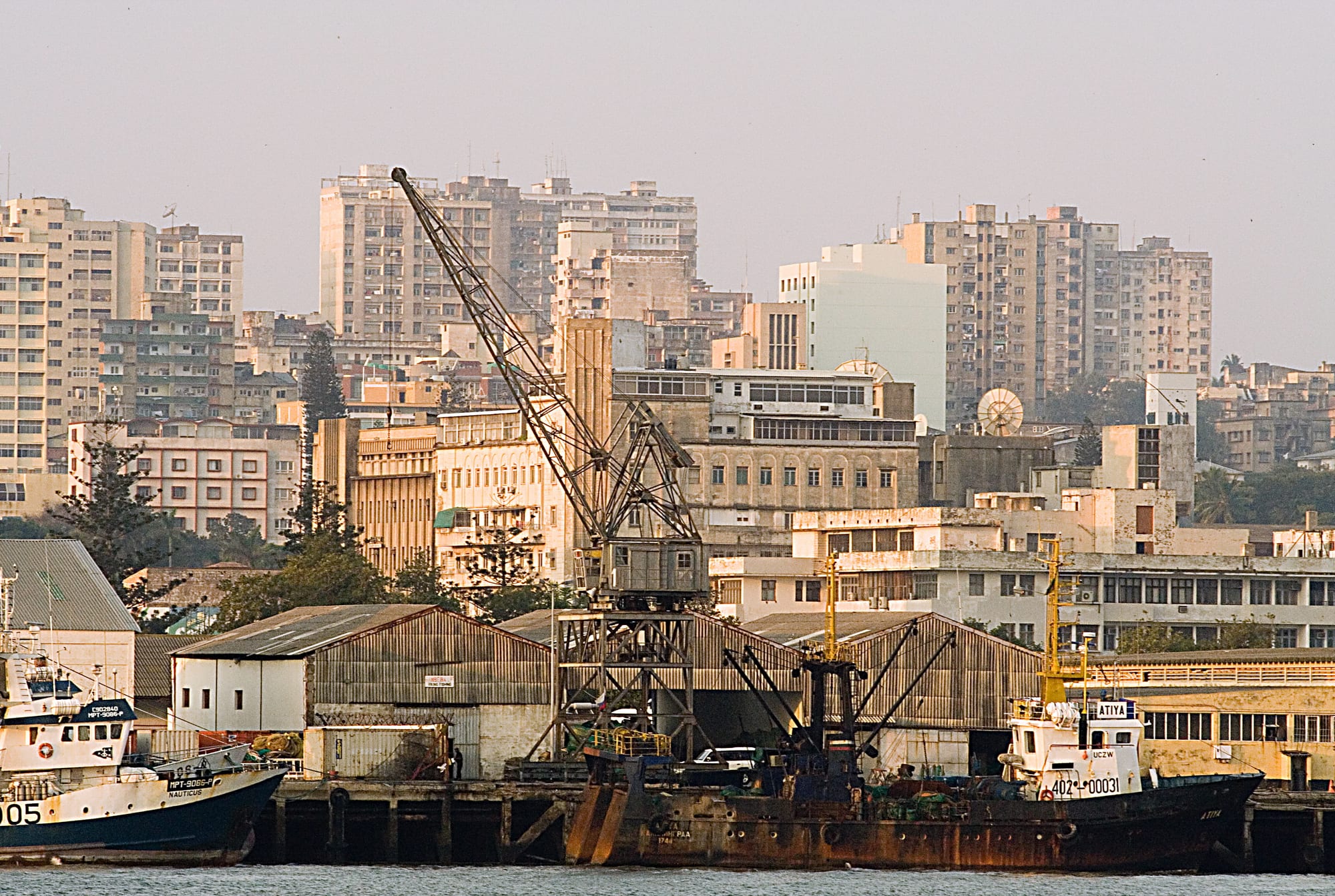
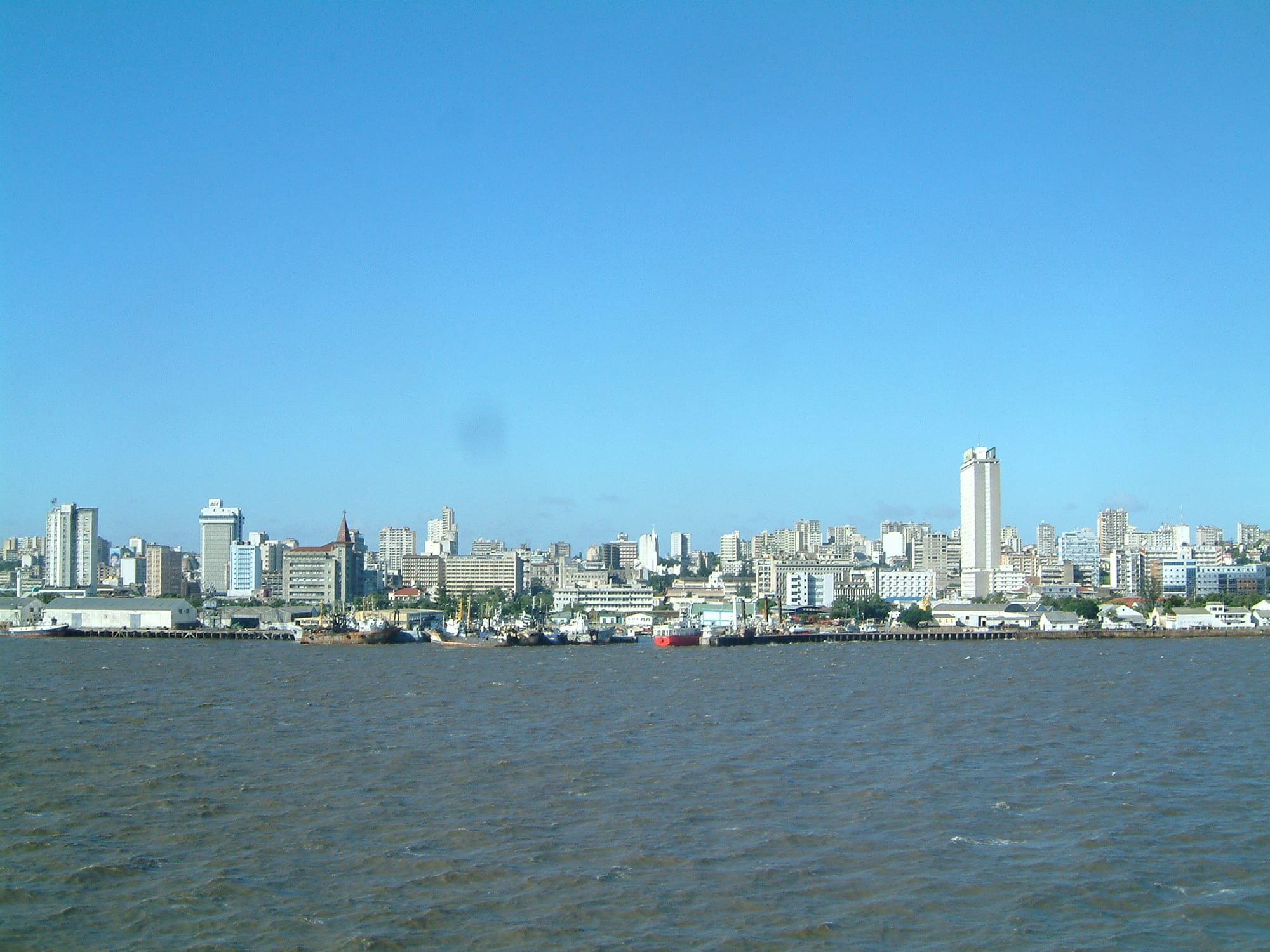
Maputo, the capital, is a leafy, jacaranda-lined city with a strong Portuguese and Art Nouveau architectural legacy — including a train station attributed in design influence to Gustave Eiffel's studio — alongside a lively contemporary arts and music scene, the Central Market, and a growing restaurant culture built on the city's Indian Ocean seafood.
It is the country's main international gateway and a common start or end point for a trip.
6. The Quirimbas Archipelago
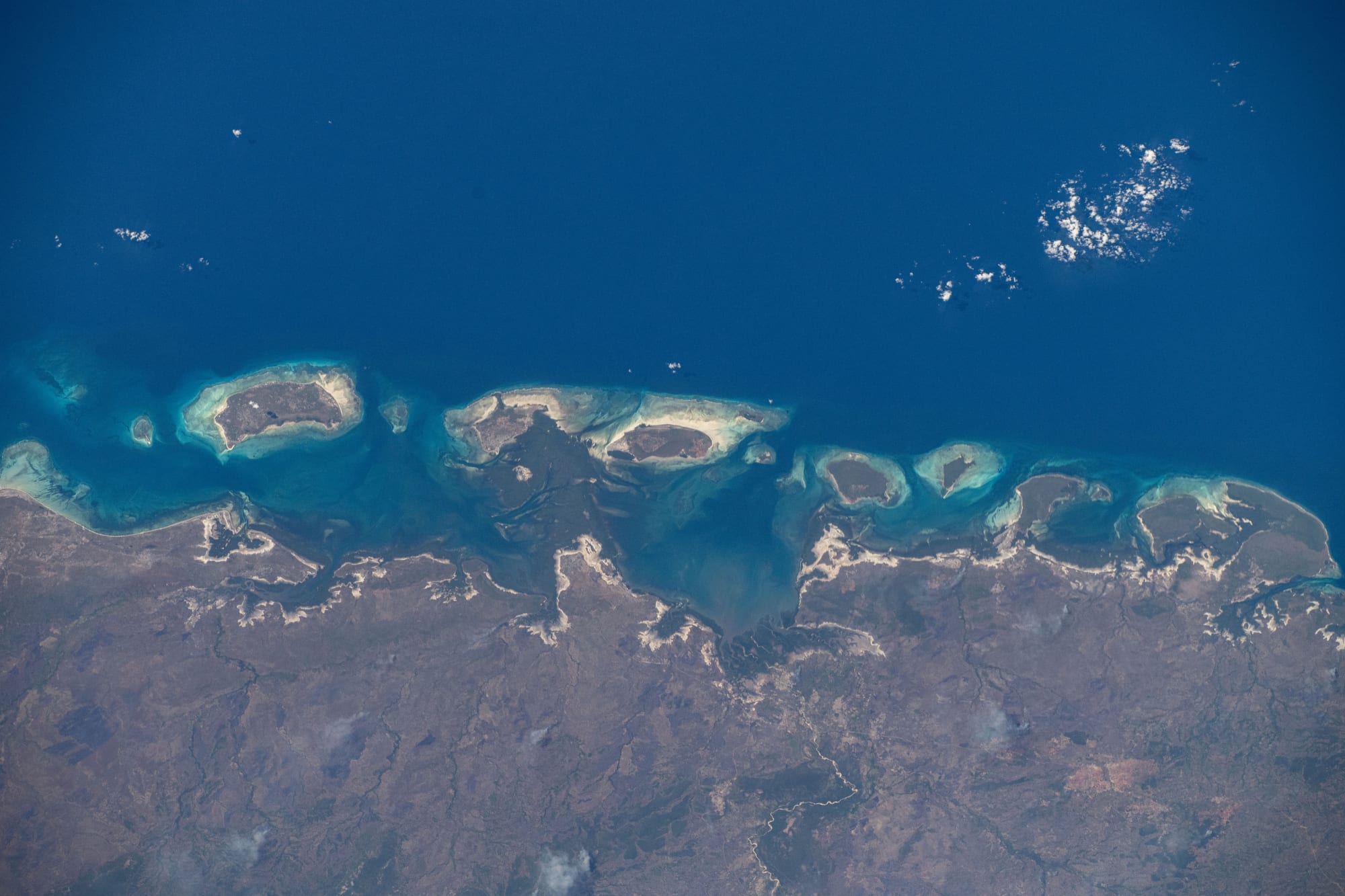
The Quirimbas, off the far northern coast, are a chain of coral islands and mangroves far less developed than Bazaruto — a national park protecting reef, dugong, and turtle habitat, with a handful of remote, high-end lodges on islands like Medjumbe and Quilálea, and the historic Swahili-Arab town of Ibo Island, with its own crumbling fort and silversmithing tradition.
It is genuinely remote, usually reached by charter flight from Pemba.
7. The southern coast
South of Maputo, a run of quieter beaches — Ponta do Ouro (a well-known dolphin-diving spot near the South African border), Praia do Tofo, and Inhaca Island in Maputo Bay — makes an easy first taste of the coast for visitors arriving overland from South Africa, with fewer flights and shorter distances than the more remote north.
Mozambique's long coastline means most trips focus on one region rather than the whole country: a south-coast trip from Maputo, a beach-and-diving stay around Tofo or Bazaruto, or a dedicated wildlife-and-remote-island trip combining Gorongosa with the Quirimbas in the north.