Daily Life · Mozambique
Mozambique: A Nation Banking on Each Other
A country where most households still farm for a living, minibuses leave only once they are full, and informal savings circles called xitique do the work that banks do elsewhere
By Worldlore Editorial · 30 September 2026
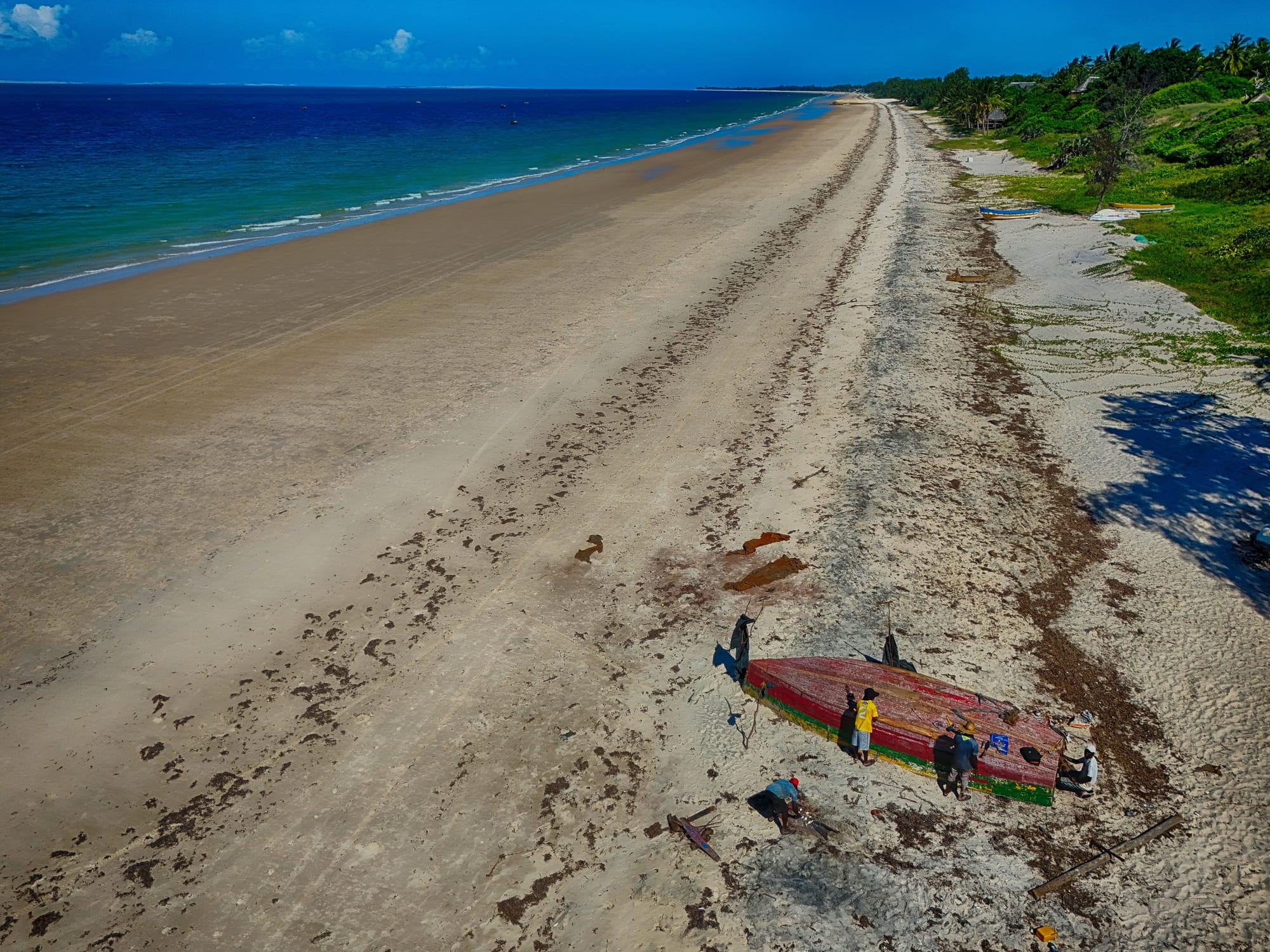
For most Mozambicans, an ordinary day still begins with the land. Around six in ten people live in rural areas, and farming, cassava, maize, coconut and cashew among the staples, remains the main source of food and income for a large share of households, supplemented along the coast by small-scale fishing. Formal banks, steady salaries and fixed timetables reach only part of the population; a great deal of everyday economic life instead runs on informal networks, shared minibuses that leave when full rather than on a schedule, and savings circles that neighbours and relatives run for each other rather than through any institution.
Family and home life
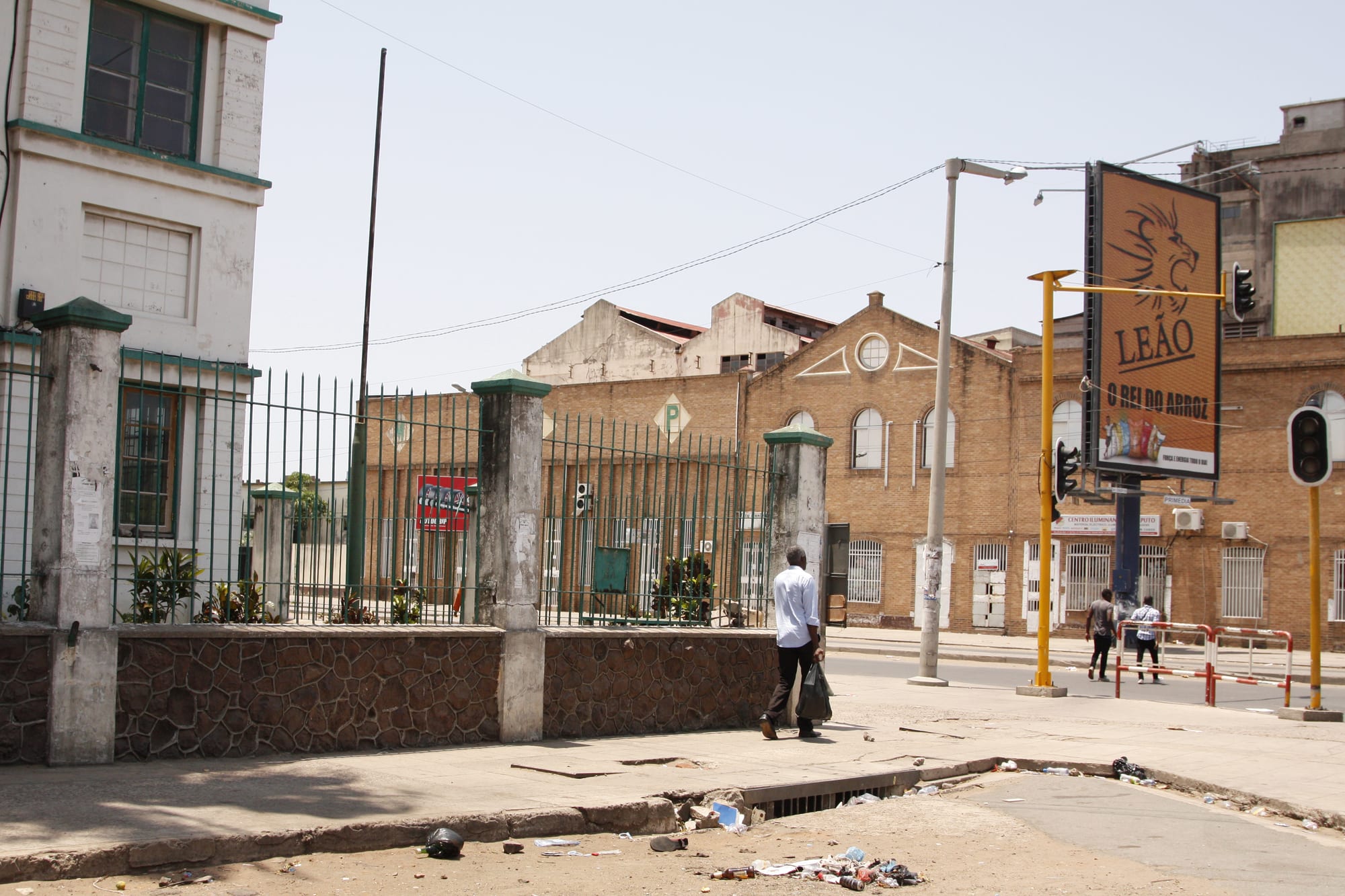
Extended-family obligation runs deep in Mozambican household life: relatives are expected to help one another with money, labour and childcare, and decisions about spending or a child's schooling are often made with the wider family rather than a single household in mind. The brightly printed capulana cloth, worn as clothing, used to carry babies on a mother's back, and given as a gift, is a genuinely everyday object found in households nationwide rather than a special- occasion item. Housing varies sharply by region: reed and thatch construction remains common in rural villages, while Maputo and the larger towns have a mix of colonial-era apartment blocks, informal settlements and newer housing.
Work, school and the rhythm of the day
Most rural households work their own land, growing food primarily for the household with any surplus sold locally, a rhythm set by the agricultural calendar rather than a fixed working week. Access to electricity, long a barrier to anything resembling a conventional working day outside the cities, is changing quickly: the country's electrification rate rose from just over half to roughly six in ten people between 2023 and 2024 alone, as hundreds of thousands of households gained new connections, on the grid or through off-grid systems. In the cities, Maputo above all, a smaller formal sector runs on government administration, the port and transport corridors that serve landlocked neighbouring countries, and a growing offshore natural gas industry in the north, though that wealth has yet to reach most households' daily lives.
Community life and public spaces
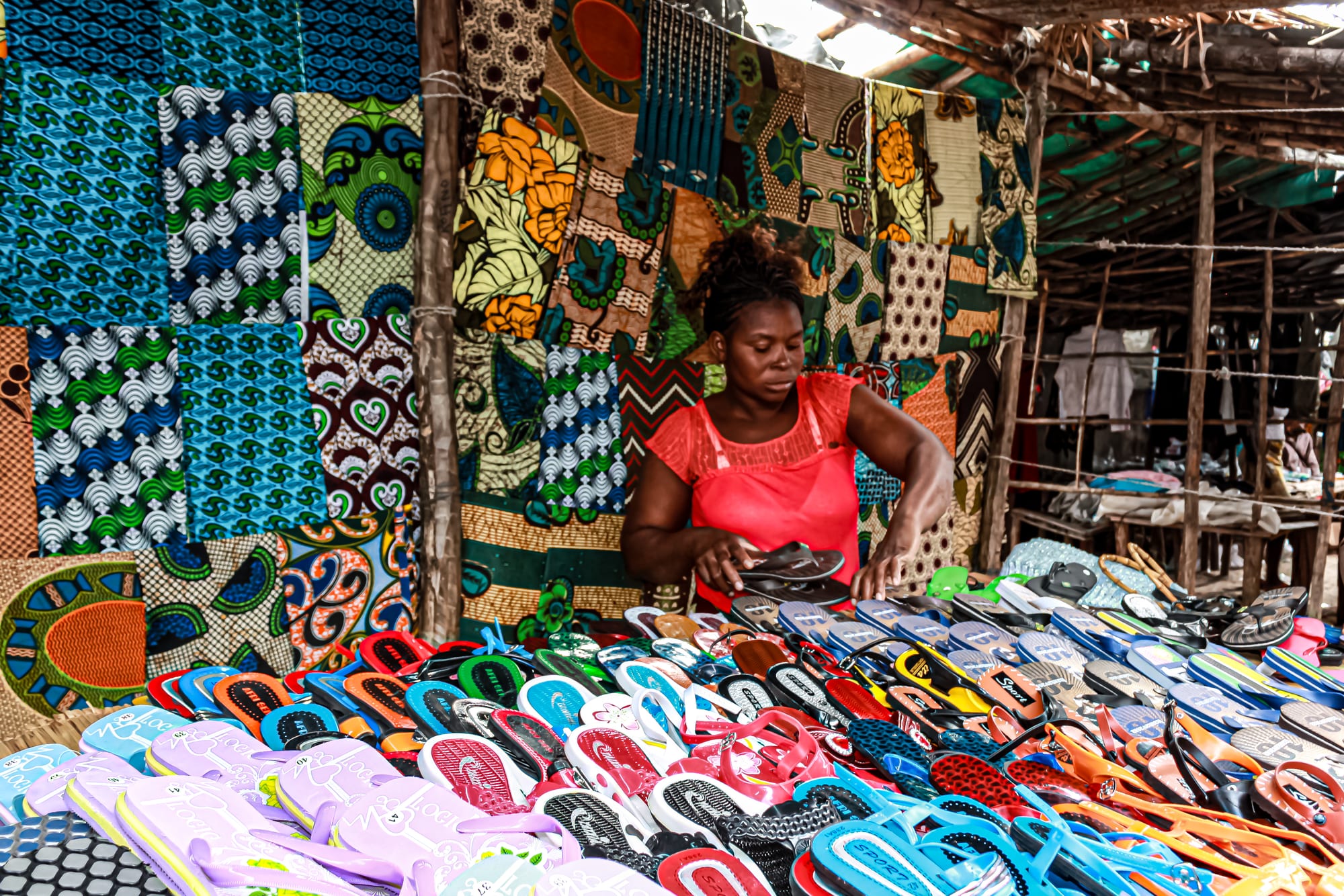
Local markets are the everyday commercial hub in towns across the country, selling produce, capulana cloth, household goods and prepared food, and functioning as a genuine daily gathering point rather than purely a shopping errand.
Getting around relies heavily on chapas, the shared minibuses that run fixed routes but leave only once full rather than on a timetable, filling the gap left by a limited formal bus network and a rail system that carries mainly freight. Outside the market and the chapa rank, one of the most important everyday institutions is informal rather than physical: the xitique, a rotating savings circle in which a group of neighbours, relatives or colleagues each contribute a fixed sum on a set schedule, with the pooled total going to a different member each round, a practical substitute for the formal banking many households cannot easily access.
Free time and weekends
Football is followed with real intensity nationwide, played informally in open spaces in towns and villages alike and watched closely wherever a match is broadcast. Marrabenta, the guitar-driven popular music that grew out of Maputo, and other Mozambican styles play a significant role in weekend and evening leisure, at home, in bars and at community gatherings. Along the coast, free time often centres on the sea itself, whether fishing for pleasure or simply spending time on the beach, while inland leisure is shaped far more by family visits and the demands of the agricultural calendar than by any fixed weekend routine.
A visitor's ordinary day
The metical is the local currency, and Mozambique remains largely a cash economy outside the main cities and tourist lodges, where US dollars and South African rand are also useful. ATMs are limited to towns and generally work more reliably with Visa than Mastercard. Distances are long and roads slow, so many visitors fly between Maputo, the southern beaches and the north rather than driving the full length of the country. Most governments advise against all travel to Cabo Delgado province in the far north, where an Islamist insurgency has displaced hundreds of thousands of people since 2017. Police roadblocks are common on the main highways, and travellers should keep documents on hand, stay calm, and ask for an official receipt if a fine is requested. Malaria risk is present countrywide, so prophylaxis and precautions are worth arranging well before travel.
What to take away
An ordinary day in Mozambique runs less on institutions than on people relying on each other directly, whether that means a shared minibus, a market stall, or a savings circle that does a bank's job through nothing more than a group's word.