History · Montserrat
Montserrat: The Island With a Buried Capital
The "Emerald Isle" of the Caribbean, settled by Irish Catholics and enslaved Africans — a quiet British colony until a volcano woke in 1995, buried its capital, and emptied two-thirds of the island
By Worldlore Editorial · 19 September 2026
A small island, half of it off-limits
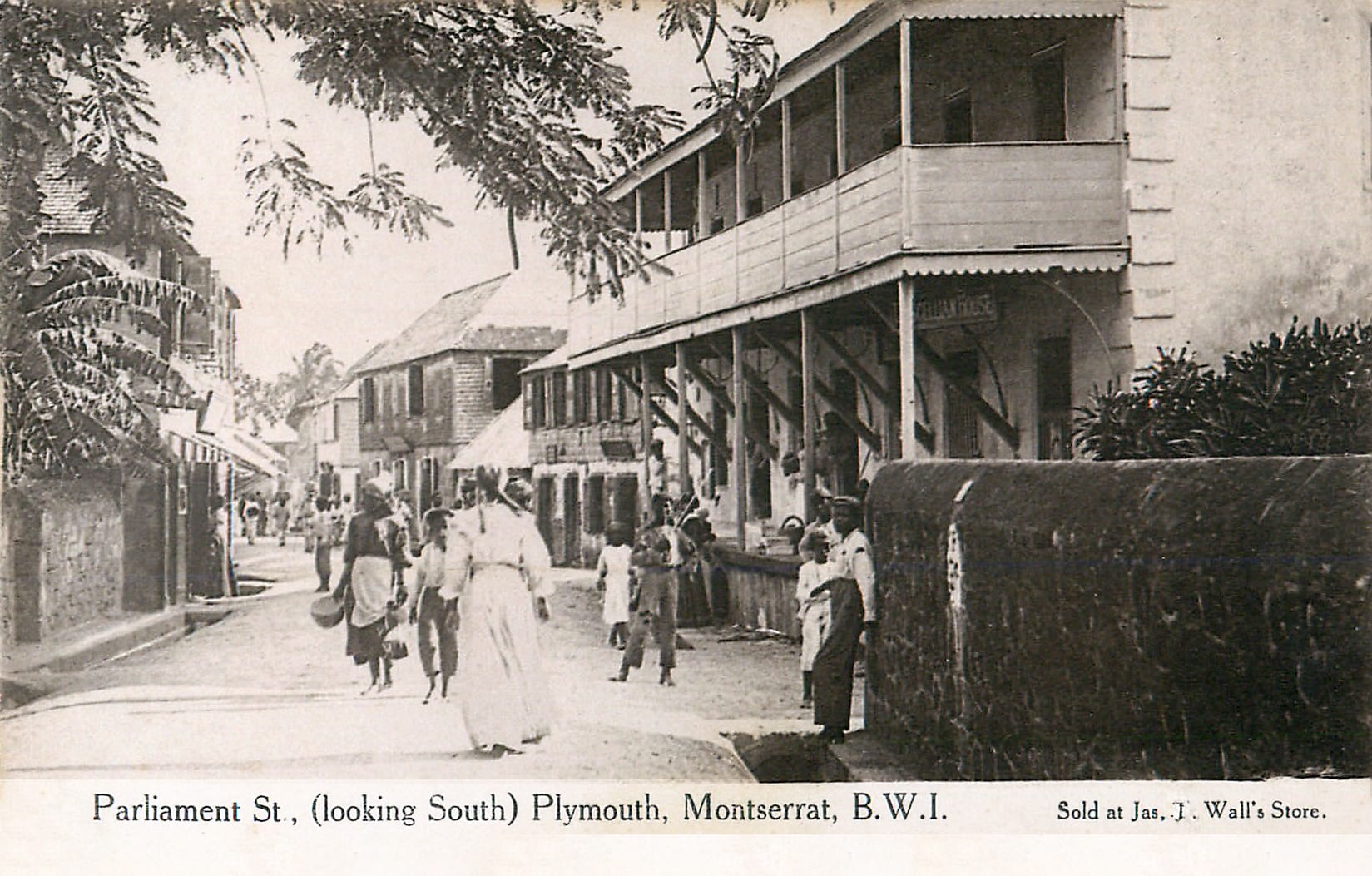
Montserrat is a British Overseas Territory in the eastern Caribbean, about 100 square kilometres — of which the southern two-thirds, including the old capital, the airport and the best farmland, has been an uninhabitable exclusion zone since the 1990s. Around 4,500 people live in the safe north, down from about 13,000 before the volcano. It is known as the "Emerald Isle" of the Caribbean for its Irish heritage, and it is one of the very few places on Earth with a legal capital that no one can enter.
A short history
- 1493
Named
Columbus sights the island; no Spanish settlement follows.
- 1632
Settlement
English and Irish Catholics colonise Montserrat.
- mid-1600s
An Irish colony
The only English Caribbean island with an Irish majority.
- late 1600s–1834
Sugar and slavery
Enslaved Africans come to outnumber the settlers.
- 1768
The St Patrick's Day rebellion
A planned slave revolt is betrayed.
- 1989
Hurricane Hugo
A direct hit destroys most buildings.
- 1995–1997
The eruption
Soufrière Hills wakes; Plymouth is evacuated and buried.
- 1997 onward
Depopulation
Two-thirds of the population emigrate, mostly to Britain.
Irish Montserrat
The Kalinago knew the island; Columbus named it in 1493 for the mountain abbey near Barcelona. English settlement began in 1632, and it drew — unusually — large numbers of Irish Catholics: settlers pushed out of other colonies for their religion, and Irish men and women transported as indentured labourers and prisoners, especially after Cromwell's conquest of Ireland. By the mid-17th century Montserrat had an Irish majority among its free and servant population, the only English Caribbean colony of which that was true.
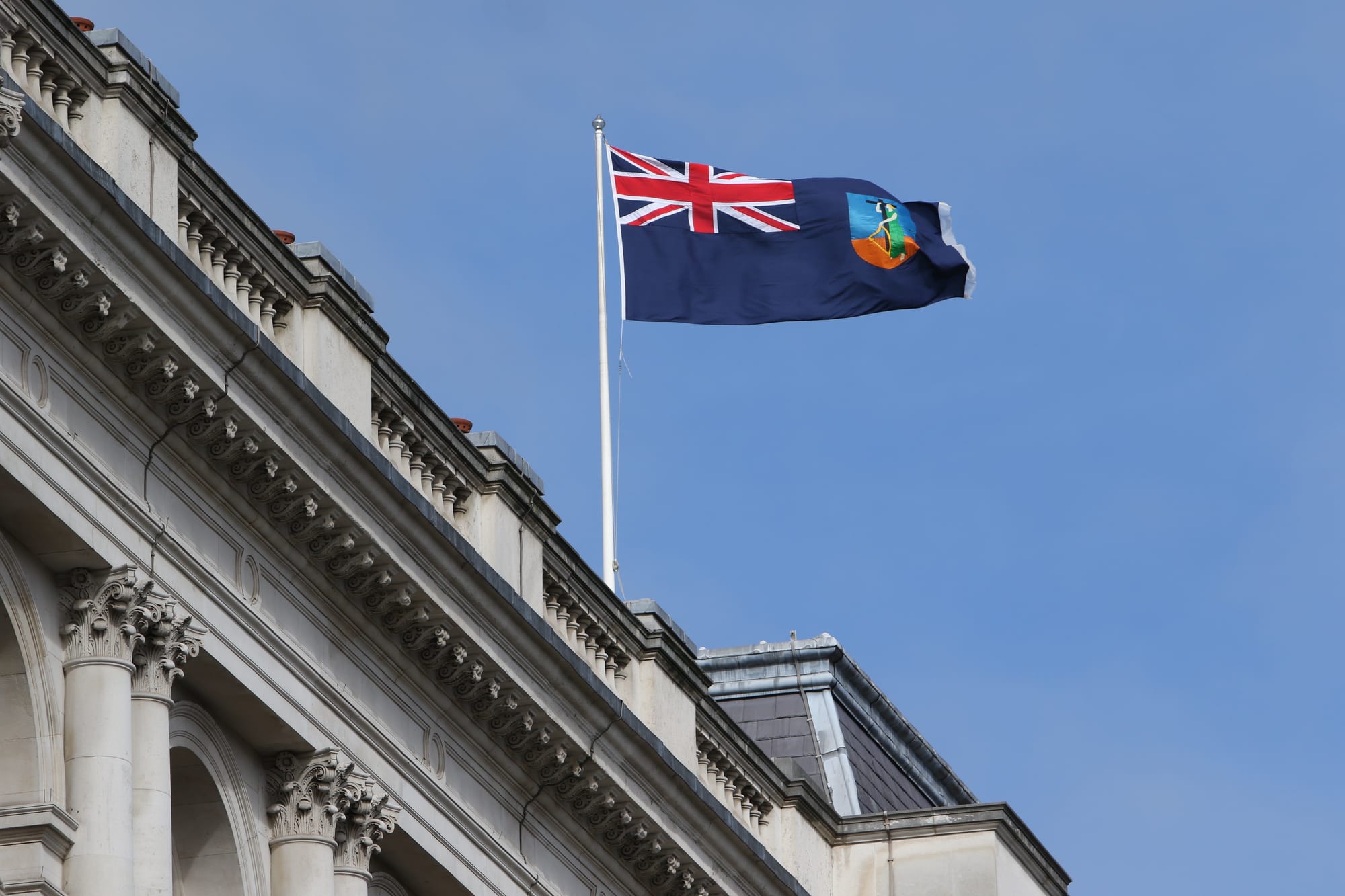
As sugar plantations spread from the later 17th century, enslaved Africans came to vastly outnumber the settlers. A slave rebellion planned for St Patrick's Day 1768 — when the Irish planters would be distracted — was betrayed and crushed. Slavery was abolished in 1834, and the island turned to limes and Sea Island cotton, staying a poor, quiet colony. It chose to remain a British territory rather than seek independence, and in the 1980s its recording studio, built by the Beatles' producer George Martin, hosted a stream of rock stars — until Hurricane Hugo wrecked it in 1989.
The volcano
The Soufrière Hills volcano, quiet for centuries, began erupting in July 1995. Over the next two years it escalated — ash falls, then pyroclastic flows and mudflows that poured down onto Plymouth. The capital was evacuated and progressively buried, and abandoned in 1997.
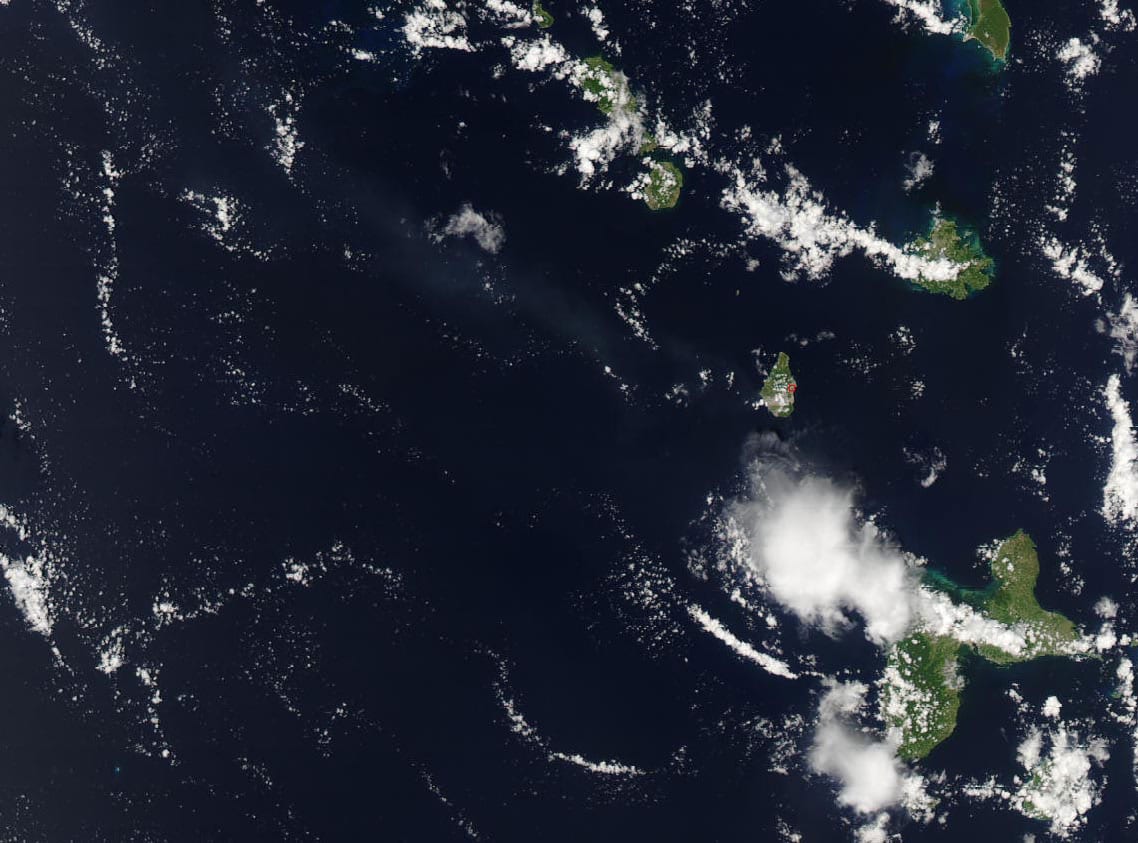
About two-thirds of the population — some 8,000 people — left, most for the United Kingdom, which granted them full residency. The volcano stayed highly active until around 2010 and is still monitored.
Montserrat now
The island's life has moved to the safe north. Britain has funded a large reconstruction — a new airport, hospital and government buildings, and a jetty at Little Bay, where a replacement capital is being built slowly. The economy depends almost entirely on UK aid, with some volcano tourism, villa building and the export of sand quarried from the volcanic deposits. The population is small and ageing, and young people continue to leave. Montserrat remains on the UN list of territories to be decolonised, with little local interest in independence given how much it relies on British support.
What Montserrat carries
Montserrat's history has two strong marks. One is human: an Irish-Catholic settlement layered over an enslaved African majority, still visible in the flag, the place names and the St Patrick's holiday. The other is geological: a volcano that, in a decade, destroyed the capital, closed off most of the island, and scattered most of its people — leaving a territory that has to be rebuilt, from the north, on someone else's budget.