Food · Montserrat
Montserrat: Food and the National Dish
A spiced goat stew from a small Caribbean island whose food culture, like nearly everything else here, was reshaped by a volcano that buried its own capital
By Worldlore Editorial · 20 September 2026
An island still shaped by its volcano
Montserrat's modern story is inseparable from the Soufrière Hills volcano, whose eruptions beginning in 1995 buried the island's capital, Plymouth, under ash and forced roughly two-thirds of the population to evacuate permanently. That disaster reduced the island's farmland and population dramatically, pushing daily life, including food, toward greater reliance on imports than before.
The national dish: goat water
Goat water, a thick, spiced stew of goat meat simmered with herbs and sometimes a touch of local rum, is widely considered Montserrat's national dish, shared under the same name and tradition across several of the Eastern Caribbean's Leeward Islands. Traditionally cooked in large batches for festivals and celebrations, goat water remains Montserrat's clearest culinary point of identity despite being genuinely shared with neighbouring islands rather than unique to Montserrat alone.
What's left of the everyday pantry
With so much farmland destroyed or made inaccessible by volcanic activity, Montserrat today relies heavily on imported food, alongside whatever produce, goats and chickens can still be raised in the inhabited northern part of the island. Fresh fish remains a genuine local resource, and traditional Caribbean staples like rice, peas and plantain fill out the rest of the everyday table.
History behind the disaster
Montserrat's population and economy were reshaped almost overnight by the 1995 volcanic eruption and the years of continued activity that followed, a genuine, ongoing disaster rather than a historical footnote — parts of the island remain an exclusion zone today. That context matters directly for food: an island that lost most of its farmland and two-thirds of its people now sustains a smaller, more import-dependent food culture than it did before 1995.
Dishes to know
A few more dishes worth recognising in Montserrat:
- Rice and peas — a Caribbean-wide staple, cooked with coconut milk
and kidney or pigeon peas.
- Saltfish — salted, dried cod, prepared in various forms as a common
everyday protein.
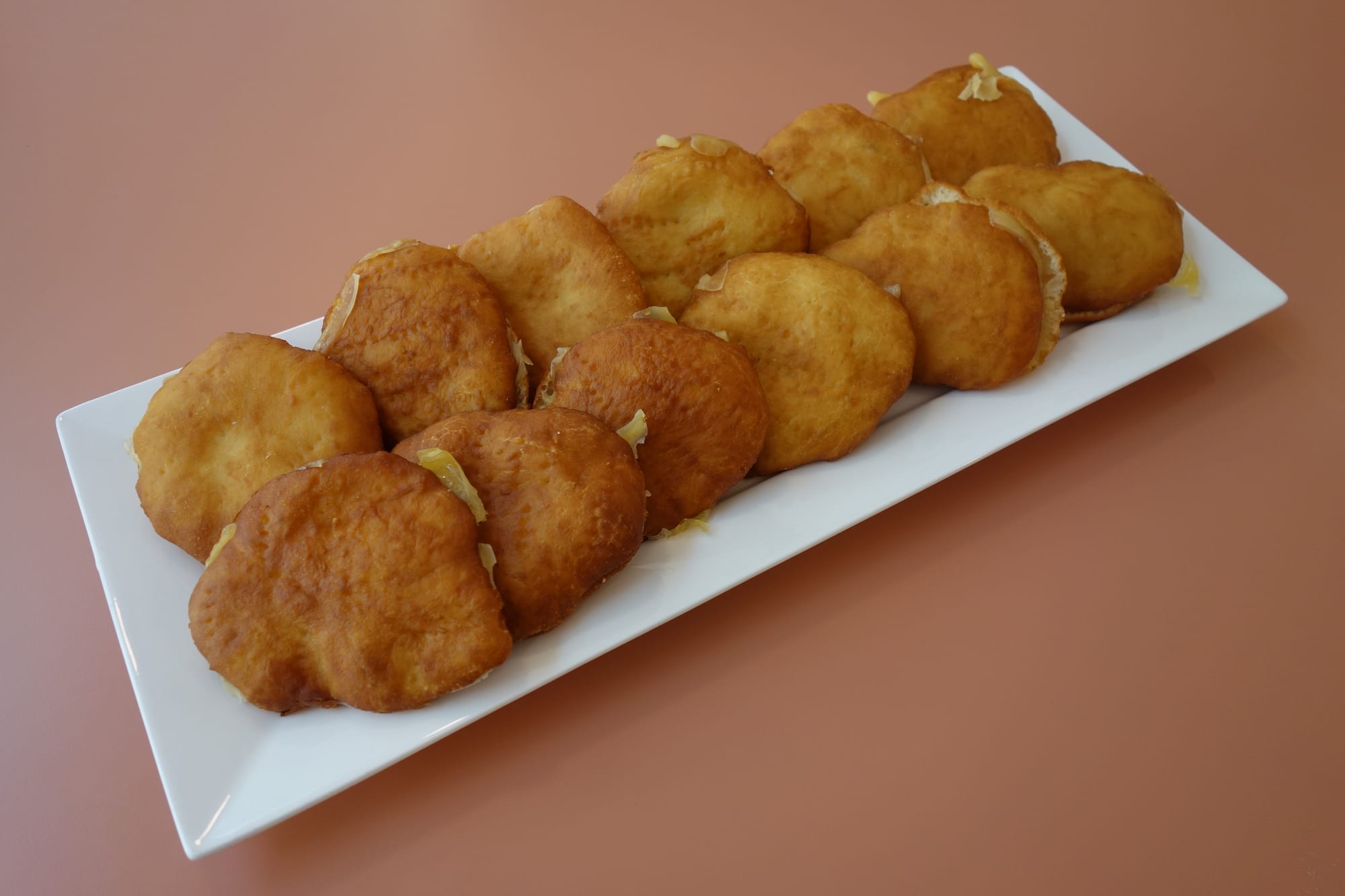
- Johnnycake — a fried or baked cornmeal bread, a staple across the
Eastern Caribbean.
- Fresh fish — caught locally and grilled or stewed, one of the
island's more reliable local food sources today.
Eating as a traveller
Vegetarians will find rice, peas and provisions manageable, though meat and fish remain central to most traditional Montserratian cooking. Tap water is generally safe in the inhabited northern part of the island. Visiting the exclusion zone around Plymouth, where permitted, offers a sobering look at how directly the volcano reshaped everyday island life, food included.
What to take from the table
Goat water, shared with the wider Leeward Islands but cooked with real local pride, is the dish that best represents Montserrat's food identity — carried on by a much smaller population than the island once had, on land the volcano allowed them to keep.