Daily Life · Montserrat
Montserrat: An Island Living in One-Third of Itself
A British Overseas Territory of around 4,400 people, all of them now settled in the safe northern third of the island, with a diaspora larger than the island's own population, much of it in the United Kingdom
By Worldlore Editorial · 30 September 2026
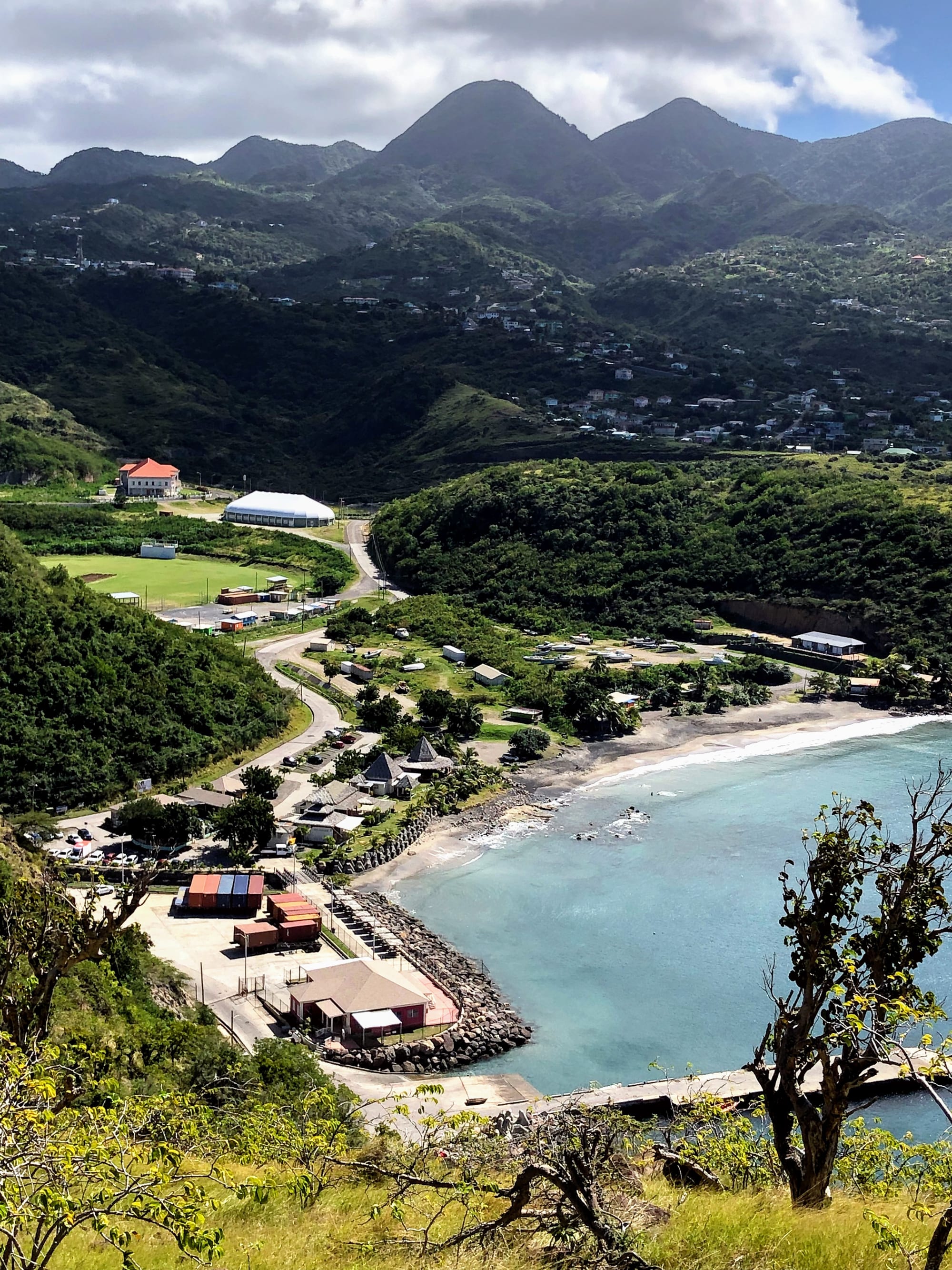
Montserrat is a small island living inside an even smaller part of itself. Since the Soufrière Hills volcano destroyed the former capital, Plymouth, in the late 1990s, the entire population, now around 4,400 people, has lived in the safe northern third of the island, while the southern two-thirds remains an Exclusion Zone, off-limits or entry-by-permit only. An ordinary day here is shaped as much by that geography as by anything else: a tight-knit community, rebuilt almost from scratch in villages such as Brades and the new settlement rising at Little Bay, going about everyday life within sight of the volcano that reshaped it.
Family and home life
Montserrat's community is small by necessity, in a population that fell from more than 11,000 before the eruption to fewer than 1,200 in 1997, as most residents left, many for the United Kingdom. Family life on the island today is closely bound to a diaspora larger than the island itself: the 2001 UK census alone counted nearly 8,000 Montserratian-born people in Britain, almost twice the island's population at the time, so many extended families now span an ocean rather than a single village. Housing in the north has been rebuilt or newly constructed since the 1990s, and staying in touch with relatives abroad, by phone and increasingly by video call, is a normal part of family life rather than an occasional event.
Work, school and the rhythm of the day
The island's economy leans heavily on budgetary aid from the United Kingdom, alongside construction work tied to the ongoing rebuilding effort, and a modest tourism sector built around the volcano itself; construction and government services together make up a large share of the economy. Government administration is concentrated in Brades, which has served as the de facto seat of government since Plymouth was lost, even though Plymouth remains the territory's capital in name. Power and water supply are an ongoing practical challenge for the island, and geothermal energy drawn from the volcano itself is being developed to help address it. Daily life is car-dependent, since the safe zone's road network is limited and public transport is limited.
Community life and public spaces
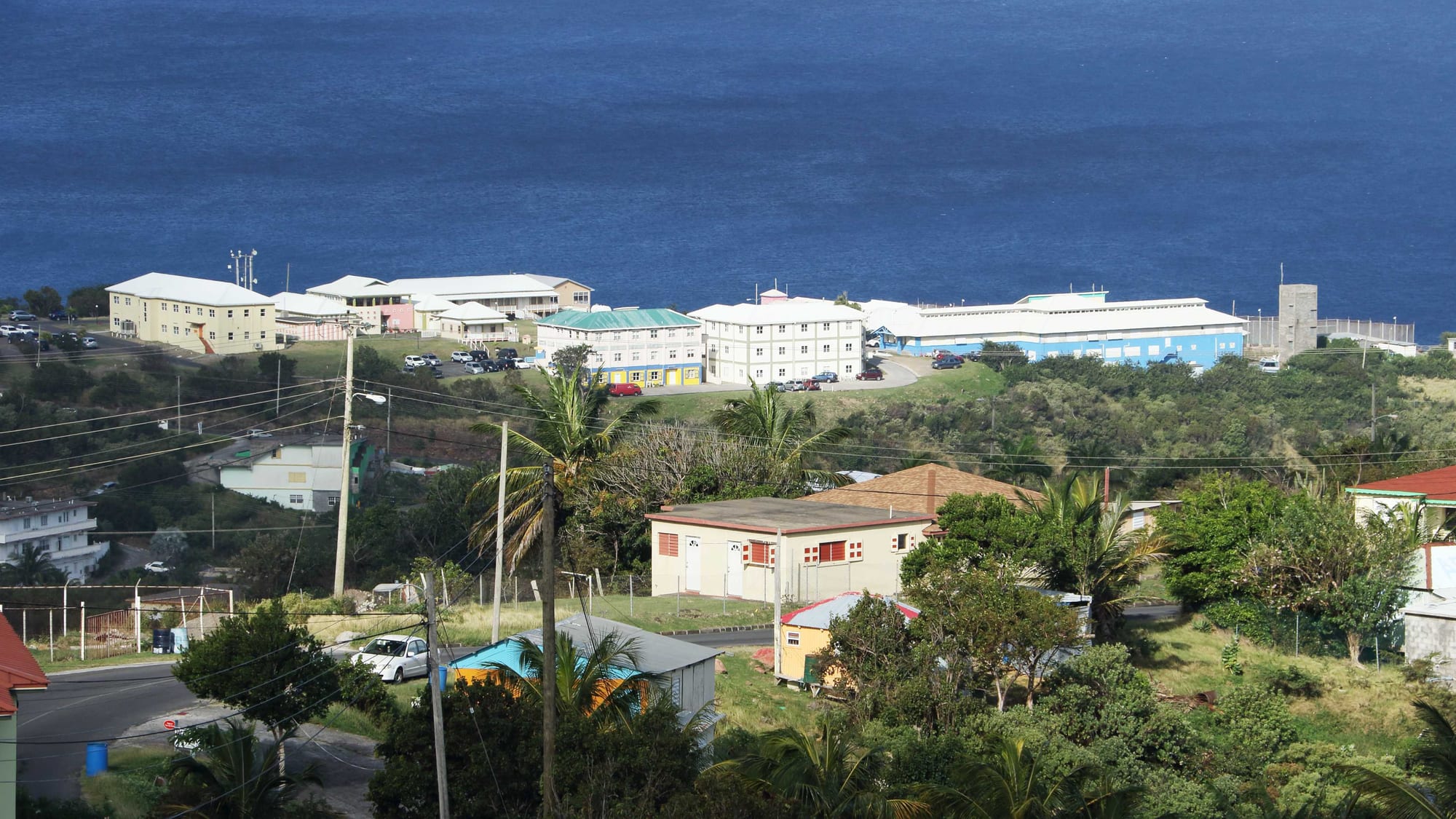
With so small a population confined to so small an area, community life in Montserrat runs through a handful of fixed points: the government offices and shops of Brades, the developing port and cultural centre at Little Bay, and a scattering of churches, schools and small groceries across the northern villages. There is no large central market of the kind found on bigger Caribbean islands; everyday shopping happens at small, independently run shops rather than one central hub. The volcano itself is a constant, quiet presence in community life: the Montserrat Volcano Observatory publishes the current alert level, and residents keep half an eye on it much the way people elsewhere might check the weather.
Free time and weekends
Free time on Montserrat tends to be informal and outdoor: the beach at Woodlands, the reefs off the northwest coast, and hiking trails through the Centre Hills rainforest are all within easy reach of anywhere in the safe zone. Cricket is followed closely, as across much of the English- speaking Caribbean, and the island fields its own teams in regional competition despite its tiny population. The single biggest date on the annual calendar is the St Patrick's Festival, held over about ten days each March, which draws much of the community, along with visitors and returning members of the diaspora, into a shared programme of events across the island.
A visitor's ordinary day
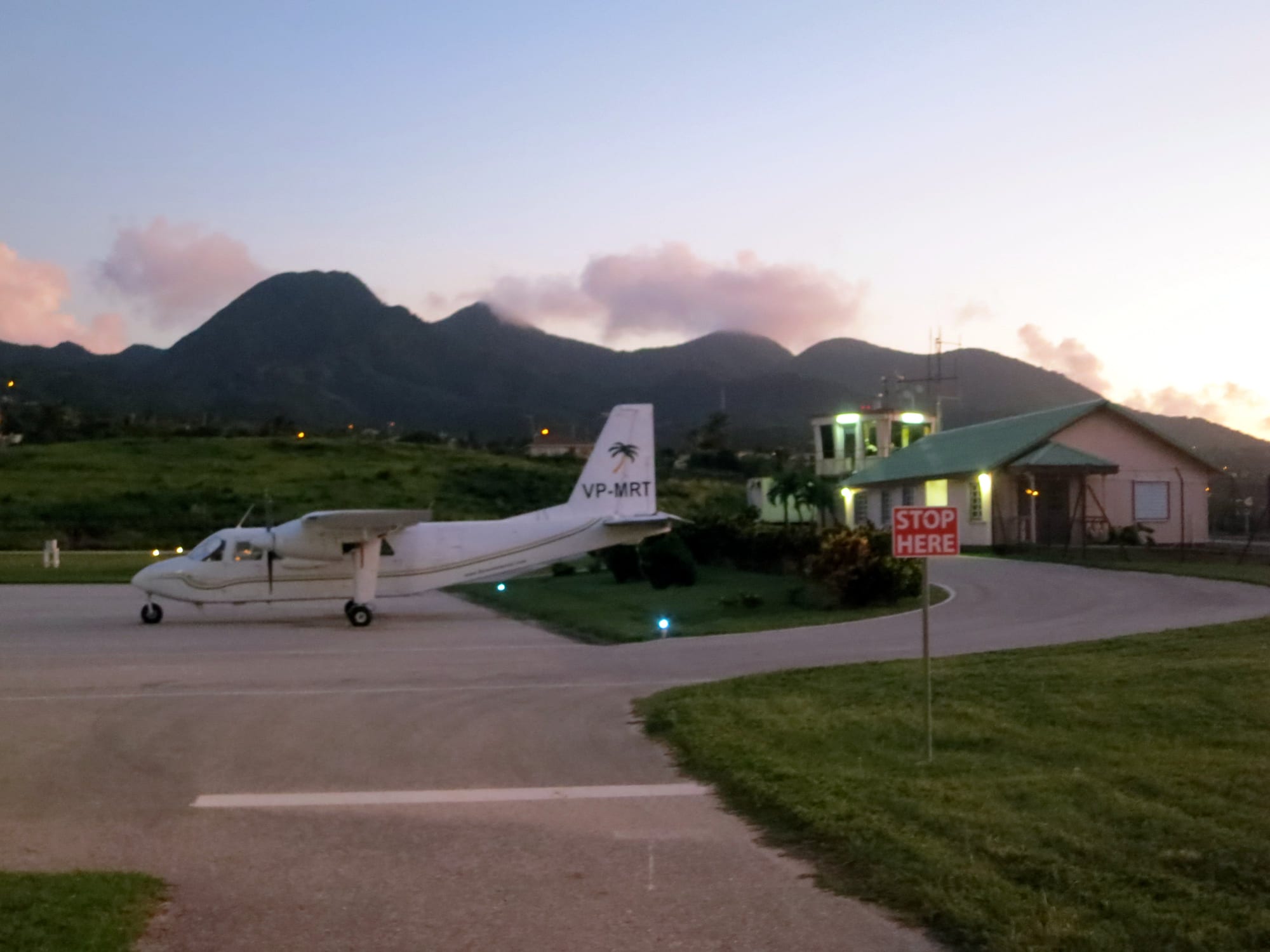
Getting to Montserrat means flying the short hop from Antigua, about twenty minutes on a small aircraft, or taking the scheduled ferry; both have limited capacity and are worth booking well ahead. The East Caribbean dollar is the local currency, pegged to the US dollar, and US dollars are accepted, but ATMs are few, so carrying enough cash is wise. A hire car, arranged with a temporary local permit on arrival, is the practical way to get around, since taxis and any public transport are limited and the road network exists only in the northern safe zone. Crime is almost unheard of, but visitors should check the current Exclusion Zone boundary and the Observatory's alert level before travelling, and only approach the edge of Plymouth's ruins with a licensed guide when access is permitted.
What to take away
An ordinary day in Montserrat is lived, by necessity, inside a fraction of the island the community once had, by a population smaller than the diaspora it stays in constant touch with.