History · Montenegro
Montenegro: The Black Mountain
A highland redoubt the Ottomans never held, ruled for centuries by warrior prince-bishops — a kingdom, then part of Yugoslavia, then in 2006 the last piece of it to become independent
By Worldlore Editorial · 19 September 2026
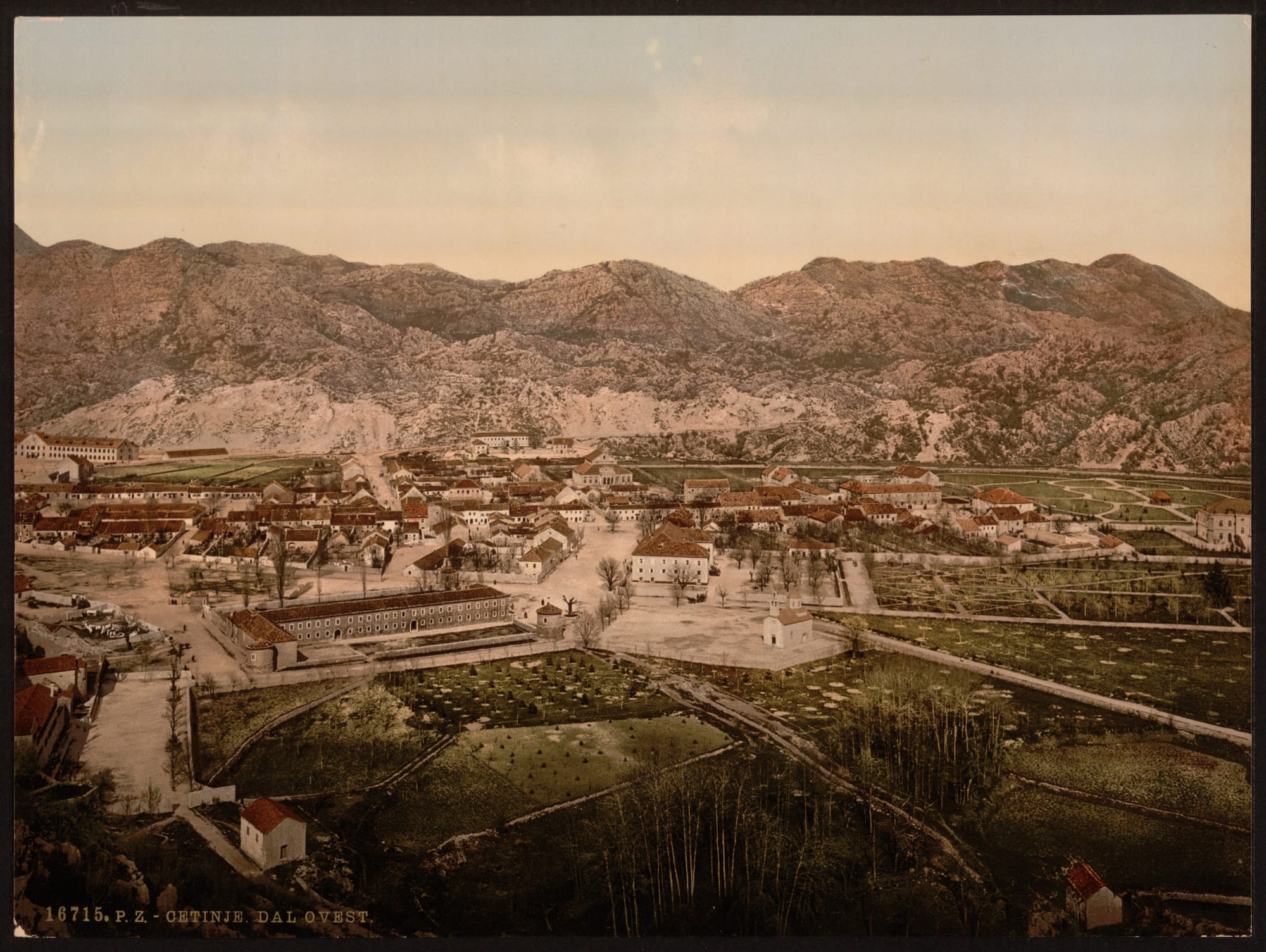
A country made by its mountains
Montenegro is a small, extremely mountainous country on the Adriatic — "Crna Gora", the Black Mountain, after the dark forests of Mount Lovćen. It has about 620,000 people, a divided sense of national identity, and a history shaped almost entirely by its terrain: a highland core around the old capital of Cetinje that the Ottoman Empire, which conquered the rest of the Balkans, was never able to hold.
A short history
- 11th–12th centuries
Zeta
A medieval Serbian principality, briefly a kingdom.
- 1493
The Crnojević press
One of the world's first state printing presses, at Cetinje.
- c. 1516–1852
The prince-bishops
Montenegro is a warrior theocracy under Orthodox vladike.
- 1830–1851
Njegoš
The poet-bishop writes "The Mountain Wreath".
- 1852
Secular rule
Danilo I becomes a secular prince.
- 1878
Independence
Recognised at the Congress of Berlin; the state doubles in size.
- 1910
Kingdom
Nikola I declares himself king.
- 1918
Union with Serbia
Montenegro loses its dynasty and its statehood.
- 1945
A Yugoslav republic
The smallest of the six.
- 2006
Independence
Restored by referendum, the last exit from Yugoslavia.
The redoubt
The medieval principality of Zeta, in what is now Montenegro, was part of the Serbian world; after the collapse of the medieval Serbian empire it was held by local noble houses. The last of them, the Crnojevići, set up a capital at Cetinje and, in 1493, one of the earliest state printing presses in the world. As the Ottomans overran the Balkans, the Crnojevići retreated into the mountains around Cetinje, which became a fastness.
The theocracy
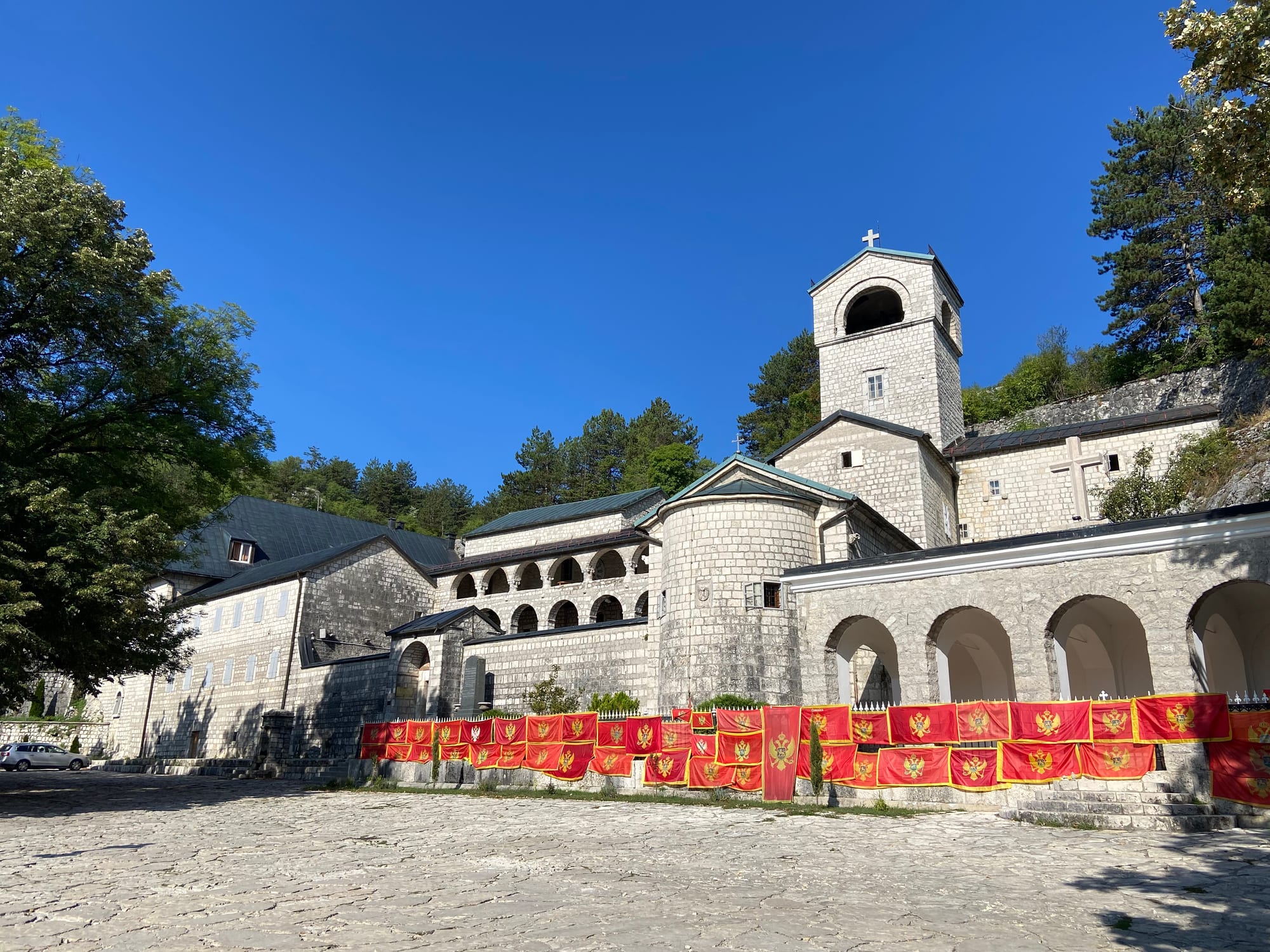
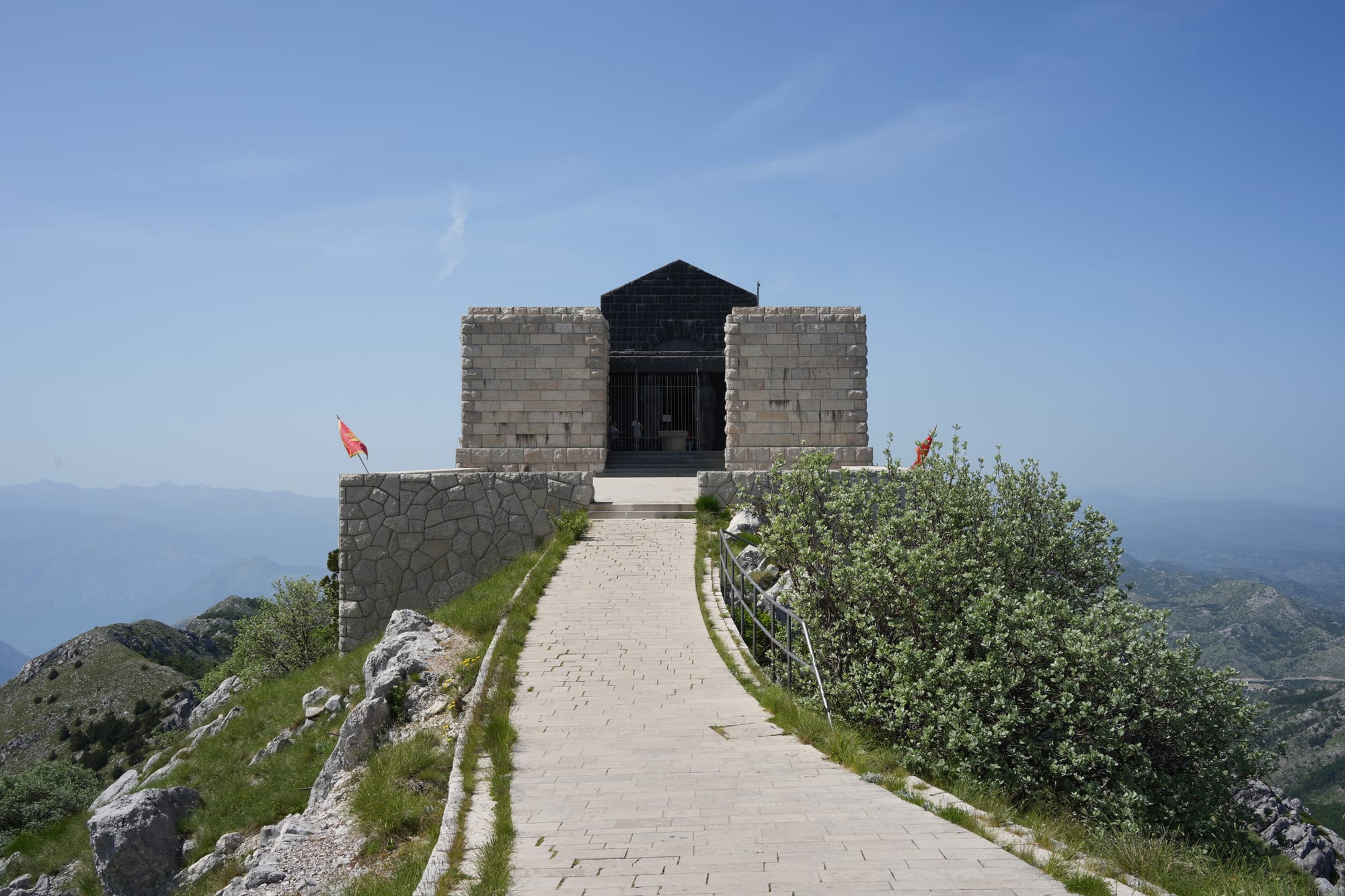
From about 1516 Montenegro was governed by Orthodox prince-bishops — a theocracy over a tribal, clan-based warrior society living by herding, raiding and near-constant war with the Ottomans. The office became hereditary in the Petrović-Njegoš family from the 1690s.
Principality and Kingdom
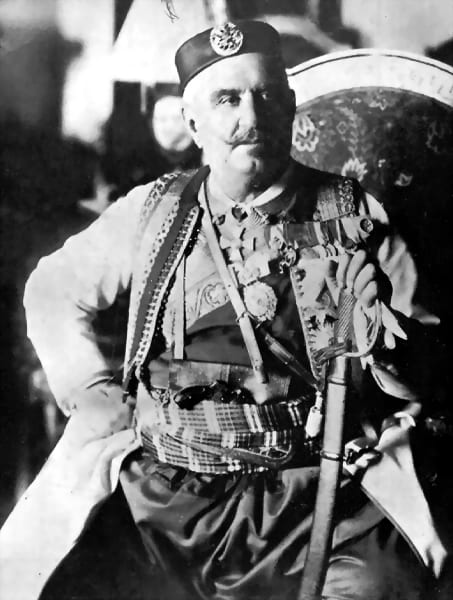
Danilo I secularised the throne in 1852. Under Nikola I, who reigned from 1860 to 1918, Montenegro roughly doubled in size, gained a stretch of Adriatic coast, was recognised as fully independent at the Congress of Berlin in 1878, and was declared a kingdom in 1910.
Yugoslavia
At the end of the First World War, a contested assembly at Podgorica voted to depose the Petrović dynasty and unite Montenegro unconditionally with Serbia, inside the new Yugoslavia. This split Montenegrins into "Whites", who saw themselves as Serbs and backed the union, and "Greens", who wanted a restored Montenegrin state; a Green uprising in early 1919 was suppressed. Montenegro lost its dynasty, its statehood and, for a time, its name.
Socialist Yugoslavia after 1945 made Montenegro one of its six republics and recognised a distinct Montenegrin nation — a decision that is still argued over. The old capital, Cetinje, was eclipsed by the industrialised Titograd, now Podgorica.
Independence
When Yugoslavia broke up, Montenegro's leaders stayed loyal to Serbia and Slobodan Milošević, and Montenegrin forces took part in the 1991 shelling of Dubrovnik, for which Montenegro later apologised. From the late 1990s, Milo Đukanović — who would dominate Montenegrin politics for some 30 years — broke with Milošević and steered the country toward independence.
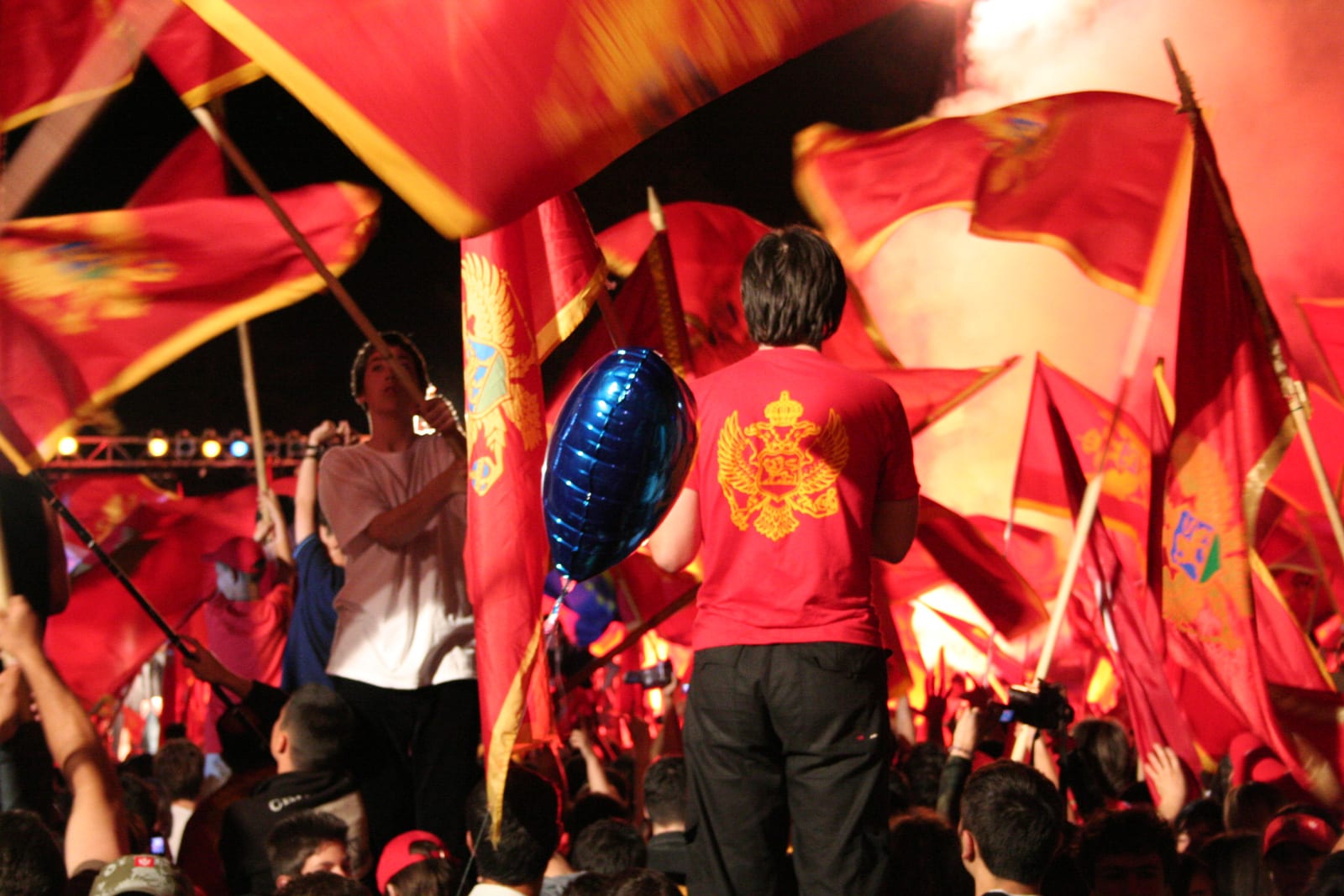
Montenegro joined NATO in 2017, over fierce Russian objection and an alleged Russian-backed coup plot, and is now the front-runner for EU membership. In 2020 the long-ruling party lost power for the first time, and in 2023 Đukanović finally lost the presidency, ending his era.
What Montenegro carries
Montenegro's identity was forged in the mountains, in centuries of resistance to the Ottomans under prince-bishops who were also warlords and, in Njegoš's case, a great poet. That heritage is shared with Serbia — the faith, the language, the epic tradition — which is why Montenegro's central modern question is whether it is a nation in its own right or a variant of the Serbian one. The 2006 vote answered it for the state; the society is still divided.