Attractions & Natural Wonders · Montenegro
Montenegro: Seven Attractions and Natural Wonders
A fjord-like bay ringed by medieval towns, a private island resort once fit for a king, Europe's deepest canyon, and mountains that gave the country its name
By Worldlore Editorial · 10 September 2026
Mountains meeting the Adriatic
Montenegro — the name itself means "Black Mountain" — packs a dramatic coast, a walled bay ringed by peaks, and a rugged mountainous interior into a country of just 13,800 square kilometres and about 620,000 people. Independent from Serbia only since 2006, it has quickly built a reputation as one of the Adriatic's most scenic and increasingly fashionable coastlines, while its interior holds some of the wildest national park country in the Balkans.
The seven below run along the Bay of Kotor and coast, then inland to the mountains. Late spring and early autumn suit both coast and mountains; summer is hot and busy on the coast, and the high country holds snow well into spring.
1. The Bay of Kotor
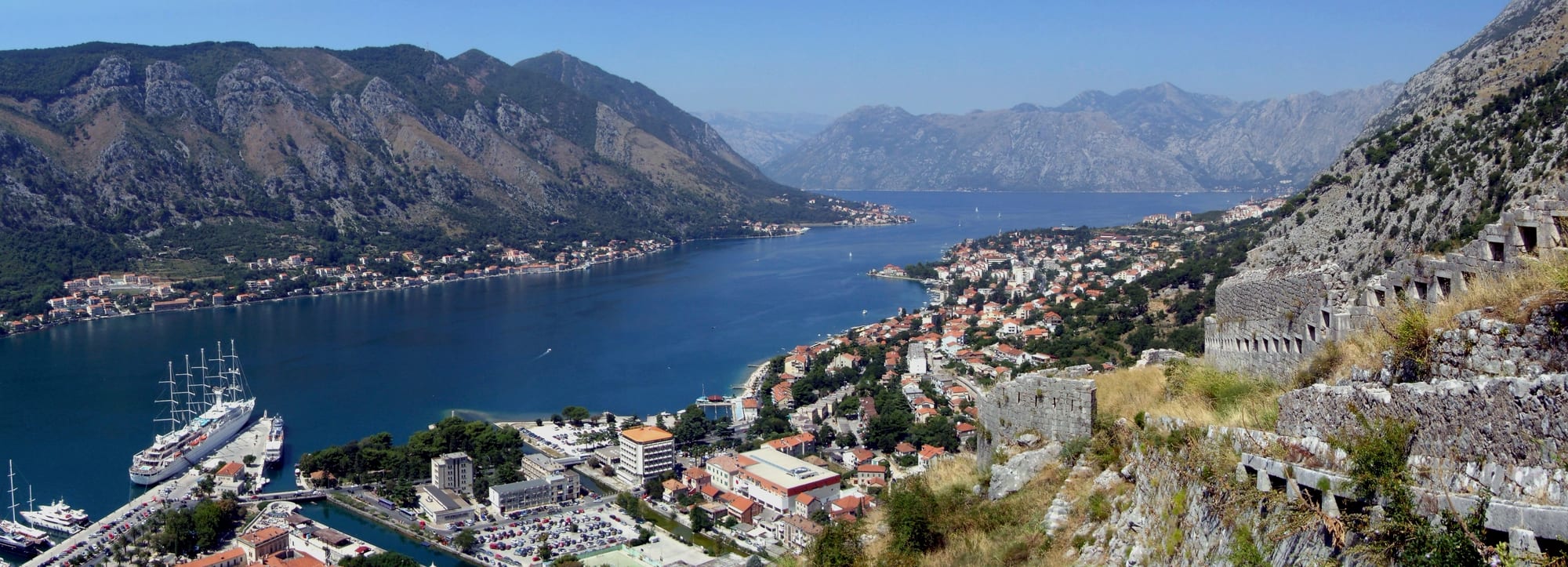
The Bay of Kotor, often called Europe's southernmost fjord (technically a submerged river canyon), is a dramatic bay where near-vertical mountains drop straight into the sea, ringed by a string of small medieval towns. At its innermost point, the walled old town of Kotor climbs partway up the mountainside inside its own fortifications, a UNESCO World Heritage Site combining the town and the natural bay landscape together.
The drive or boat ride around the bay, past village after village, is one of the highlights in itself.
2. Sveti Stefan
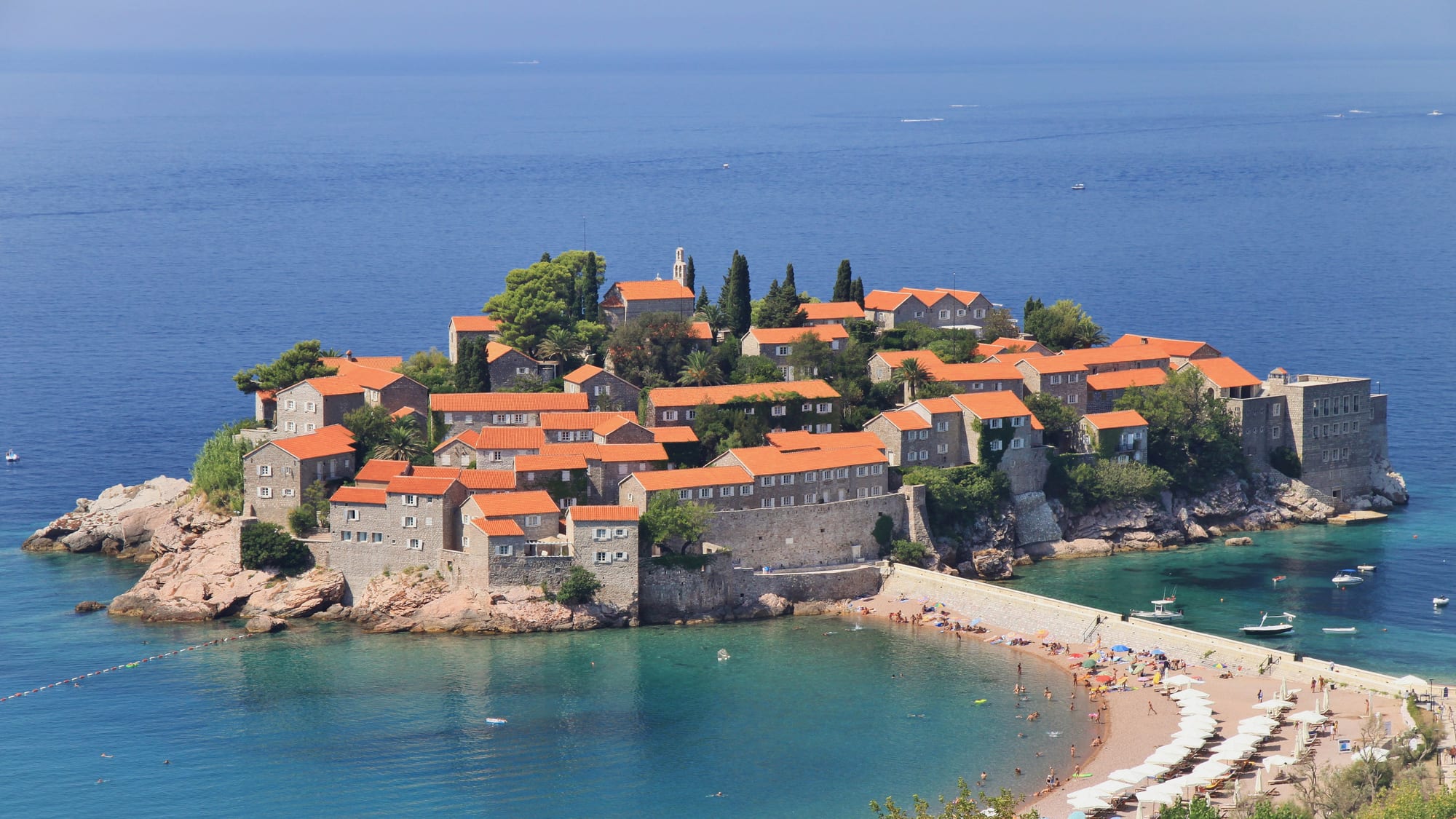
Sveti Stefan, a small fortified fishing island connected to the coast by a narrow sandbar, was a working village until the 1950s, when Yugoslavia's government turned the whole islet into a luxury hotel that went on to host film stars and royalty. It is now a private five-star resort, its stone houses restored as suites, but the classic view from the mainland beach — the island's terracotta roofs against the sea — remains free and is one of Montenegro's most photographed sights.
The public beaches on either side of the causeway give the best vantage points.
3. Perast
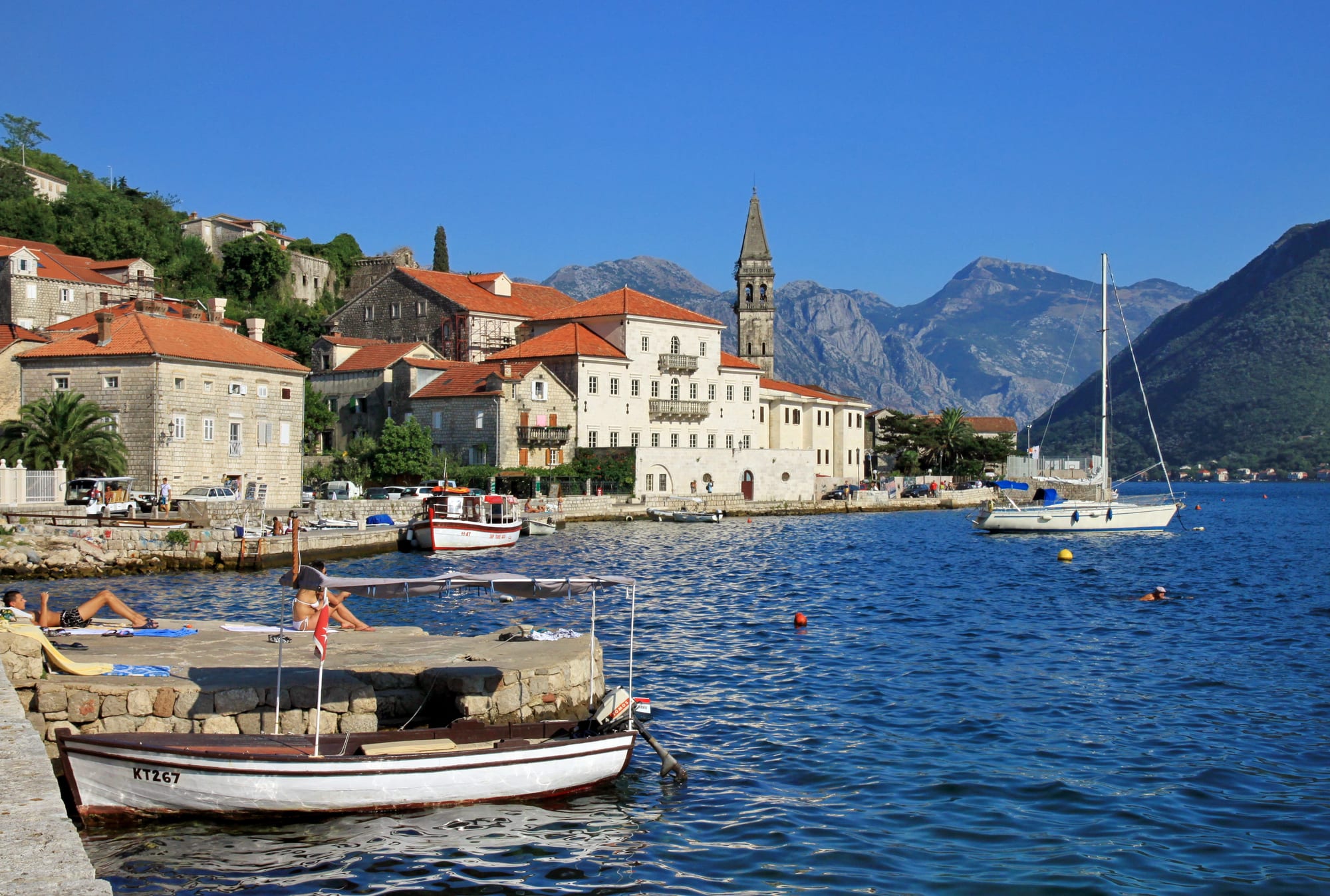
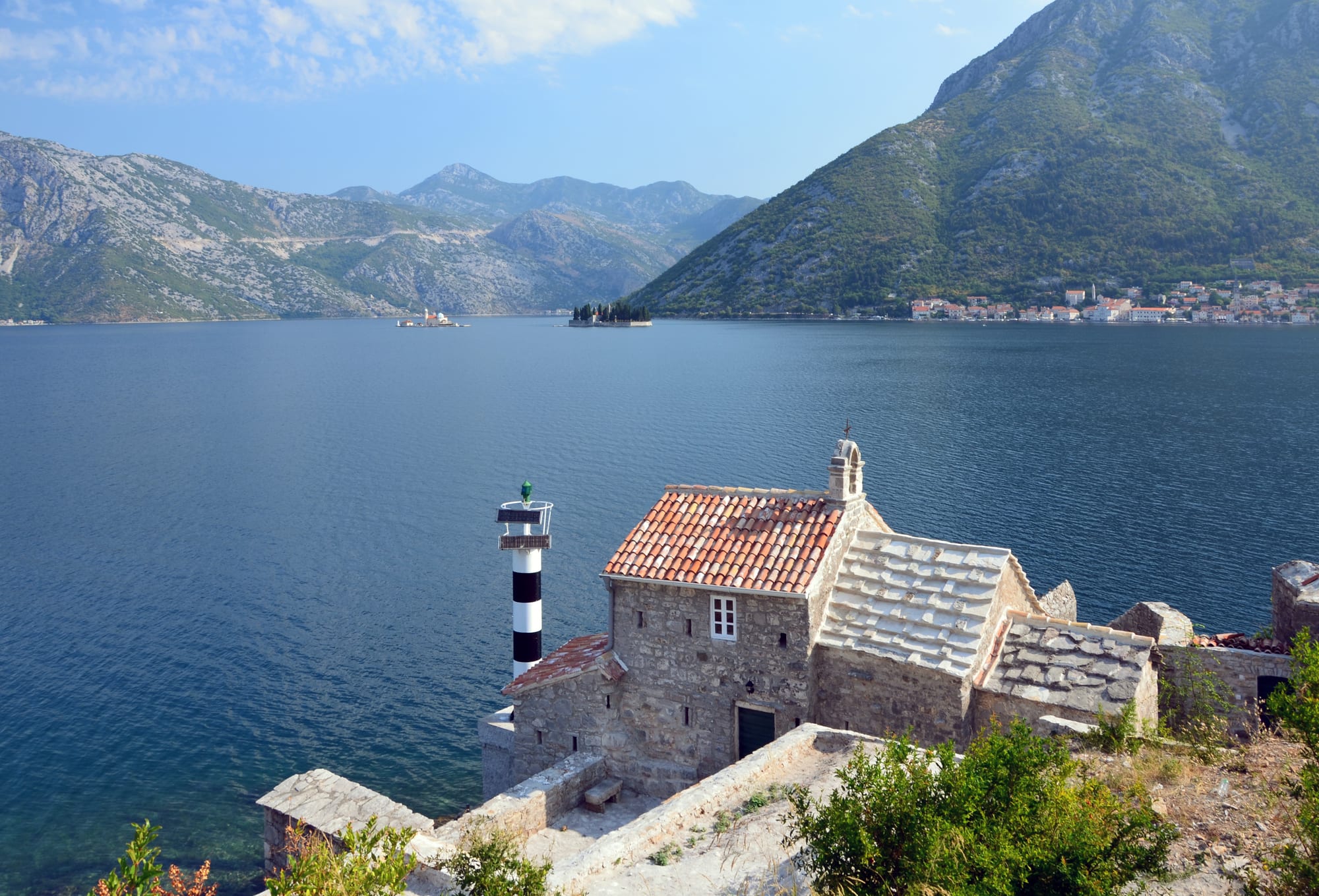
Perast, a small baroque town of Venetian sea-captains' palaces along the bay, is the departure point for boats to Our Lady of the Rocks — a small artificial islet built up, according to legend, from centuries of sailors dropping stones on the spot where an icon was found, now crowned by a church and small museum of votive paintings left by grateful mariners. Perast itself, with 17th- and 18th-century mansions and two bell towers, is one of the best-preserved towns on the bay.
It is a short, scenic drive around the bay from Kotor.
4. Durmitor National Park
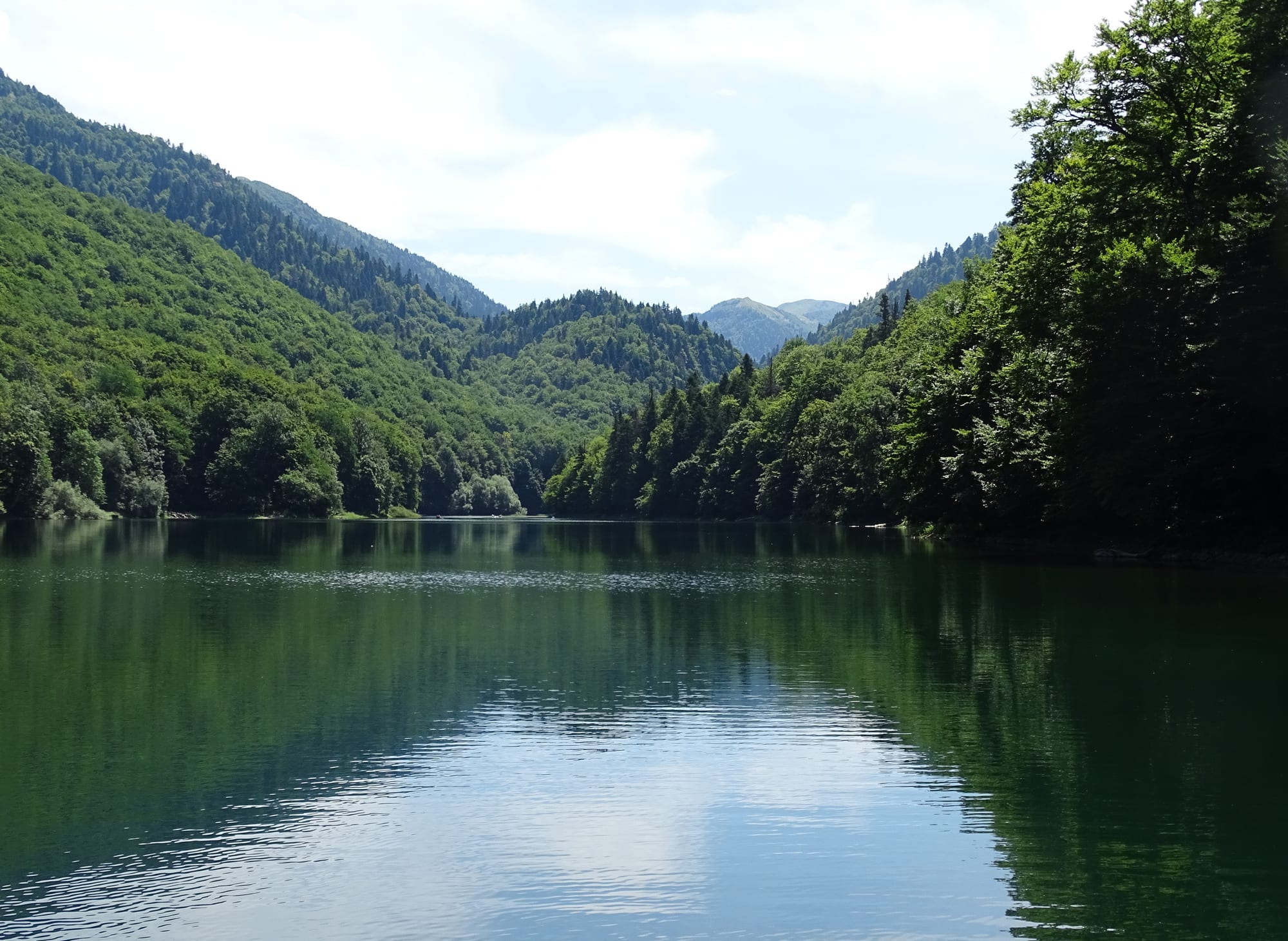
Durmitor, in the north, is Montenegro's premier mountain national park — a UNESCO World Heritage Site of glacial lakes, 2,500-metre limestone peaks, and pine forest around the ski town of Žabljak. The Black Lake, an easy circular walk from town, is the most accessible highlight; longer trails climb into the high massif, and the park offers rafting, canyoning, and, in winter, skiing.
It pairs naturally with the Tara Canyon, which forms the park's northern boundary.
5. The Tara River Canyon
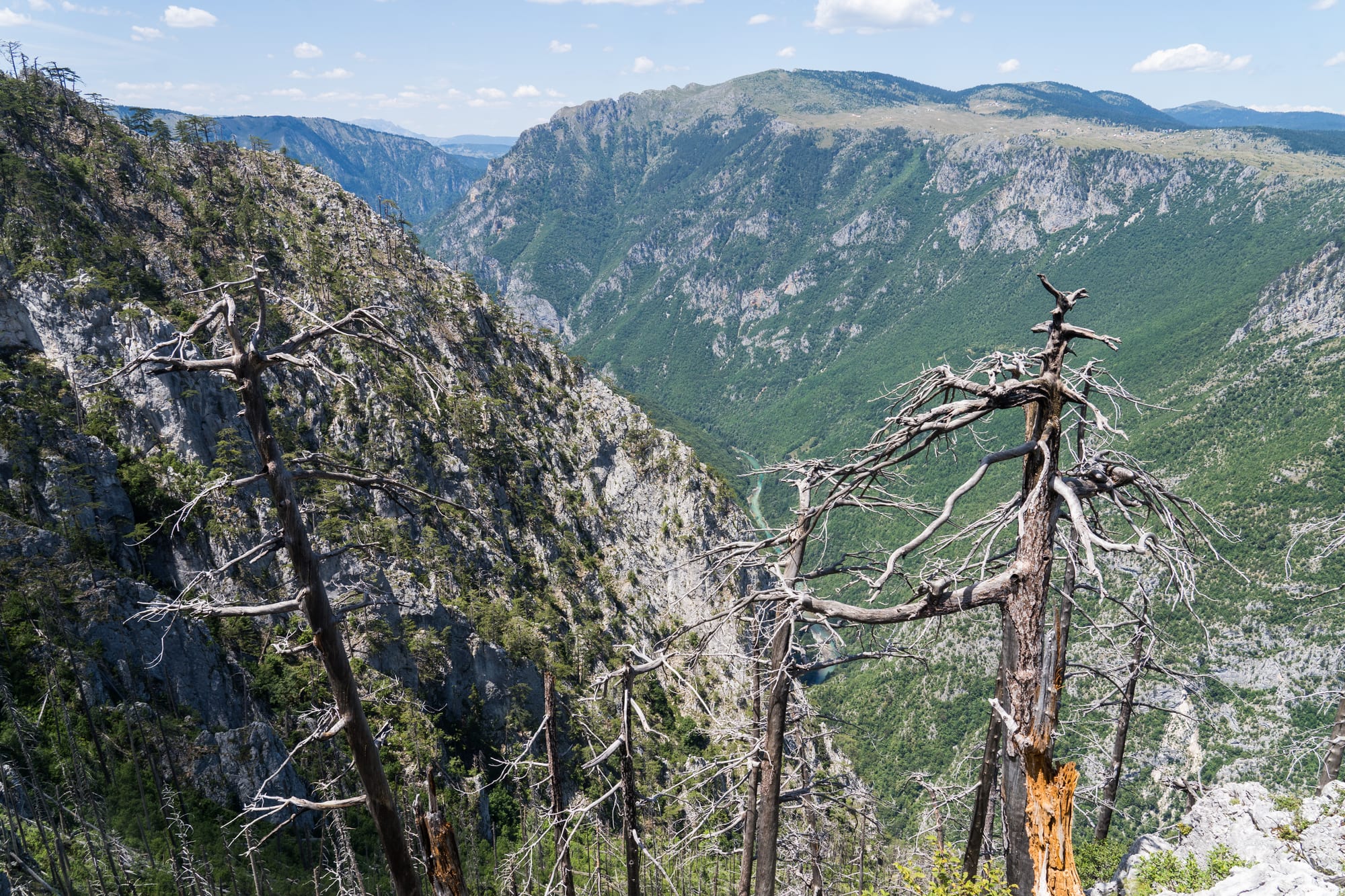
The Tara Canyon plunges up to 1,300 metres deep, making it the deepest canyon in Europe and, by some measures, the second-deepest in the world. Its river, protected for its exceptional water quality, is one of the best whitewater rafting runs in Europe, with multi-day trips running through the gorge; the Đurđevića Tara Bridge, a 1940 arched span 172 metres above the water, is a dramatic viewpoint and, increasingly, a zip-line launch point.
Rafting season runs roughly April to October, depending on water levels.
6. Budva
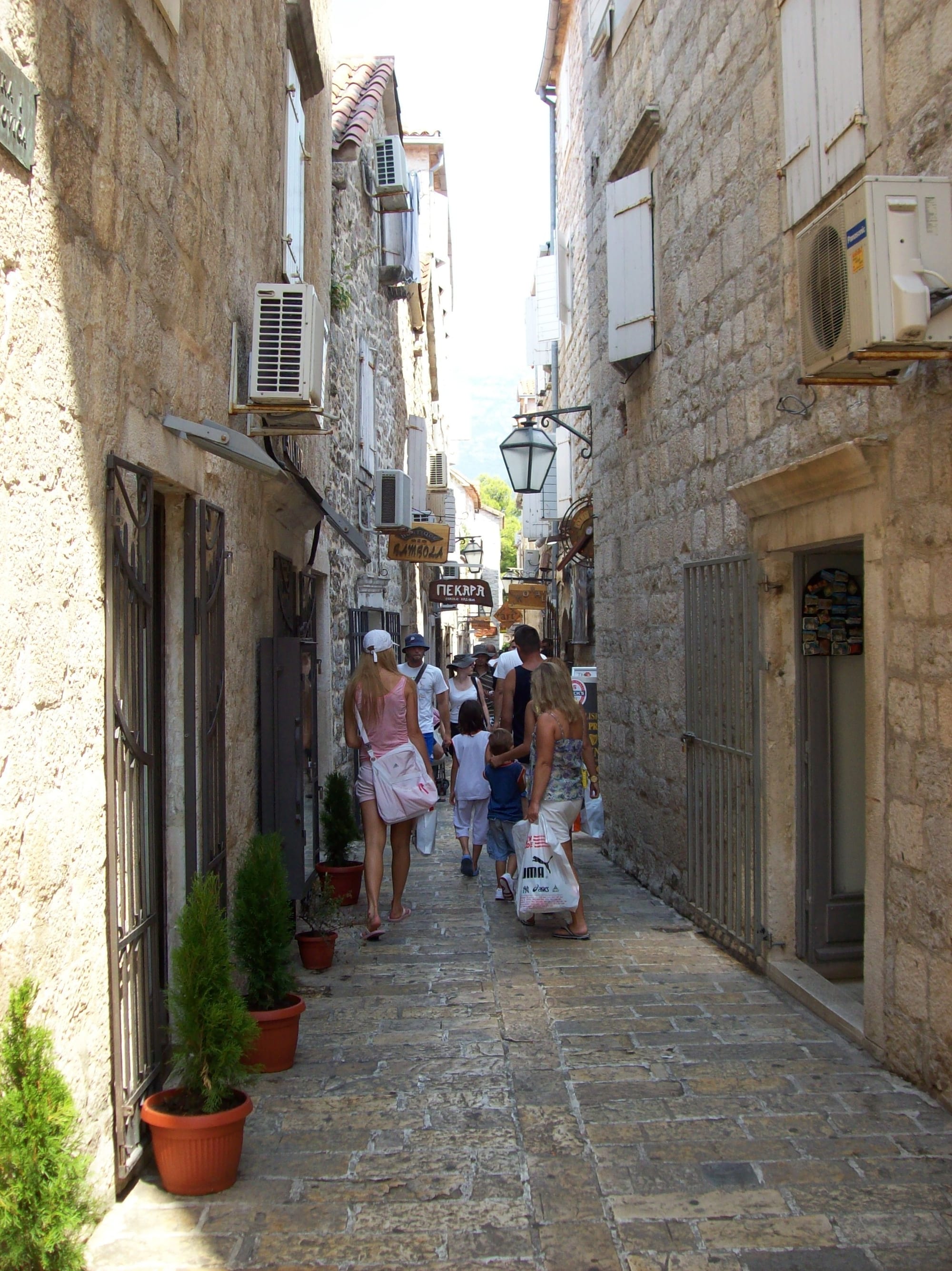
Budva, one of the oldest towns on the Adriatic (with a documented history over 2,500 years), pairs a walled Venetian-era old town of narrow stone lanes and churches with Montenegro's busiest resort strip — a long stretch of beaches, bars, and nightlife that makes it the liveliest base on the coast, especially in summer.
It is the coast's main tourist hub and the jumping-off point for smaller beaches nearby, including Jaz and Mogren.
7. Lovćen National Park
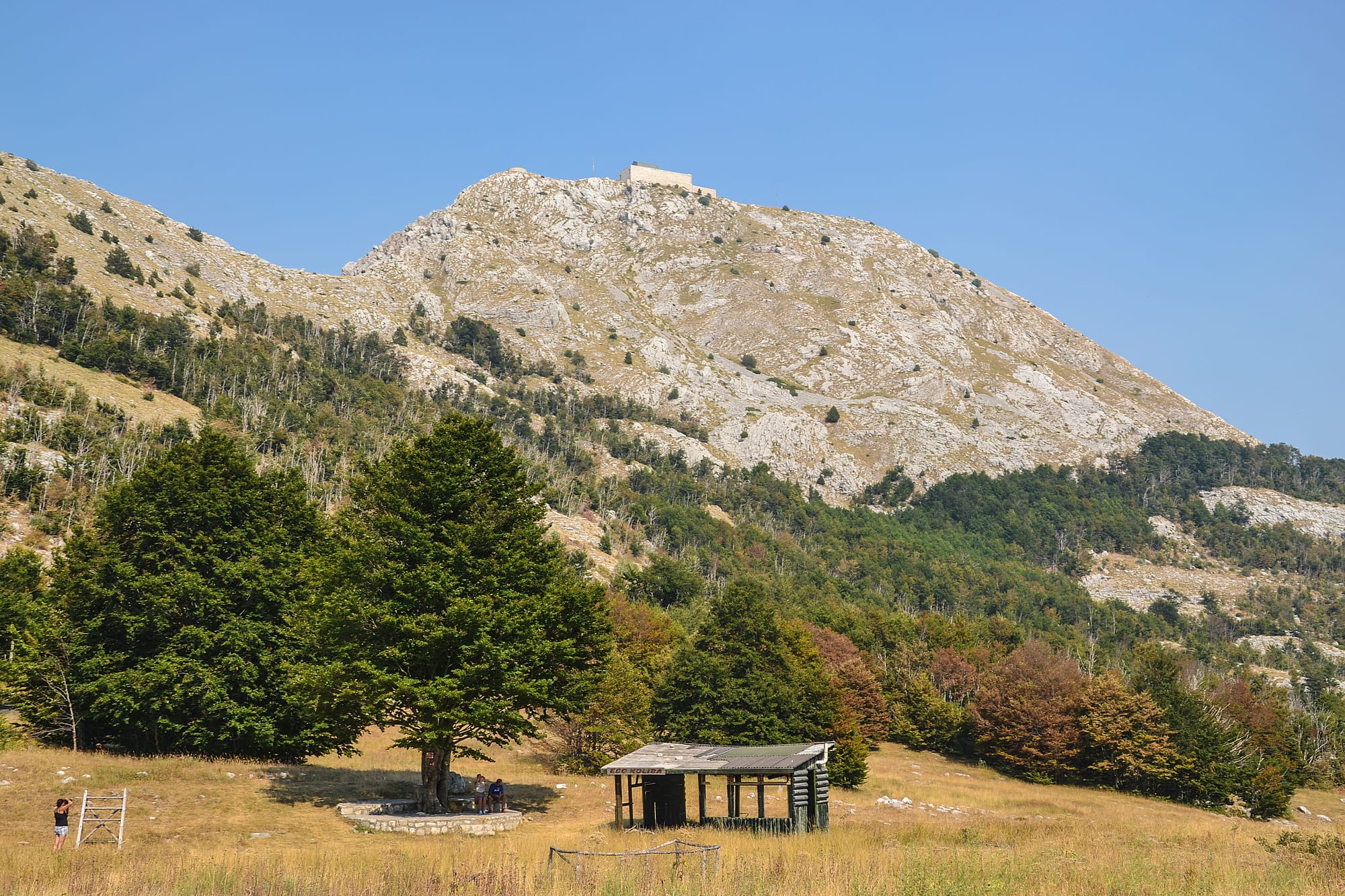
Lovćen, the mountain that gave the whole country its name and long served as a natural fortress protecting the old capital Cetinje, holds the mausoleum of Petar II Petrović-Njegoš — poet, philosopher, and prince-bishop, one of Montenegro's most revered historical figures — on its second-highest peak, reached by 461 steps through a tunnel in the rock. The summit gives a panoramic view stretching from the mountains to the Adriatic coast on a clear day.
The old royal capital, Cetinje, with its modest former palaces and museums, sits at the mountain's foot.
Montenegro's small size makes a base on the Bay of Kotor practical for most of the coast: a week lets you combine Kotor, Perast, Sveti Stefan, and Budva with a couple of days inland at Durmitor and the Tara Canyon.