Food · Moldova
Moldova: Food and the National Dish
A firm cornmeal porridge eaten with cheese and cream, from a small country that keeps some of the largest wine cellars in the world underground
By Worldlore Editorial · 16 September 2026
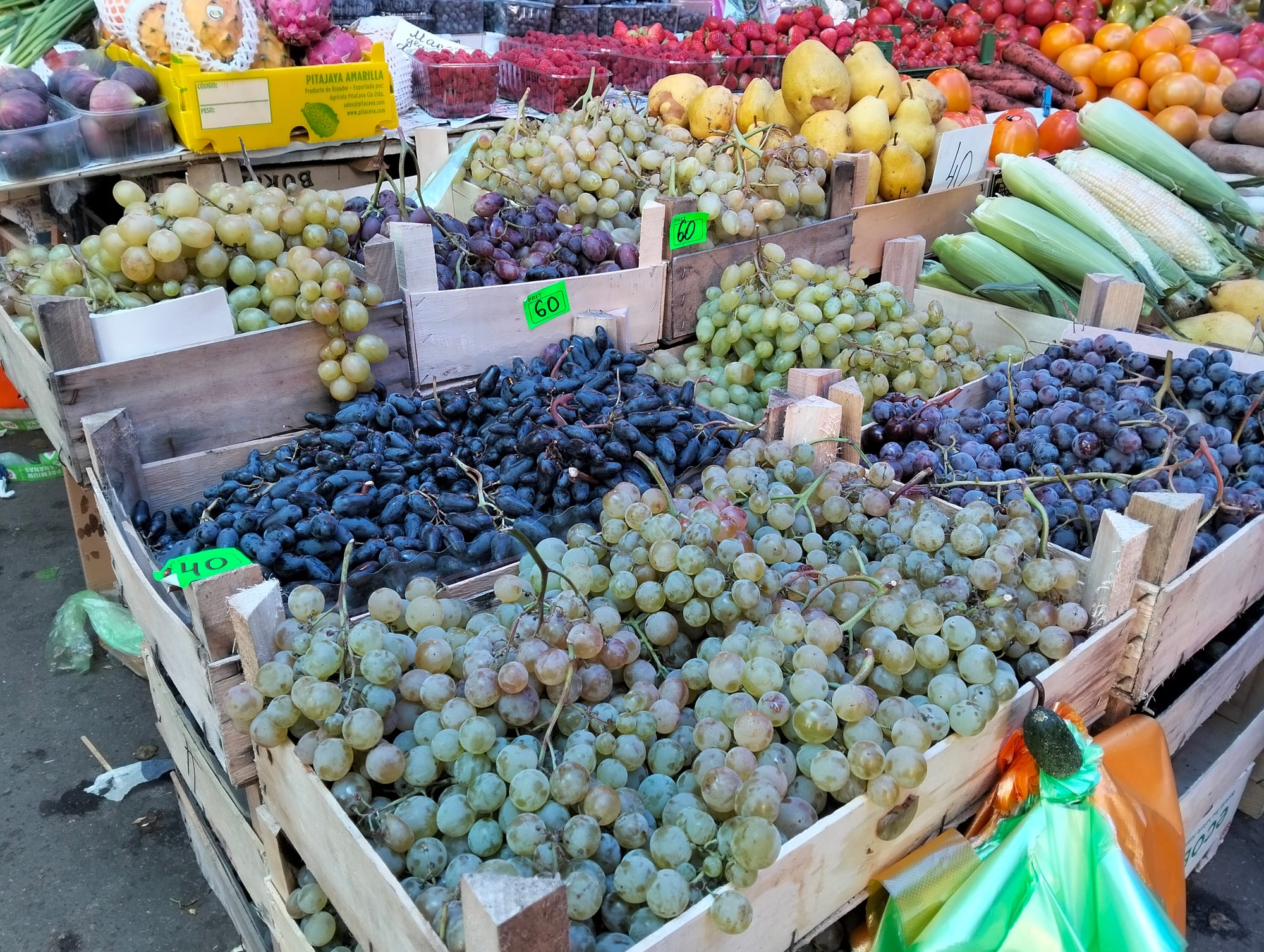
A small country with a very large wine industry
Moldova's food culture reflects a farming economy built on corn, dairy and, above all, grapes: the country is home to some of the largest wine cellars in the world, carved into old limestone mines and stretching for many kilometres underground. That wine tradition runs alongside plain, filling farmhouse cooking shared closely with neighbouring Romania.
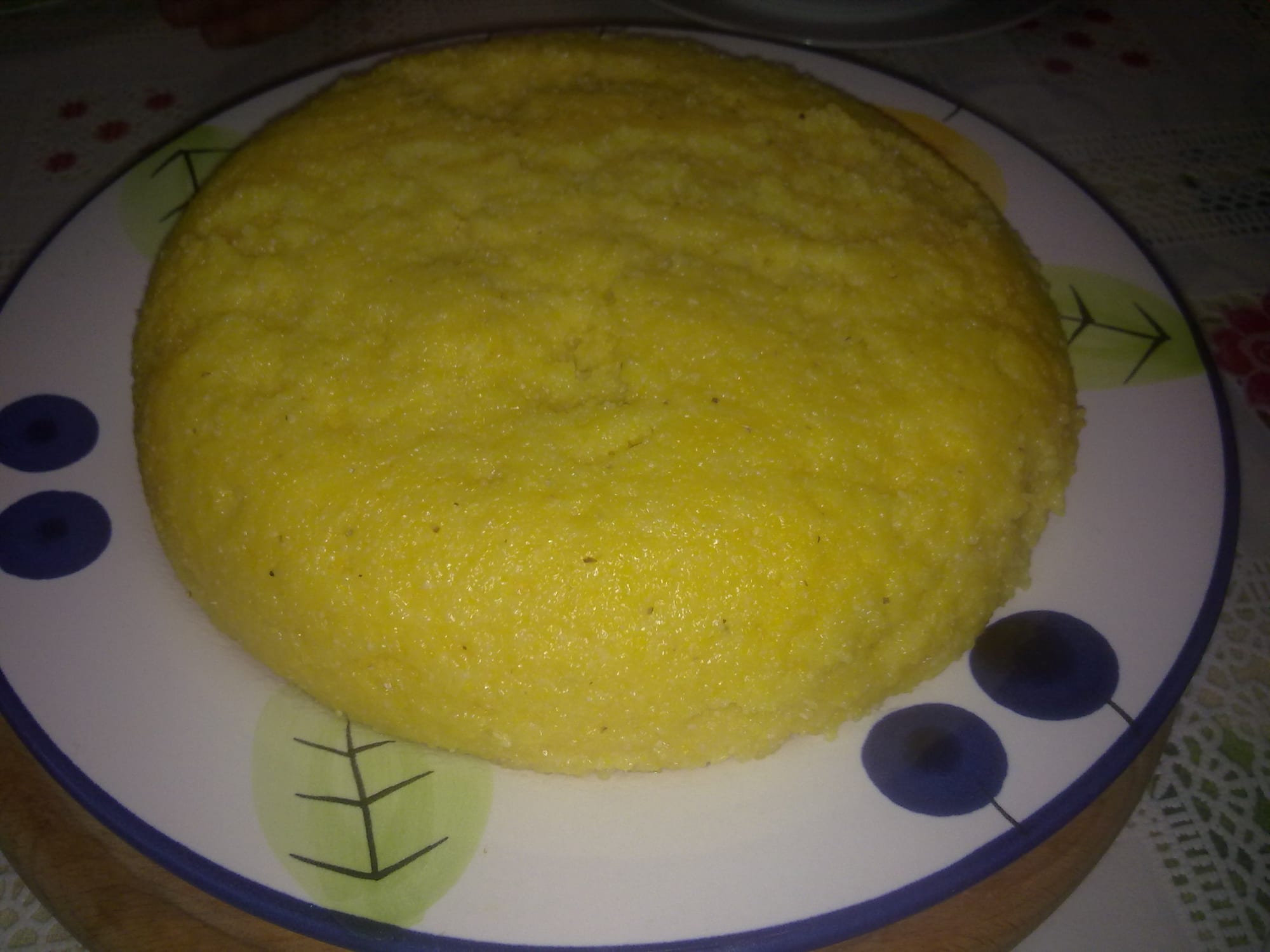
The national dish: mămăligă
Mămăligă, a firm porridge made from cornmeal, similar to Italian polenta, is Moldova's national dish, traditionally served alongside cheese, sour cream, and a meat or vegetable stew. Simple and inexpensive to make, mămăligă has served as an everyday staple for generations of Moldovan households, valued for its versatility as much as its taste.
Corn, dairy and the Moldovan pantry
Corn, in the form of mămăligă, sits alongside dairy, particularly brânză, a salty sheep's milk cheese, and pork as the backbone of everyday Moldovan cooking. Fresh vegetables, particularly tomatoes and peppers, and a strong pickling tradition round out the pantry, reflecting a farming culture built to last through cold winters.
History behind the wine cellars
Moldova's wine industry traces back centuries, favoured by the region's fertile soil and climate, and grew into a major Soviet-era export industry during the 20th century. Cricova and Mileștii Mici, two of Moldova's largest wine cellar complexes, were converted from old limestone quarries and now stretch for many kilometres underground, among the largest wine storage facilities anywhere in the world.
Dishes to know
Five more to recognise across Moldova:
- Tochitură — a rich stew of pork and sometimes other meats, served
with mămăligă, cheese and a fried egg.
- Plăcintă — stuffed pastries, filled with cheese, potato, cabbage or
fruit depending on the version.
- Sarmale — cabbage or grape leaves stuffed with rice and meat, shared
with Romania and the wider Balkans.
- Zeamă — a sour chicken soup, often considered a Moldovan comfort
food.
- Brânză — a salty sheep's milk cheese, eaten on its own or alongside
mămăligă.
Drinks
Wine is central to Moldovan culture and hospitality, produced across the country's fertile wine regions and stored in some of the world's largest underground cellars. Divin, a Moldovan brandy similar to Cognac, and homemade fruit spirits round out the country's drinking traditions.
Eating as a traveller
Vegetarians will find mămăligă, cheese and vegetable dishes manageable, though pork appears in many traditional recipes. Tap water is generally safe in Chișinău, though bottled water remains a common local preference. Touring one of Moldova's underground wine cellars, with tastings included, is a genuinely distinctive way to experience the country's food and drink culture together.
What to take from the table
Mămăligă, plain and dependable, is the dish that anchors everyday Moldovan cooking — but a glass of wine drawn from kilometres of underground cellar is what the country is proudest to share with visitors.