Attractions & Natural Wonders · Moldova
Moldova: Seven Attractions and Natural Wonders
A cave monastery carved into a river cliff, the world's largest wine cellar with its own underground streets, and a Soviet-nostalgic breakaway republic still flying the hammer and sickle
By Worldlore Editorial · 10 September 2026
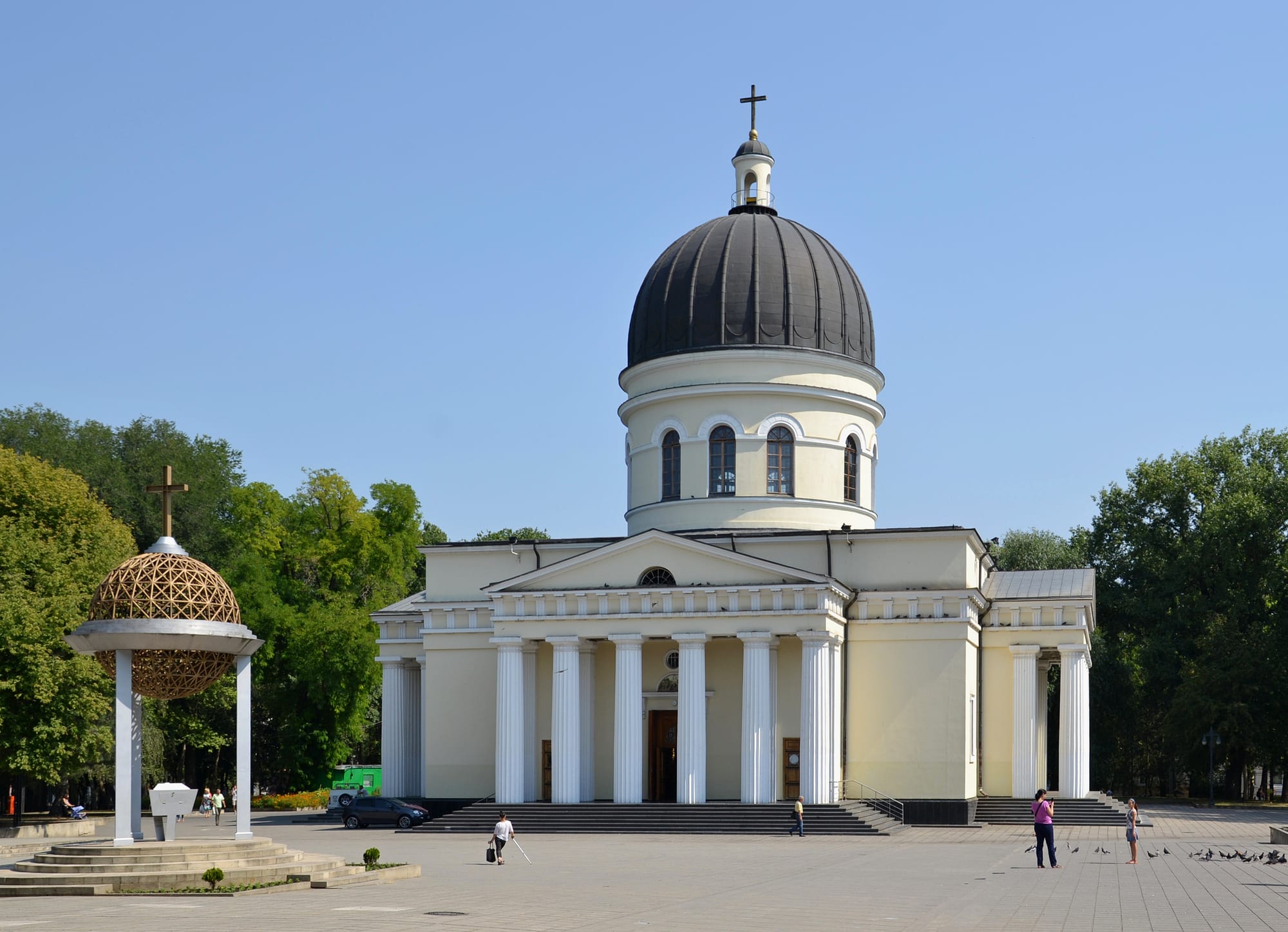
Europe's least-visited country, and its biggest wine cellar
Moldova, wedged between Romania and Ukraine, is one of Europe's smallest and least-visited countries — about 2.5 million people, a Romanian-speaking majority, and a landscape of rolling farmland and vineyards that has made wine central to its identity and economy for centuries. It also contains Transnistria, a Russian-backed breakaway strip along the Ukrainian border that has functioned as a self-declared, internationally unrecognised state since 1990.
The seven below run from the capital to the wine country and river towns, with Transnistria as a separate excursion. Late spring through autumn suits both sightseeing and the wine harvest; the wine cellars are a year-round, constant- temperature destination.
1. Chișinău
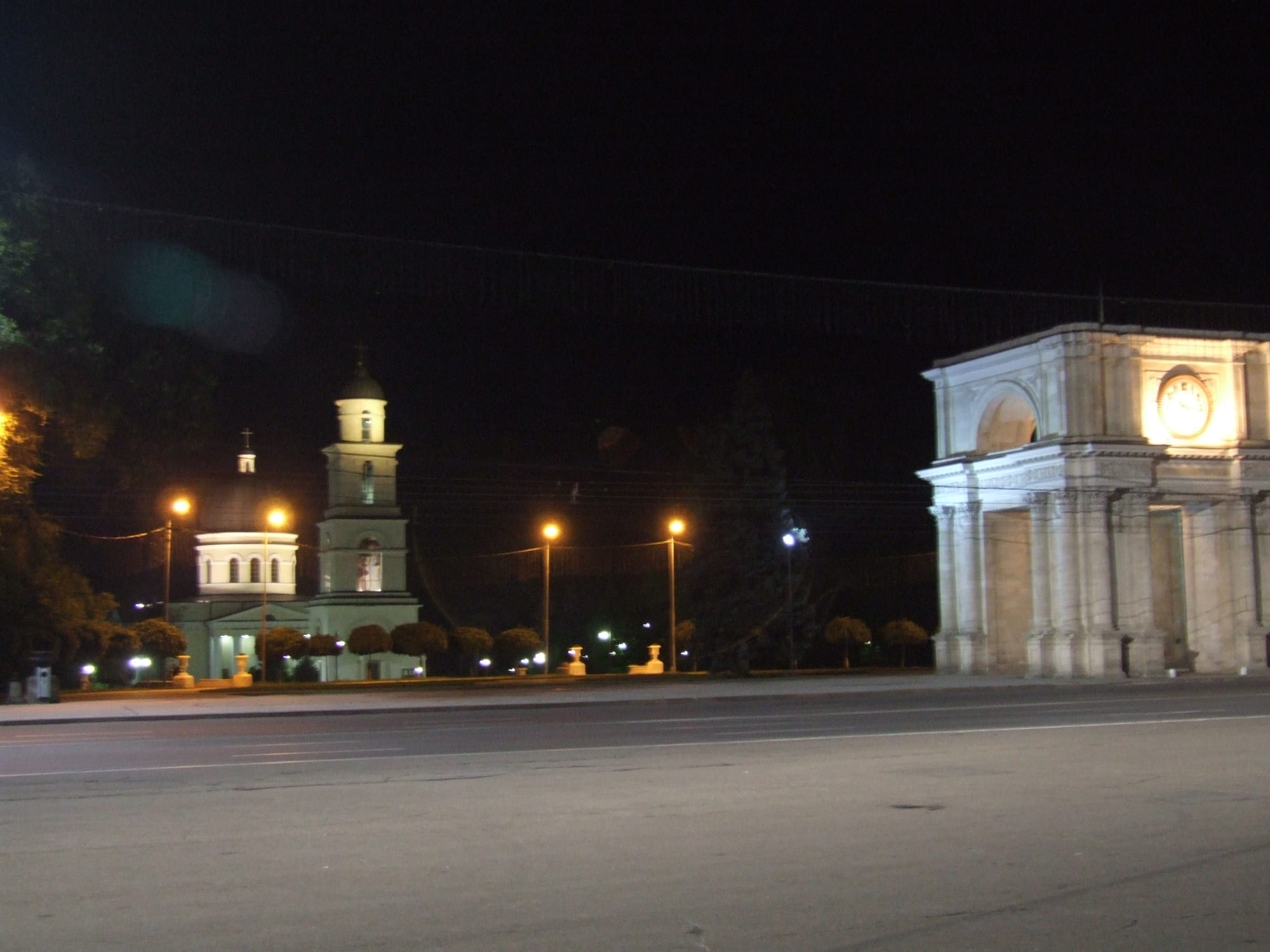
Chișinău, the capital, is a green, low-rise, unhurried city — rebuilt largely in Soviet style after wartime destruction, with the 19th-century Nativity Cathedral and its Triumphal Arch, a lively central market, and a growing café and wine-bar scene. The National Museum of History and the Pushkin Museum (the poet was exiled here) cover the country's layered past.
It is compact enough to see on foot in a day or two, and the natural base for day trips to the wine country.
2. Orheiul Vechi
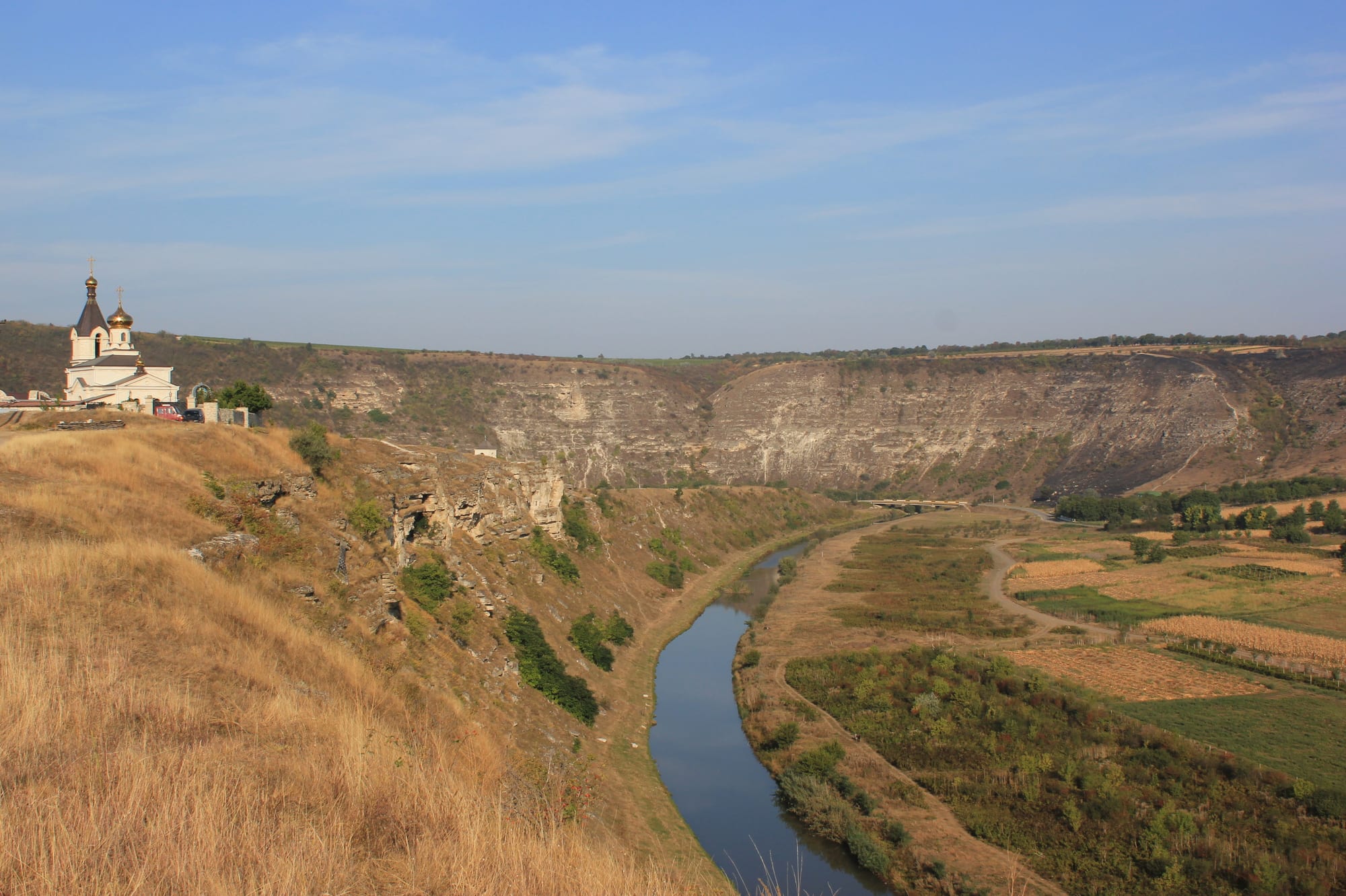
Orheiul Vechi ("Old Orhei"), an hour from Chișinău, is Moldova's most striking landscape — a dramatic bend of the Răut river beneath limestone cliffs riddled with caves, some hollowed into monastic cells and a church still used by monks today, alongside the archaeological remains of settlements going back to the Palaeolithic and a medieval Golden Horde town. Trails link the cave monastery, a small surviving village, and clifftop viewpoints.
It is Moldova's single best day trip from the capital.
3. Mileștii Mici
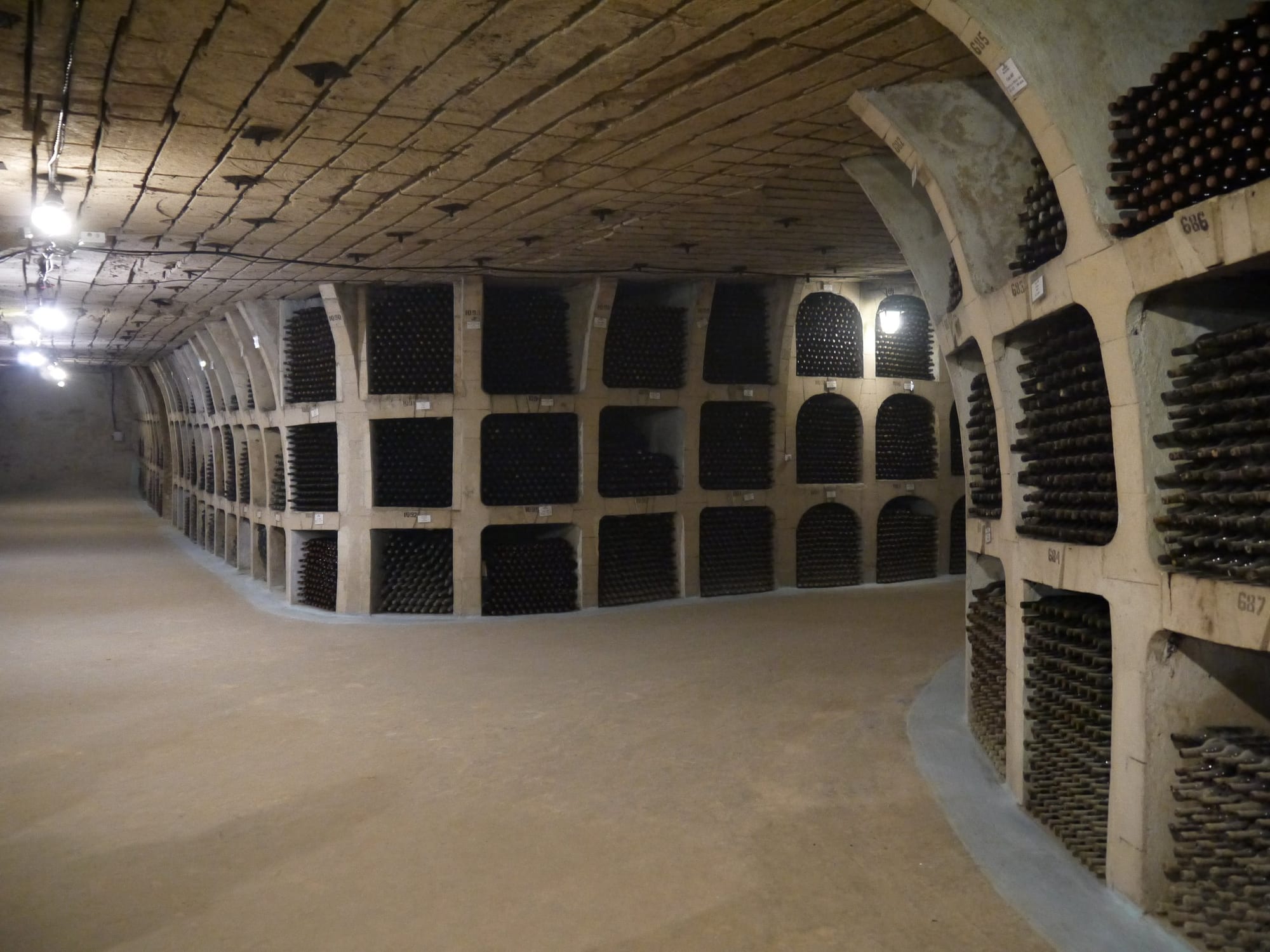
Mileștii Mici, south of Chișinău, holds a Guinness World Record for the largest wine collection on earth — around 1.5 million bottles stored in some 200 kilometres of former limestone-mine tunnels, so extensive that visitors tour part of it by golf cart, following named "streets" kept at a constant cool temperature. Cricova, a similar underground cellar complex closer to the capital, is Moldova's other major wine-tourism site, both offering tastings at the end of the tour.
Book ahead; both operate on a tour-group schedule rather than free wandering.
4. Soroca Fortress
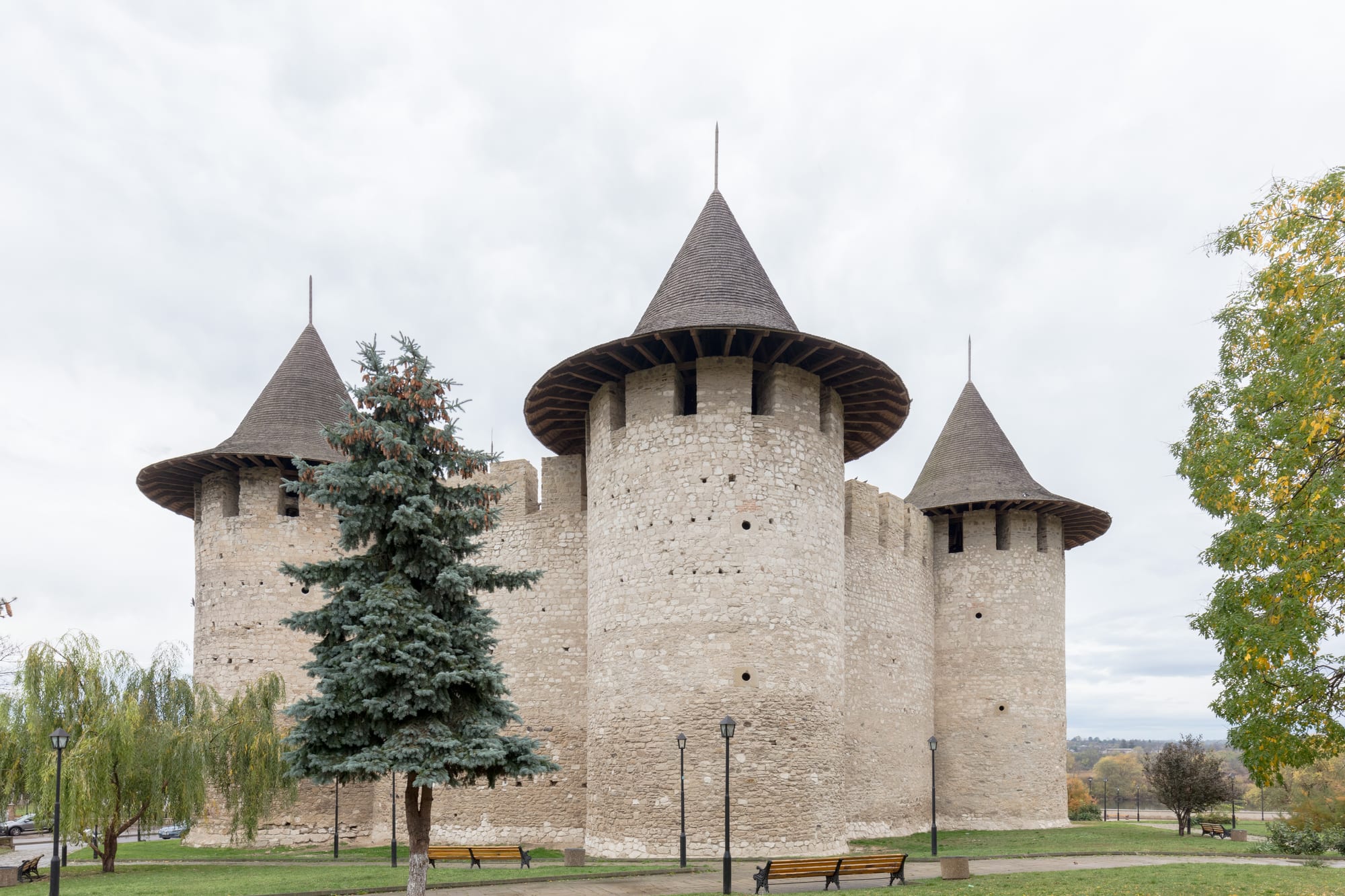
Soroca, in the north on the Dniester river bordering Ukraine, has one of Moldova's best-preserved medieval fortresses — a circular stone stronghold built under Stephen the Great in the late 15th century to defend against Ottoman raids. The town is also known, more controversially, for the ornate, elaborately decorated "Gypsy Hill" mansions built by wealthy local Roma families, themselves a striking and unusual sight.
5. Bender (Tighina) Fortress
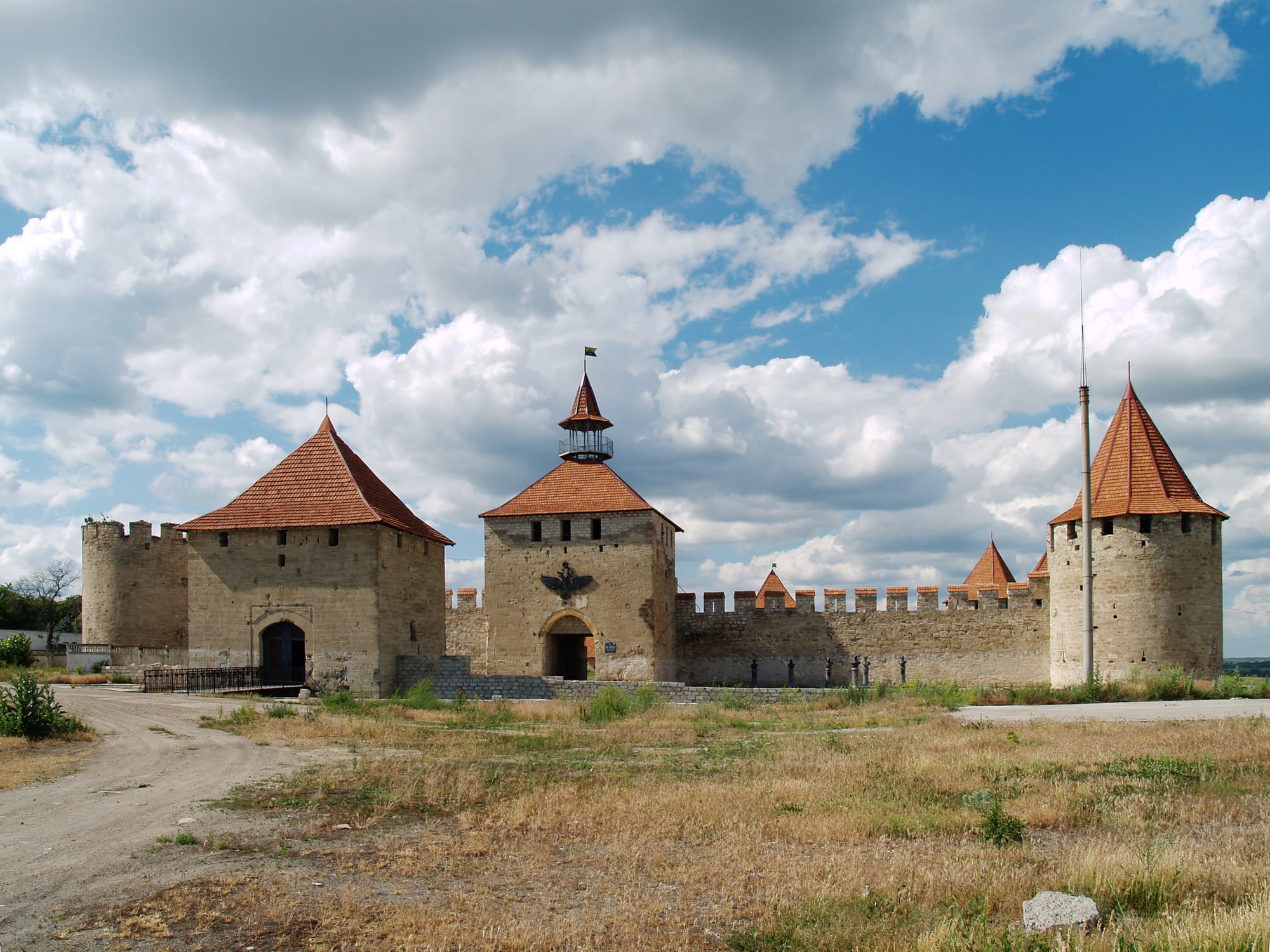
Bender Fortress, one of the best-preserved Ottoman fortifications in Eastern Europe, sits on the Dniester in the town of Bender (Tighina) — technically part of Moldova but under de facto Transnistrian control, a reminder of how recent and unresolved the region's frozen conflict remains. The fortress itself, recently restored, gives a striking sense of the river-frontier military architecture that shaped the whole Dniester valley.
Visiting means crossing into Transnistrian-controlled territory; see the note below.
6. Transnistria and Tiraspol
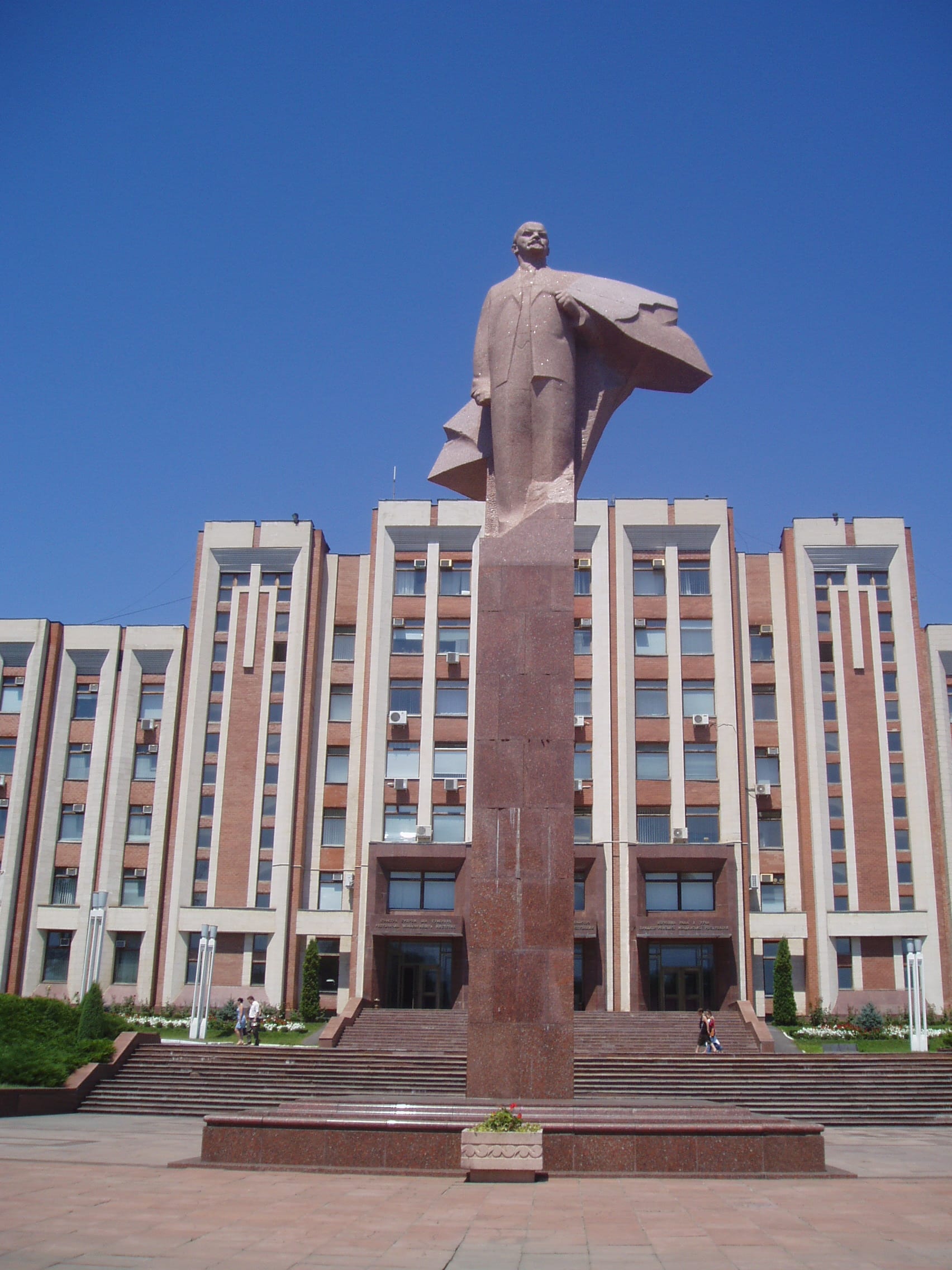
Transnistria, a narrow strip along the Ukrainian border, broke away from Moldova in a 1990–92 conflict and has functioned since as a self-declared, Russian- backed state recognised by no UN member — complete with its own currency, passports, hammer-and-sickle flag, and a Soviet-preserved capital, Tiraspol, where a Lenin statue still stands outside the parliament. For travellers, it is an unusual, time-capsule day trip; entry requires registering at the border and carrying valid ID at all times.
Check current conditions before visiting, given the region's proximity to the war in neighbouring Ukraine.
7. The wine country
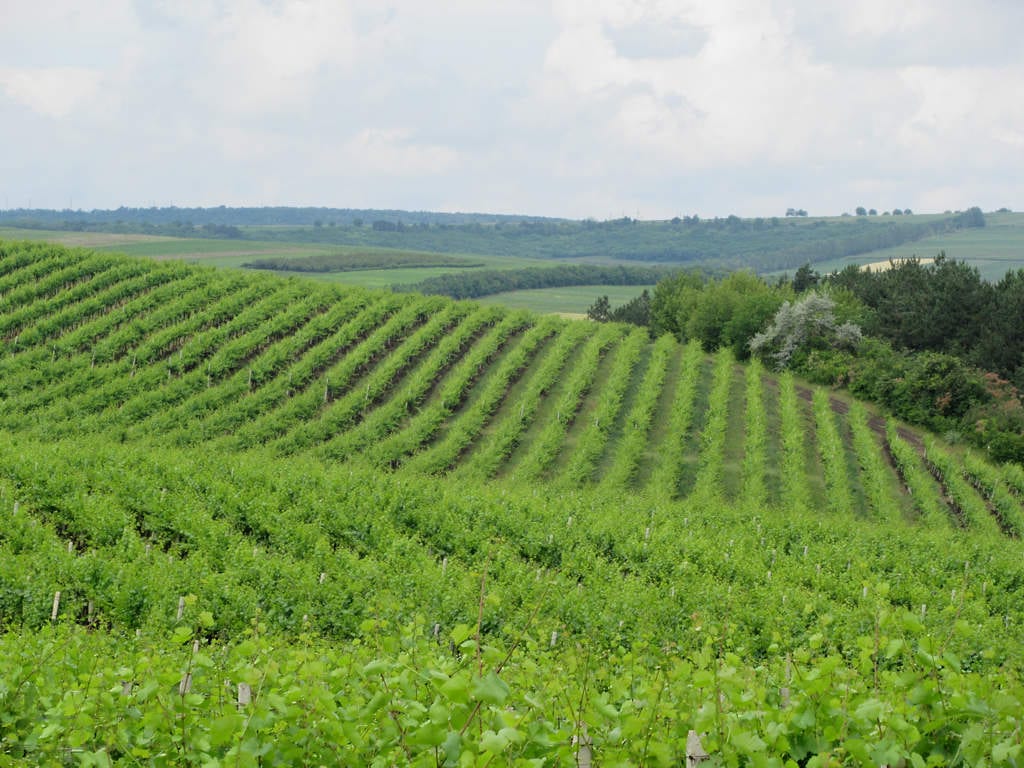
Beyond the two big cellar complexes, Moldova's rural wine country — Purcari in the southeast, Cricova's above-ground village, and family-run vineyards across the Codru hills — reflects a winemaking tradition often dated back over 3,000 years, among the oldest in the world. Rolling vine-covered hills, small monasteries, and village wineries make for an easy self-driven day among the country's low, green countryside.
The National Wine Day festival, held each October, is the best time to sample widely in one place.
A note on Transnistria
Transnistria is a separate practical consideration from the rest of Moldova. Entry is via a checkpoint where visitors register their stay (typically for the day); the region uses its own currency (bring cash), and mobile coverage and card payments can be unreliable. It has generally been calm for visitors, but given its location on Ukraine's border and Russian troop presence, checking current government travel advice before going is worthwhile.
Moldova overall is a compact, inexpensive, and still very lightly touristed country — a week comfortably covers Chișinău, Orheiul Vechi, the wine cellars, and a Transnistria day trip.