Culture & Customs · Moldova
Moldova: A Gift That Cannot Be Refused
An Orthodox calendar kept at home and at the graveside, a red-and-white thread for the first day of spring, and a hospitality so insistent that a guest's glass is rarely allowed to stand empty
By Worldlore Editorial · 30 September 2026
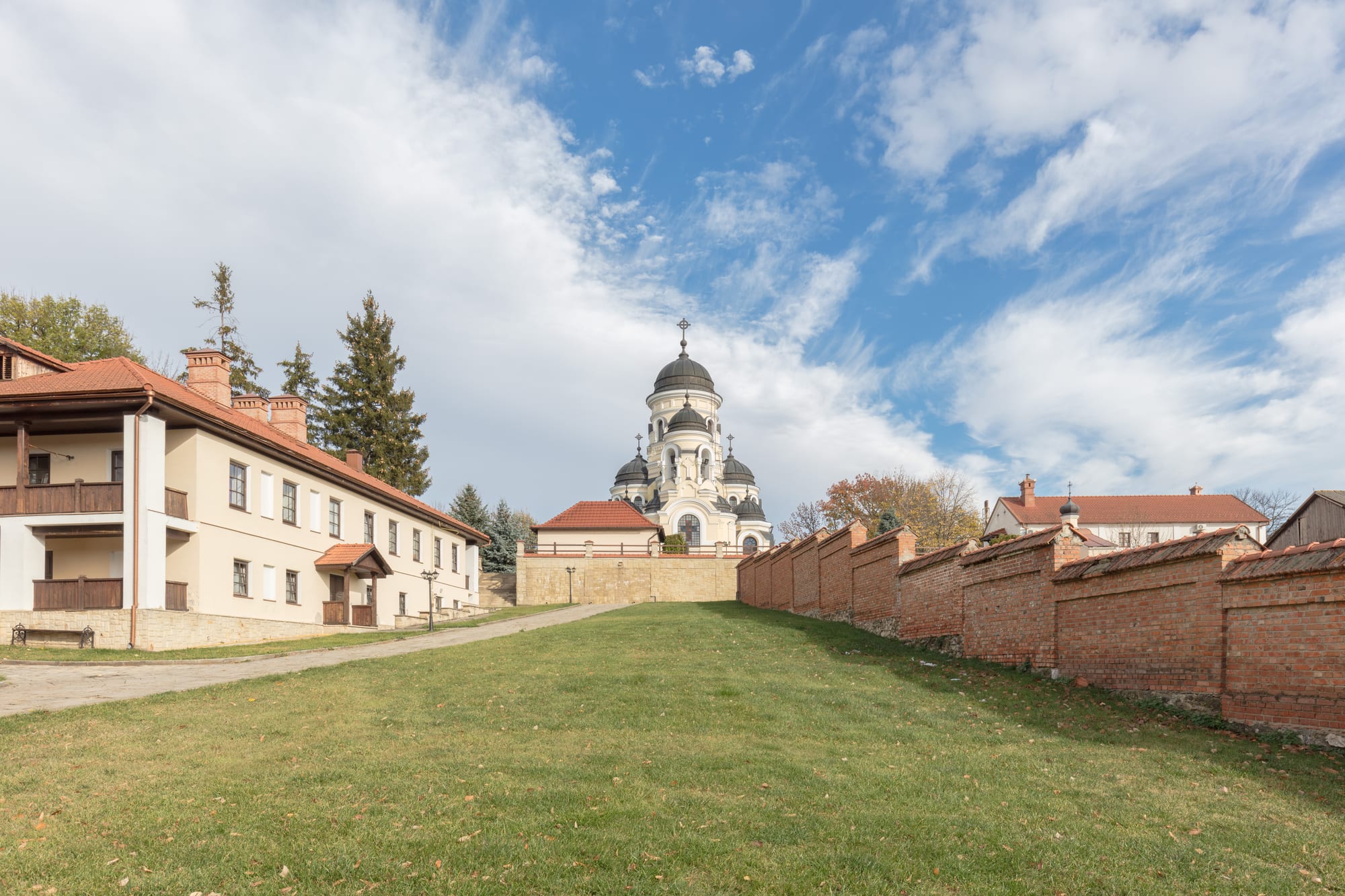
A guest at a Moldovan table has barely set down their glass before it is filled again. There is bread, homemade wine poured from a jug, dish after dish, and a host who watches the plates more closely than their own. When the visit ends there may be something pressed into the guest's hands to take home, and saying no is not really an option. Moldovan hospitality has a warmth that can feel almost relentless, and it runs on the same instinct that fills the cemeteries with families and food a week after Easter: that people are bound to one another by what they give, and that the giving matters as much as the gift.
Faith, identity and values
Orthodox Christianity is the backbone of Moldovan life. In the 2024 census, about 95 per cent of the population described themselves as Orthodox, with Baptists, Pentecostals, Jehovah's Witnesses and others making up small minorities. The Orthodox faithful are divided between two churches, one linked to the Russian Orthodox Church and one to the Romanian Orthodox Church, a split that echoes wider questions about the country's place between east and west. Most towns and villages have at least one Orthodox church, and religion is an important part of life for many, though not all, Moldovans.
Identity is layered. The majority speaks the state language, recorded in the census under both its names, Moldovan and Romanian, which together account for about four in five people's mother tongue. Russian is widely spoken too, and there are Ukrainian, Russian, Bulgarian and Gagauz communities, the Gagauz being mostly Orthodox Christians whose language is Turkic. East of the Dniester lies Transnistria, a breakaway region outside the control of the government in Chișinău.
The faith is lived above all through the calendar and through the remembrance of the dead. Honouring deceased parents, spouses and children is a duty that runs for years after a death, and the church gives these commemorations priority: priests will pray for the dead before a date falls due, but not afterwards. Behind this sits a strong sense of reciprocity. The gifts given in memory of the dead, known as pomană, carry an obligation for the person who receives them to remember the one who gave them, and the same logic of giving and remembering runs through much of social life.
Family obligations are strong, and there is considerable social pressure to marry and have children. Appearances matter, too. Moldovans tend to dress neatly and with care, and to speak more quietly in public than many visitors are used to.
Greetings and meeting people
A firm handshake is the usual greeting between men in most situations. Women who know each other often greet with a hug and a kiss on the cheek, and the same hug and kiss is common between men and women at parties and among friends. In more formal or professional settings, a handshake between men and women is normal, and older men may still greet a woman by kissing her hand, a traditional courtesy that visiting women may meet.
The everyday greetings are "bună ziua", good day, and "bună seara", good evening. A little Romanian goes a long way, although Russian is widely understood, especially in the capital, the north and the regions where it is the main language of daily life. Public behaviour is generally more reserved than many visitors expect: voices are kept down on buses and in the street, and in villages some behaviour considered unremarkable elsewhere, such as women smoking in public, is less common.
Questions that visitors might consider personal, particularly about marriage and children, are asked freely and without any intent to offend. They are best taken as interest rather than intrusion.
Hospitality and being a guest
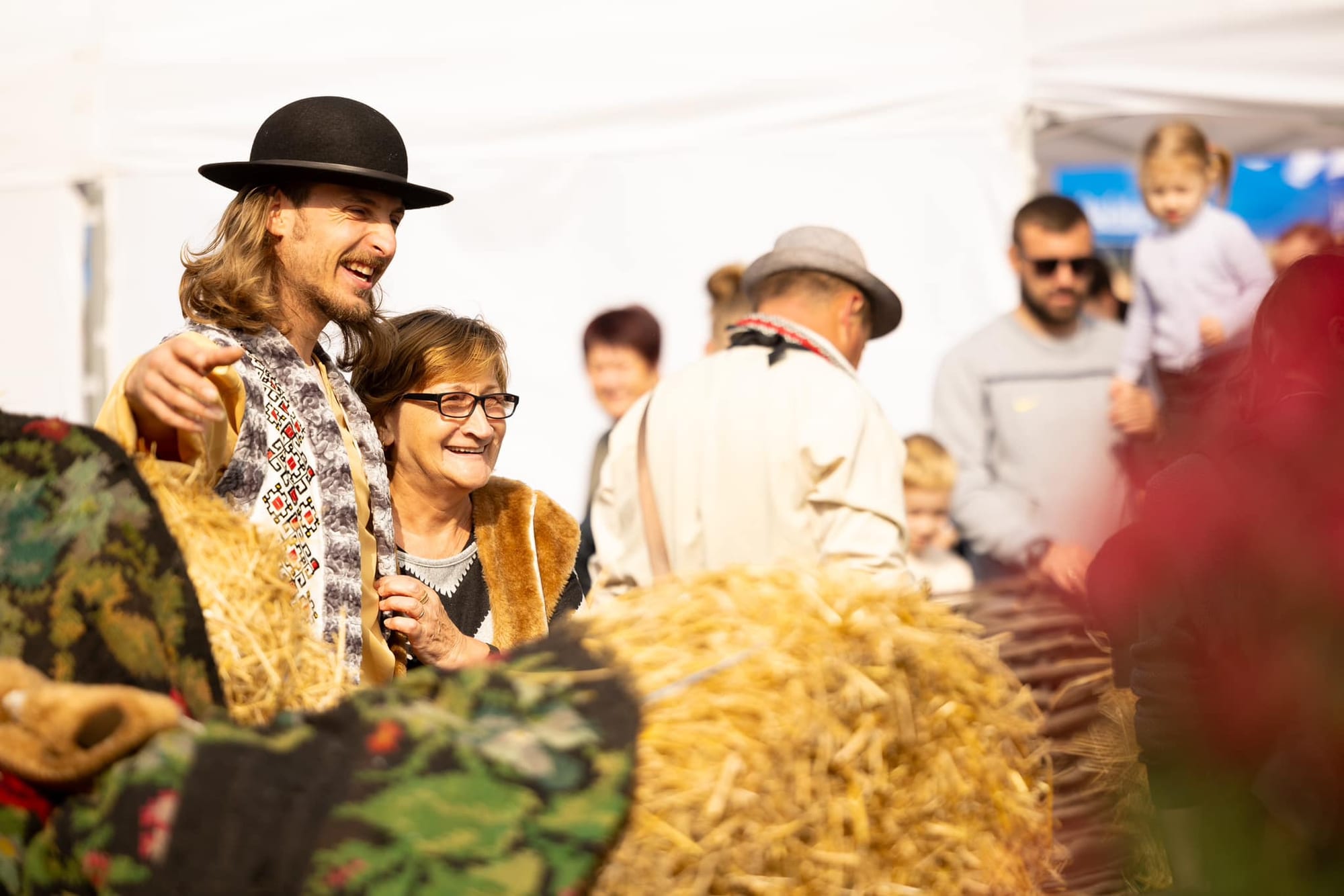
Moldovans love to cook, and they love their guests to eat a great deal. An invitation to a home is an invitation to a long meal, and a guest who eats sparingly will be urged to have more. Many families make their own wine and spirits and are proud to have guests try them, and good hosts make sure a glass is never empty for long. Toasts are frequent, usually with the word "noroc", meaning luck, and glasses are touched before drinking.
The pressure to keep drinking can be considerable, and it is perfectly acceptable to decline, politely but firmly, once one has had enough. Hosts are generous in part because being a good host is a point of pride, and a guest's appetite is taken as a compliment to the household.
Gifts, in Moldova, can be difficult to turn down for a reason that has little to do with politeness. The word pomană refers, in its strictest sense, to the items given in memory of the dead, and such gifts must not be refused. Hosts sometimes use the word for an ordinary present precisely to forestall a guest's attempt to decline it.
Festivals and life's big moments
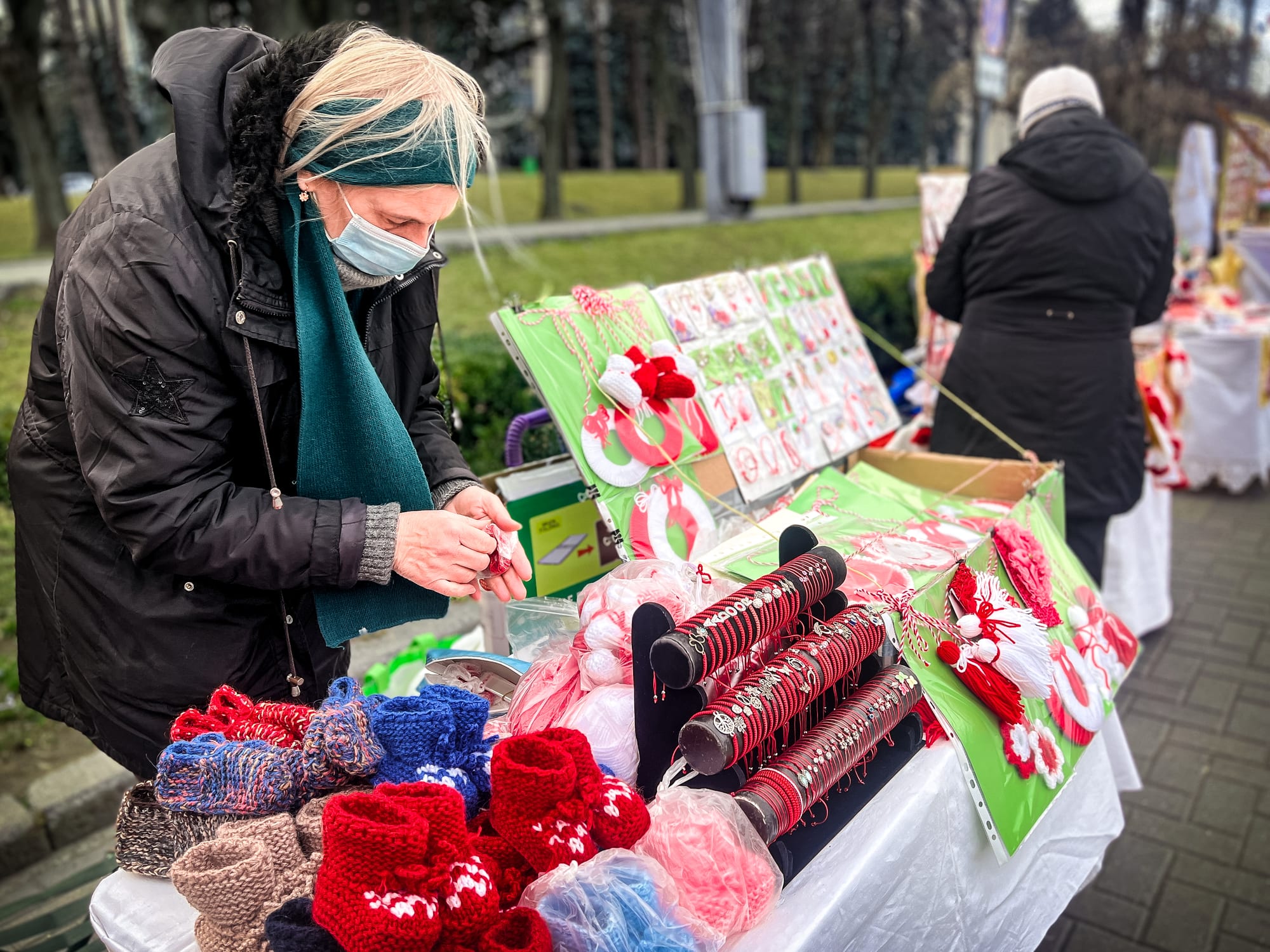
The year begins, in spirit, on 1 March with Mărțișor. People make, give and wear a small token of twisted red and white thread, often with a little charm attached, as a sign of spring. Traditionally it is worn until the first blossoming tree, swallow or stork is seen, protecting its wearer through the uncertain weather between winter and spring. The practice, shared with Romania and neighbouring countries, is on UNESCO's list of intangible cultural heritage, and in March the streets fill with stalls selling mărțișoare.
Christmas brings carolling. In the colindat, a tradition also on UNESCO's list, groups of young men rehearse for weeks and then go from house to house on Christmas Eve, singing festive songs tailored to each household. Hosts reward them with ritual gifts and money, and the carollers sing special songs for unmarried young women, believed to help them find a husband within the year.
Easter is the greatest feast of the Orthodox year, a time of painted eggs and family reunions. Eight days after Easter, on the Monday after St Thomas's Sunday, comes Paștele Blajinilor, Memorial Easter, when families visit the graves of their relatives, clean and decorate them, and gather for a priest's memorial service. Food brought to the cemetery is blessed and shared at the graveside, and red eggs, sweet bread and Easter bread are given to those in need. Each village also keeps its hram, the feast day of its church's patron saint, while Chișinău and other towns celebrate their own city days. In early October, National Wine Day fills the central square of the capital with winemakers from across the country.
Weddings are large, long and communal. A married couple, the nași or wedding godparents, stand as sponsors to the bride and groom and remain mentors to the new family afterwards. Ritual breads play a part in the ceremonies, the hora draws the whole party into one great circle, and music and dancing carry the celebration late into the night.
Death is marked with the greatest care of all. The Orthodox cycle of commemoration counts from the day of death: the third day, which is the funeral, then the ninth and fortieth days, half a year, a year and every year after that until the seventh. On each occasion the family takes bread, wine, oil, wheat, a piece of cloth and a candle to church, holds a memorial meal and gives every guest pomană, typically bread with a candle and a piece of cloth such as a handkerchief or towel, sometimes with a cup or dish. To accept these gifts is to take on the duty of remembering.
Arts, crafts and music
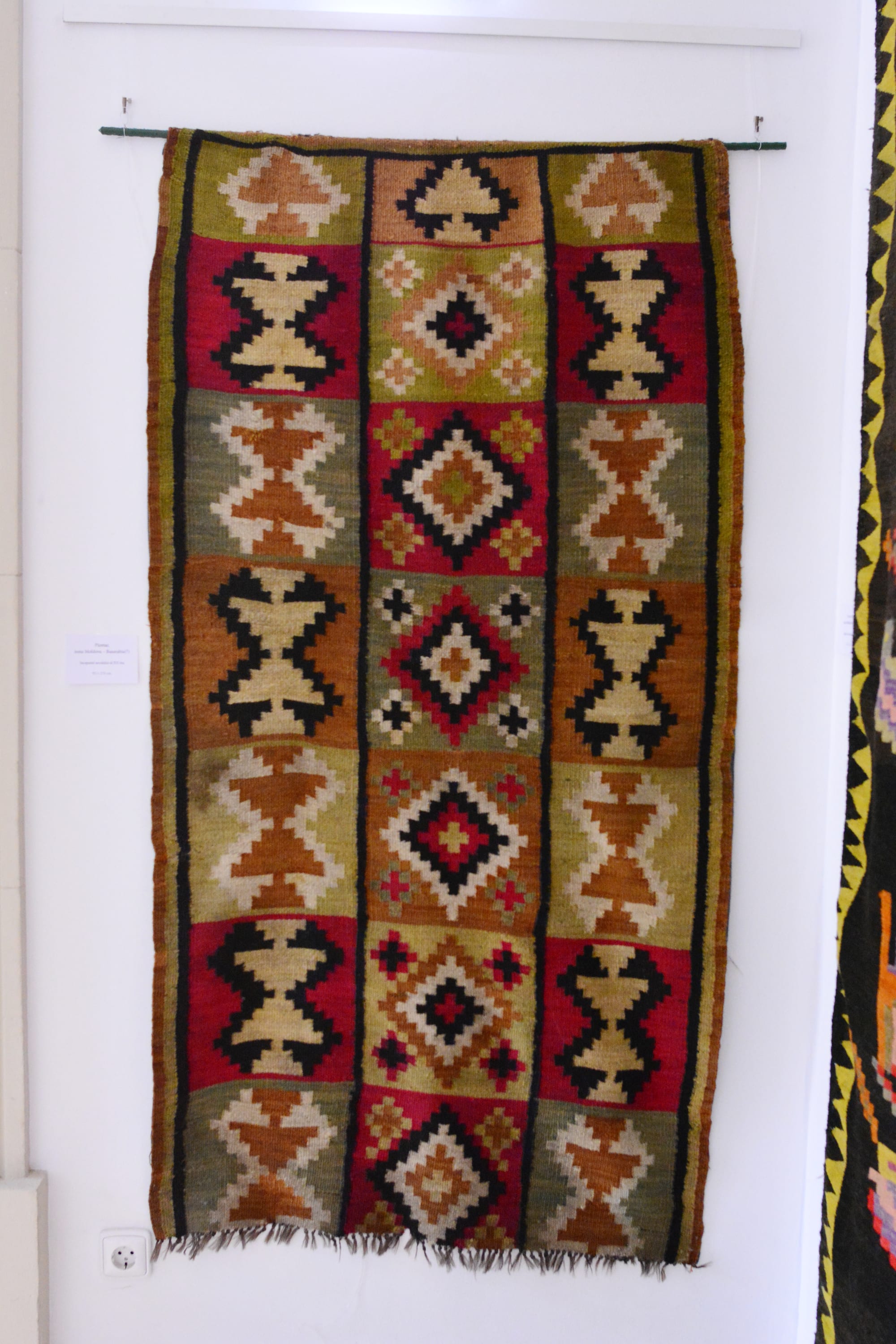
Moldova's woven carpets are the country's signature craft. Women and girls have long woven them on vertical or horizontal looms, learning from mothers and grandmothers, and the finest could take a group of women a year or more to complete. Hung on the walls of the house, carpets were decoration and insulation at once, formed part of a bride's dowry and, at funerals, symbolised a passage for the soul to the hereafter. The craft, shared with Romania, is on UNESCO's list, and patterns once revealed where a weaver came from.
Embroidery is the other great textile art. The ie, the traditional blouse, is cut simply from white natural fibre and richly embroidered, with particular emphasis on the shoulder panel known as the altiță. The work is done entirely by hand, almost always by women, and passed down within families. Once worn only on holidays, the blouse is now also a way of affirming identity, and the art of the altiță joined UNESCO's list in 2022.
Music and dance are woven into every celebration. The hora is a slow, stately circle dance, the sârba a faster one, and both vary from village to village. Among the traditional instruments is the cobza, a short-necked, pear-shaped lute strummed with a folded goose feather, which provides the rhythm and harmony for folk dances and gatherings in the countryside and is now also taught in arts schools. It became the fifth tradition that Moldova shares with Romania on UNESCO's list.
Dos and don'ts for visitors
- Do greet with a handshake, and expect hugs and cheek kisses among friends and at parties.
- Do accept food and drink generously, but feel free to decline more wine politely and firmly once you have had enough.
- Do join in toasts with "noroc", touching glasses before drinking.
- Do accept a gift described as pomană; it is given in memory of the dead and should not be refused.
- Do dress neatly; Moldovans take care over their appearance and notice it in others.
- Do wear a mărțișor if one is offered in early March.
- Don't raise your voice in public; Moldovans tend to speak quietly in the street and on transport.
- Don't travel to Transnistria without first checking the latest government travel advice.
What to take away
In Moldova, generosity is a form of memory — of guests, of neighbours and of the dead — and a visitor who accepts what is offered, with thanks, has already understood the most important custom of all.