Daily Life · Moldova
Moldova: A Country Raised by Its Grandparents
Villages where a whole generation of working-age adults is missing, home-made wine in a great many village homes, and grandparents holding families together over a video call
By Worldlore Editorial · 30 September 2026
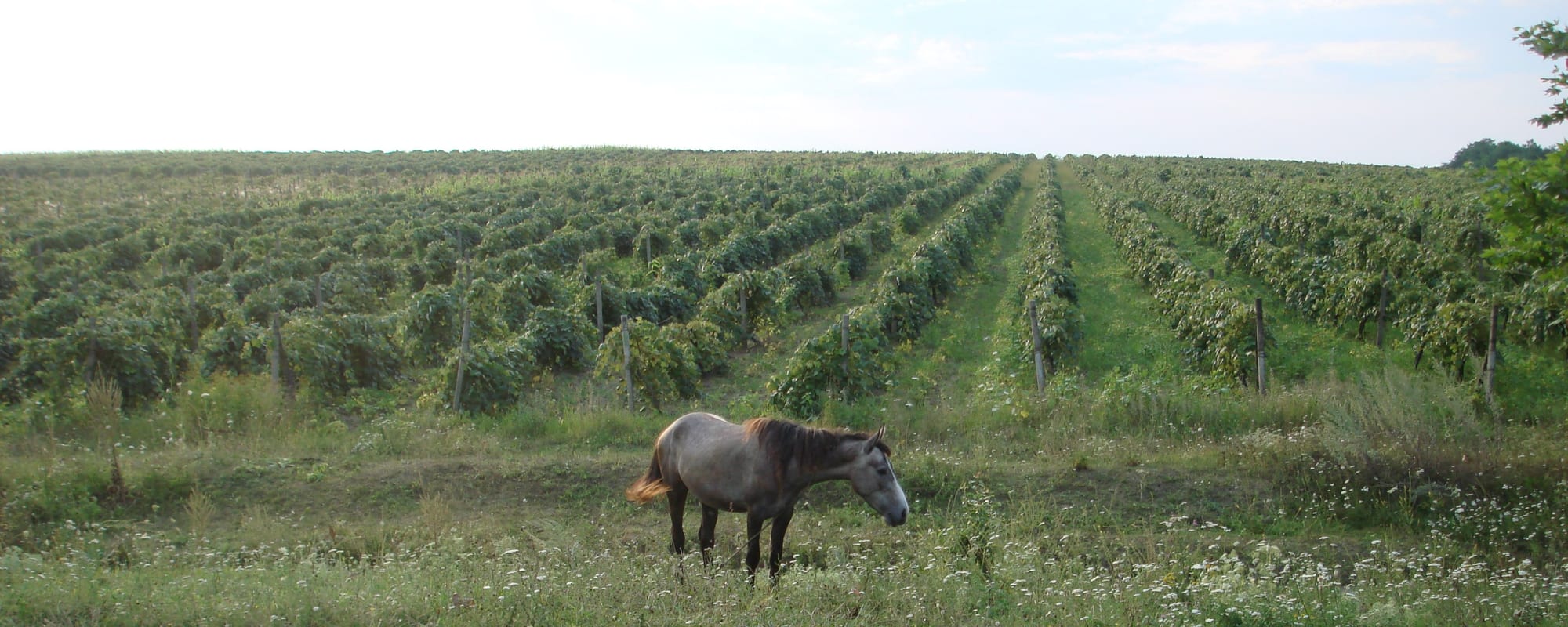
An ordinary day in Moldova is shaped, more than almost anywhere else in Europe, by who is not there. Hundreds of thousands of Moldovans, by some official estimates more than a million, work abroad, and remittances they send home have made up more than a tenth of the country's entire economic output in recent years. In the villages this leaves behind, it is common for a household to be run day to day not by a working-age couple but by a grandparent, raising grandchildren while the middle generation earns a wage in Italy and elsewhere in the European Union, or in Russia, and keeps in touch mainly by video call. Alongside that hard fact sits a gentler, older constant: a country of small farms and home cellars where growing grapes and making one's own wine is still treated as an ordinary household skill rather than a specialist trade.
Family and home life
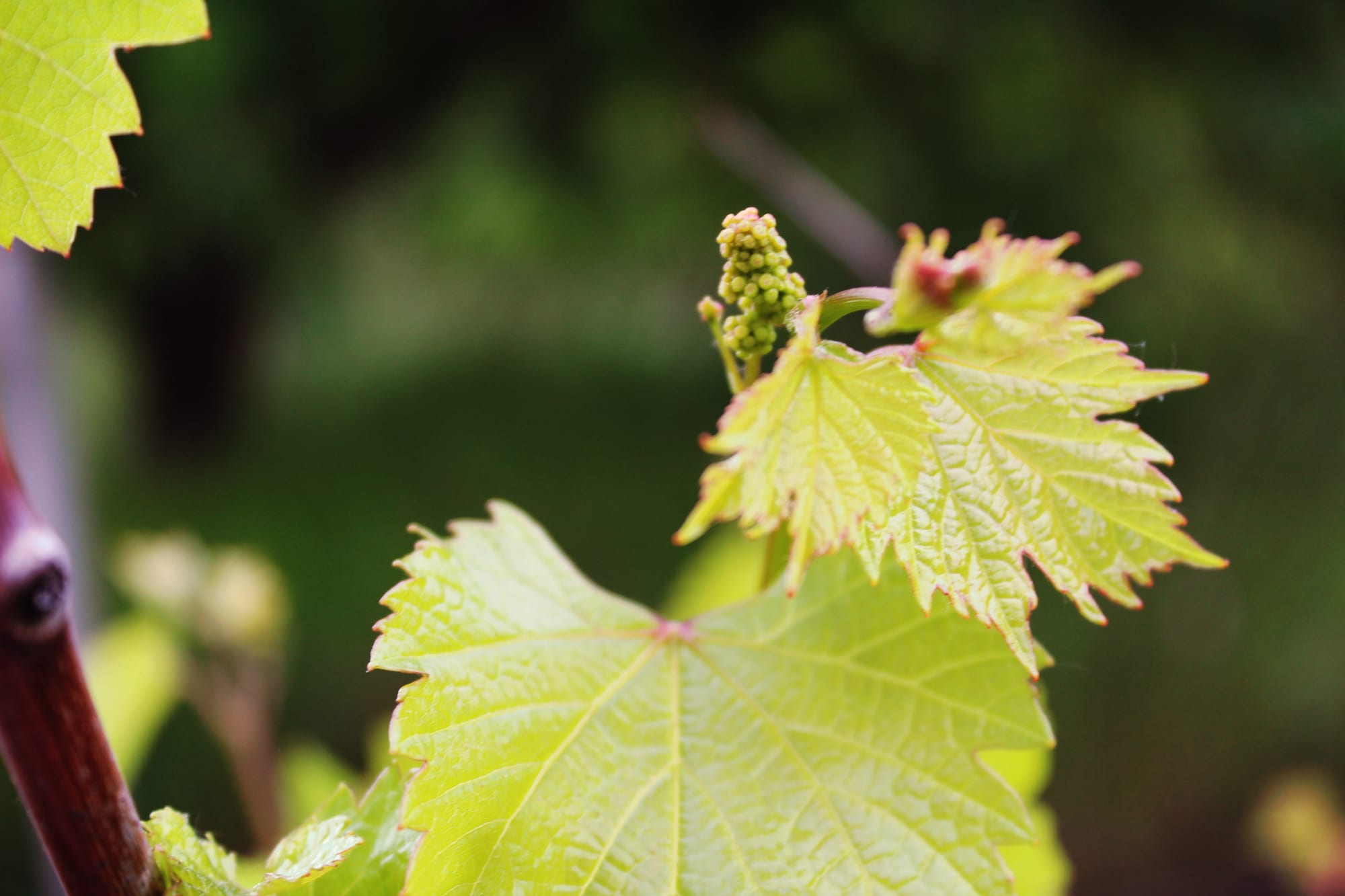
Rural Moldovan homes traditionally keep a casă mare, literally a "big house", a best room kept apart from daily use and opened for guests, family gatherings and celebrations, with the household's most valued carpets, textiles and embroidery. Wine-making itself is a household activity more than a commercial one: a large share of families grow at least a few rows of vines and make their own vin de casă each autumn, often using grape varieties and small recipes handed down within the family rather than bought in a shop. Migration has reshaped who actually lives in these homes. With so many working-age adults abroad, grandparents frequently take on full-time care of grandchildren for months or years at a stretch, and UNICEF research has found that around one in five Moldovan children has at least one parent working overseas, with contact often limited to scheduled video calls.
Work, school and the rhythm of the day
The standard working week is eight-hour days across five days, forty hours in total, the same structure used across most of the region, though employers can arrange flexible or uneven schedules within that limit. The school year begins on the first of September and runs to late May or early June. Outside Chișinău, the real economy for many households is not a wage at all but the smallholding: a garden, a few animals and a patch of vines worked around whatever paid income exists, supplemented heavily by money sent from family abroad, which for some rural households is the largest single source of income across the year.
Community life and public spaces
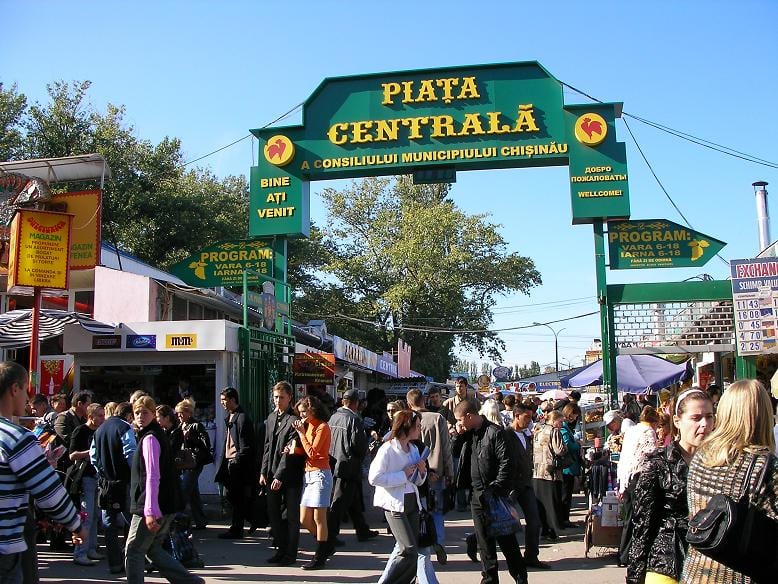
Piața Centrală, Chișinău's central market, has operated on the same site since 1825 and remains the clearest place to see the capital's daily life in one view: a sprawling, partly open-air market of fresh produce, meat, dairy, pickles, clothing and household goods. Smaller versions of the same kind of market anchor daily shopping in towns across the country. Getting around Chișinău and between towns depends heavily on rutiere (also called marshrutky), shared minibuses that run frequently, supplemented in the capital by trolleybuses; a compact city centre also means many daily errands are done on foot rather than by any vehicle at all.
Free time and weekends
Weekend life for many families centres on the household plot rather than any organised leisure: tending vines and vegetables, visiting relatives in a home village, or making the trip out of Chișinău to a family house in the countryside. Wine estates around the country, from small family operations to large commercial cellars, draw weekend visitors for tastings, and the autumn grape harvest is treated as a genuine communal event in wine-growing villages, often involving several generations of one family working together over a weekend. In Chișinău itself, parks such as the Ștefan cel Mare public garden, the oldest park in the country, laid out in 1818, fill with walkers and families in fine weather, offering the city's main outdoor space for anyone without a garden of their own.
A visitor's ordinary day
Moldova uses the Moldovan leu, and while cards are widely accepted in Chișinău's shops, restaurants and hotels, cash is still the more reliable option once outside the capital, including at markets and for minibus fares. Minibuses and buses are the main way to travel between towns, and building in some flexibility around departure times is worthwhile. Government offices and banks generally keep weekday, daytime hours, while shops and markets often keep longer hours, especially in Chișinău. Outside the capital, services and transport options thin out quickly, so it is worth confirming onward travel before setting out for the day.
What to take away
An ordinary day in Moldova runs on a quiet trade-off: the household wine cellar and the extended family still anchor daily life, even as a working generation abroad, and the grandparents left holding the household together at home, have become just as defining a fact of that life as the vineyards themselves.