History · Federated States of Micronesia
Micronesia: The Federation of the Carolines
Four island states — Yap of the stone money, Pohnpei of Nan Madol, Chuuk of the great lagoon, and Kosrae — ruled in turn by Spain, Germany, Japan and the US, and now a nation in free association with Washington
By Worldlore Editorial · 10 September 2026
Four states, one federation
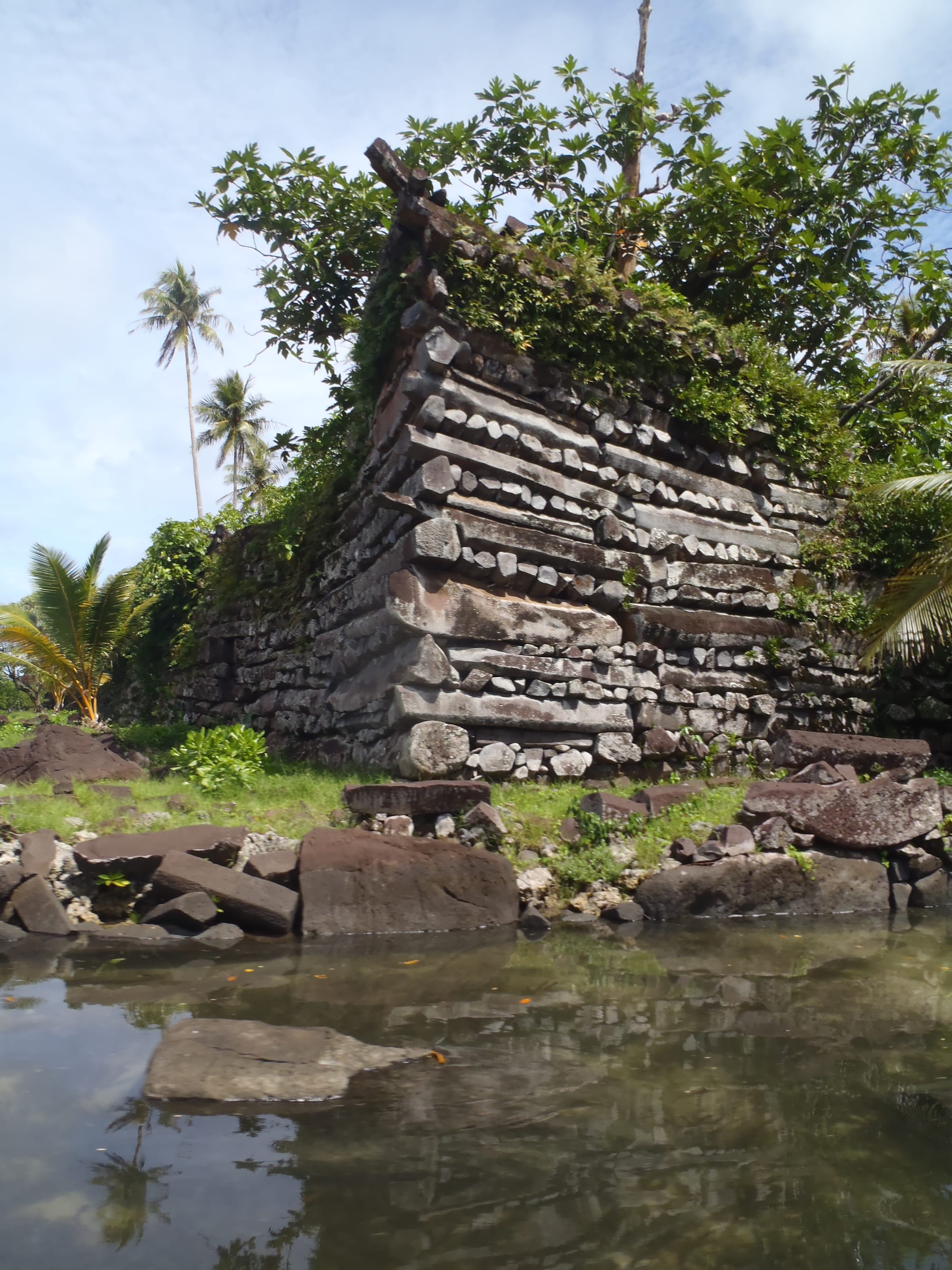
The Federated States of Micronesia is a union of four island states — Yap, Chuuk, Pohnpei and Kosrae — scattered across some 2,700 kilometres of the western Pacific, in the group historically called the Caroline Islands. About 100,000 people live on roughly 700 square kilometres of land inside an ocean territory of 2.6 million. The four states are strikingly different from one another, with their own languages and traditions, and the country is bound together loosely — and bound tightly, by a Compact of Free Association, to the United States.
A short history
- c. 1000 BCE onward
Settlement
Austronesian voyagers reach the Carolines.
- c. 1200–1600 CE
Nan Madol
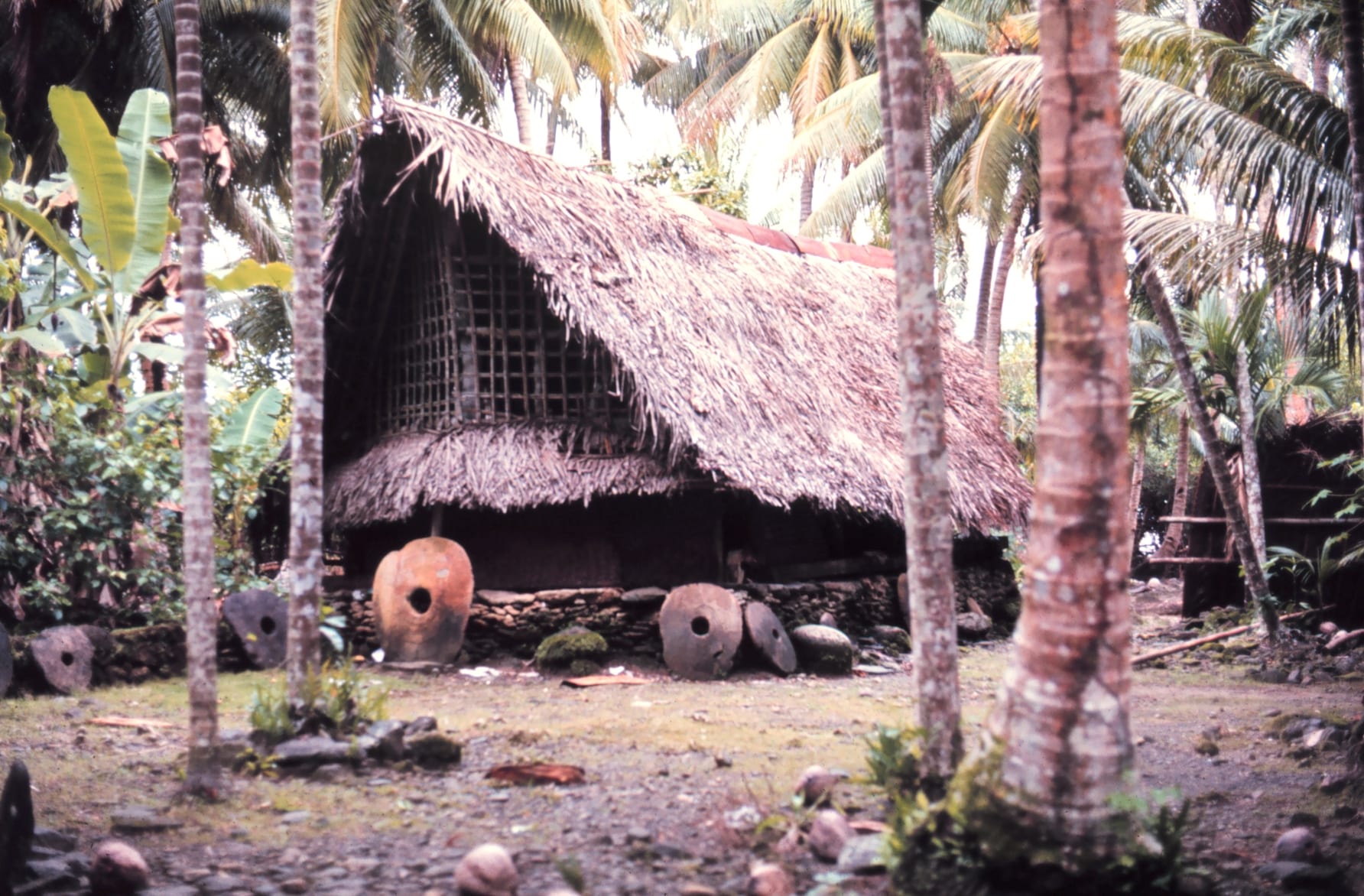
The Saudeleur dynasty builds its stone city off Pohnpei.
- 16th century
Spanish claim
Rarely enforced for 300 years.
- 1899
Germany
Buys the Carolines from Spain.
- 1914
Japan
Seizes and later fortifies the islands.
- 1944
Operation Hailstone
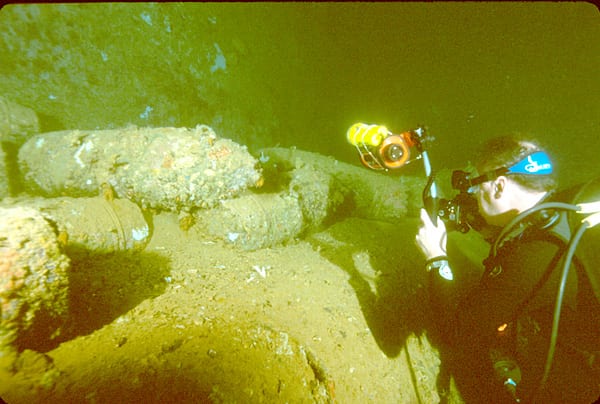
The US destroys the Japanese fleet base at Truk.
- 1947
US Trust Territory
The Carolines are administered toward self-government.
- 1979
The FSM
The four Caroline districts form a federation.
- 1986
Free association
The Compact with the United States takes effect.
Stone money and a stone city
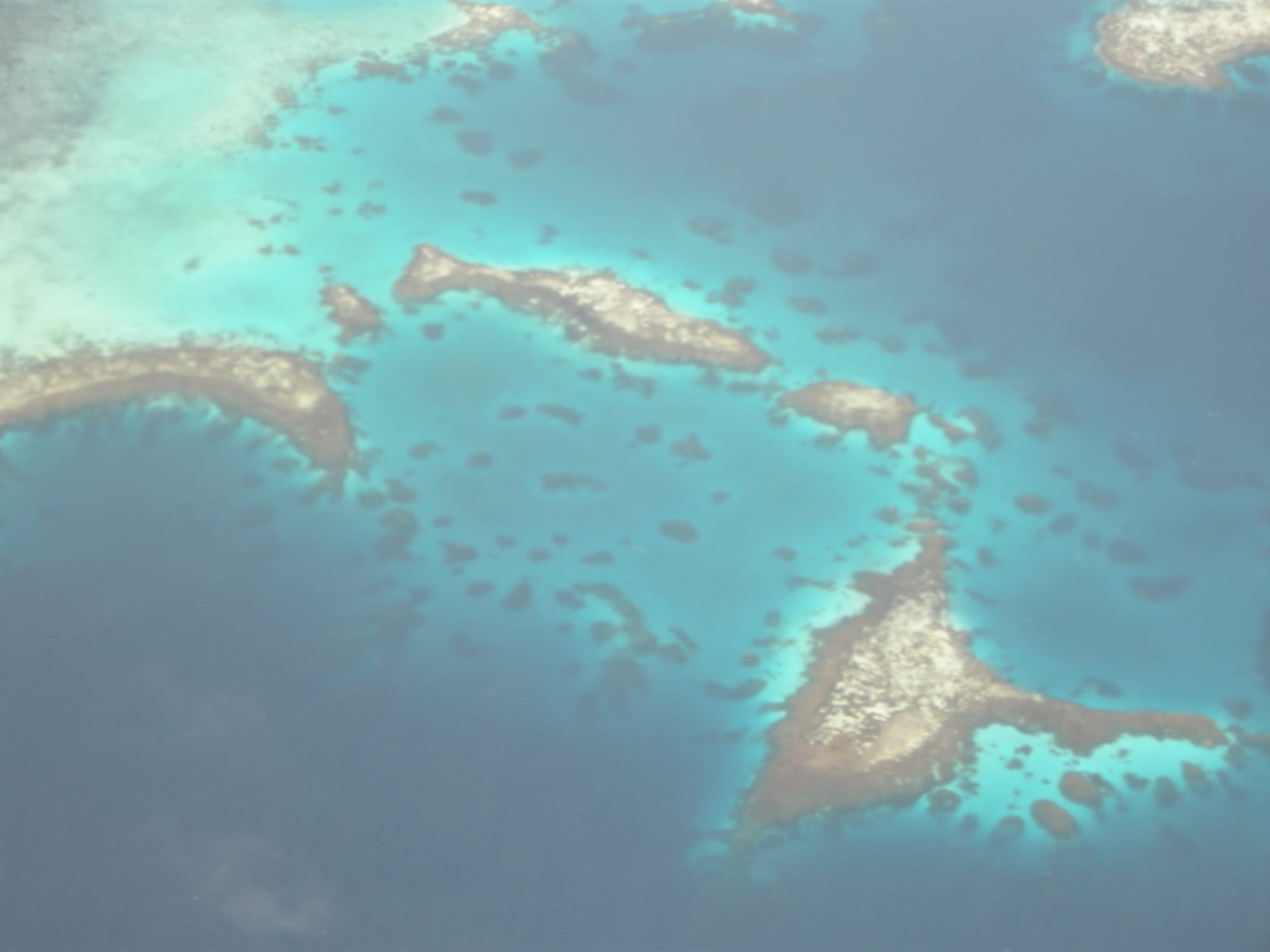
Austronesian voyagers settled the Carolines two to three thousand years ago, and the outer islands preserved some of the last living traditions of instrument-free ocean navigation in the Pacific. The islands developed distinct societies.
Yap and Pohnpei
Four flags in a century
Spain claimed the Carolines from the 16th century but barely governed them. After the Spanish–American War, Spain sold the islands to Germany in 1899; Germany worked them for copra through trading firms and crushed a 1910 rebellion on Pohnpei. Japan seized the German islands in 1914, held them under a League of Nations mandate, and — especially in the 1930s — colonised and fortified them, with Japanese settlers outnumbering islanders in some places. Truk Lagoon became the main forward base of the Japanese Combined Fleet.
Trust Territory, and the Compact
After the war the Carolines became part of the US-administered UN Trust Territory of the Pacific Islands, run toward eventual self-government. The four Caroline districts drafted a constitution in 1978 and formed the Federated States of Micronesia; the Marshalls, Palau and the Northern Marianas went their own ways.
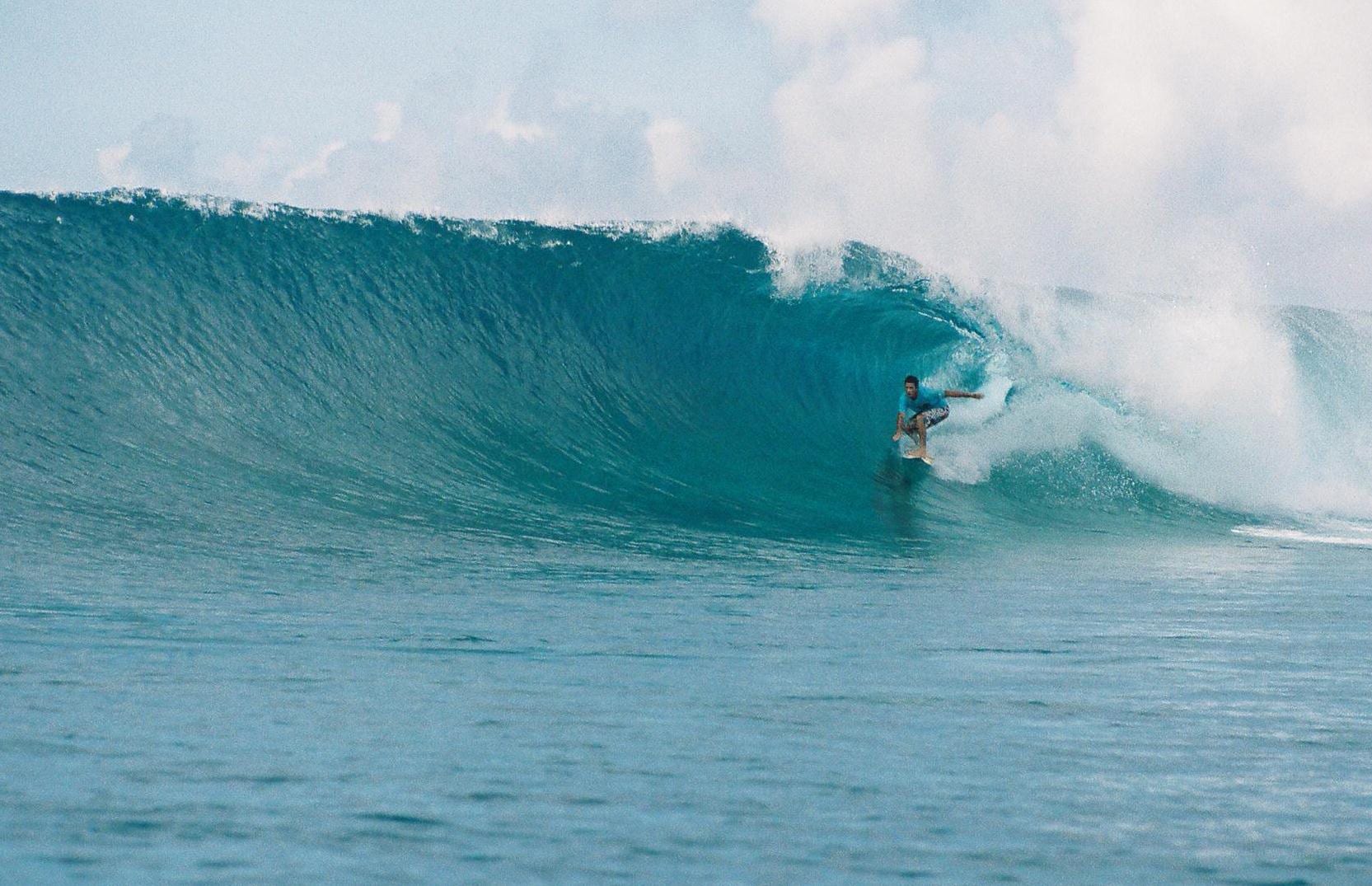
The Compact of Free Association with the United States took effect in 1986: the US handles defence and provides economic aid that is a large share of the FSM budget, and FSM citizens may live and work freely in the United States. The Compact's economic terms were renegotiated in 2003 and again in 2023, the latter amid US concern about growing Chinese influence in the Pacific.
Micronesia now
The economy leans heavily on US grants, on fees from foreign tuna fleets, and on subsistence farming and fishing, with some tourism. A large and growing share of Micronesians live in the US, especially Guam and Hawaii. The four states retain their own strong identities, and Chuuk has periodically raised the idea of seceding. Low-lying atolls in Chuuk and Yap states are exposed to rising seas.
What Micronesia carries
Micronesia's four states built, on their own, some of the largest constructions in the pre-modern Pacific — Nan Madol, the Yap tribute network — and then spent a century being handed between four foreign powers. The federation of 1979 was an attempt to face the outside world as one, while leaving each island most of its autonomy. The Compact keeps that arrangement viable, and keeps Micronesia firmly in the American orbit.