Daily Life · Federated States of Micronesia
Federated States of Micronesia: Four States, One Flight Away
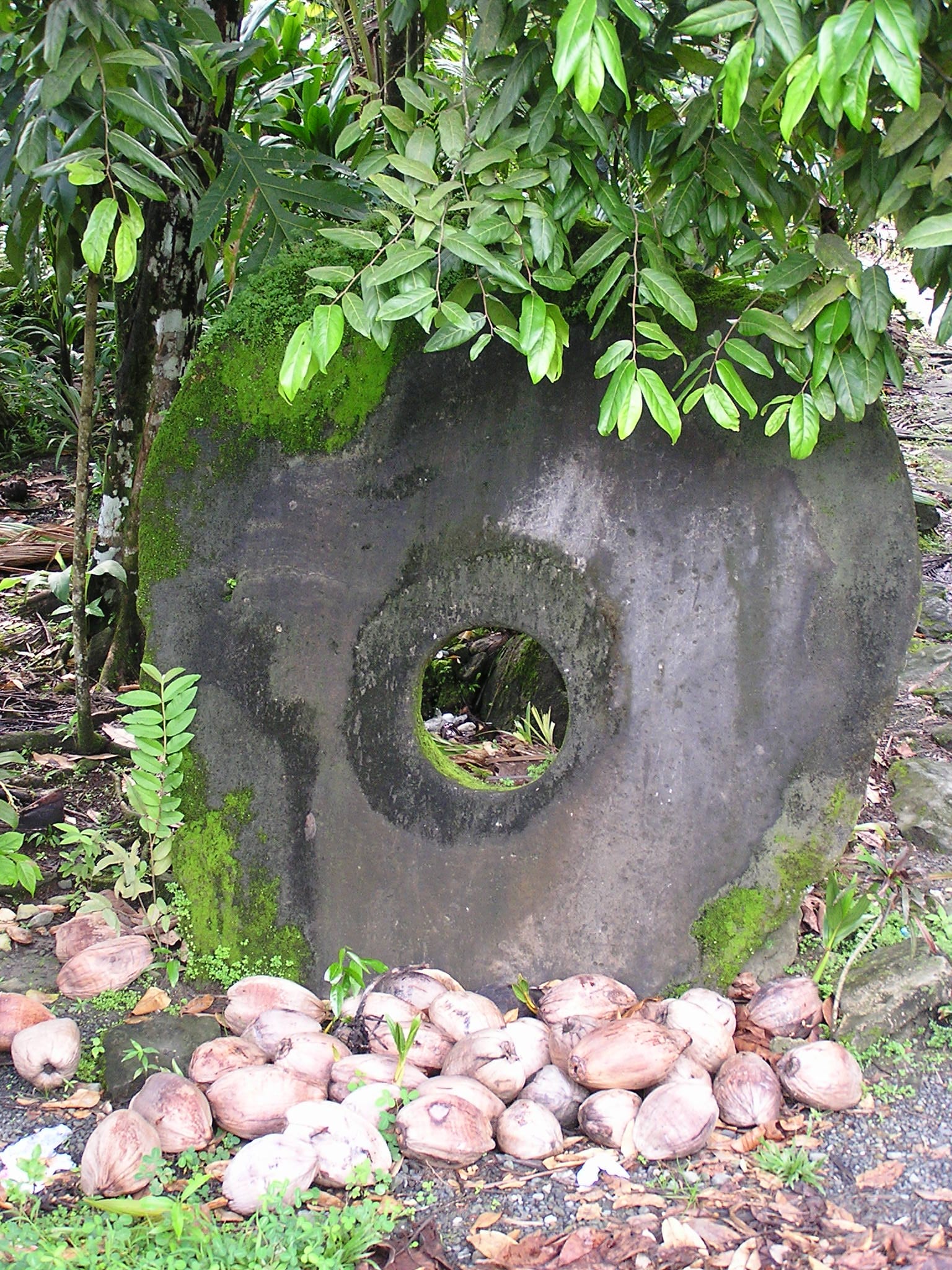
A nation spread across four island states so far apart that most people who live in one rarely see another, where clan land still governs daily life and Yap's stone money, quarried and canoed home generations ago, still settles serious debts today
By Worldlore Editorial · 30 September 2026
The Federated States of Micronesia is really four countries sharing one passport: Yap, Chuuk, Pohnpei and Kosrae, each with its own language, chiefs and character, spread so widely across the western Pacific that getting from one to another means catching the Island Hopper, a flight that runs only a few times a week, rather than a short local trip. About 100,000 people live across all four states combined, and for most of them daily life still runs on subsistence gardening and fishing, clan land, and a government payroll that is, by a wide margin, the country's biggest employer.
Family and home life
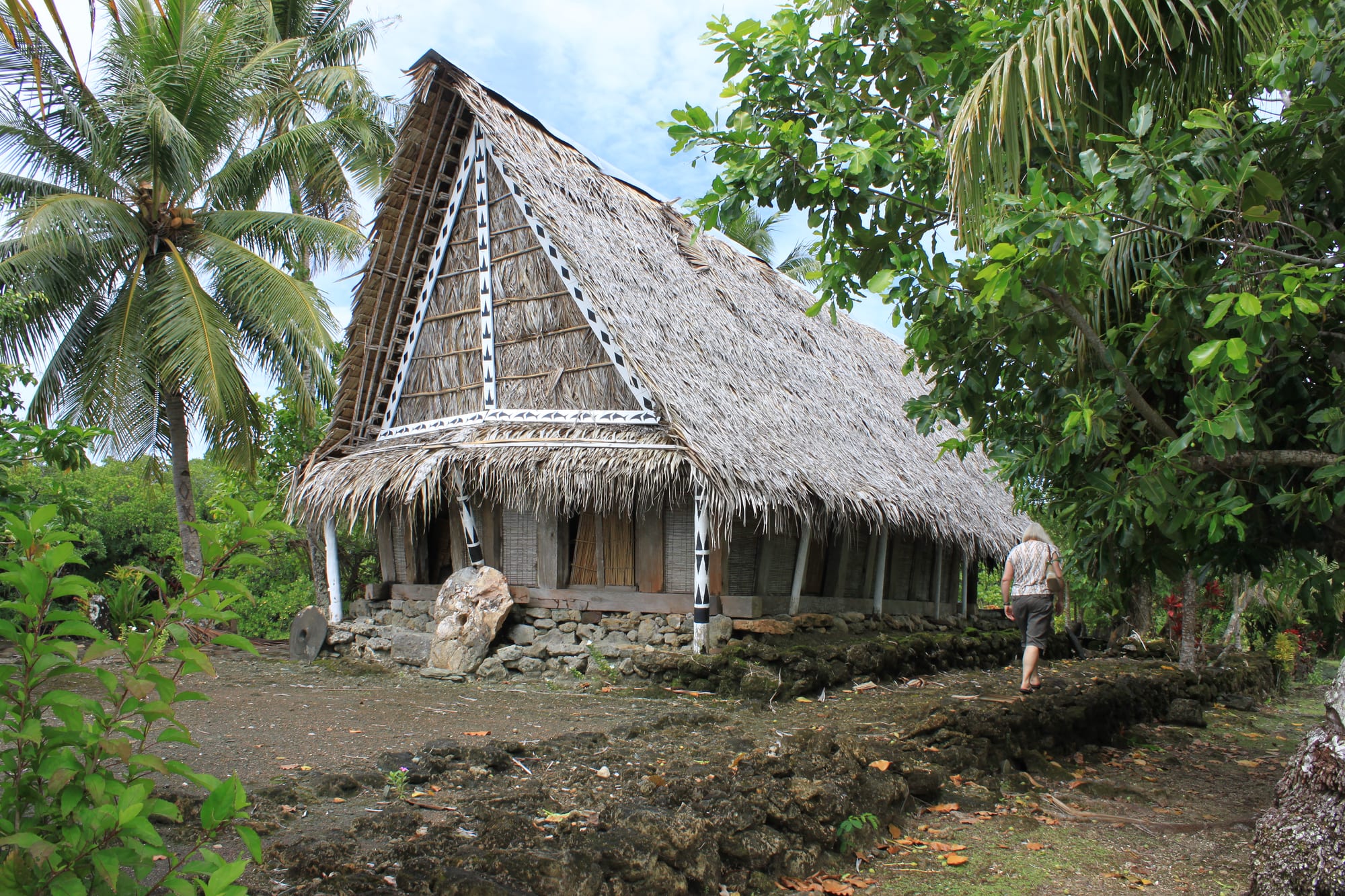
Clan and lineage, usually traced through the mother, govern land, reef rights and social standing across all four states, and an extended household organised around this clan structure is the norm rather than the exception. On Yap, the most traditional of the four states, village life still includes men's houses and a historical caste system that continues to shape social relationships. Each state capital — Kolonia on Pohnpei, Weno on Chuuk, Colonia on Yap, Tofol on Kosrae — has its own small urban centre, but a large share of the population still lives in villages built around extended family compounds rather than in town.
Work, school and the rhythm of the day
Government jobs are the largest single source of paid employment, alongside fishing-licence fees paid by foreign tuna fleets and money sent home by relatives working in Guam, Hawaii and the US mainland under the Compact of Free Association, which lets FSM citizens live and work in the United States without a visa. Away from paid work, daily subsistence still matters: taro, breadfruit, yams, bananas and coconut come from household gardens, and reef and deep-water fishing supply much of the protein in the diet, alongside pigs raised for feasts. Imported rice, instant noodles and tinned meat have become common in the towns, a shift linked to rising rates of diabetes across the Pacific.
Community life and public spaces
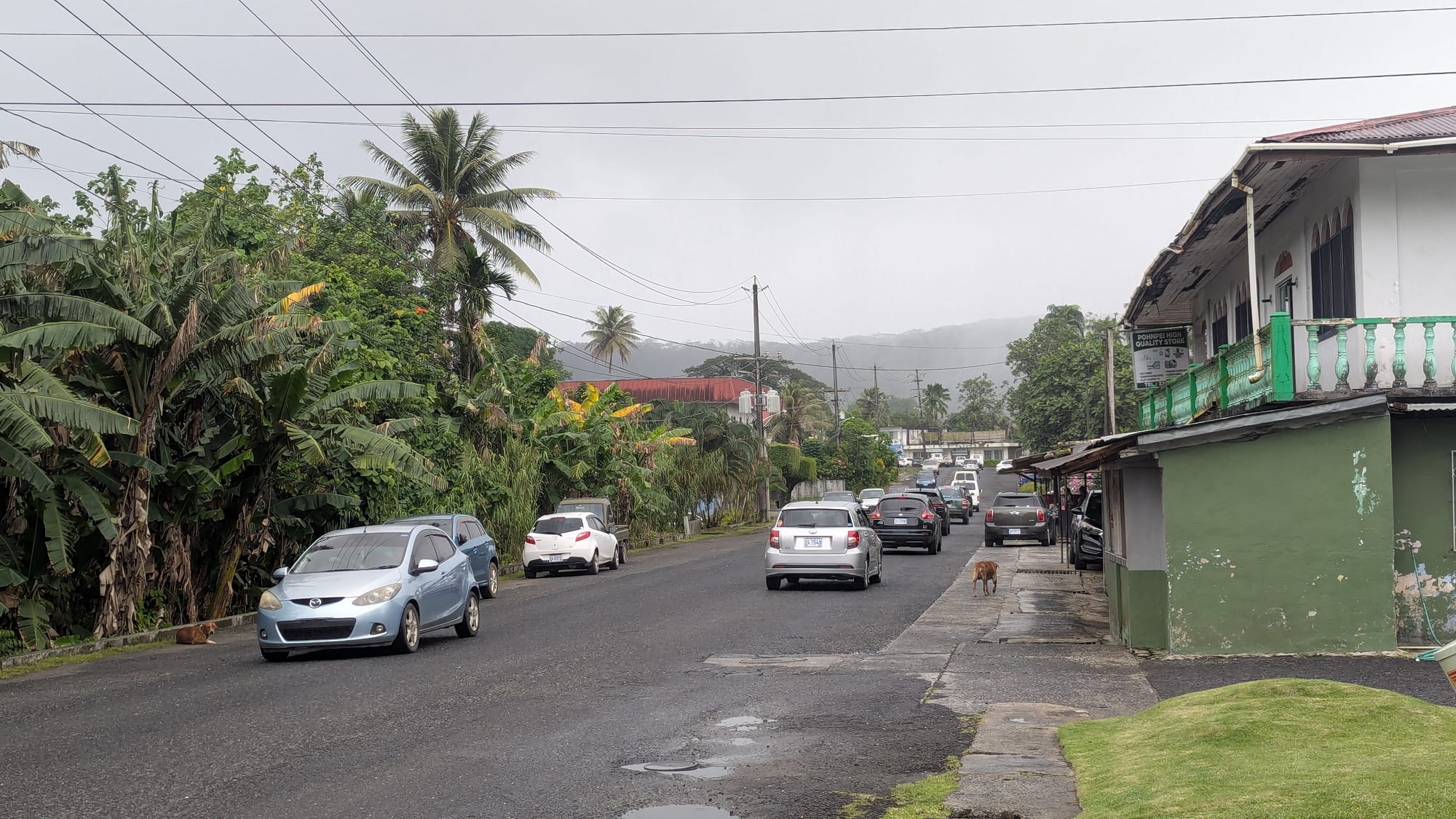
With no regular passenger ferry service between the states, each island's public life stays fairly self-contained: a small central store or market in each state capital, a scattering of village stores elsewhere, and community meeting houses that remain important gathering points, particularly on Pohnpei, where sakau, a local kava, is still drunk in company, including in these houses. Betel-nut chewing is a widespread social habit on Yap, and on all four islands, church, whether Catholic or Protestant, anchors a significant part of weekly community life. Land and reef are very often owned by particular clans or families, so access to a given site is a matter of local permission rather than open use.
Free time and weekends
Church activities and extended family gatherings fill much of the weekend across the four states, and where a household keeps pigs, a feast prepared in an earth oven, whole fish and mounds of taro included, marks significant occasions. Betel nut and, on Pohnpei, sakau remain the two main social rituals people share in their free time, drunk or chewed in company rather than alone. Time on the reef and in the lagoon, fishing or simply swimming, is part of free time for many families.
A visitor's ordinary day
The US dollar is used throughout the country, and it is very much a cash economy outside a handful of hotels and dive operators; ATMs are few and found mainly in the state centres. Getting between the four states means flying the Island Hopper route or a separate service to Yap, so any itinerary needs wide buffers for weather and mechanical delays. Much of the land and reef across the country belongs to particular clans or families rather than sitting open to the public, including stretches that look like open ground or open water, a point worth knowing when planning an itinerary beyond the main towns.
What to take away
An ordinary day in the Federated States of Micronesia is really four different ordinary days, one per state, held together less by daily contact than by a shared government, a shared currency, and a shared reliance on clan land and the sea.