Culture & Customs · Mexico
Mexico: Where the Dead Come Home Each November
A Catholic faith woven with Indigenous belief, warm and tactile greetings, a hospitality that expects guests to stay, and a calendar of posadas, pilgrimages and altars for the dead that brings whole families together
By Worldlore Editorial · 30 September 2026
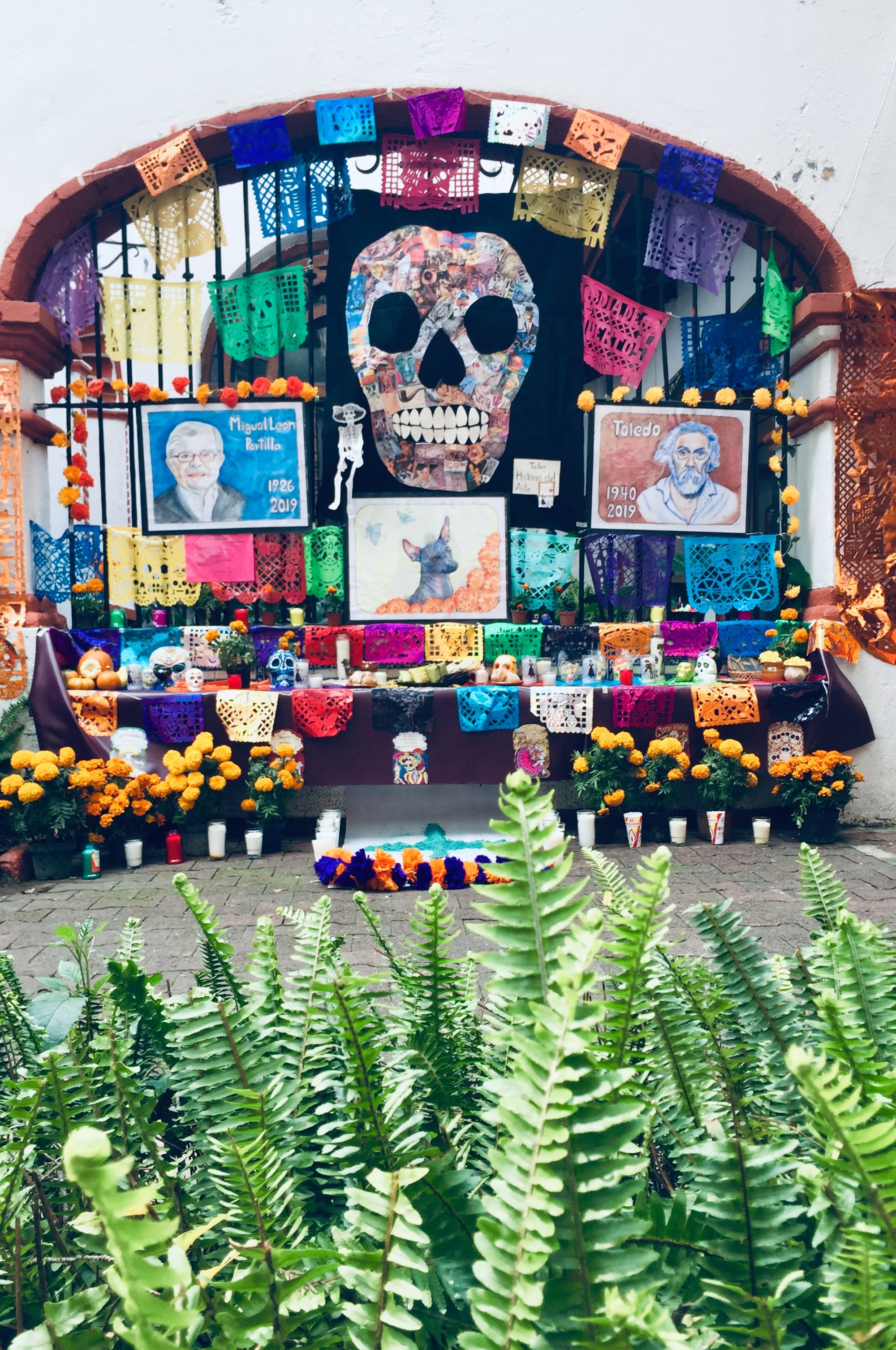
At the end of October, households across Mexico begin to prepare for guests who have been dead for years. An altar goes up in the home, laid with the favourite foods of departed relatives, candles, flowers and cut-paper decorations. In many communities, families scatter a path of flower petals and set candles and offerings along the way from the cemetery to the house, so the dead can find their way back. For a short time, it is believed, they return to visit, and the living receive them with care, affection and a good deal of humour. The care matters: in many communities it is held that the dead can bring the family good fortune or bad, depending on how faithfully the rites are carried out. The Day of the Dead, proclaimed a masterpiece of intangible heritage by UNESCO in 2003 and on its Representative List since 2008, joins pre-Hispanic ritual with the Catholic feasts of All Saints and All Souls, and it captures much of Mexican culture in one moment: faith, family, a closeness between past and present, and a talent for turning even death into an occasion for gathering.
Faith, identity and values
Around four in five Mexicans identify as Roman Catholic, although not all attend Mass regularly, and Protestant and evangelical churches have grown, with around one in ten people now reporting no religious affiliation. Mexican Catholicism has its own character. Its most important figure is the Virgin of Guadalupe, at once a religious image and the country's great national symbol, whose dark features and ties to the Nahuatl language have long made her a sign of the meeting of Indigenous and European worlds. On 12 December, her feast day, millions of pilgrims travel to her basilica, on foot, by bicycle or by car, many to give thanks or fulfil a vow, and the faithful sing "Las Mañanitas", the traditional birthday song, to her at midnight. Many pilgrims travel together from their home towns, sometimes over several days, supported by trucks carrying water, food and blankets, and the shared journey creates lasting bonds of companionship between them. Popular belief runs alongside the Church: traditional healers, curanderos, remain widely consulted, and many people give some credence to magic.
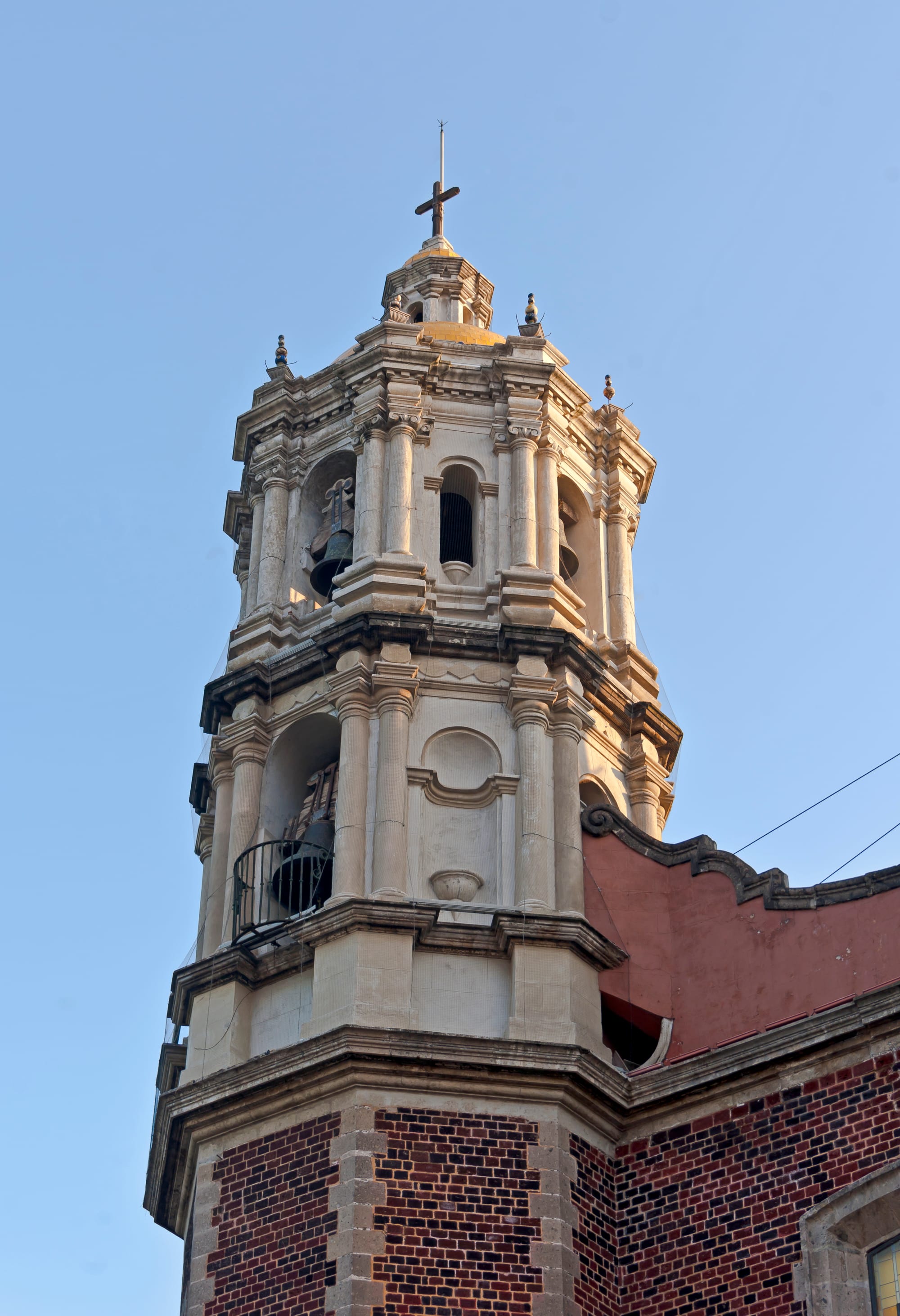
Mexican identity is built on mestizaje, the blending of Indigenous and Spanish peoples and cultures, but it is far from uniform. Around a fifth of Mexicans identify as Indigenous, and more than sixty Indigenous languages are spoken, each community with its own customs, dress and festivals. Pride in the country runs deep, summed up in the saying "Como México no hay dos", there is nowhere like Mexico.
Family is the centre of social life. Relatives of all generations stay in close touch, grandparents regularly join family events, and children often live at home until they marry. Family ties are extended by compadrazgo, the bond created when parents choose godparents, padrinos, for a child's baptism or another milestone. The parents and godparents become compadres, a spiritual kinship that is traditionally one of the strongest bonds between two people, carrying an expectation of help in hard times. Traditional roles remain influential: most households are headed by a man who is seen as the main earner and decision-maker, although expectations of female deference have weakened considerably, especially among younger people in the cities. Society is conscious of rank and status, and respect for elders and people in authority is expected, tempered by a sense of sympathy for those less fortunate. Time, by contrast, is treated flexibly, and relationships usually matter more than schedules.
Greetings and meeting people
A firm handshake, with eye contact and a smile, is the usual greeting. Acquaintances and friends often greet with an abrazo, a loose embrace with a kiss on the right cheek, while in many Indigenous communities a light handshake is preferred and close physical contact outside the family is uncommon. "Buenos días", "buenas tardes" and "buenas noches" are the polite forms for the time of day. It is courteous to ask after someone's family and health, and people will briefly break off a conversation to greet someone who has just arrived.
Forms of address matter. Señor and Señora with the surname are used in formal settings, and older people are shown respect with Don or Doña before their first name. The formal "usted" is used with elders and people of higher status, the familiar "tú" with friends and the young. Mexicans generally stand close, touch an arm or shoulder in friendship, and hold eye contact as a sign of sincerity; keeping too great a distance can seem cold.
Communication tends to be indirect and courteous. A flat refusal is rarely given, and a reply such as "let me see what I can do" or "maybe" often means no. Diminutives ending in -ito or -ita soften speech and are part of its warmth, and humour is a constant presence, even around subjects as serious as death.
Hospitality and being a guest
Close friends may drop in without warning, but otherwise an invitation is expected. It is not essential to bring anything, although guests often do: women commonly bring a salad or dessert and men something to drink. Anyone bringing flowers should avoid marigolds, the flower of the dead, and red flowers, which can carry negative connotations. Turning down food or drink outright is considered impolite, so it is better to accept at least a little.
Meals are long and sociable, especially when there are several courses. Hands are kept visible above the table, some traditional foods are eaten with the hands rather than cutlery, and it is polite to ask to be excused before leaving the table. Glasses are raised with a cry of "¡Salud!". Leaving directly after a meal is considered rude; guests are expected to stay and talk. Goodbyes are thorough: everyone is usually embraced before departing, and friends often send a message to say they have arrived home safely. In restaurants, a tip of ten to fifteen per cent is expected.
Festivals and life's big moments
The calendar mixes civic holidays and religious feasts: Independence Day on 16 September, Revolution Day on 20 November, Holy Week and Easter, and the Day of the Holy Kings on 6 January, as well as the feast of the Virgin of Guadalupe. Christmas is preceded by the posadas, nine nights from 16 to 24 December that re-enact Mary and Joseph's search for shelter in Bethlehem. Guests divide into two groups, one outside asking for lodging in a traditional sung verse and one inside answering, until the pilgrims are let in. The piñata that follows was once a moral lesson, its seven points standing for the deadly sins and its breaking for virtue's triumph; today it is simply part of the fun. The tradition began with sixteenth-century friars who used it to teach the Nativity, and it remains strongest where community life is closest.
Life's milestones are marked with ceremony and with the help of padrinos. The quinceañera, a girl's fifteenth birthday, is the great coming-of-age celebration. It begins with a Mass of thanksgiving and continues with a party at which she is attended by young male escorts, chambelanes, and dances a waltz with her father. A change of shoes and the giving up of a last doll symbolise leaving childhood behind. Godparents sponsor different parts of the celebration, from the cake to the venue, so that a quinceañera draws on the whole network of family and friends.
Weddings usually follow Catholic tradition, and parents' approval of a partner still counts for a great deal. Two customs stand out at a church wedding: the lazo, a cord or rosary placed around the couple's shoulders in a figure of eight by their sponsors, and the arras, thirteen coins given by the groom to the bride as a pledge of shared prosperity. When someone dies, family and friends keep vigil over the body at the velorio, at home or in a funeral parlour. It is followed by the novenario, nine consecutive days of praying the rosary for the soul of the deceased, often with the family gathering at home, and it ends with a Mass.
Arts, crafts and music
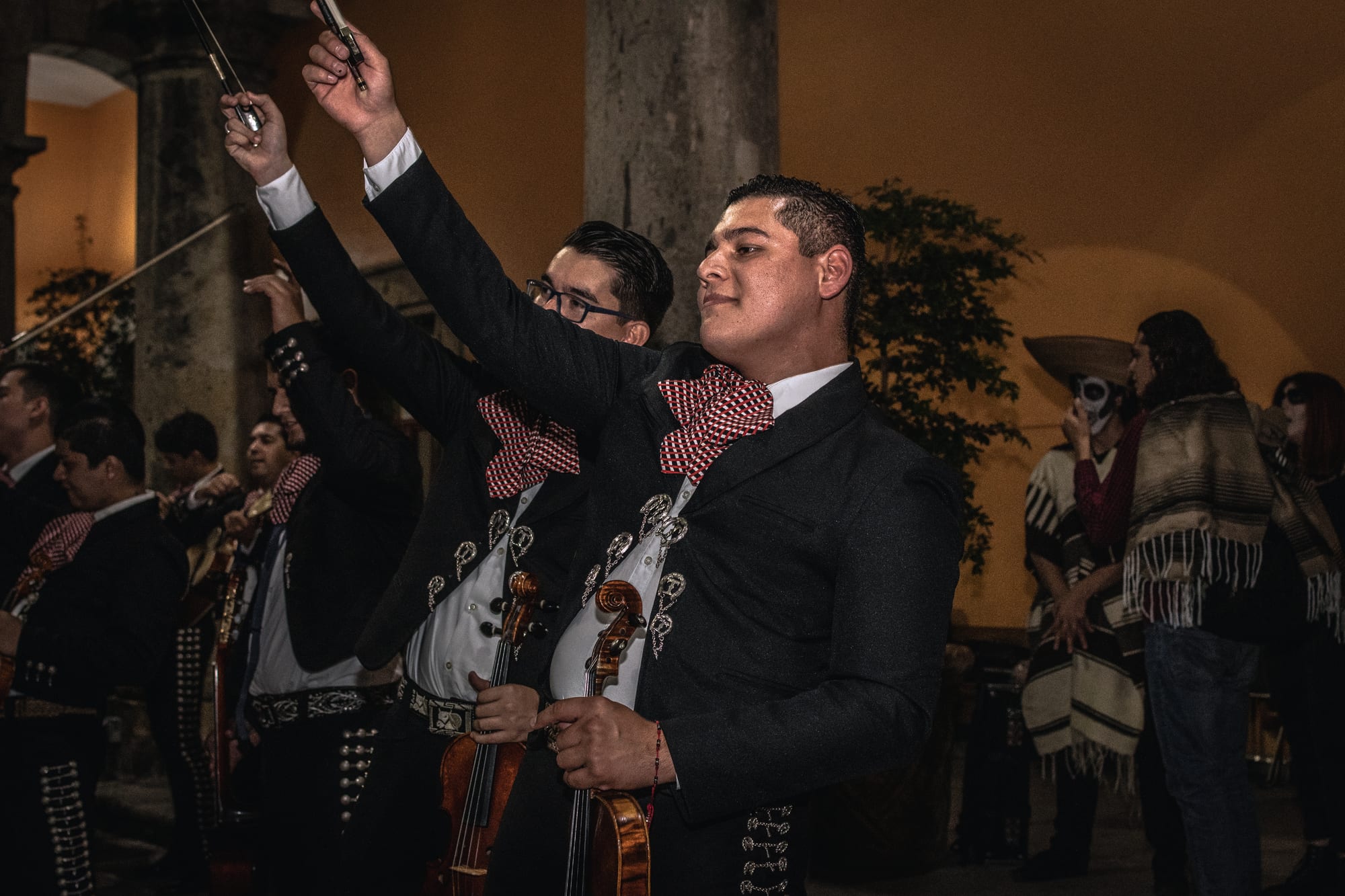
Mariachi, on UNESCO's list since 2011, is the sound most closely associated with Mexico. A group of two or more musicians plays trumpets, violins, the vihuela and the guitarrón, a bass guitar, dressed in costumes adapted from the charro, the traditional horseman. Their repertoire runs from jarabes and waltzes to corridos, ballads of battles, heroic deeds and love, and rancheras and boleros, and they play at weddings, serenades and religious and civic celebrations. The skill is traditionally learned by ear and passed from father to son. The bolero, the romantic song form, was also added to UNESCO's list in 2023, jointly for Mexico and Cuba.
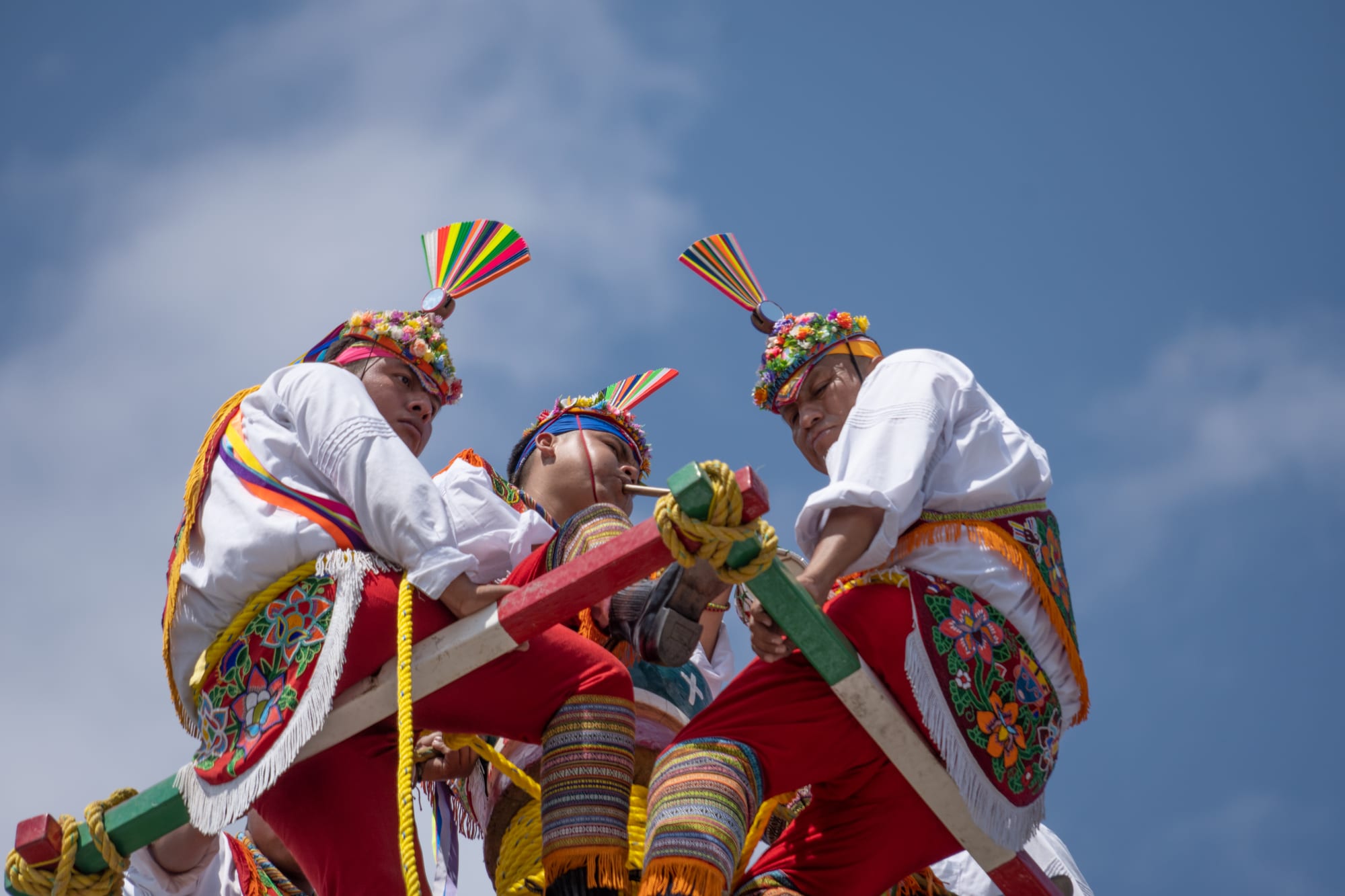
Many of Mexico's living traditions belong to particular peoples and places, and UNESCO recognises several: the pirekua songs of the P'urhépecha, the flying ritual of the voladores, and charrería, the equestrian tradition of the charro. Craft traditions are equally rich, and the making of talavera, hand-painted glazed pottery, is on UNESCO's list jointly with two Spanish towns that share the tradition. In the twentieth century, the muralists Diego Rivera, José Clemente Orozco and David Alfaro Siqueiros and the painter Frida Kahlo gave Mexican art a world audience.
Dos and don'ts for visitors
- Do check the latest government travel advice before any trip; several states are subject to "reconsider travel" or "do not travel" advisories because of organised-crime violence.
- Do greet people with a handshake and a "buenos días" or "buenas tardes", and use Señor, Señora, Don or Doña and the formal "usted" with elders.
- Do accept at least a little of any food or drink offered; refusing outright is impolite.
- Do stay and talk after a meal rather than leaving straight away, and say a proper goodbye to everyone before going.
- Don't give marigolds or red flowers as a gift; marigolds are the flower of the dead.
- Do keep both hands visible above the table when eating.
- Do read a vague "maybe" or "let me see" as a polite way of saying no.
- Do tip around ten to fifteen per cent in restaurants.
What to take away
Mexican customs grow out of family, faith and a deep sense of welcome — and a visitor who greets people warmly, accepts what is offered and takes time over every meeting will find that welcome extends to them too.