Food · Mexico
Mexico: Food and the National Dish
A dark, complex sauce built from dozens of ingredients including chocolate and chilli, at the head of a cuisine UNESCO has recognised as living cultural heritage
By Worldlore Editorial · 16 September 2026
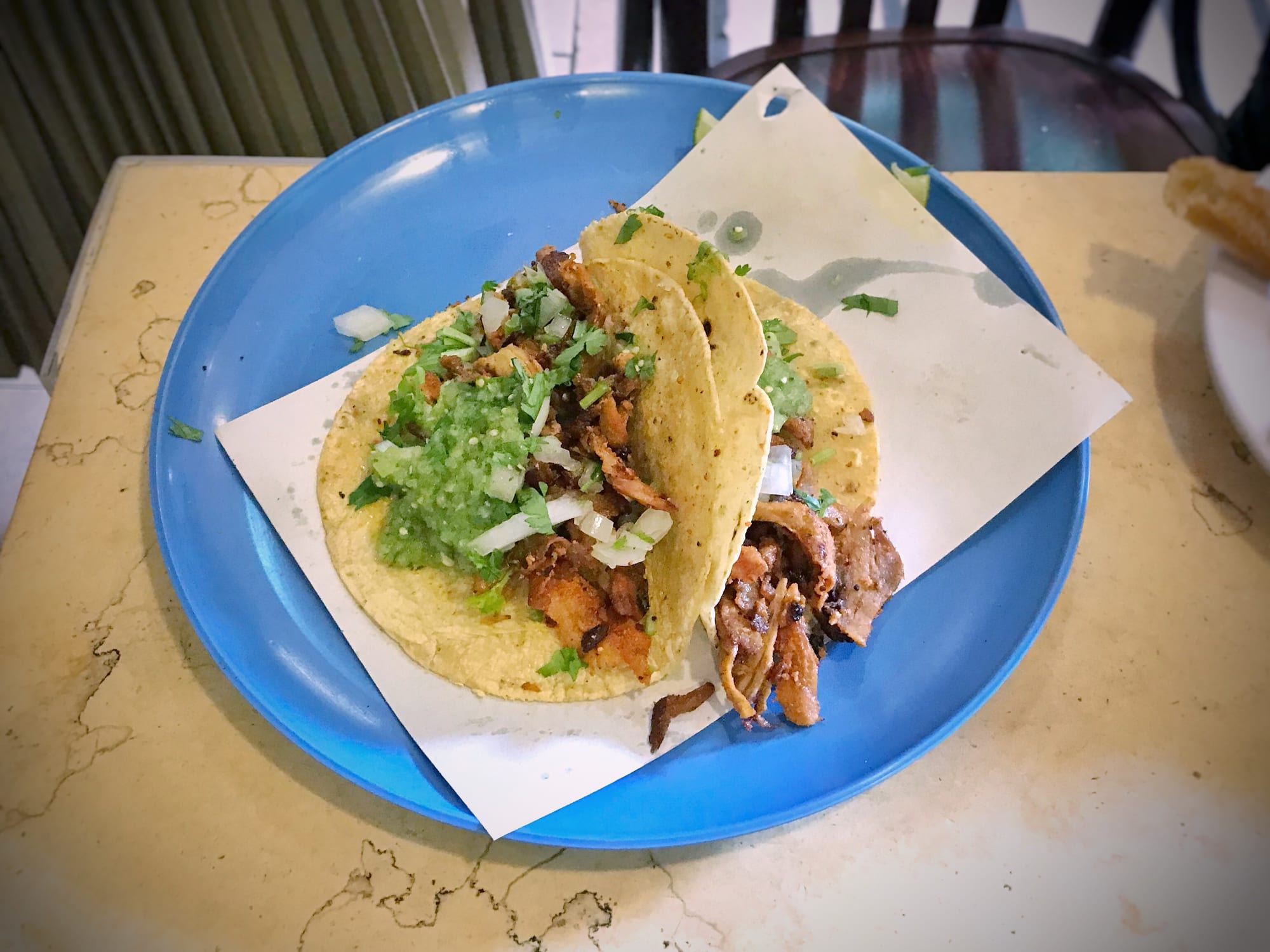
A cuisine recognised as living heritage
Mexican food is regionally vast, corn, chilli and bean traditions stretching back to pre-Hispanic civilisations, layered with Spanish colonial ingredients and technique. In 2010, UNESCO recognised traditional Mexican cuisine, centred on the state of Michoacán as a representative example, as intangible cultural heritage, a rare acknowledgment of an entire food culture rather than a single dish.
The national dish: mole poblano
Mole poblano, a dark, complex sauce built from dried chillies, chocolate, spices and dozens of other ingredients simmered together and served over chicken or turkey, is widely regarded as Mexico's national dish. Originating in Puebla, the sauce can take a full day to prepare properly, and its combination of chilli and chocolate, unusual to outsiders, is treated in Mexico as a genuine culinary achievement rather than a novelty pairing.
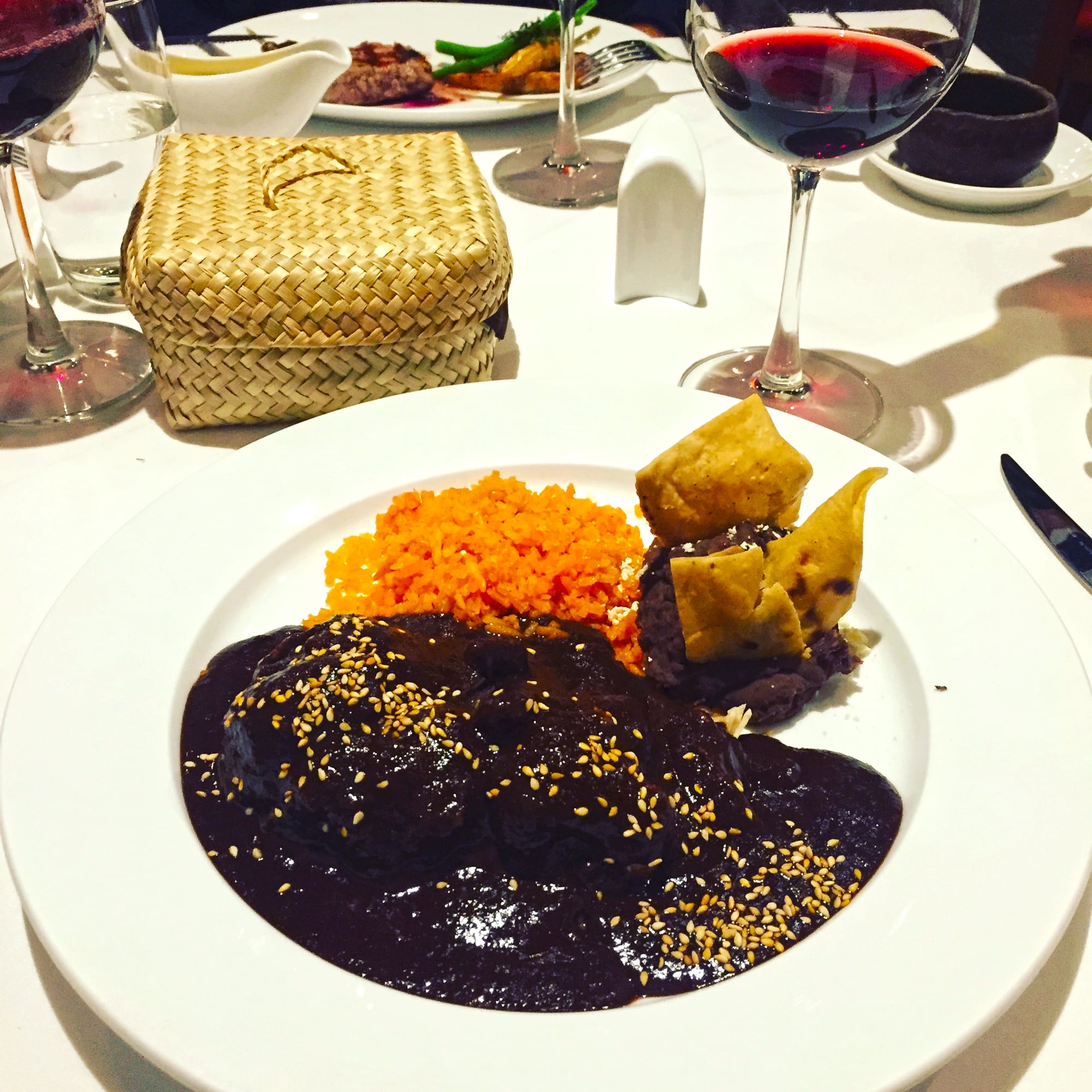
Corn, chilli and the true everyday staple: tacos
Corn, in tortillas, tamales and countless other forms, remains the absolute foundation of Mexican cooking, alongside beans and a vast range of chilli varieties that define regional flavour far more than raw heat alone. Tacos, corn tortillas folded around nearly any filling, are what most Mexicans actually eat most often, found on every street corner regardless of mole's ceremonial status.
History behind the plate
Mexican food traces two deep roots: pre-Hispanic Indigenous civilisations, including the Aztec and Maya, who cultivated corn, beans, squash, chilli and chocolate long before European contact, and Spanish colonial rule, which introduced pork, dairy, wheat and rice. Mole poblano itself carries a popular, though not fully verified, origin story crediting nuns in a Puebla convent with inventing the sauce for a visiting dignitary, a legend widely repeated even though its precise historical accuracy is debated.
Regions at a glance
Northern Mexico leans on beef, wheat flour tortillas and grilling, closer to Texan and ranching traditions; central Mexico, including Puebla and Mexico City, is home to mole and a dense concentration of regional specialties; and the Yucatán Peninsula carries a distinct Maya-influenced cuisine built on achiote, citrus and slow-roasted meats, different enough to merit its own deeper exploration.
Dishes to know
Five more to recognise across Mexico:
- Tacos al pastor — marinated pork cooked on a vertical spit, served
in corn tortillas with pineapple, onion and cilantro.
- Tamales — corn dough filled with meat or vegetables, wrapped in corn
husk or banana leaf and steamed.
- Pozole — a hominy corn soup, usually with pork, garnished with
shredded cabbage, radish and lime.
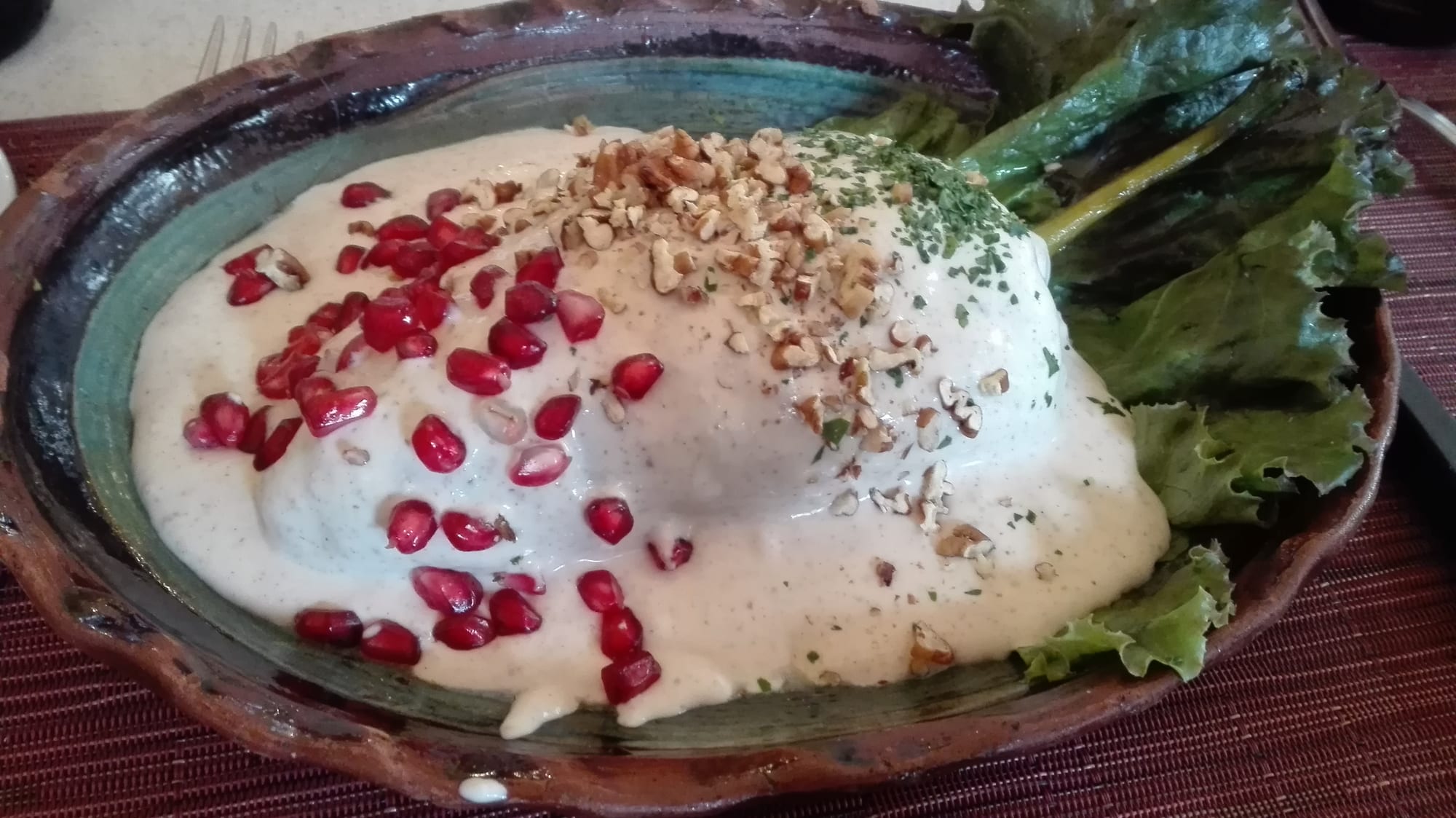
- Chiles en nogada — poblano peppers stuffed with a meat and fruit
filling, topped with a walnut cream sauce, associated with Independence Day.
- Cochinita pibil — slow-roasted, achiote-marinated pork, a Yucatán
specialty.
Drinks
Mezcal and tequila, both distilled from species of agave, are Mexico's best-known spirits, with tequila specifically restricted by law to blue agave grown in defined regions. Horchata, a sweetened rice-based drink, and atole, a warm corn-based drink, are common non-alcoholic choices, and Mexican coffee, particularly from Chiapas and Veracruz, is well regarded.
Eating as a traveller
Vegetarians will find bean, corn and vegetable-based dishes manageable, though meat is central to many classic Mexican dishes including tacos al pastor. Tap water is not safe to drink; stick to bottled or purified water. Eating street tacos from a busy stall, judged by how many locals are lined up, is one of the most reliable ways to eat well anywhere in Mexico.
What to take from the table
Mole poblano, patient and complex, carries Mexico's official national-dish title, but a taco eaten standing at a street stall is the truer everyday taste of how the country actually eats.