Culture & Customs · Mauritania
Mauritania: The Land of a Million Poets
A devout, Sufi-shaped Islam, long greetings that are never rushed, a welcome measured by how much a guest eats, and a culture that still prizes the spoken and sung word above almost everything else
By Worldlore Editorial · 30 September 2026
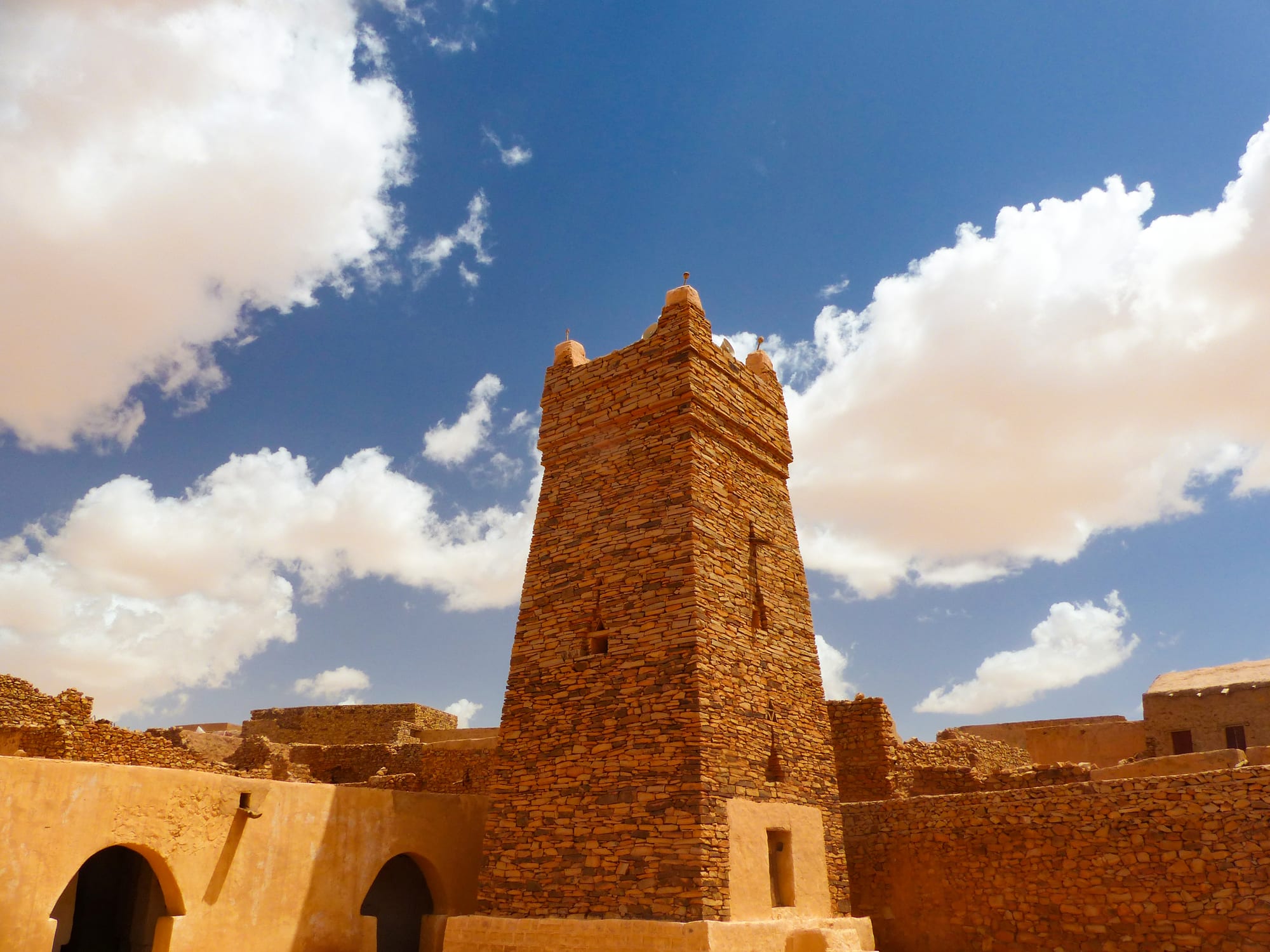
An evening gathering in a Mauritanian home rarely hurries towards any particular point. Guests settle on mats and cushions, greetings are exchanged at length, tea is brewed and poured, and sooner or later someone begins to recite. It might be a love poem in Hassaniya, the Arabic dialect of the Moors, or a verse in classical Arabic learned years before, and others answer with lines of their own. Mauritania is often called the land of a million poets, and the name is only half a joke. Eloquence sits alongside piety and generous hospitality among the qualities most admired in a person, and all three are on show whenever people gather.
Faith, identity and values
Islam is the religion of the state and of its citizens, and it shapes the day, the calendar and the law. The call to prayer punctuates the hours, Friday is the day of congregational prayer, and religious learning carries great prestige. Mauritanian Islam is Sunni and deeply influenced by Sufism: the Tijaniyya and Qadiriyya brotherhoods have large followings, and their leaders are respected as guides to spiritual knowledge. Attempting to convert Muslims to another faith is prohibited. Islam teaches respect for Christians and Jews as "people of the Book", and Jesus is honoured as a prophet, so a visitor's own faith is usually met with interest rather than hostility; what can puzzle Mauritanians is the Western habit of keeping religion to one day a week, since devout Muslims weave prayer through every day.
The country's great institution of learning is the mahadra, sometimes called the university of the desert, now on UNESCO's list of intangible heritage. Traditionally held under a tent, with students seated on mats and cushions, it passes on knowledge mainly through listening and memorisation: the Quran and religious sciences, grammar, Sufism and poetry, but also practical lore about rain, medicinal plants, animal tracks and navigating by the stars. It is open to anyone regardless of age, sex or background, and rests on a moral bond between teacher and student. These schools have long given the country a reputation for religious and literary scholarship.
Mauritanian society is diverse. The Bidhan, or White Moors, of Arab-Berber descent, and the Haratin, or Black Moors, descendants of formerly enslaved people, share the Hassaniya language and much of Moorish culture; Afro-Mauritanian peoples, including the Haalpulaar, Soninke and Wolof, keep their own languages and traditions. Moorish society was historically ranked, with warrior and religious lineages at the top, followed by artisans such as smiths and leatherworkers, and bards and musicians, and awareness of family origin still matters.
A few values run through everyday life. One is patience. A proverb holds that haste comes from the Devil, and plans for the future are routinely qualified with "in sha' Allah", God willing, less as fatalism than as humility about what any person can control. Another is tact: people tend to spare others bad news or talk around a difficult subject, so that "fine" is the expected first answer to a question about health, whatever the truth.
Greetings and meeting people
Greetings are longer than in the West and are never skipped. The person arriving says "as-salaamu alaykum", peace be upon you, and receives "wa alaykum as-salaam" in reply, followed by a run of questions about health, family and wellbeing, each answered with thanks to God. Getting straight down to business without this exchange comes across as abrupt. Men shake hands readily, often with everyone in a room, and a handshake may be held for some time while talking. Many men, especially older and more religious men, do not shake hands with women, and women visitors are advised not to force the gesture but to follow the lead of the person they are greeting. Staying on good terms also means sending greetings to the families of people one has met, even briefly.
Names follow an old Arab pattern. Instead of a fixed surname, a person is known by their own name followed by "wul", son of, or "mint", daughter of, and their father's name, so that a family's line can be traced back through the generations in a single string of names. Anyone who has made the pilgrimage to Mecca may add the title Hajj.
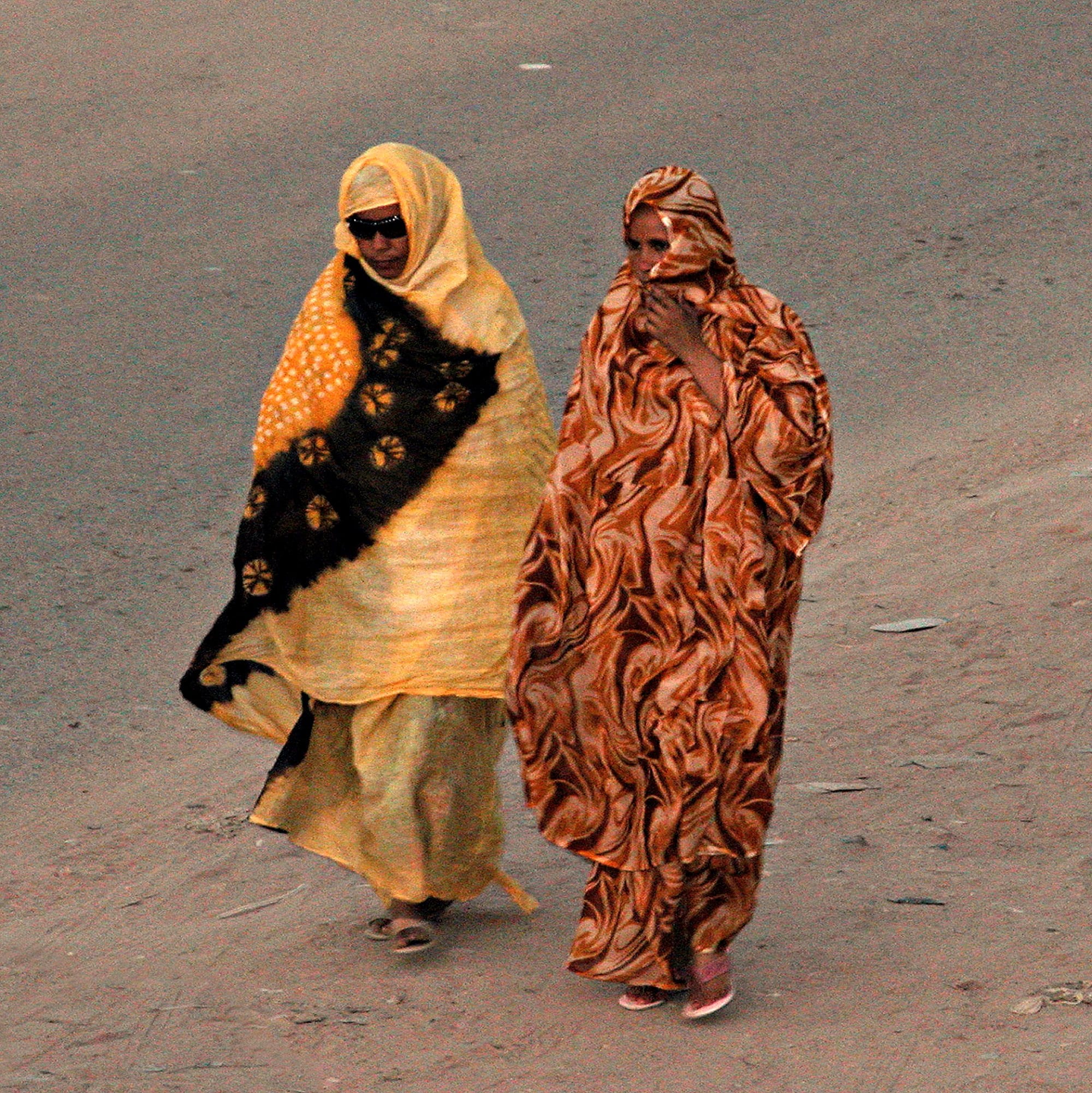
Clothing marks identity and modesty at once. Many men wear the daraa, a wide, flowing robe, usually pale blue or white, while women wear the malahfa, a long length of brightly coloured cloth wrapped around the body and over the head. Visitors are expected to dress modestly away from the beach: women should cover their shoulders and avoid short skirts, and men do best to avoid shorts and sleeveless tops. A head covering is not required of foreign women, but it is considered a polite gesture.
Hospitality and being a guest
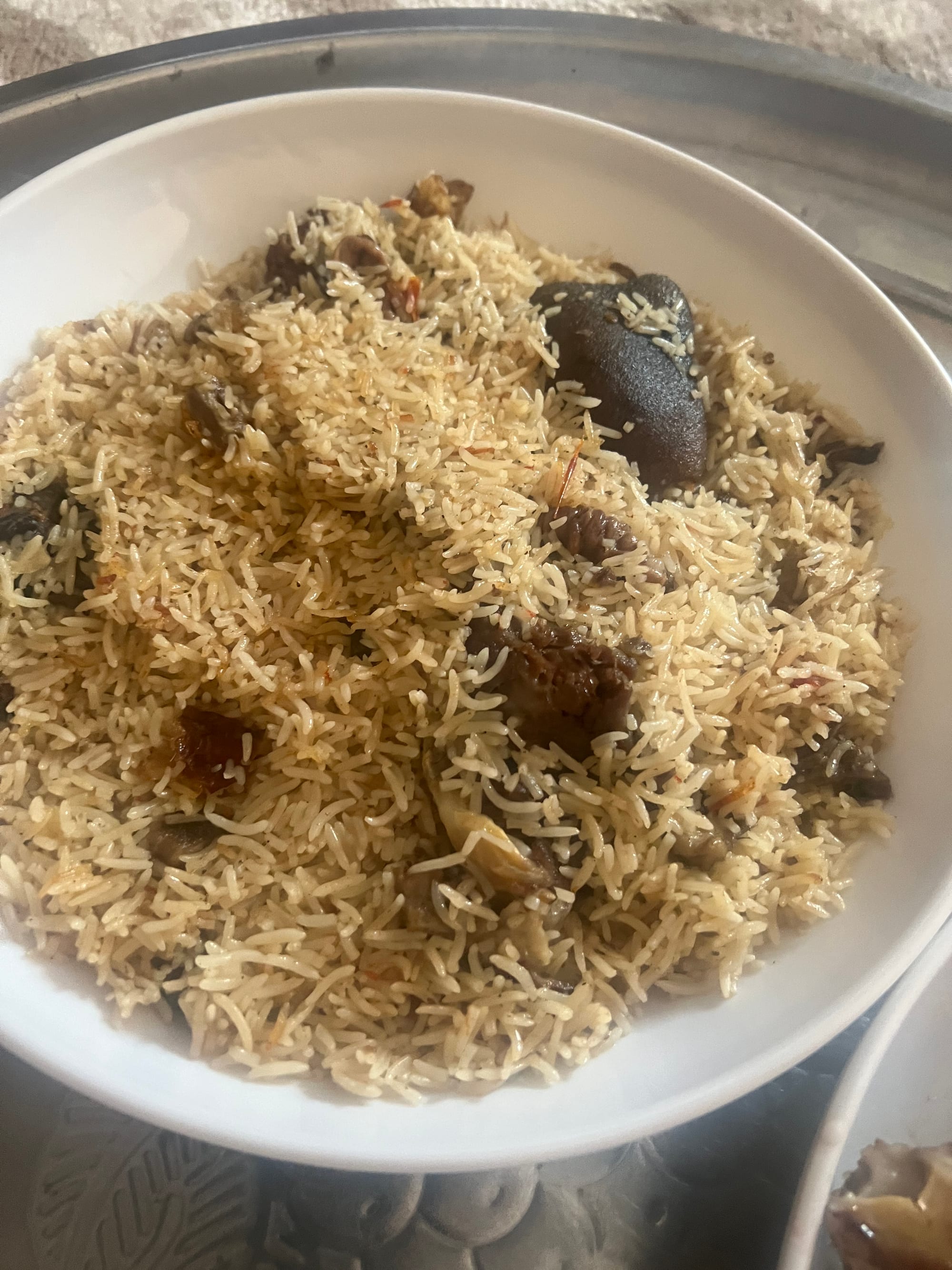
Hospitality is a point of pride, and a guest's enjoyment is its measure. Someone invited to a Mauritanian home for a meal is not expected to bring a present or contribute to the food. What is expected is time: a visit can last long before, during and after the meal, and hosts will urge a guest to eat, and eat more, watching with pleasure the enthusiasm with which the food is received. People tend to stand close together in conversation, and a visit is an occasion to talk rather than a quick call.
Meals are often shared from a large common bowl, with everyone eating from the section in front of them. Only the right hand is used to eat, to serve or to pass food, since the left is reserved for washing. Tea follows the meal and accompanies almost every social occasion, from a visit at home to a funeral or a stop on a long journey. Alcohol and pork are illegal for everyone, visitors included. During Ramadan, eating, drinking, smoking and even chewing gum in public during daylight hours are avoided out of respect for those fasting.
Festivals and life's big moments
The religious year gives the country its shared celebrations. Ramadan changes the rhythm of daily life: the fast is broken each evening at sunset, shop hours shift, and expectations of modest dress become stricter still. The month ends with Eid al-Fitr. Eid al-Adha, the feast of sacrifice, is the other great family festival, when relatives gather and an animal is slaughtered and shared.
Weddings have traditionally been arranged between families, and the groom is responsible for a bride price and lavish gifts. The celebrations bring together several practices on UNESCO's intangible heritage lists for Mauritania, some of them shared with other Arab countries: the bride's preparation with henna, the zaffa, a bridal procession with music, joyful ululation and the throwing of sweets, and the giving of engraved silver and gold jewellery as wedding gifts. Griots perform at weddings, sometimes reciting episodes of the country's great epics.
Marriage and divorce are both part of ordinary life. Divorce is common, and remarriage carries little stigma; a woman who has been married several times may even be considered especially attractive. Some trace the custom of celebrating a divorce to an older tribal society in which a woman's return to the marriage market needed to be publicly announced.
Funerals follow Islamic practice. The body is washed and wrapped in white cloth, and the burial is traditionally attended by men. Relatives, friends and neighbours then come to offer condolences to the family, and tea is served to those who come to mourn.
Arts, crafts and music
Poetry is the art Mauritanians value most, composed and recited in both classical Arabic and Hassaniya, and recited wherever people gather. Music is closely tied to it. Moorish music was traditionally the preserve of hereditary griot families, the iggawen, who handed their skill down within the family, young griots learning the instruments before being initiated into the poetry. Its core instruments are the tidinit, a lute, and the ardin, a harp traditionally played by women, together with drums.
The Moorish epic T'heydinn, a cycle of dozens of poems praising the deeds of emirs and sultans, is the grandest expression of this tradition. Griots perform it to the lute, the harp and the kettledrum at weddings, reconciliation ceremonies and other gatherings, and it is valued as a force for social peace. It is also fragile: griots who know the whole epic are few and mostly elderly, and in 2011 UNESCO placed it on its list of heritage in urgent need of safeguarding. Among the Haalpulaar, the Epic of Samba Gueladio, the tale of a dispossessed prince who wins back his throne through alliances, including with the Moors, is sung by griots at weddings and births and celebrated as a story of friendship between peoples.
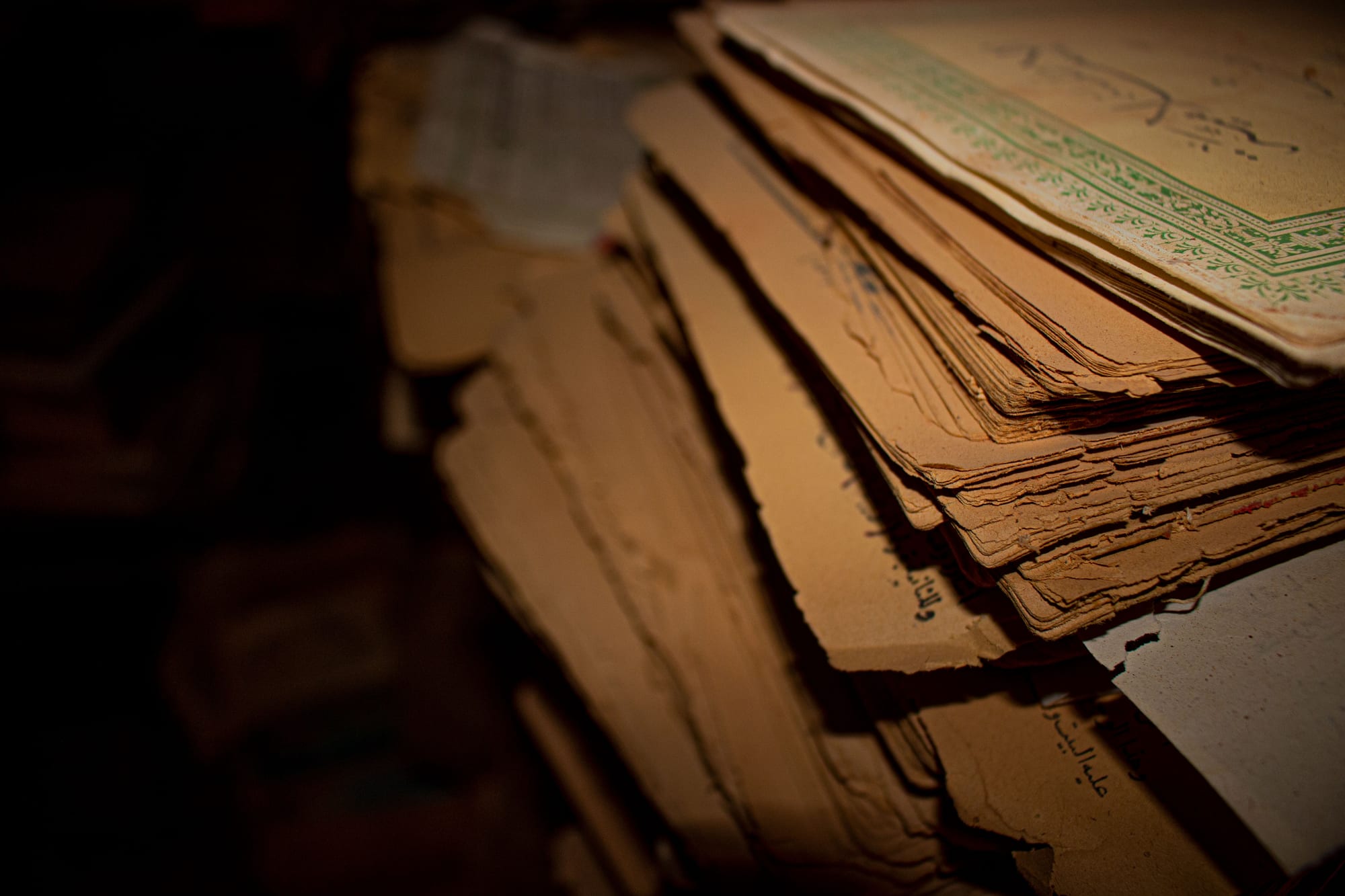
The written word has its own heritage. Old family libraries still hold manuscripts copied by hand over centuries, and Arabic calligraphy is among the traditions UNESCO lists for Mauritania alongside other Arab states. Crafts are the work of specialist artisans: smiths engrave silver, gold and copper with geometric patterns and verses, making the jewellery and household objects given at weddings, and leatherworkers, weavers and potters have long made the everyday goods of Moorish life.
Dos and don'ts for visitors
- Do check the latest government travel advice before any trip; most governments advise against travel to the border regions with Mali and Algeria and much of the east and south-east, and against unescorted desert travel.
- Do begin every encounter with "as-salaamu alaykum" and take time over the greetings that follow.
- Do let women decide whether to shake hands; many men do not shake hands with women.
- Do dress modestly: women should cover their shoulders and avoid short skirts, and men do best to avoid shorts and sleeveless tops.
- Do eat, serve and pass things with the right hand only, and expect to be urged to eat generously.
- Do ask permission before photographing people, and never photograph government or military sites or security personnel.
- Don't eat, drink or smoke in public during daylight hours in Ramadan.
- Don't bring alcohol or pork into the country; both are illegal for everyone.
What to take away
Mauritanian courtesy asks above all for time — to greet properly, to eat and drink with hosts and to listen — and a visitor who gives it will find a welcome as generous as any in the Sahara.