Food · Mauritania
Mauritania: Food and the National Dish
Camel couscous cooked under a desert tent, at the meeting point of Arab-Berber North Africa and the West African Sahel
By Worldlore Editorial · 16 September 2026
A country between two food worlds
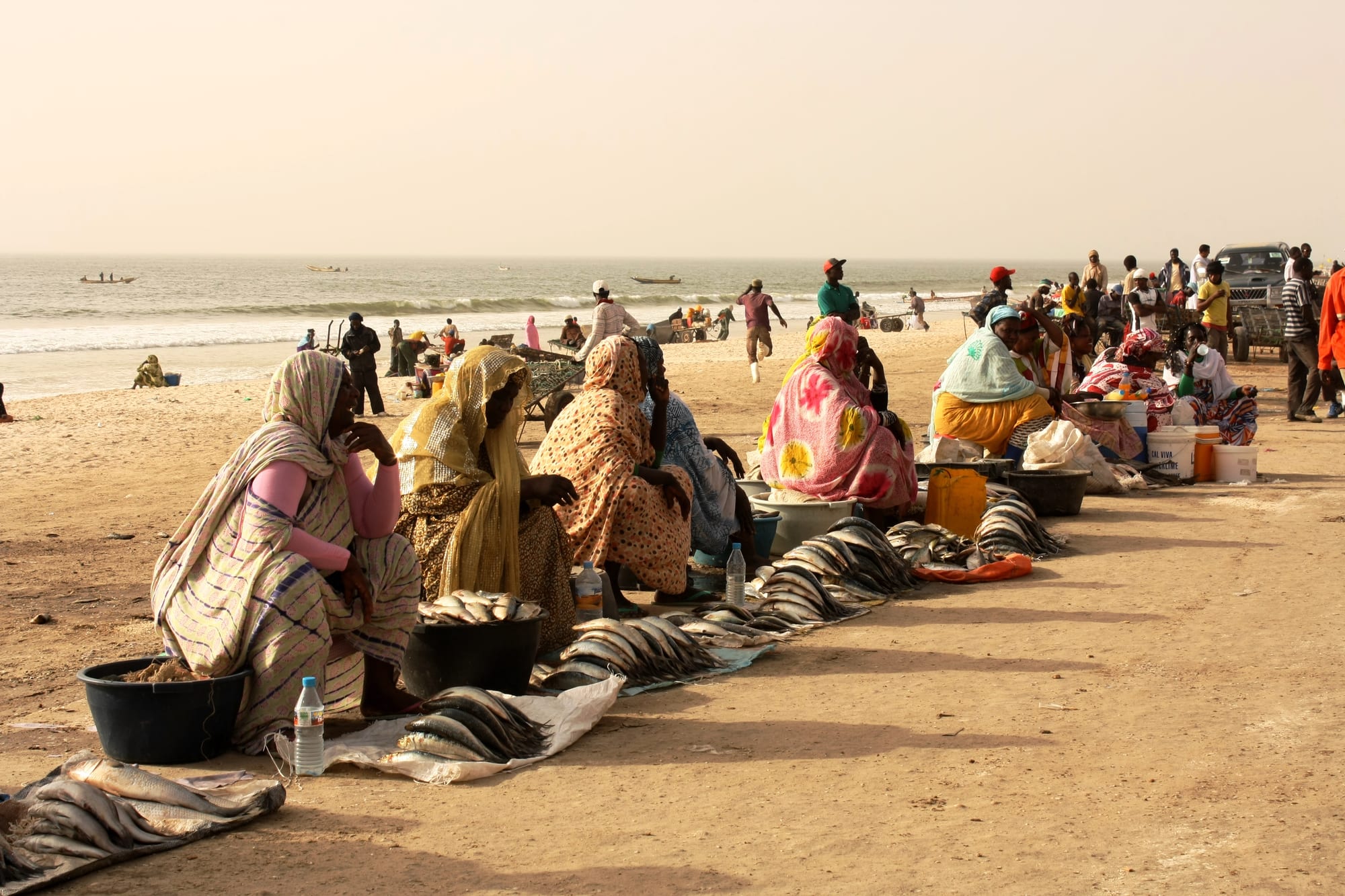
Mauritania sits at a genuine crossroads between Arab-Berber North Africa and the West African Sahel, and its food reflects both halves directly: camel and goat meat, couscous and dates from its Maghreb, nomadic Moorish heritage, alongside rice and fish traditions shared with Senegal and its other West African neighbours to the south.
The signature dish: camel couscous
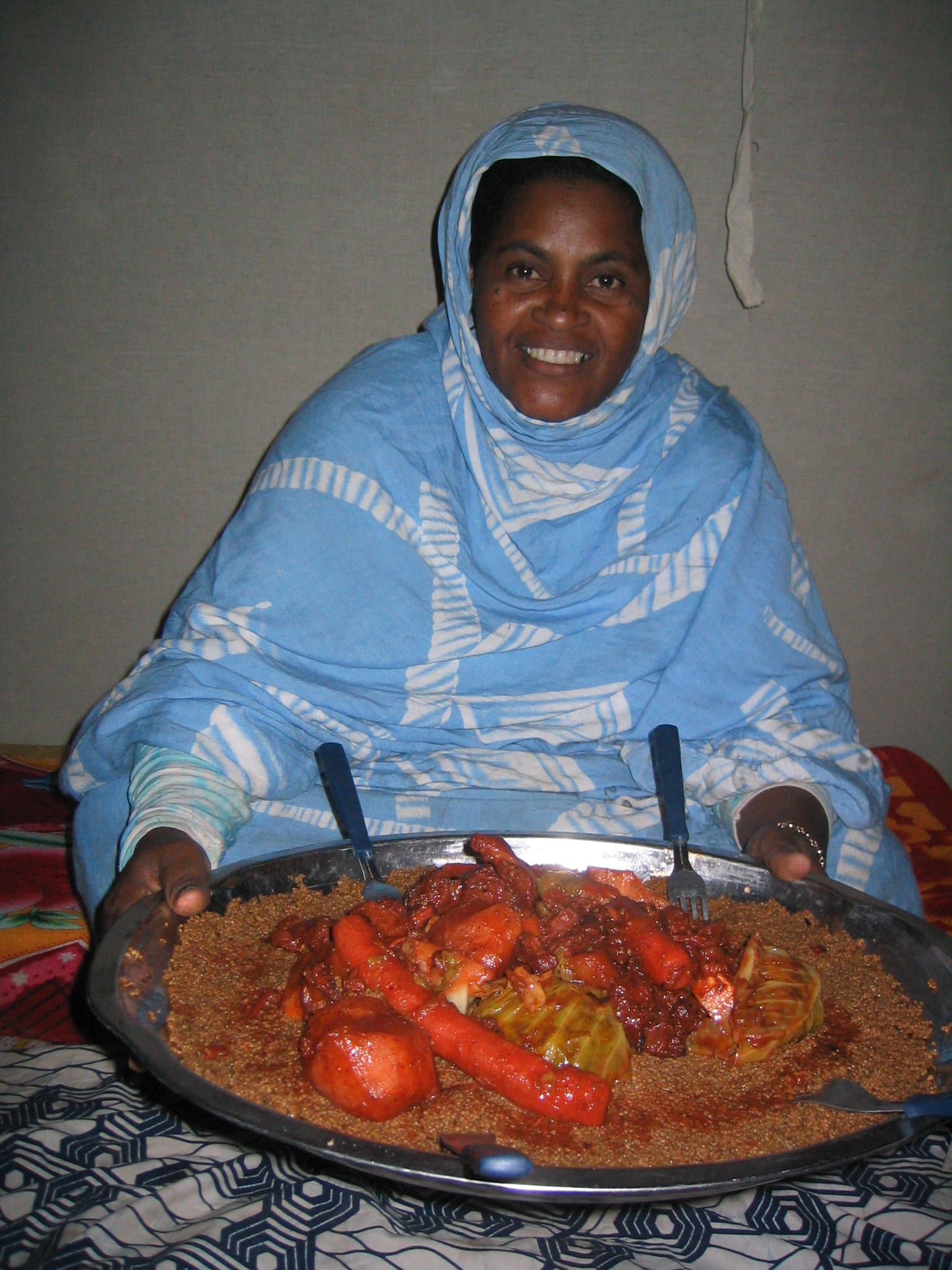
Couscous made with camel meat, steamed semolina served alongside slow- cooked camel and vegetables, is one of Mauritania's most distinctive dishes, reflecting the country's nomadic Moorish herding tradition more directly than almost anything else on the table. Traditionally prepared and eaten under a tent, often for guests as a mark of hospitality, it carries real cultural weight beyond its ingredients.
Rice, fish and a shared Sahel tradition
Thieboudienne, rice cooked with fish and vegetables in a tomato-based sauce, is genuinely Senegal's national dish but is also widely eaten in Mauritania, reflecting the shared food culture of the Senegal River valley that forms much of the border between the two countries. Dates, millet, dairy from camels and goats, and fresh Atlantic fish, thanks to Mauritania's significant coastal fishing industry, round out the country's dual-tradition pantry.
History behind the dual identity
Mauritania's population and food culture split historically between Arab-Berber Moors, whose nomadic herding lifestyle shaped the country's camel-and-couscous tradition, and Sub-Saharan African communities along the Senegal River valley, whose rice-and-fish cooking ties Mauritania directly to the wider West African Sahel. That dual identity, rather than a single blended cuisine, is what genuinely defines Mauritanian food.
Dishes to know
Five more to recognise across Mauritania:
- Thieboudienne — rice cooked with fish and vegetables in a
tomato-based sauce, shared with Senegal along the Senegal River valley.
- Méchoui — whole roasted lamb or goat, a Maghreb-wide celebration
dish also found in Mauritania.
- Dates — a genuine everyday staple, especially in the desert interior,
reflecting Mauritania's Saharan geography.
- Zrig — a drink of fermented or fresh camel or goat milk, often
sweetened, a traditional nomadic staple.
- Tea (attaya) — brewed strong and sweet, poured across three
traditional rounds as a genuine social ritual.
Drinks
Attaya, strong, sweet green tea brewed and poured across three traditional rounds, each said to carry its own meaning, is Mauritania's most significant social ritual, found across the Sahara and Sahel more broadly. Zrig, made from camel or goat milk, is a traditional refreshment particularly suited to the desert climate.
Eating as a traveller
Vegetarians will find couscous and rice-based vegetable dishes manageable, though meat and fish are central to most traditional cooking. Tap water is not reliably safe outside major hotels; stick to bottled or boiled water. Being offered attaya and staying for all three rounds, rather than leaving after the first, is a genuine mark of respect for Mauritanian hospitality.
What to take from the table
Camel couscous, cooked under a desert tent, is the dish that most directly reflects Mauritania's nomadic Moorish heritage — and a bowl of thieboudienne alongside it shows how firmly the country's food also belongs to the West African Sahel.