Culture & Customs · Marshall Islands
Marshall Islands: The Word for Hello Is Love
A ranked society held together by the mother's line, a faith celebrated with months of song and dance, and an ethic of sharing so strong that turning down food can read as an insult
By Worldlore Editorial · 30 September 2026
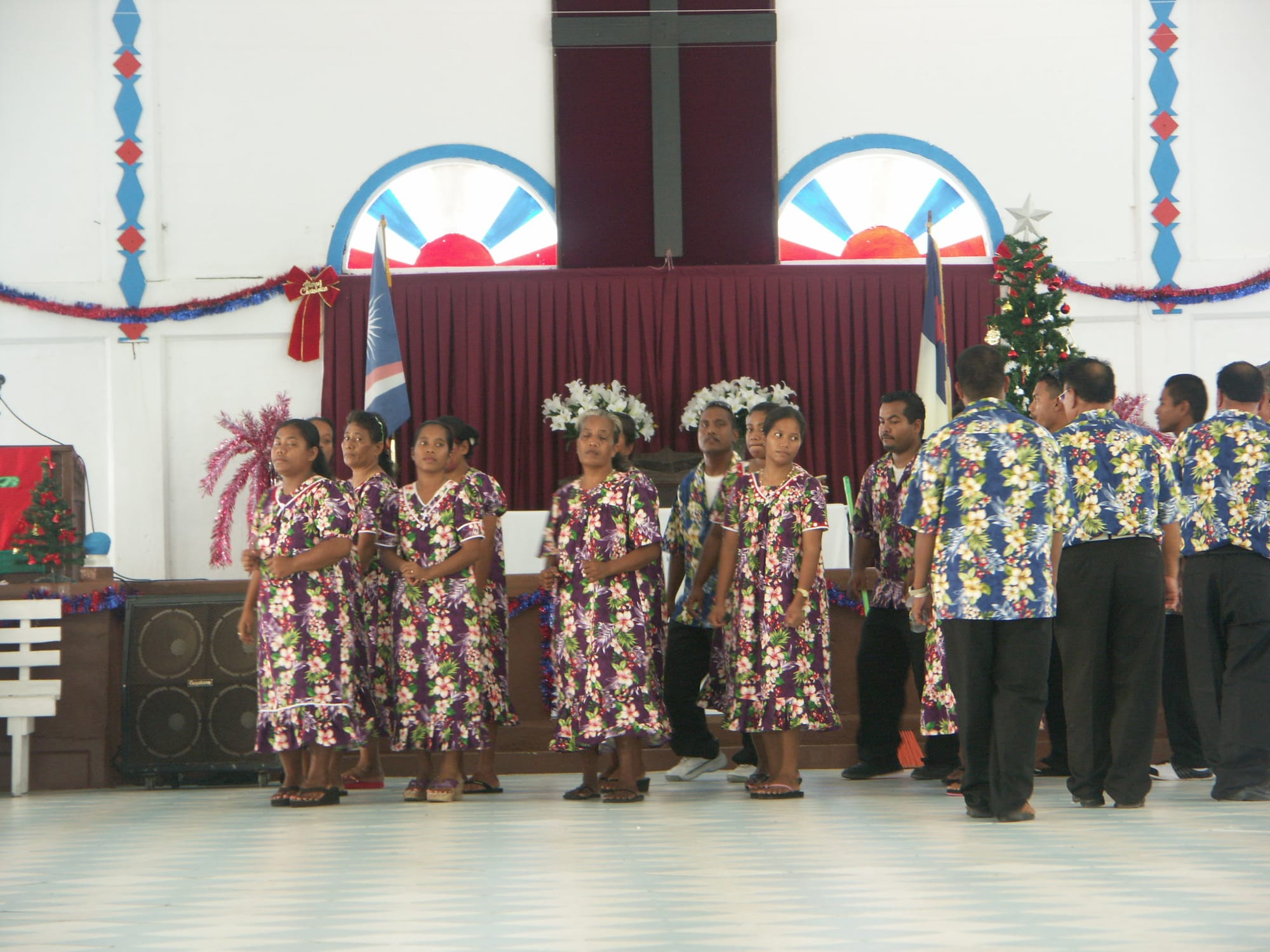
On the first Friday of December, churches across the Marshall Islands fill from morning until late at night. Groups known as jepta take turns at the front, singing, performing skits and dancing the biit, a choreographed marching dance, to tell the story of how Christianity arrived in 1857 aboard a missionary ship called the Morning Star. Many groups bring a model of the ship itself, some small, some large, and fill it with banknotes, cases of instant noodles and other gifts for the congregation. The competition is fierce, the audience joins in, and the whole performance is an offering. Faith, family groups, a love of song and the conviction that what one has is meant to be given away: much of Marshallese culture is on show in that single day.
Faith, identity and values
The great majority of Marshallese are Christian. Protestant missionaries of the American Board of Commissioners for Foreign Missions arrived in the nineteenth century, followed by Catholics and, later, many other denominations; the largest church in the country today is the United Church of Christ. Sunday is set aside for services and rest, and church life, from choir practice to fundraising, fills much of the social calendar. Older ideas have not entirely disappeared. Anthropologists note that a belief in magic still plays a part in everyday life, that figures from the old religion survive in the names of constellations, and that the dead are thought of as ancestors who continue to take an interest in the living and in the land they once worked.
That land is the foundation of Marshallese identity. The society is matrilineal: every person belongs to their mother's lineage, the bwij, and rights to land pass down through the mother's line, although the children of men in the lineage also have rights to live on it. Land is organised under a layered system of authority. The iroij, the chiefs, hold ultimate control over land and its use and settle disputes; the alap, the heads of lineages, manage the land day to day; and the rijerbal, the workers, carry out the labour on it. Men have traditionally been associated with the sea and the sky, fishing, building canoes and climbing for coconuts, and women with the land, and although men are more visible in public life, women's decisions behind the scenes often carry the day.
Two values run through everything. The first is rank and respect: the Marshall Islands is a ranked society in which elders stand above the young and chiefs above commoners, and codes of deference shape how people move, sit and speak. The second is sharing. On small islands with scarce resources, generosity was a condition of survival, and it remains a moral obligation rather than a nicety. As the former health secretary Jack Niedenthal has written, a Marshallese person tends to see themselves less as the owner of food or property than as its steward, and one of the worst things a person can be called is stingy.
Greetings and meeting people
The everyday greeting is iakwe, written iọkwe in the newer spelling and often yokwe, and pronounced roughly "yaw-kweh". It serves as both hello and goodbye, and the same word carries the sense of love and compassion, which makes it one of the most useful words a visitor can learn. Kommol means thank you, and kommol tata, thank you very much. Courtesy and respect, above all towards elders and chiefs, are the qualities most prized in any encounter.
Respect is expressed physically as well as in words. Traditionally, one should not walk in front of a senior, pass upwind of them, or let one's head rise above theirs, and in gatherings the highest-ranking people have traditionally been placed at the centre or the windward end of the circle. At meetings and public events, a speaker of lower rank may begin by saying, in effect, that their words count for little beside those of the important people present, and the most senior person often speaks on behalf of a group. Speeches matter: gatherings of any size, from church events to first birthdays, are occasions for long and carefully made oratory.
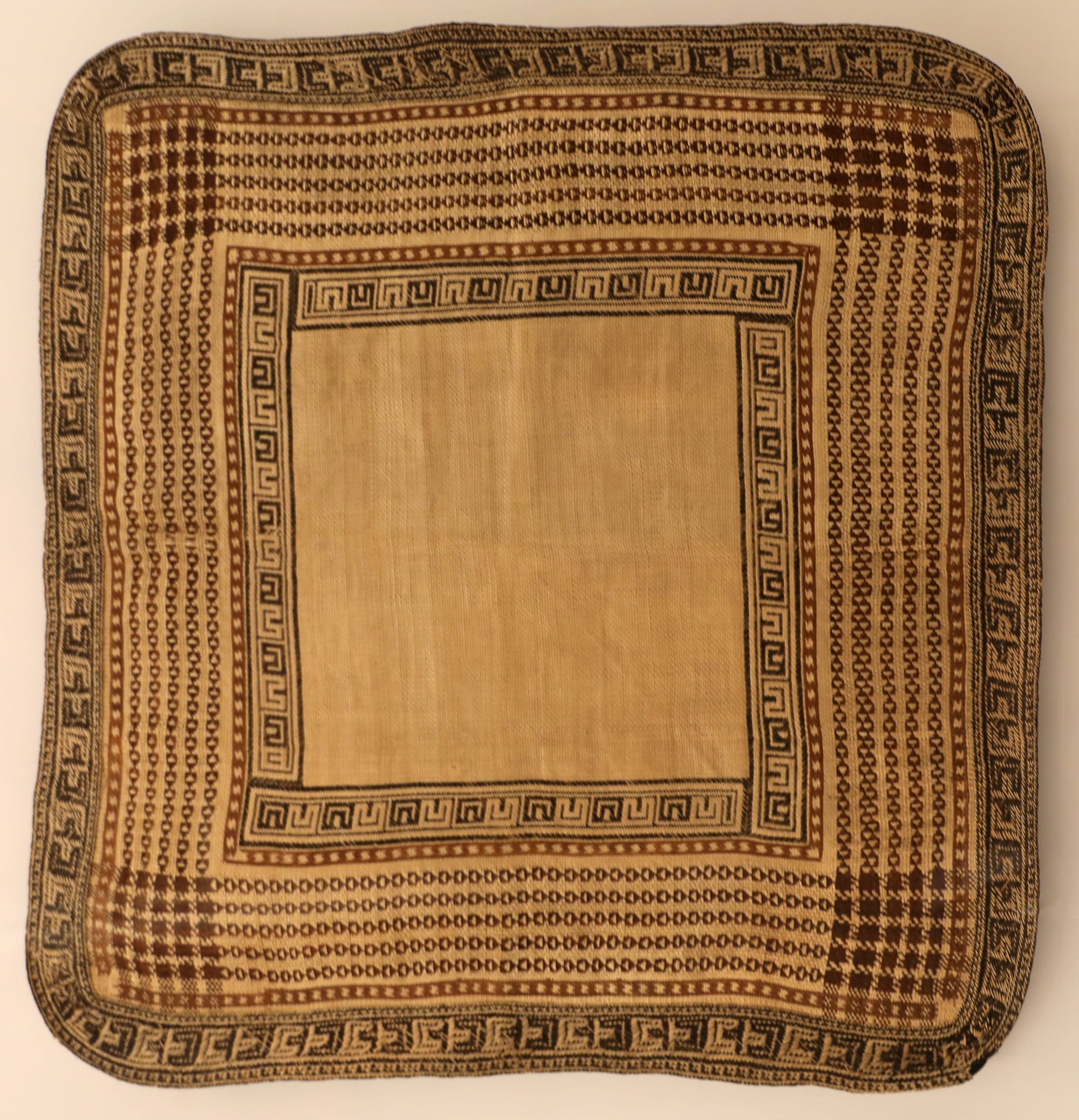
Dress follows the same concern for propriety. In the past, both men and women covered the lower body and thighs with finely woven mats, and a woman's mats changed when she became visibly pregnant, marking her new standing. Cotton dresses arrived with the missionaries, and today most women wear long skirts or loose, short-sleeved dresses that cover the shoulders and legs, often keeping them on even when swimming. Exposed thighs are regarded as immodest for women, and visitors are expected to cover up away from the beach.
Hospitality and being a guest
Hospitality in the Marshall Islands grows directly out of the ethic of sharing. A fisherman coming home with a good catch has traditionally divided it among relatives and neighbours at the boat, not as charity but as a duty, and families share food, housing and help as a matter of course. The same logic applies to guests. Food offered to a visitor is a gesture of trust and welcome, and declining it, even politely, can be taken as a sign of offence or of some unspoken grievance. Accepting at least a little, and saying kommol, is the gracious response; if there is a genuine reason not to eat, it is best explained clearly.
Large gatherings are where hospitality is most visible. At a first birthday or a funeral, the host family provides food for everyone who comes, and at a wake that can mean feeding a stream of visitors for a week. The codes of respect about not standing over seniors apply at such gatherings as much as anywhere else. Stinginess, by contrast, invites shame, and shame remains a powerful force in keeping people true to communal values.
Festivals and life's big moments
The religious year builds towards December. Gospel Day, a public holiday on the first Friday of the month, marks the arrival of the Morning Star, and the jepta groups that perform on it go on to compete again over the Christmas season, with the finals on Christmas Day itself. The money and gifts they gather are donated to their churches. Christmas celebrations, with their song and dance, draw in whole communities. Other national days include Constitution Day on 1 May, President's Day in November and Nuclear Victims Remembrance Day on 1 March, a solemn day of remembrance for communities affected by the nuclear testing of the mid-twentieth century. Each year Manit Day, the national culture day, is given over to canoe races, weaving, traditional food and dance.
The single most important family celebration is the kemem, a child's first birthday. The custom is often explained by the days when many babies did not survive their first year, and reaching that milestone was cause for thanksgiving. Today a kemem can be a very large event, with relatives travelling from far away, speeches, traditional singing and the marching biit, live music or a DJ, printed T-shirts bearing the baby's face and gifts for every guest. Because they demand so much time and money, many families now hold a full kemem mainly for a first-born child.
Marriage has traditionally joined people of different clans, and because land rights run through the lineage, couples have customarily settled on the land of one or other set of parents. Funerals are long and communal. The wake, the ilomej, usually lasts around a week, with the body kept by the family while extended relatives and friends come to pay their respects and celebrate the person's life. Mourners traditionally bring a small sum of condolence money, and the bereaved family prepares large amounts of food for everyone who comes. At the burial, remarks are made by the iroij and alap who hold the land where the grave lies, as well as by close relatives. A few days later comes the eorak, a memorial at the graveside, when family members place white pebbles or coral around the grave as a sign that tensions within the family have been laid to rest and the dead may rest in peace.
Arts, crafts and music
Weaving is the Marshall Islands' great art, and it belongs to women. The finest pieces are the jaki-ed, clothing mats woven from pandanus leaf with intricate geometric borders, once worn by women and also used for sleeping and sitting. Imported cloth pushed the craft almost to extinction: when a revival project began in 2006, only four weavers who knew how to make them were said to be left. Built around apprenticeships and weaving courses, it has since taught the skill to a new generation of women, who are producing new mats. Everyday weaving never died out. Baskets, fans, hats and mats woven from pandanus and coconut fibre are still made across the country, and Marshallese craftwork is admired throughout the Pacific.
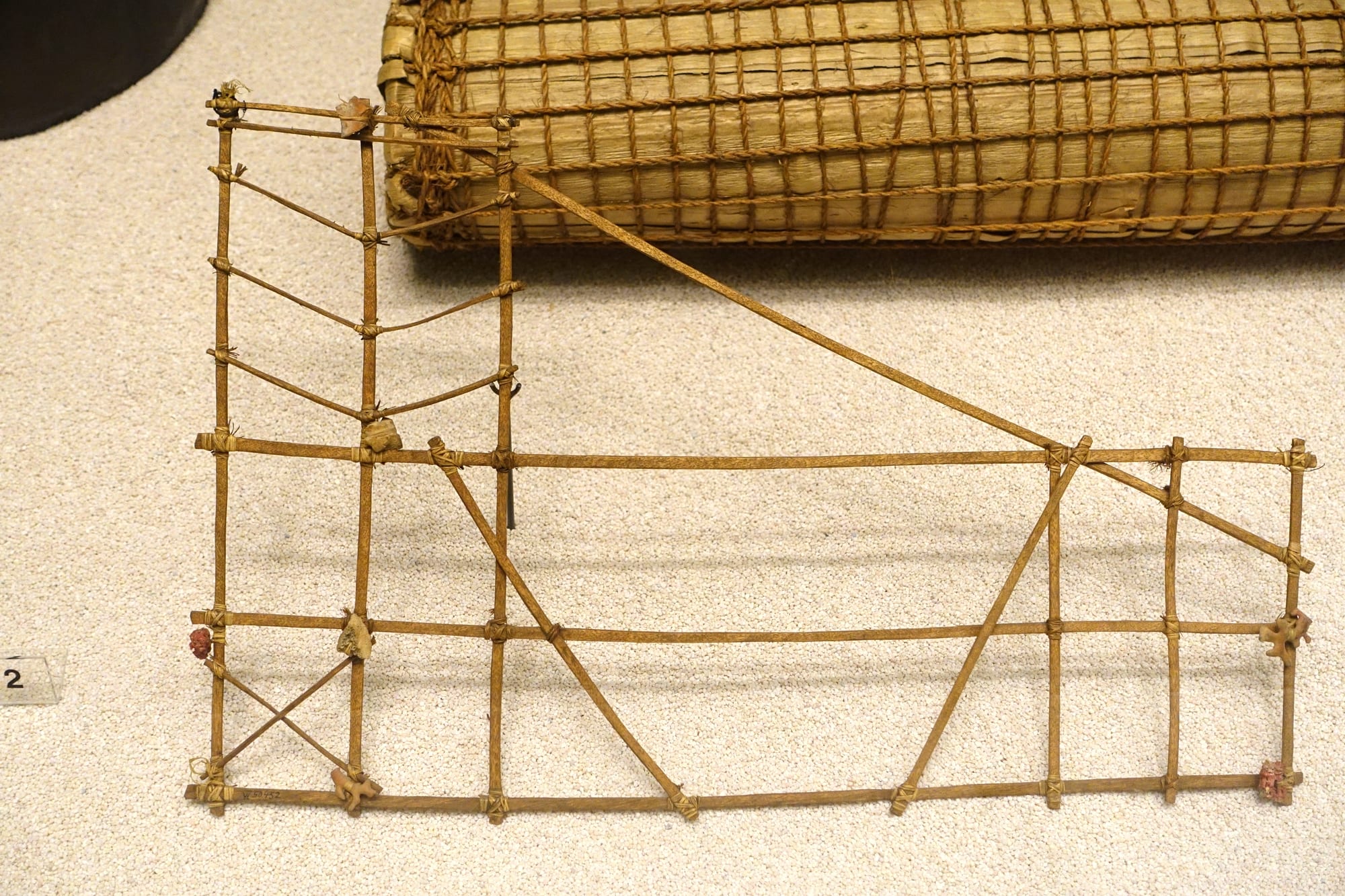
The sea shaped the other traditional arts. Marshallese navigators learned to read ocean swells, currents and the stars, and taught what they knew using stick charts, frames of lashed sticks once used to instruct novice sailors and now a national emblem. Canoe building and sailing, long practical necessities, are now also celebrated as living heritage, with races held for Manit Day. Tattooing was once a major rite of passage, carried out at elaborate ceremonies to the beat of drums, with patterns drawn from the ocean and nature, before it faded under missionary influence.
Music today is dominated by song. Church choirs are central to religious life, and the biit and other group dances performed by jepta blend older movement with church celebration. There has also been a revival of interest in older dances, and a small local recording industry has grown up around popular songs in Marshallese.
Dos and don'ts for visitors
- Do greet people with "iakwe" and thank them with "kommol", and show particular respect to elders and chiefs.
- Do dress modestly: women should keep thighs and ideally knees covered, and swimwear should be covered with a wrap away from the beach.
- Do accept food when it is offered, even just a little; turning it down can be read as a sign of offence.
- Do avoid walking in front of elders or standing with one's head above theirs when they are seated.
- Do keep Sundays quiet and respectful; they are reserved for church and rest.
- Do bring a small gift of condolence money if invited to a wake, and expect to be fed.
- Don't photograph people, church services or family events without asking first.
What to take away
In the Marshall Islands, respect is shown in how people stand, speak and share — and a visitor who greets with iakwe, dresses modestly and accepts what is offered will be taken into a culture that treats generosity as the measure of a person.