History · Malta
Malta: The Fortress in the Middle of the Sea
Temple builders older than the Pyramids, a Semitic language on a Catholic island, the Knights of St John and the Great Siege of 1565, the George Cross of the Second World War, and a small EU state
By Worldlore Editorial · 10 September 2026
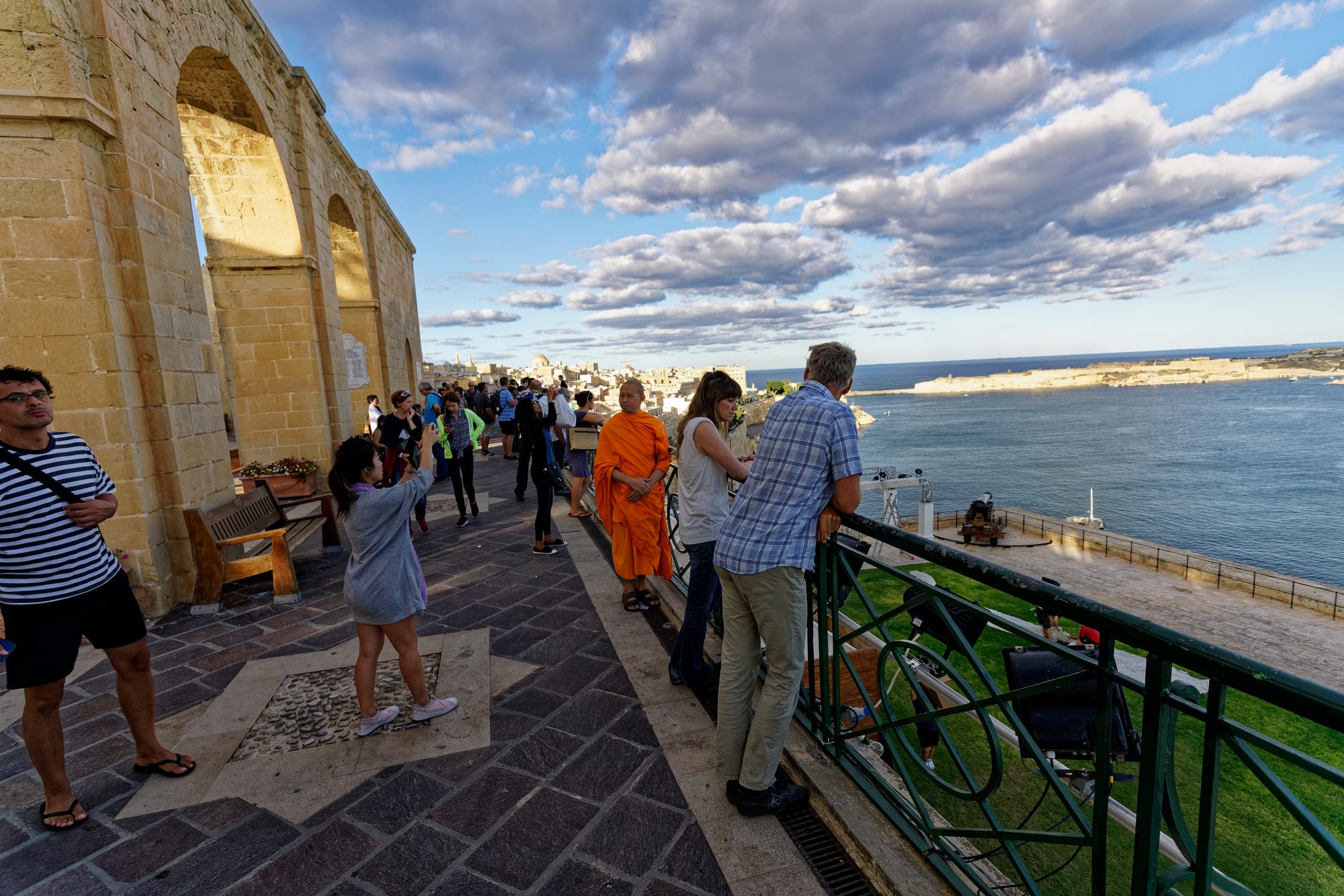
A crossroads too useful to leave alone
Malta is a tiny archipelago in the centre of the Mediterranean — about 80 kilometres from Sicily and 300 from North Africa — with some 540,000 people packed into a little over 300 square kilometres, making it one of the most densely populated countries in the world. Its position, astride the sea lanes between Europe and Africa and between the eastern and western Mediterranean, has meant that almost every power in the region has, at some point, wanted it.
A short history
- c. 3600–2500 BCE
The temples
Megalithic temple builders raise Ħaġar Qim, Ġgantija and others.
- c. 800 BCE
Phoenicians
Then Carthaginian and, from 218 BCE, Roman rule.
- 870–1091
Arab Malta
Two centuries of Muslim rule shape the Maltese language.
- 1530
The Knights
Charles V grants Malta to the Order of St John.
- 1565
The Great Siege
The Knights repel a large Ottoman invasion.
- 1566
Valletta
A planned fortress city is founded.
- 1798–1800
French rule
Napoleon takes Malta; a Maltese revolt drives the French out.
- 1814–1964
British colony
A key Royal Navy base.
- 1940–1943
The siege
Malta is bombed relentlessly and awarded the George Cross.
- 1964
Independence
Malta becomes a sovereign state.
Temples, and languages
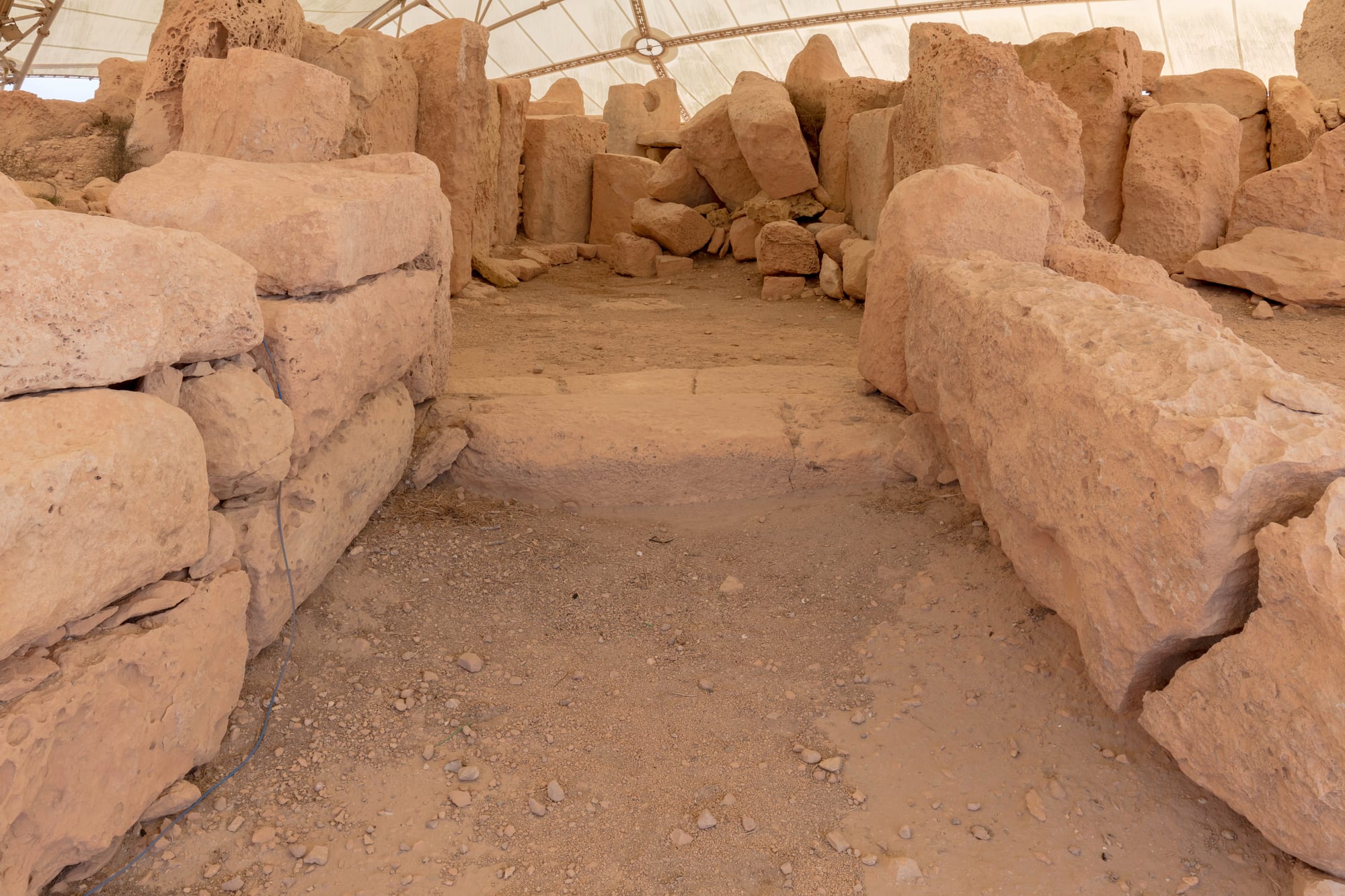
Between about 3600 and 2500 BCE, a temple-building culture on Malta raised some of the oldest free-standing stone structures in the world — older than Stonehenge or the Pyramids — and then vanished.
Phoenicians settled Malta around 800 BCE; then came Carthage, Rome — where Maltese tradition places the shipwreck of St Paul and the island's conversion to Christianity — and Byzantium. The Arab conquest of 870 brought two centuries of Muslim rule that gave Malta its language: Maltese is a Semitic tongue, descended from the Arabic of that period, now the only such language written in the Latin alphabet, and spoken on a thoroughly Catholic island.
The Knights, and the Great Siege
The Normans took Malta in 1091, and for four centuries it was a poorly defended fief of the Kingdom of Sicily. In 1530 Emperor Charles V granted it to the Knights Hospitaller of St John — recently expelled from Rhodes by the Ottomans — for the token rent of one falcon a year.
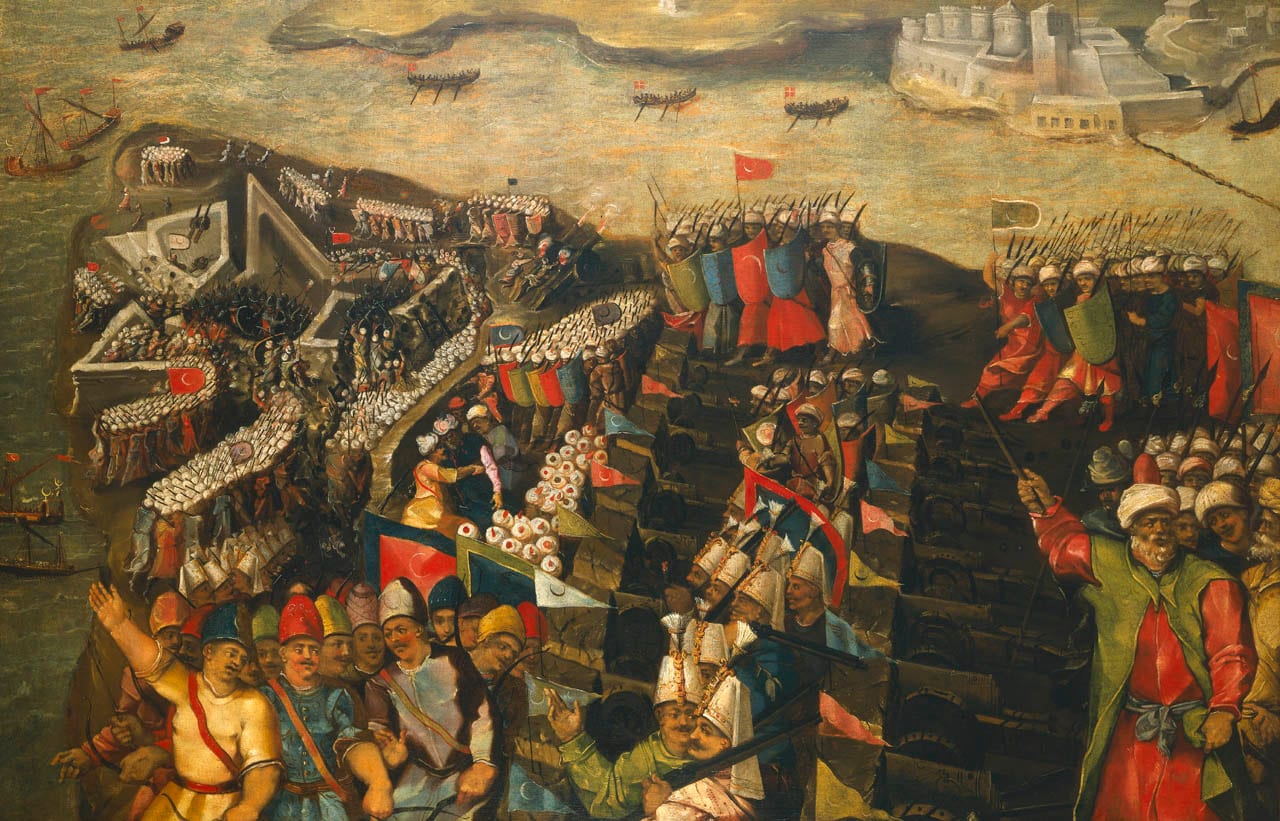
After the siege, the Knights built Valletta — a planned Renaissance fortress city funded by donations from across Catholic Europe — and spent the next 230 years turning Malta into a baroque naval base, living off their European estates and raiding Muslim shipping. By the 1790s the Order was decadent, and the French Revolution had seized its main source of income.
French, then British
Napoleon took Malta without a fight on his way to Egypt in 1798. French rule lasted two years before anticlerical measures and looting provoked a Maltese revolt, which, with British naval help, forced the French out. Malta then passed to Britain, becoming a colony in 1814 and the headquarters of the Royal Navy's Mediterranean Fleet — a fortress colony whose dockyard was the main employer, and whose politics were dominated by a long fight over language: Italian, English or Maltese.
The George Cross Island
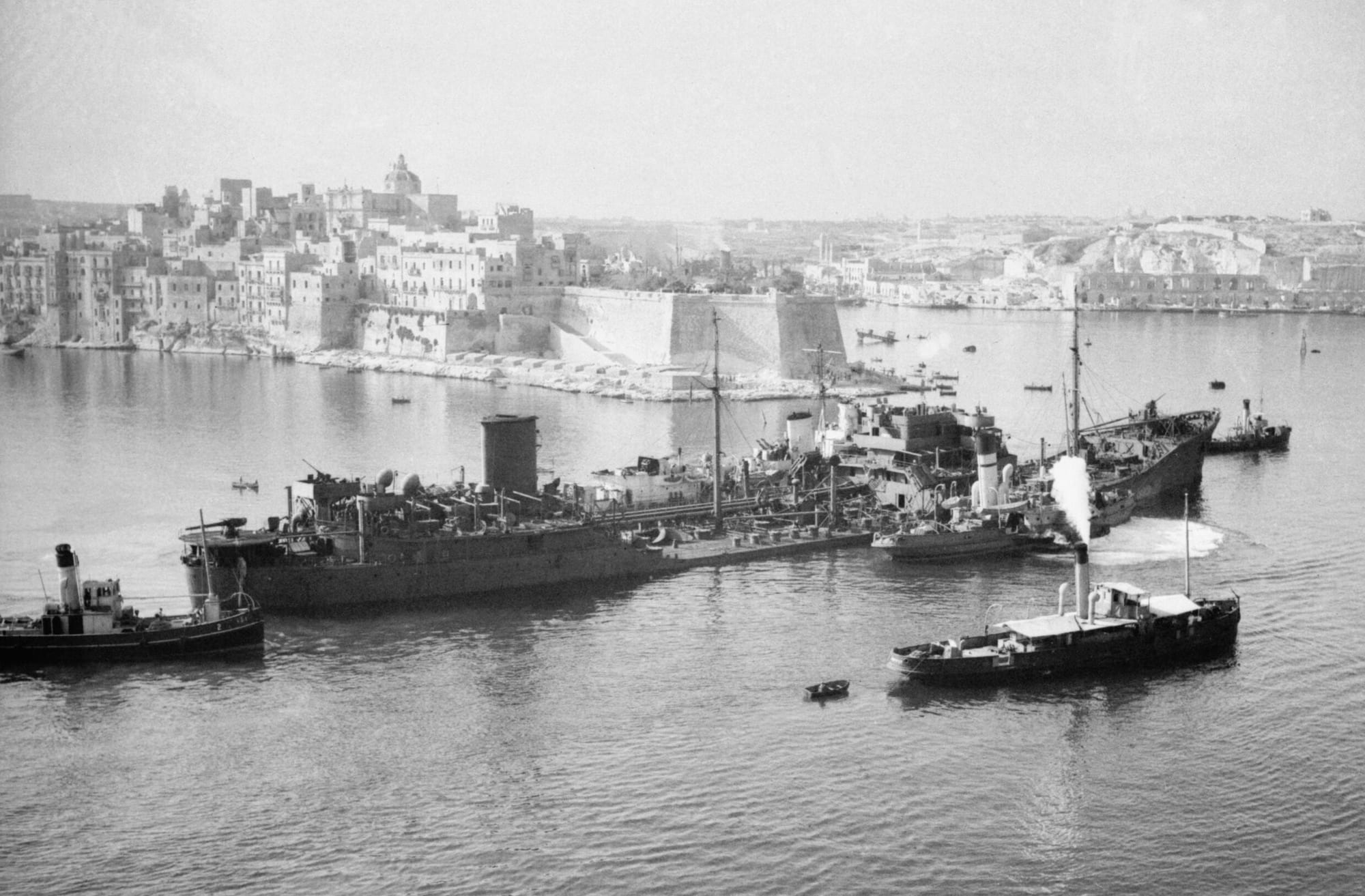
Malta's position made it vital in the Second World War for cutting Axis supply convoys to North Africa, and from June 1940 it was besieged and bombed for over two years — one of the most intensively bombed places of the war.
Independence, and Europe
Malta became independent on 21 September 1964, a republic in 1974, and free of British forces in 1979. Its politics polarised sharply between two parties — including the confrontational Labour governments of Dom Mintoff, who leaned toward Libya and the Eastern bloc. Malta joined the European Union in 2004 and the euro in 2008, liberalised socially in the 2010s, and built a fast-growing economy on finance, online gaming, tourism and the sale of citizenship.
What Malta carries
Malta's history is written in stone — the temples, the bastions of Valletta, the war-damaged towns — and all of it follows from geography. A rock in the middle of the sea, it was held by the Knights as Christendom's frontier, by Britain as a naval base, and is prized now as an EU member state with a passport for sale. The strategic value that made it a fortress is the same value it trades on today.