Daily Life · Malta
Malta: A Nation the Size of a Neighbourhood
The most densely packed country in the EU, small households that still gather for Sunday lunch, free buses that somehow haven't dented one of the continent's highest rates of car ownership, and open-air street markets that set up in town after town through the week
By Worldlore Editorial · 30 September 2026
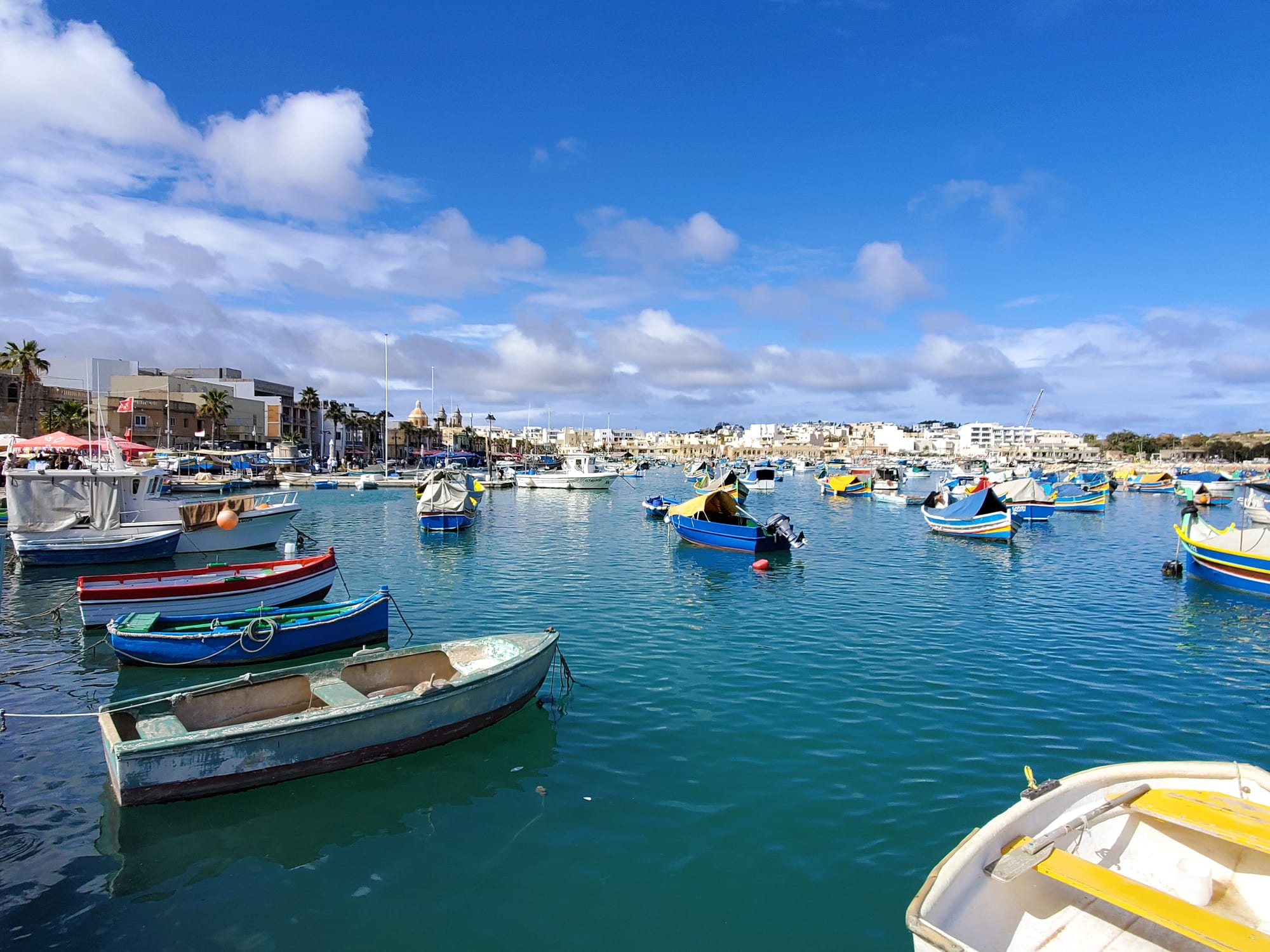
Malta packs an entire country's worth of daily life into an area smaller than many cities. With over half a million people on 316 square kilometres, it is one of the most densely populated countries on Earth, and almost nothing in an ordinary day happens far from a parish church, a harbour or a neighbour's front door. Life moves at two speeds: unhurried through the heat of the day, and busy again once the evening cools, when streets, seafronts and village squares fill back up.
Family and home life
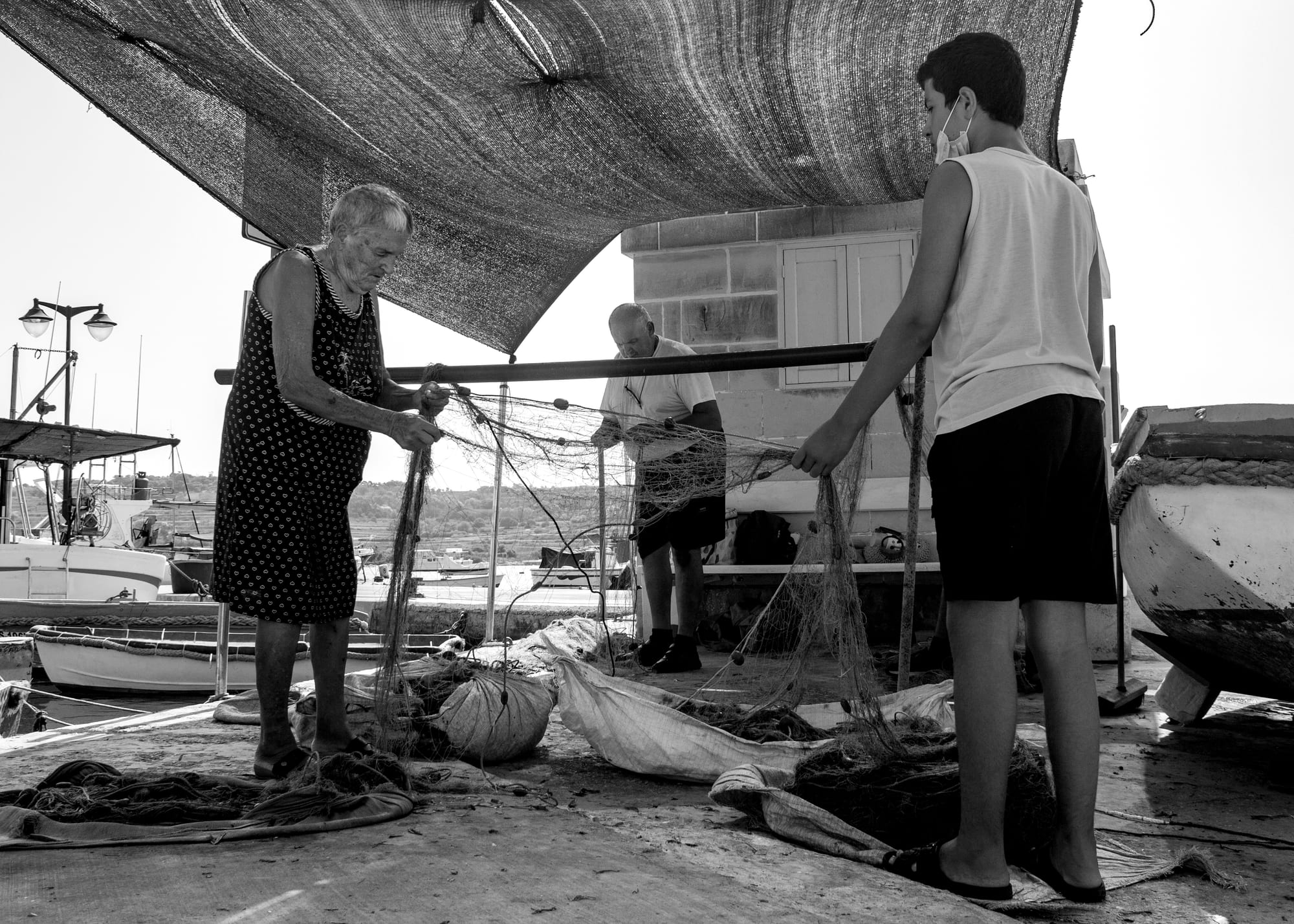
The average Maltese household is small, at about 2.4 people (2021 census), in line with the general European trend towards smaller families rather than the large multigenerational households of the past. Closeness has not gone with it, though: extended family typically lives nearby rather than together, and a Sunday lunch that brings together parents, grandparents and siblings remains a regular fixture for many families rather than an occasional event. Fishing villages such as Marsaxlokk still show an older pattern at work, where three generations of the same family are commonly seen working side by side mending nets or preparing boats.
Work, school and the rhythm of the day
The working day starts early to make the most of the cooler morning hours, and by the height of summer the middle of the afternoon is often quiet, with the real business of the day picking up again in the evening. Schooling is compulsory from five to sixteen and free in state schools, with church and private schools alongside. Summer is effectively a season unto itself: the parish festa calendar is concentrated in the warm months, with 15 August, the Assumption, marked in several parishes at once, and towns plan much of their summer around their own festa weekend when it comes round.
Community life and public spaces
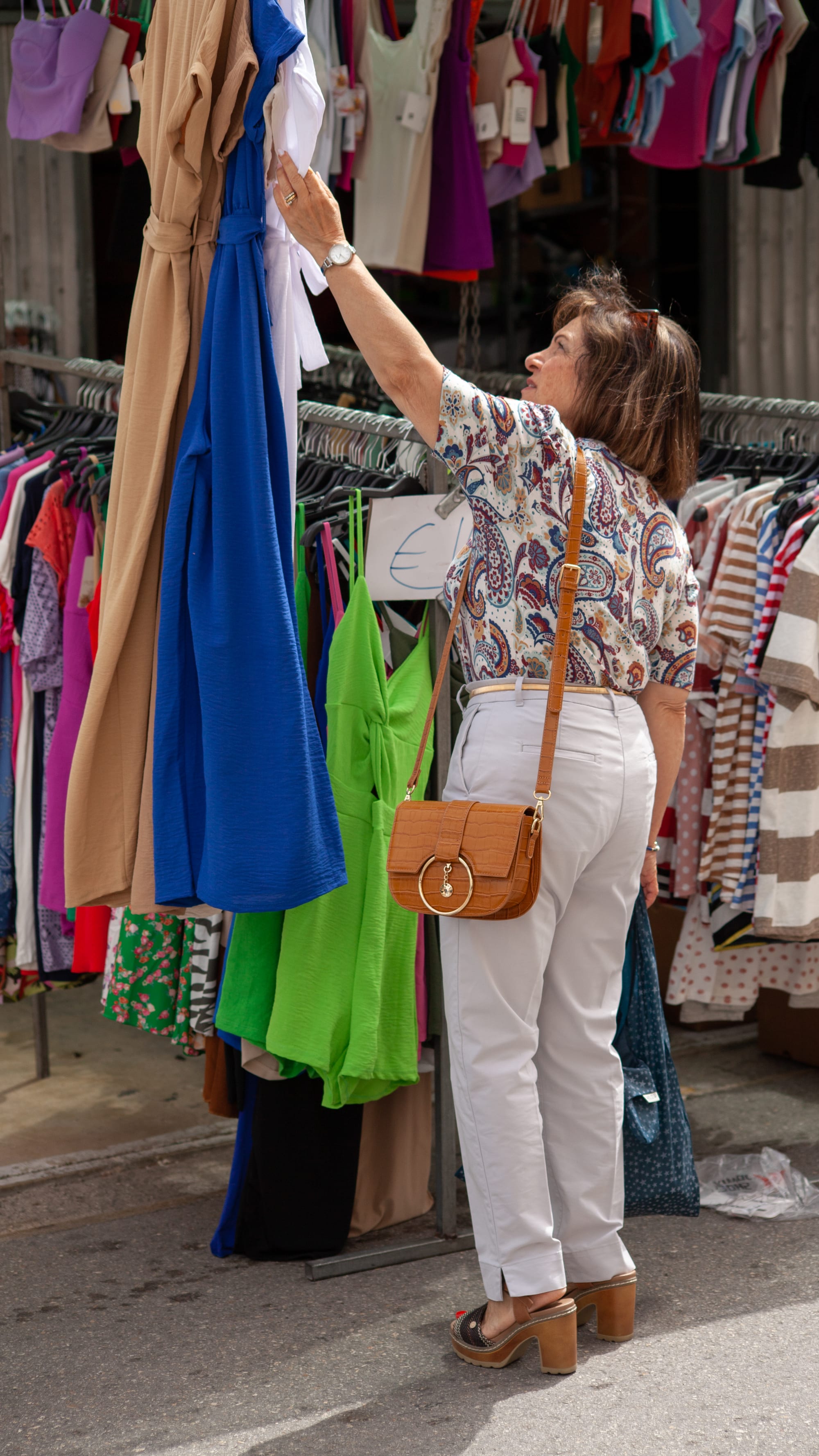
Public transport has been free for all residents holding a personal Tallinja card since October 2022, when Malta became the second country, after Luxembourg, to make its public transport free nationwide — yet the country still has one of the highest rates of car ownership per person in Europe, and traffic around Valletta, Sliema and St Julian's remains a serious daily problem. Markets remain a normal part of the week rather than a tourist event: alongside fixed produce markets, open-air street markets set up on set days in different towns across the islands, and Il-Monti, the Valletta area's long-running street market, now fills a stretch of Floriana every Sunday. Harbours such as Marsaxlokk's, still lined with the brightly painted traditional luzzu fishing boats, double as both working ports and informal gathering points where the catch and the day's news are both on display.
Free time and weekends
Water polo, often played in pitches set out in the sea, is the great Maltese summer sport, while football is the most popular sport overall, with a semi-professional Premier League at home and a keen following for foreign clubs. Weekends bring family lunches, trips to the seafront, and, through the summer months, the parish festa calendar, when a town's streets fill with band marches, lights and fireworks for its own patron saint. Beyond the coast, walking the Dingli Cliffs or taking the ferry across to quieter, greener Gozo are common ways to get some open space on a small and crowded set of islands.
A visitor's ordinary day
Cards and contactless payment are accepted almost everywhere, though it is worth keeping small change for village kiosks and church donation boxes. Buses cover the islands thoroughly, but a large share of routes run to and from the Valletta terminus, so a short cross-island journey can take much longer by bus than the direct driving distance would suggest. Valletta itself is compact and best explored on foot, and the small passenger ferry across Marsamxett Harbour to Sliema is often quicker than the equivalent bus journey. Malta drives on the left, one of only four European countries to do so, which is worth remembering when crossing narrow streets built long before cars existed.
What to take away
What defines an ordinary day in Malta is scale: a country small enough that almost everyone really is only a short bus ride, or a cousin or two, away from everyone else, and busy enough with people, traffic and its own parish calendar that it rarely feels as small as its map suggests.