History · Mali
Mali: The Empires of the Sahel
The Niger Bend where Ghana, Mali and Songhai grew rich on gold and where Timbuktu became a city of scholars — then a French colony, a praised democracy, and, since 2012, a jihadist war zone
By Worldlore Editorial · 19 September 2026
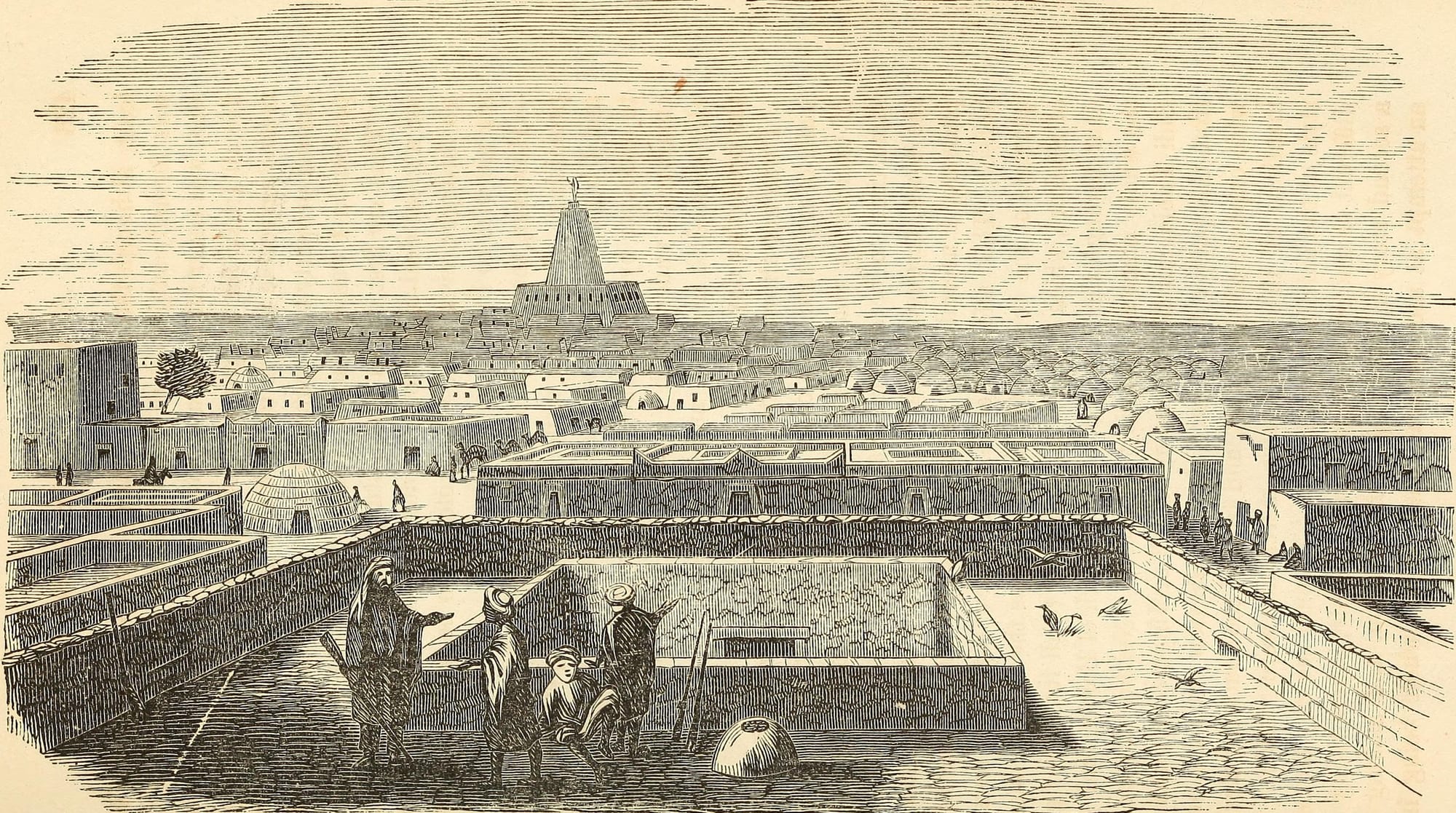
The heartland of the Western Sudan
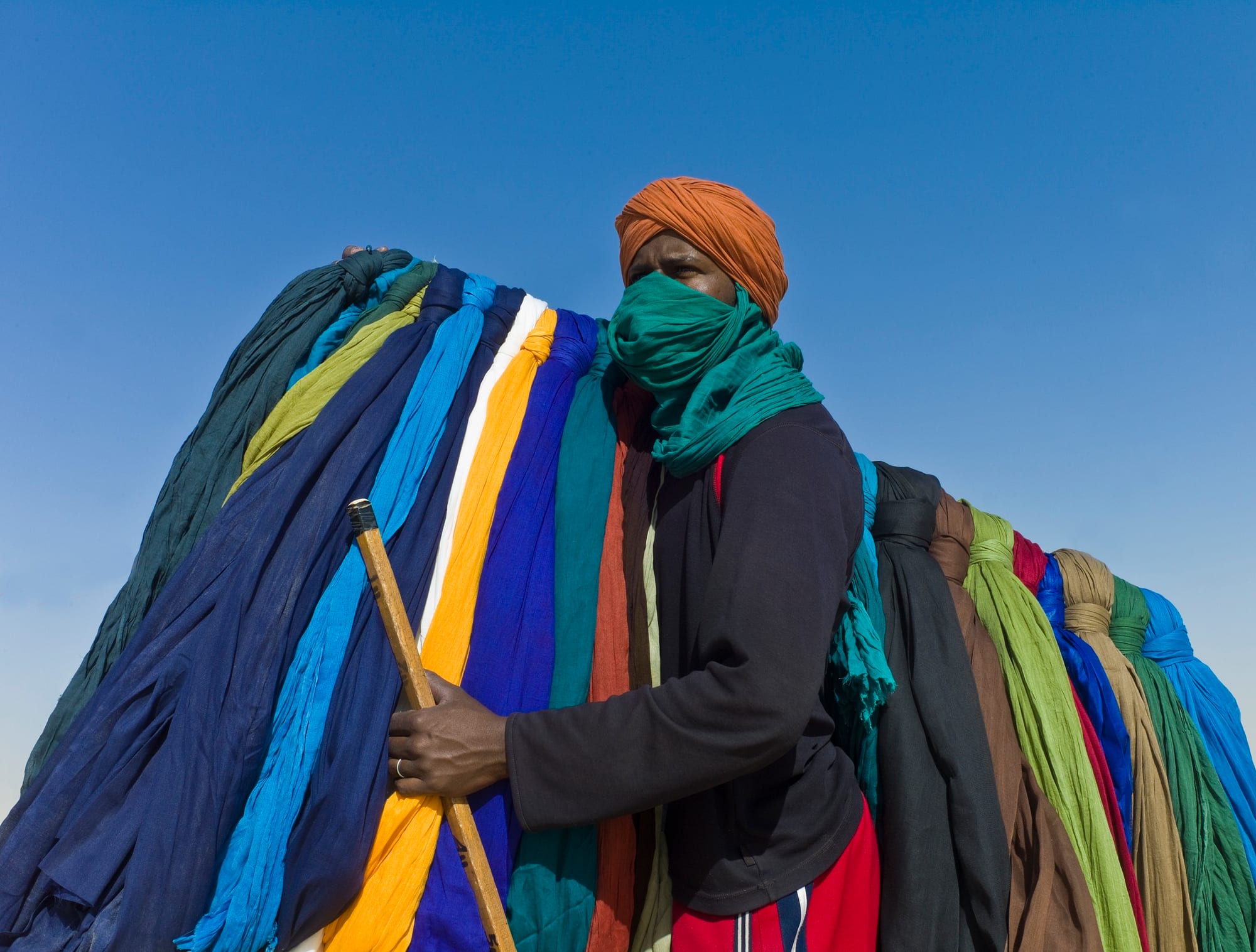
Mali is a large, landlocked country of Sahara and Sahel, held together by the Niger River, which arcs through its centre past the trading cities of Djenné, Timbuktu and Gao. It is one of the poorest countries on Earth today. But the bend of the Niger was, for seven centuries, the seat of three of the greatest states in medieval Africa — Ghana, Mali and Songhai — built on the trade in gold and salt across the desert, and on the scholarship of Timbuktu.
A short history
- c. 300–1200 CE
The Ghana Empire
The Soninke "land of gold" controls the desert trade.
- c. 1235–1600
The Mali Empire
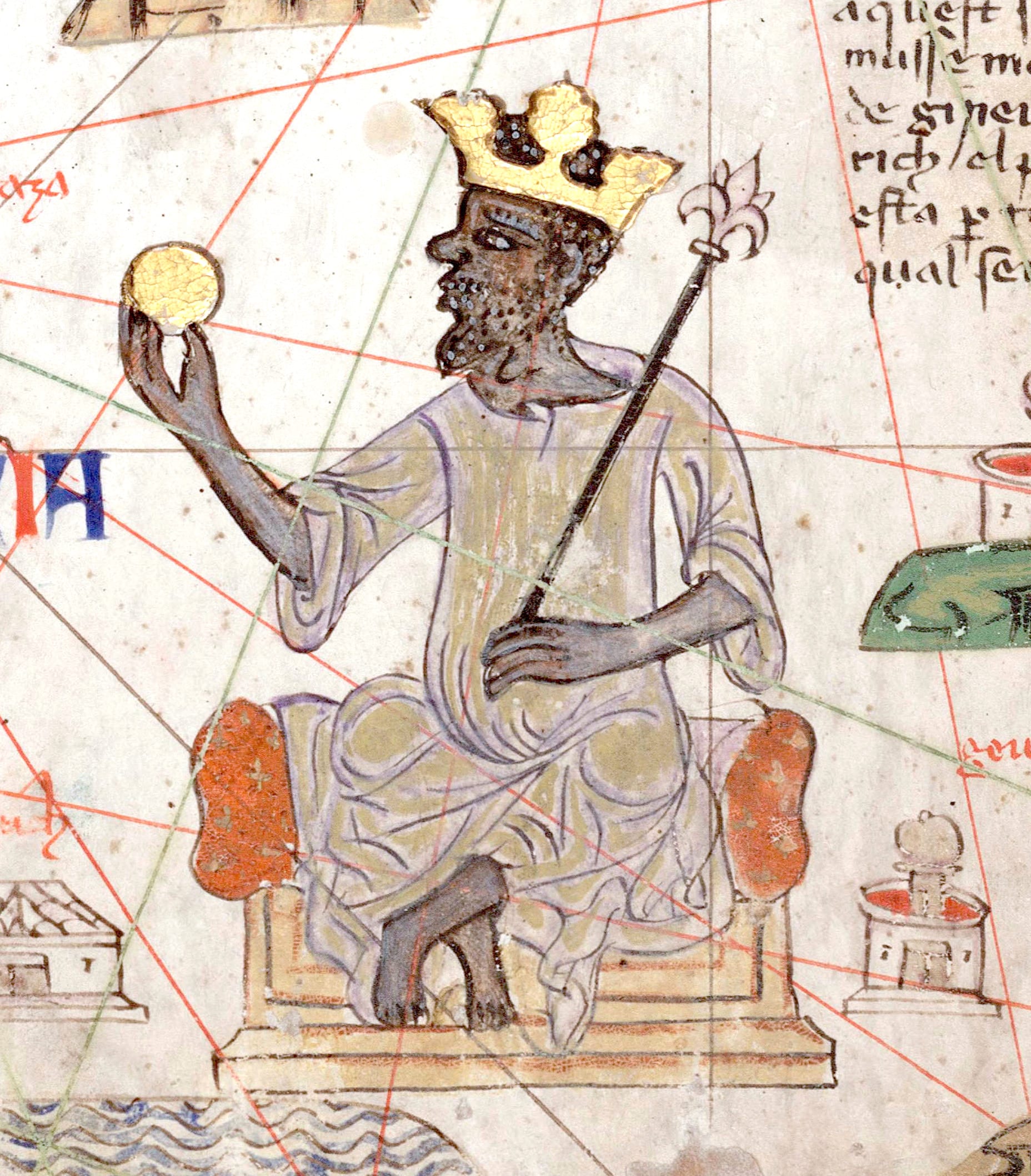
Founded by Sundiata Keita; at its 14th-century peak, one of the world's largest.
- 1324
Mansa Musa's pilgrimage
His gold makes Mali famous in Europe and the Islamic world.
- c. 1464–1591
The Songhai Empire
Based at Gao; the largest of the three.
- 1591
Tondibi
A Moroccan army with firearms destroys Songhai.
- 1890s
French conquest
"French Sudan" is absorbed into French West Africa.
- 1960
Independence
The Republic of Mali, under Modibo Keïta.
- 1991–2012
Democracy
Two decades of praised multiparty rule.
- 2012
Collapse
A Tuareg-jihadist rebellion and a coup break the state.
- 2020 / 2021
The junta
Coups bring a military government that breaks with France.
Ghana, Mali, Songhai
The Ghana Empire, in the far west, was known to Arab writers as the source of West Africa's gold. It gave way, in the 13th century, to the Mali Empire, founded by Sundiata Keita of the Malinke, whose story is preserved in a still-recited oral epic. Mali controlled the gold fields and the Niger trade cities, and became, in the 14th century, one of the largest empires in the world.
Mali and Timbuktu
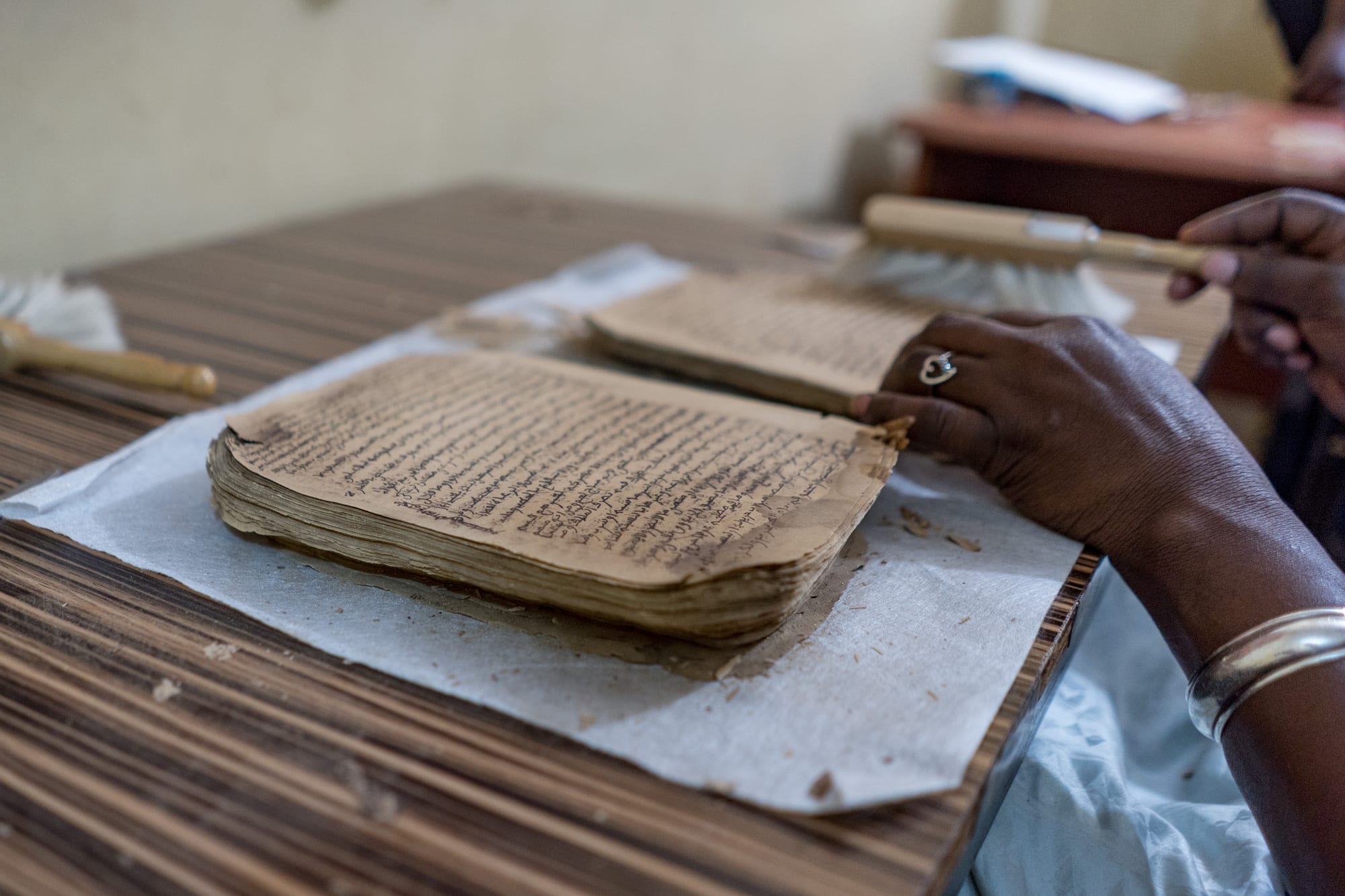
Songhai, based at Gao, eclipsed Mali in the 15th century and became the largest of the three empires — until 1591, when a Moroccan army crossed the Sahara with firearms and shattered it at Tondibi. The region then broke into smaller states, and Timbuktu declined.
French rule
France pushed east from Senegal through the second half of the 19th century, defeating the Bambara, the Toucouleur empire, and finally Samori Touré in 1898. "French Sudan" became part of French West Africa — a poor colony valued for cotton and for the soldiers and labourers it supplied.
Independence and democracy
French Sudan briefly federated with Senegal, and when that broke up it became the Republic of Mali on 22 September 1960, keeping the old empire's name.
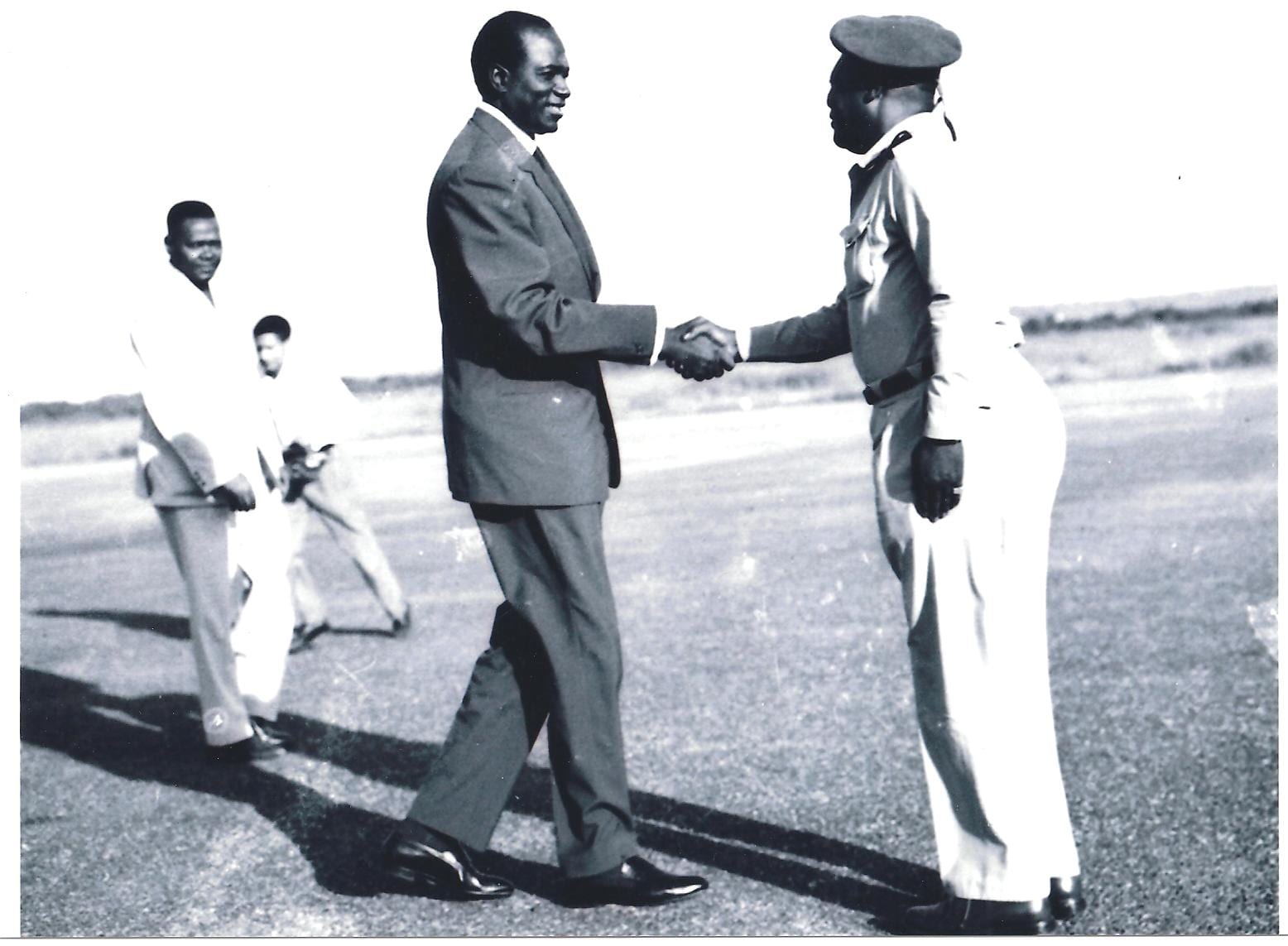
Pro-democracy protests toppled Traoré in 1991, and Mali became a widely admired democracy for two decades — a free press, decentralisation, and a celebrated music scene — over a base of deep poverty, weak state presence in the north, and recurring Tuareg rebellions.
Collapse
After the fall of Gaddafi in 2011, heavily armed Tuareg fighters returned from Libya and, with Islamist groups, seized the north in early 2012. A coup in Bamako deepened the chaos, and the jihadists took the northern cities. As they advanced south in January 2013, France intervened, retaking the towns, and a UN mission followed — but the insurgency spread and mutated, engulfing central Mali and crossing into Niger and Burkina Faso.
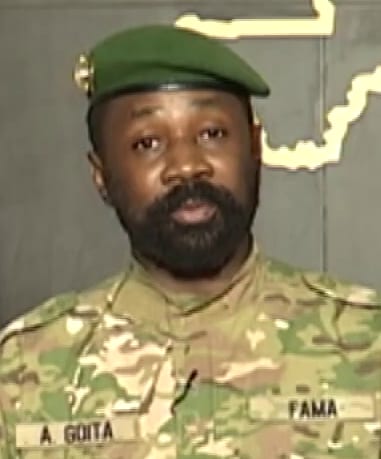
Two coups in 2020 and 2021 brought a military government that broke with France, turned to Russia's Wagner mercenaries — implicated in mass killings — and postponed elections indefinitely. The jihadist war has continued to worsen, with groups blockading towns across the country.
What Mali carries
Mali's name is a claim on a glorious past: the empires of Ghana, Mali and Songhai, and the scholarly city of Timbuktu, are among the strongest counter-examples to the idea that pre-colonial Africa had no history. The modern state has struggled to match that inheritance — and since 2012 it has struggled simply to hold together, as a jihadist insurgency it cannot defeat spreads across the Sahel it once ruled.