Daily Life · Mali
Mali: A Day Kept by the Compound and the River
Large extended-family compounds built around a shared courtyard, millet pounded over an open fire, a farming and fishing calendar set by the Niger's rise and fall, and, for a growing share of the country, a daily life reshaped by conflict and displacement
By Worldlore Editorial · 30 September 2026
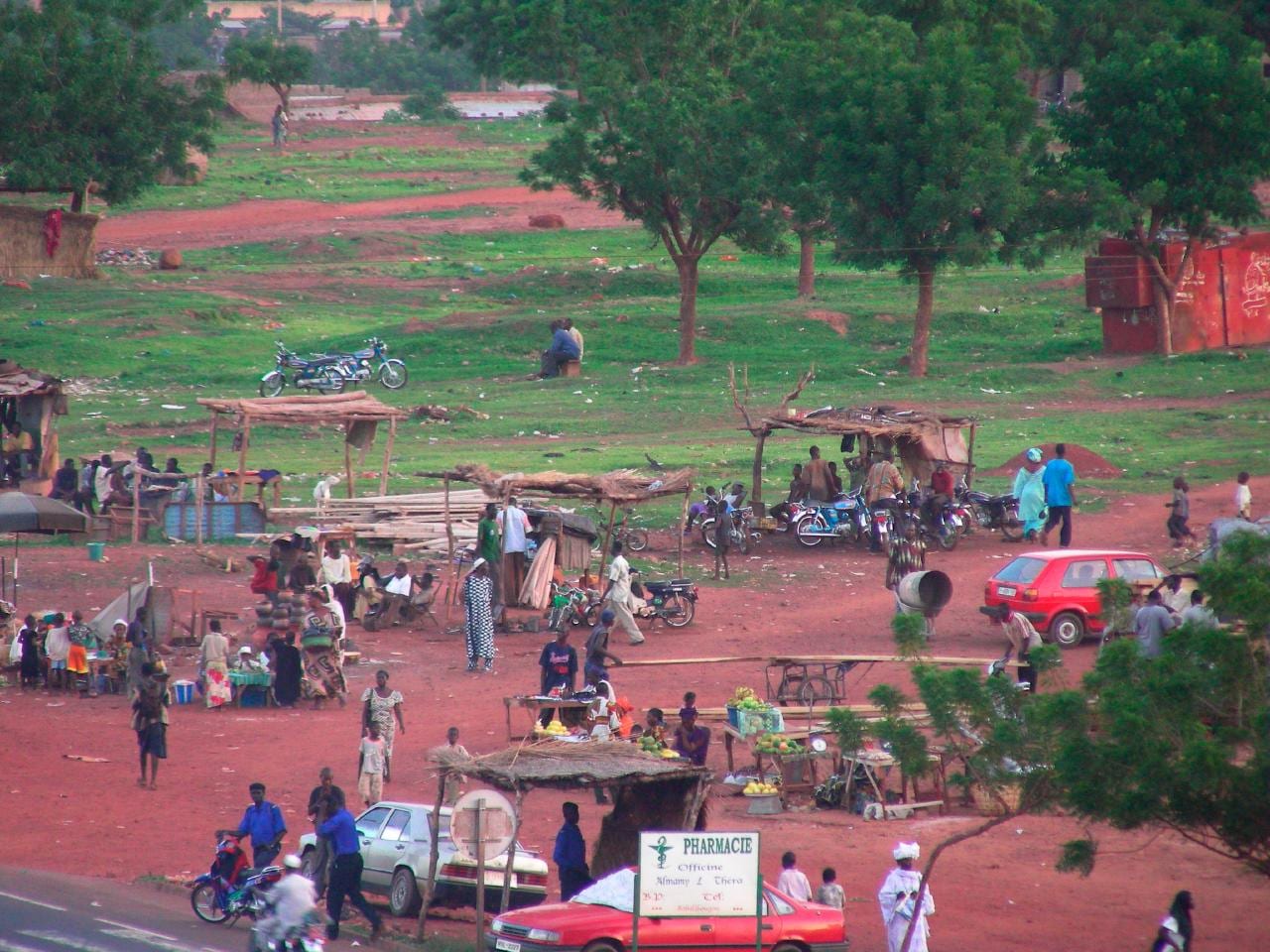
Where daily life in Mali continues on its long-established rhythm, it runs through the family compound, the market and the Niger River, whose rise and fall still governs farming, fishing and transport for millions of people. That rhythm largely holds in Bamako and across much of the south, though even there an insurgent fuel blockade in late 2025 and attacks since April 2026 have brought shortages of fuel, power and water. Across large parts of the north and centre, though, more than a decade of conflict has displaced hundreds of thousands of people and cut communities off from markets, clinics and schools, so an ordinary day now looks very different depending on where in the country a family happens to live.
Family and home life
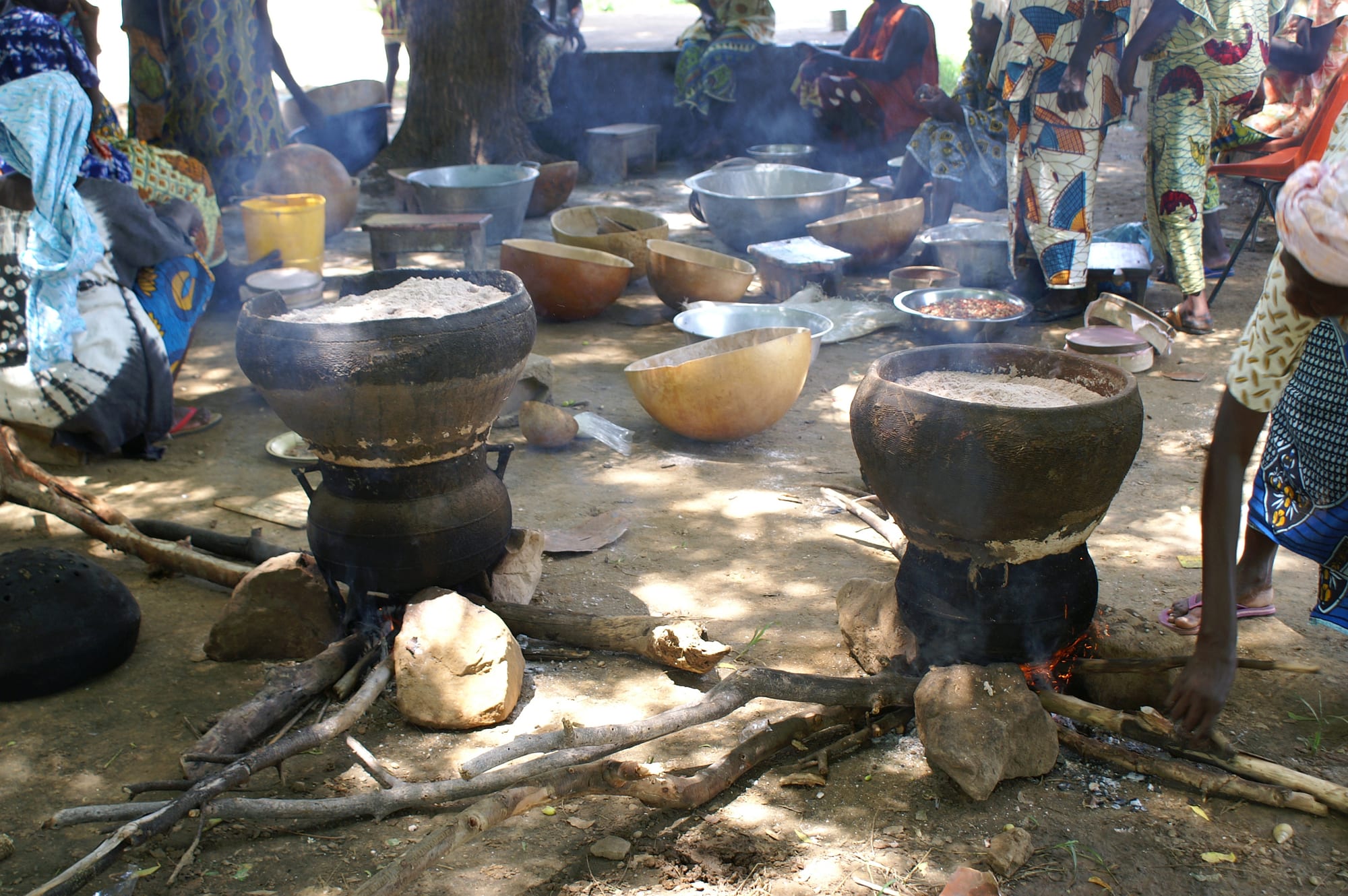
Malian life places the extended family, not the individual, at its centre: resources, labour and decisions are shared, and relatives are expected to support one another as a matter of course. Households are commonly large and multigenerational, built around a shared courtyard compound where several related families each keep their own rooms but share cooking, childcare and daily chores. Men are typically recognised as head of the household, but the wider decision-making often involves the men of the family working land or business together, while women manage cooking, child-rearing and the household's day-to-day running. Polygynous marriage is legal and widespread — a 2019 study found about a third of Malians living in polygamous families — though the practice is more common in some communities and regions than others.
Work, school and the rhythm of the day
Away from the cities, the farming calendar still sets the pace of the day: millet, sorghum and cotton in the south, herding across the Sahel, and rice planting and harvest timed to the Niger's inland delta as its water rises and falls each year. In Bamako and other towns, shops, markets and offices generally run a standard working day, with a Friday prayer break observed by the large Muslim majority. The school year normally begins in the autumn, but schooling itself has been badly disrupted: by early 2025, more than two thousand schools had been closed by insecurity, affecting several hundred thousand children directly, and well over two million school-age children were out of school nationwide, concentrated in the conflict-affected north and centre.
Community life and public spaces
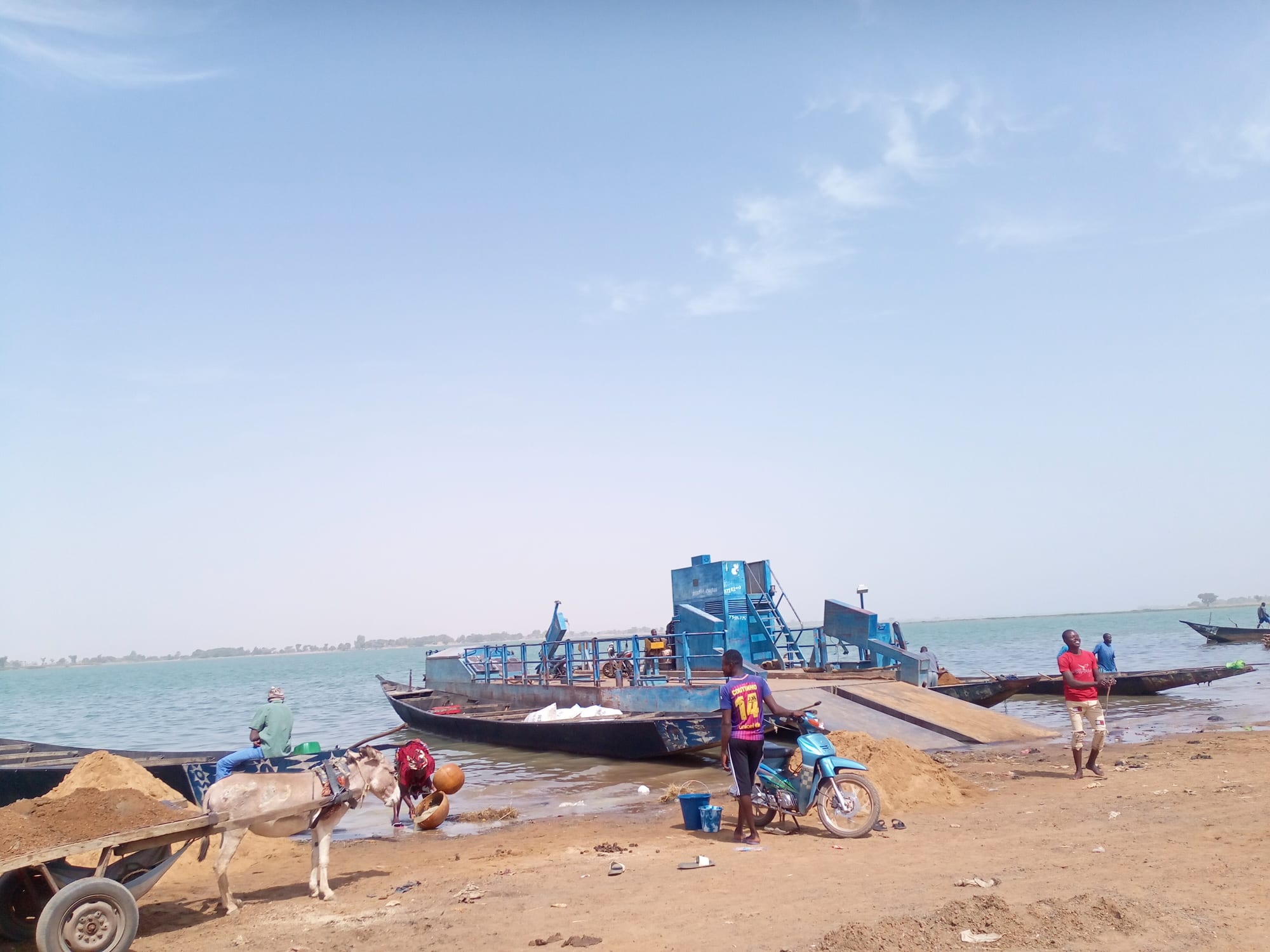
The market is the heart of community life in Mali, from Bamako's sprawling Grand Marché to the smaller markets of every town, where many women sell food, textiles and household goods alongside traders in tools, electronics and crafts. The Niger River, which runs through Bamako and across the country's centre, is far more than scenery: fishing pirogues and larger ferries carry people and goods along and across it every day, and the riverbank is itself a gathering place for washing, watering animals and trade. In towns and villages, the compound's courtyard and the shade of a large tree remain common everyday gathering spots, functioning as an outdoor living room for conversation, tea and shared meals.
Free time and weekends
Football is followed avidly and played informally in towns and villages across the country, and music remains one of Mali's great everyday pleasures, from radio and recorded music at home to live performances by local musicians carrying on the country's renowned griot traditions. Friday afternoons and weekends bring a lighter pace in the towns, with market visits, family gatherings and, where security allows, time spent by the river. In rural areas, free time is tightly bound to the farming calendar, busiest at planting and harvest and quieter in between.
A visitor's ordinary day
Almost all transactions in Mali run on cash in CFA francs, and euros are the easiest foreign currency to exchange; cards and ATMs are unreliable outside Bamako. Most governments advise against all travel to Mali, and independent travel outside the immediate area of the capital is not realistically possible at present given the security situation, and any movement generally depends on local contacts, a driver, and current security advice rather than a fixed itinerary. Where travel does happen, it is arranged well in advance and follows guidance from an embassy or a specialist operator rather than the ordinary tourist infrastructure found elsewhere in West Africa.
What to take away
An ordinary day in Mali still runs, where it can, through the family compound, the market and the Niger River as it has for generations — but for a large and growing number of Malian families, that ordinary day has been redrawn by a conflict that has closed schools, displaced communities, and cut off entire regions from the rhythm the rest of the country still keeps.