Attractions & Natural Wonders · Maldives
Maldives: Seven Attractions and Natural Wonders
The flattest country on earth — overwater villas on private reef islands, whale sharks and manta rays offshore, sandbanks that appear and vanish with the tide, and a crowded capital unlike any resort brochure
By Worldlore Editorial · 19 September 2026
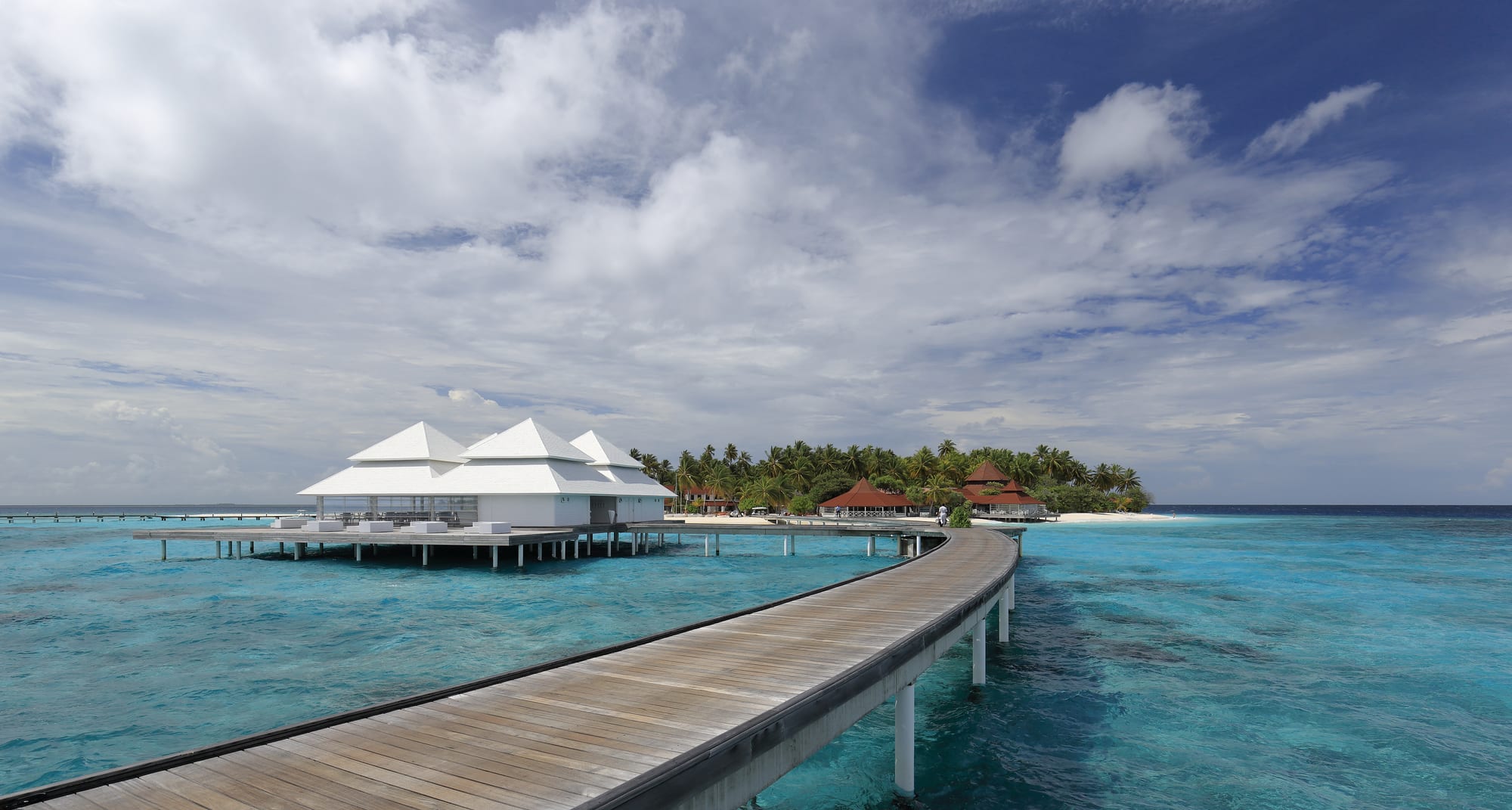
The lowest country on earth
The Maldives is a chain of 26 coral atolls and around 1,190 low-lying islands strung across the Indian Ocean southwest of Sri Lanka — the flattest and lowest country in the world, with an average elevation of only about 1.5 metres above sea level. It has around 520,000 people, mostly Sunni Muslim, and an economy built almost entirely on tourism and fishing. Since the 1970s it has pioneered the "one island, one resort" model, so much of what visitors see is a private island rather than the country most Maldivians actually live in.
The seven below cover the resort experience, the reef life beneath it, and the real, everyday Maldives. It is warm year-round; the dry northeast monsoon season (December to April) generally has the calmest seas and best visibility.
1. Malé
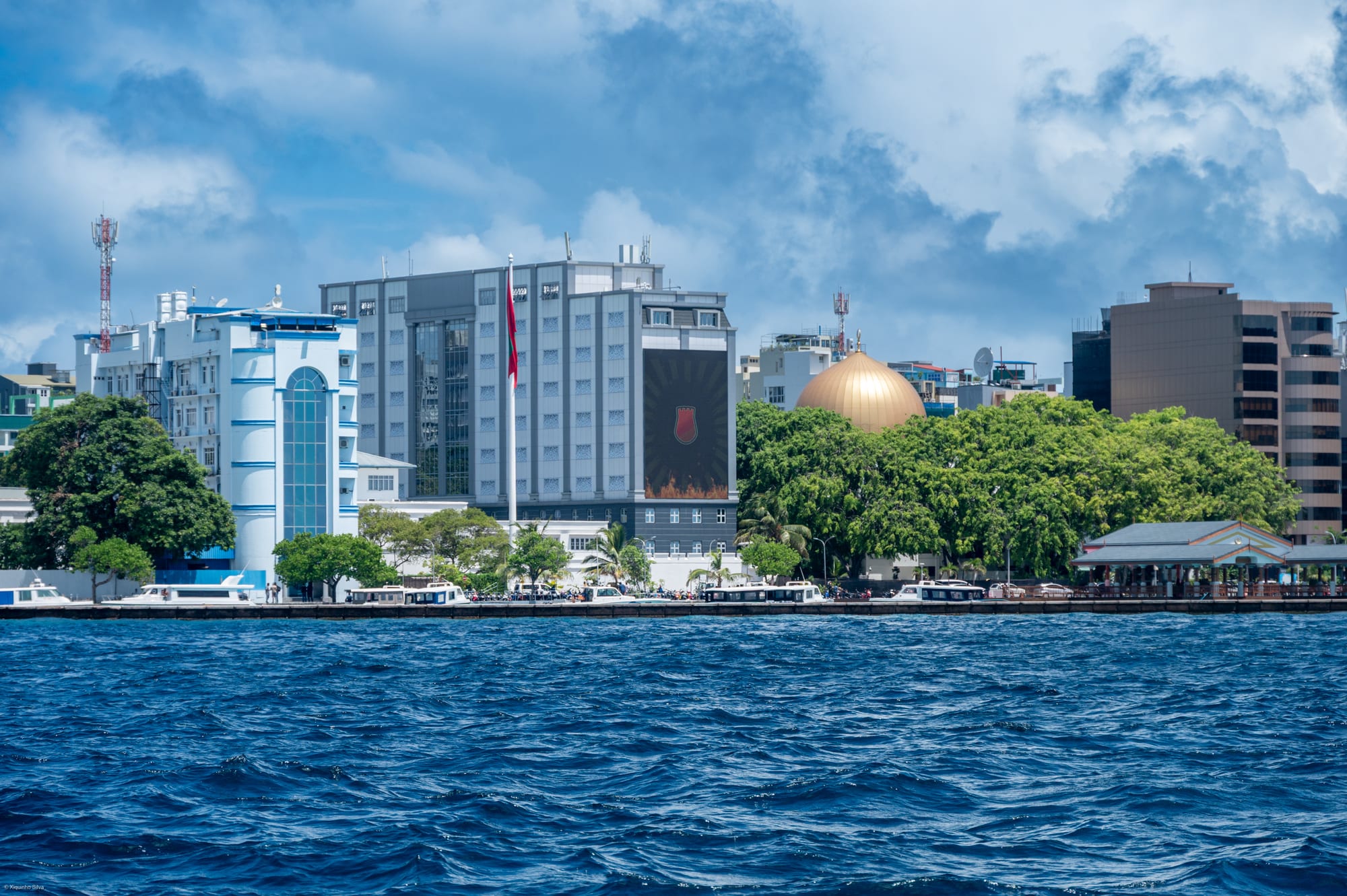
Malé, the capital, packs well over 200,000 people onto an island of about two square kilometres, making it one of the most densely built places on earth — apartment towers rising almost to the water's edge, with almost no beach or open ground left. It has the gold-domed Grand Friday Mosque, the National Museum, and a lively fish market, and functions as the transit hub for every resort transfer, but is worlds away from the private-island image most visitors expect.
Most travellers see only the airport and harbour before a speedboat or seaplane onward.
2. The resort islands
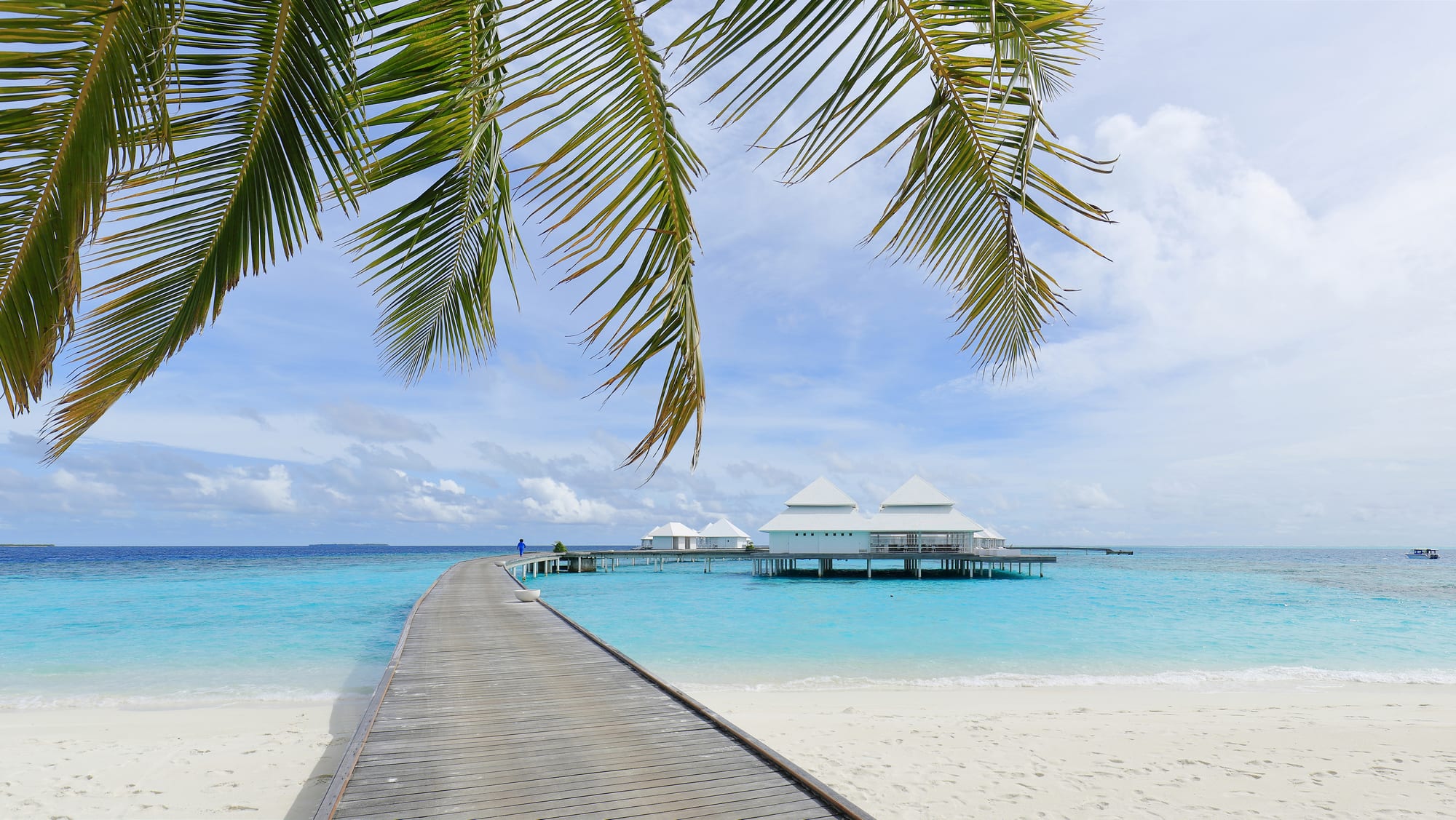
The classic Maldives trip is a single private-island resort, each built on its own reef-ringed islet with overwater and beach villas, house reefs for snorkelling right off the jetty, and a level of seclusion few destinations can match. Resorts range across every budget from backpacker guesthouses on local islands to some of the most expensive hotel rooms in the world, and each has its own character depending on atoll, reef, and house style.
A resort stay is usually the entire trip; island-hopping is possible but adds cost and transfer time.
3. Whale sharks and manta rays
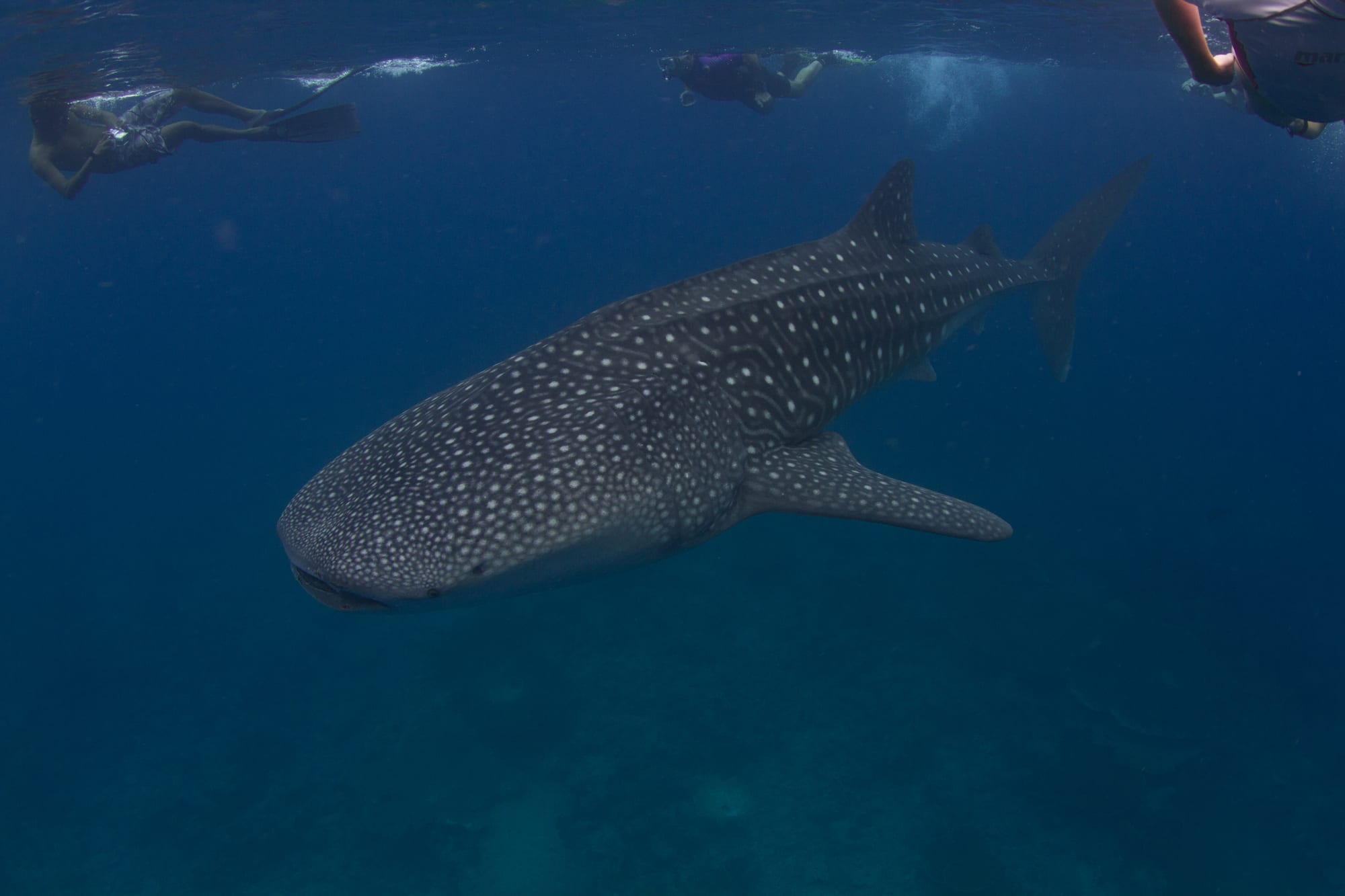
The Maldives is one of the most reliable places on earth to snorkel with whale sharks, the largest fish in the ocean, especially in the South Ari Marine Protected Area where a resident population feeds year-round. Manta ray cleaning and feeding stations, notably at Hanifaru Bay in Baa Atoll (a UNESCO Biosphere Reserve, seasonal and visitor-numbers limited), draw large aggregations between roughly May and November.
Trips run from many resorts and from local-island dive operators; respectful distance guidelines protect both animals and divers.
4. The coral reefs
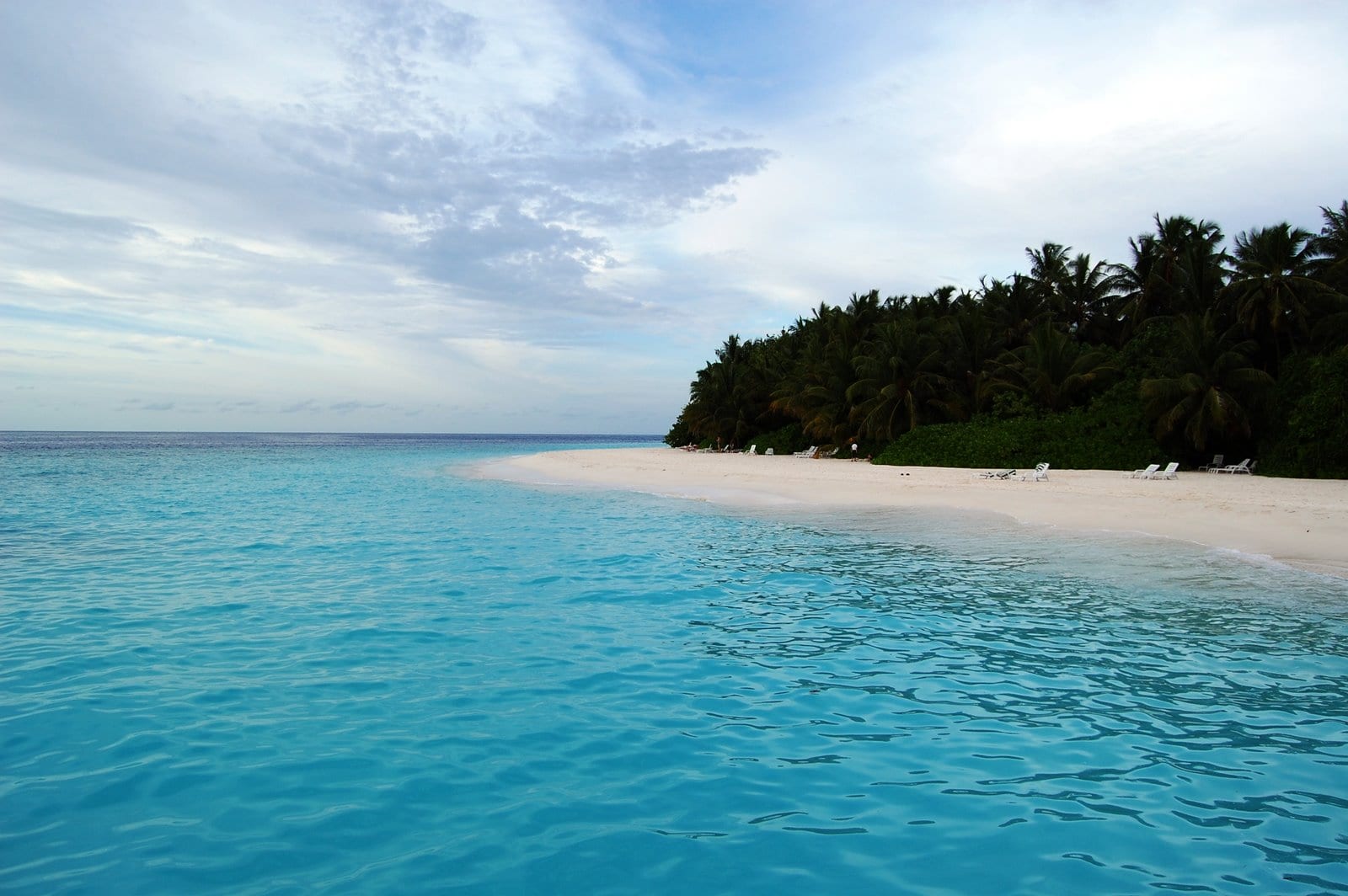
The Maldives sits on one of the world's largest coral reef systems, and diving and snorkelling directly off the beach or jetty — no boat required — is one of the country's defining features. Reefs vary from shallow lagoon coral gardens good for beginners to dramatic outer-atoll drop-offs and channels ("kandus") with strong currents and pelagic life. Coral bleaching events, tied to warming seas, have damaged some reefs in recent decades, with recovery varying by site.
Most resorts have their own dive centre and can advise on current reef conditions.
5. The sandbanks
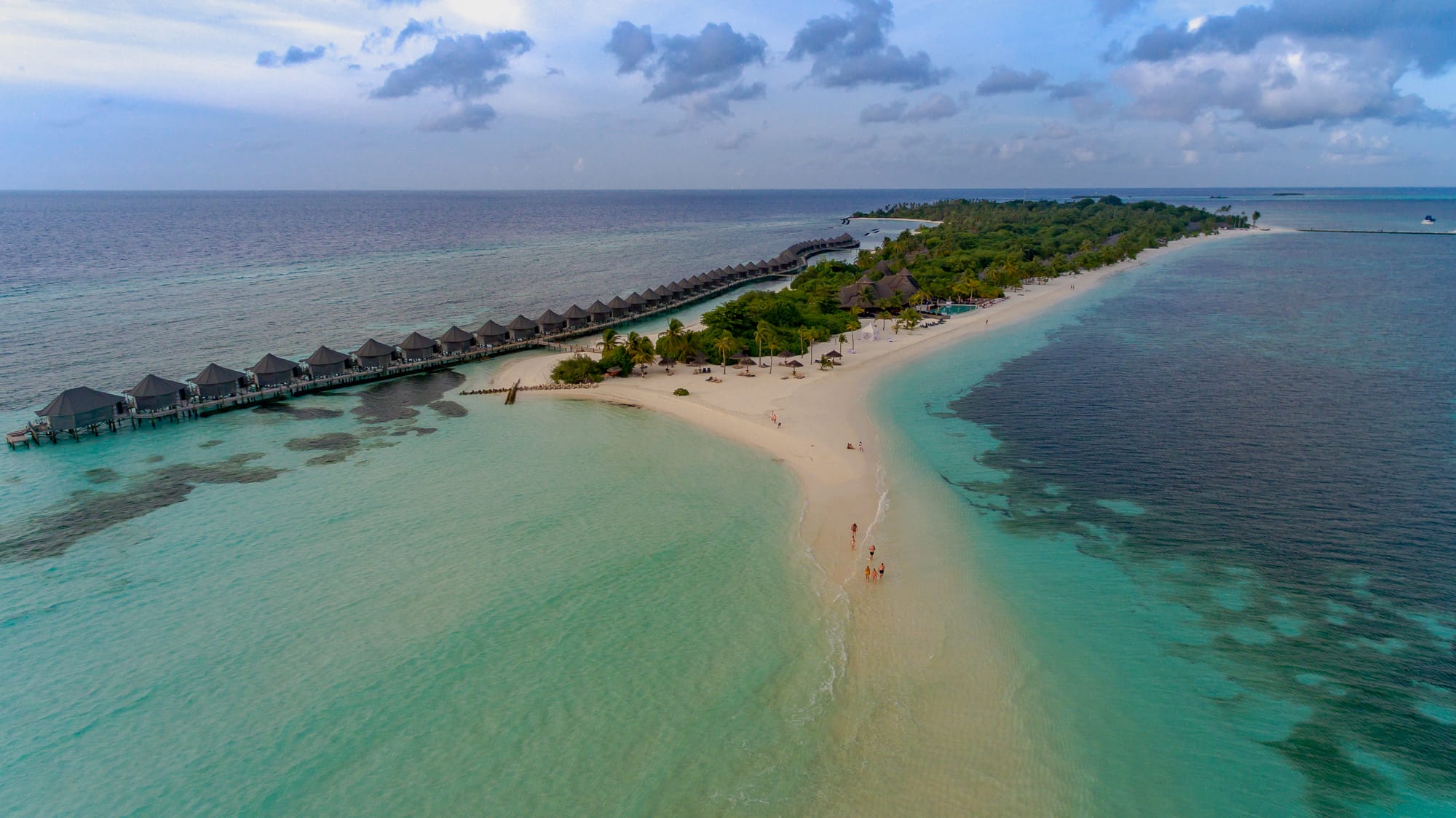
Scattered across many atolls are sandbanks (finolhu) — patches of pure white sand rising just above the water on a reef flat, with nothing else on them, often submerged again at high tide. Resorts run boat trips to picnic, swim, or simply stand on one, sometimes setting up a table in the shallows for a private sunset dinner. Their shape and even existence can change from season to season as currents shift the sand.
They are among the most photographed and most fleeting features of the Maldivian landscape.
6. Local island life
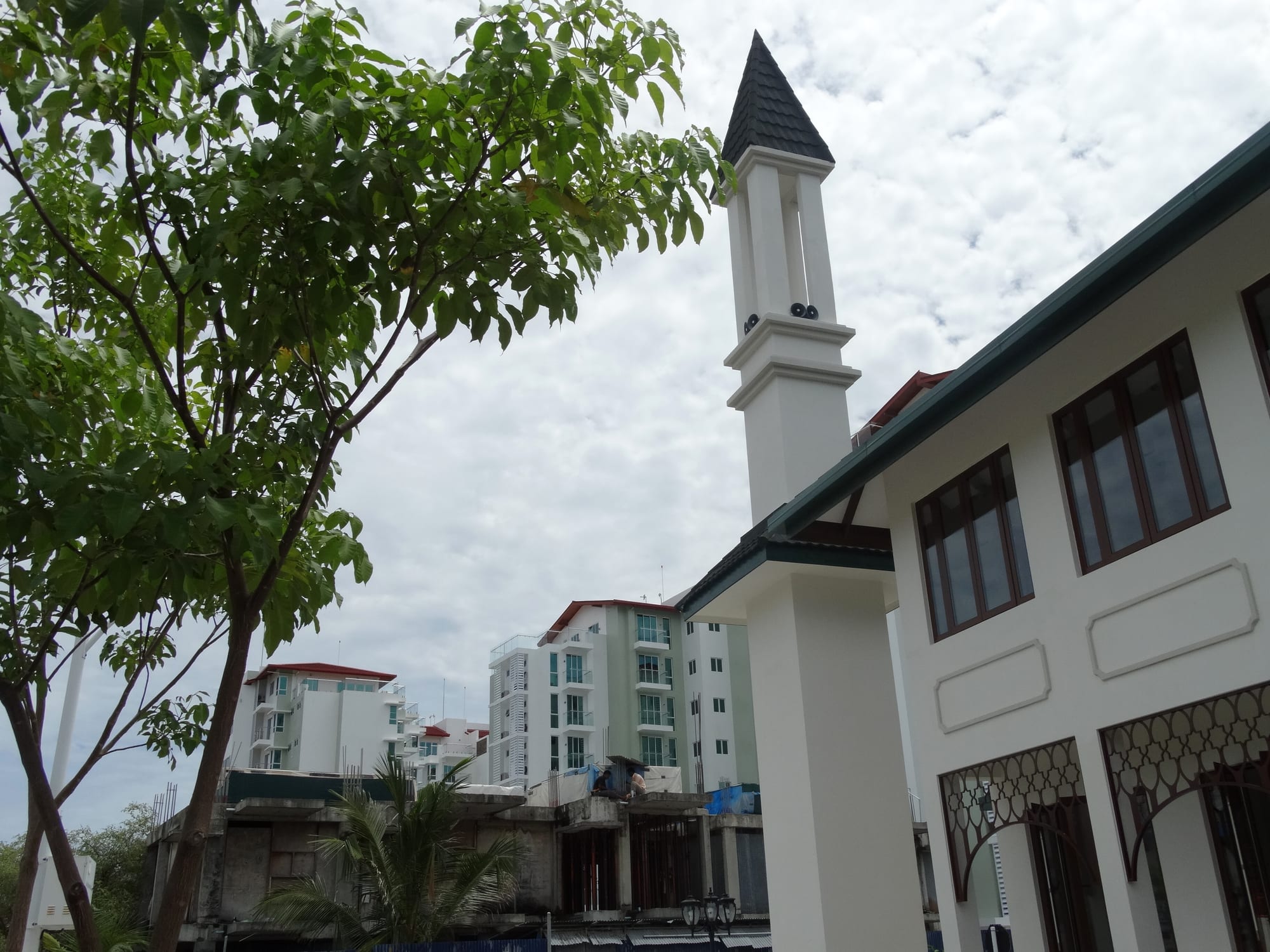
Since regulations changed in 2009, tourists can stay on inhabited "local islands" rather than only private resorts — a cheaper, more culturally grounded way to see the country, though alcohol is restricted to a handful of licensed resort areas and modest dress is expected in villages. Hulhumalé, a large land-reclamation project near the airport built partly as a response to overcrowding and rising seas, and islands like Maafushi in South Malé Atoll are the most developed for guesthouse tourism.
It is a genuinely different trip from a resort stay — public "bikini beaches" are designated on some local islands for visitors.
7. Addu Atoll
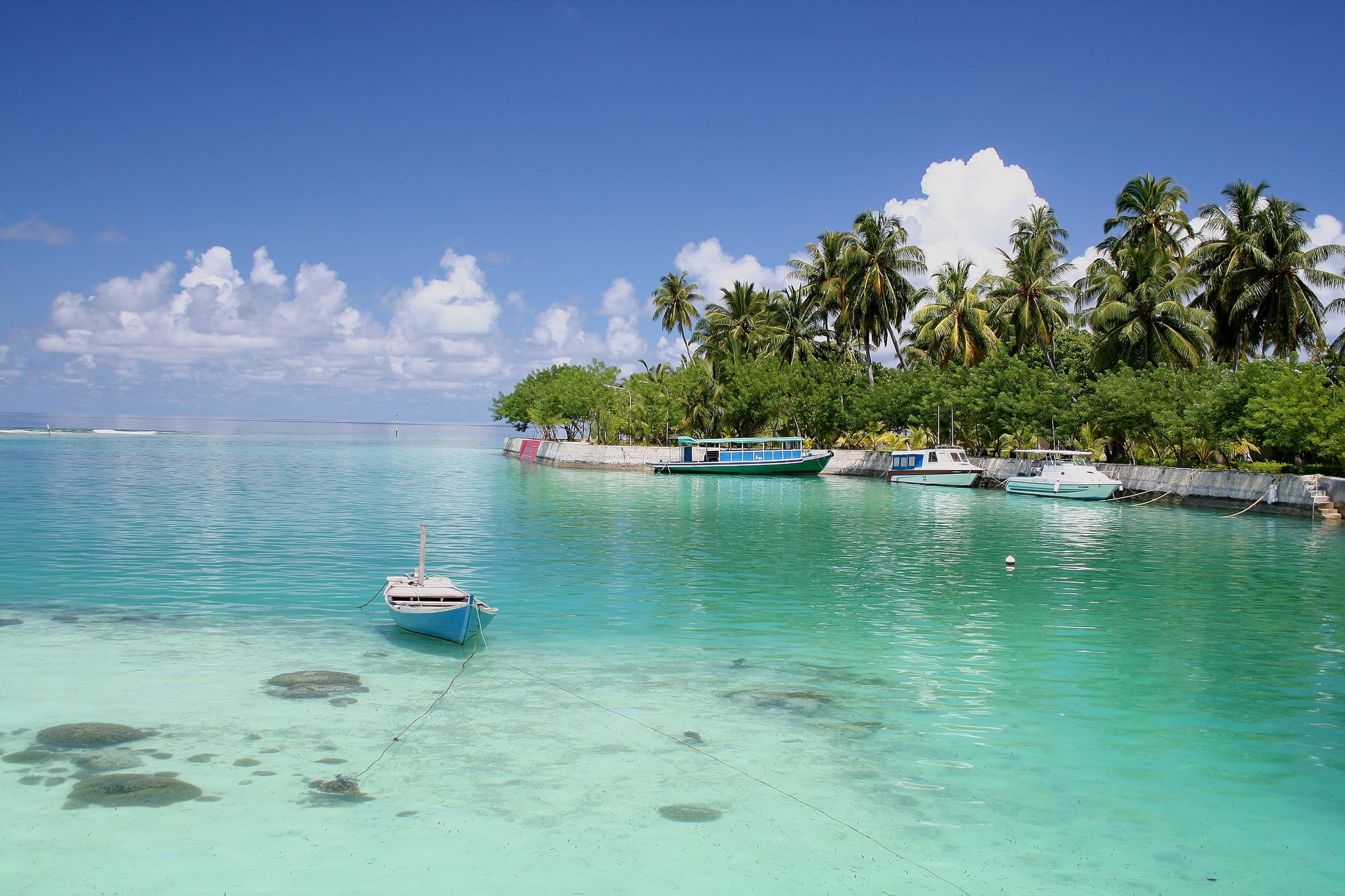
Addu, the southernmost atoll, sits almost on the equator and has a character distinct from the central resort belt — a British air and naval base until 1976, it keeps colonial-era buildings and a wartime airstrip, connected islands by causeway (unusual in the Maldives), lusher vegetation, and a mangrove nature reserve. It is a longer flight from Malé and sees far fewer visitors.
It suits travellers who have done a resort trip before and want a different side of the country.
A note on the sea
The Maldives is the lowest-lying country on earth, and rising sea levels pose an existential threat that the government has spoken about internationally for decades — including a 2009 cabinet meeting held underwater to draw attention to the issue. Hulhumalé and other land-reclamation projects are, in part, a direct response. Visitors will notice seawalls and reclamation work alongside the postcard scenery; it is part of the country's present, not just its future.
A Maldives trip is almost always built around a single resort stay of a week or so; those wanting more variety now combine a few nights on a local island with a resort, or add Addu or another outer atoll for a longer, quieter visit.