History · Malaysia
Malaysia: The Strait, the Races, and the Bargain
The Malacca sultanate that spread Islam and the Malay language, a British tin-and-rubber colony that imported a Chinese and Indian workforce, and an independent federation built on an ethnic power-sharing deal
By Worldlore Editorial · 19 September 2026
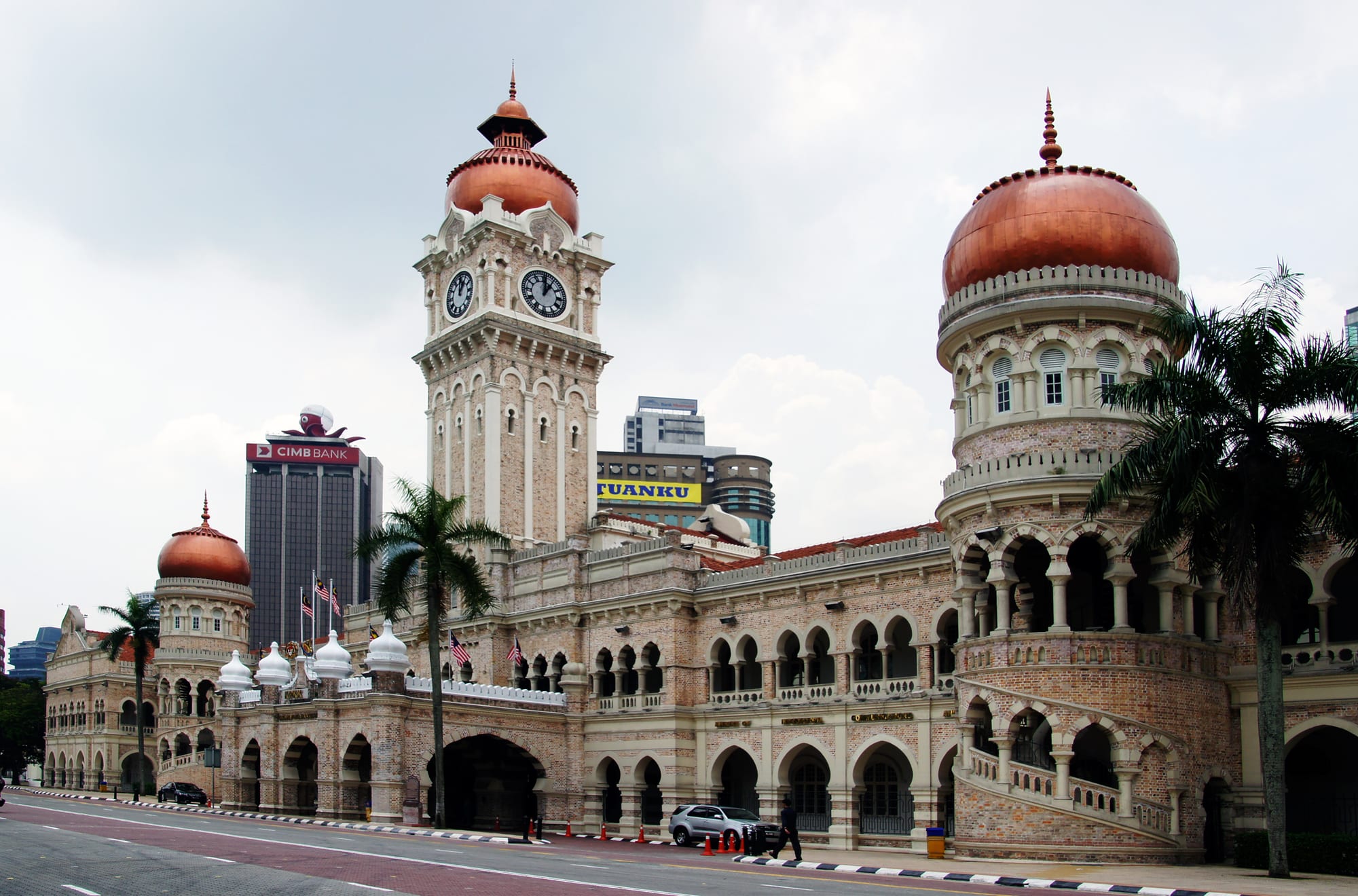
A federation of two coasts and three peoples
Malaysia comes in two pieces: the peninsula south of Thailand, and the states of Sabah and Sarawak on the north of Borneo, across 600 kilometres of sea. Its 34 million people are divided into three broad communities — Malays and other indigenous "Bumiputera", Chinese, and Indians — whose economic roles, and whose politics, have been distinct since colonial times. Managing that division, through an explicit bargain first struck at independence in 1957, is the central project of the Malaysian state.
A short history
- c. 1400
The Sultanate of Malacca
A port-state controls the strait and spreads Islam.
- 1511
Portuguese Malacca
The first European colonial foothold in the region.
- 1641
Dutch Malacca
The Dutch take the port.
- 1786–1824
British footholds
Penang, Singapore and Malacca form the Straits Settlements.
- 19th century
Tin and rubber
Britain rules the Malay states; Chinese and Indian labour arrives.
- 1941–1945
Japanese occupation
Malaya and Singapore fall in weeks.
- 1948–1960
The Emergency
A communist insurgency is defeated.
- 1957
Merdeka
Malaya becomes independent under an inter-ethnic coalition.
- 1963
Malaysia formed
Federation with Singapore, Sarawak and North Borneo; Singapore leaves in 1965.
- 1969
The 13 May riots
Ethnic violence leads to the New Economic Policy.
Malacca and the Malay world
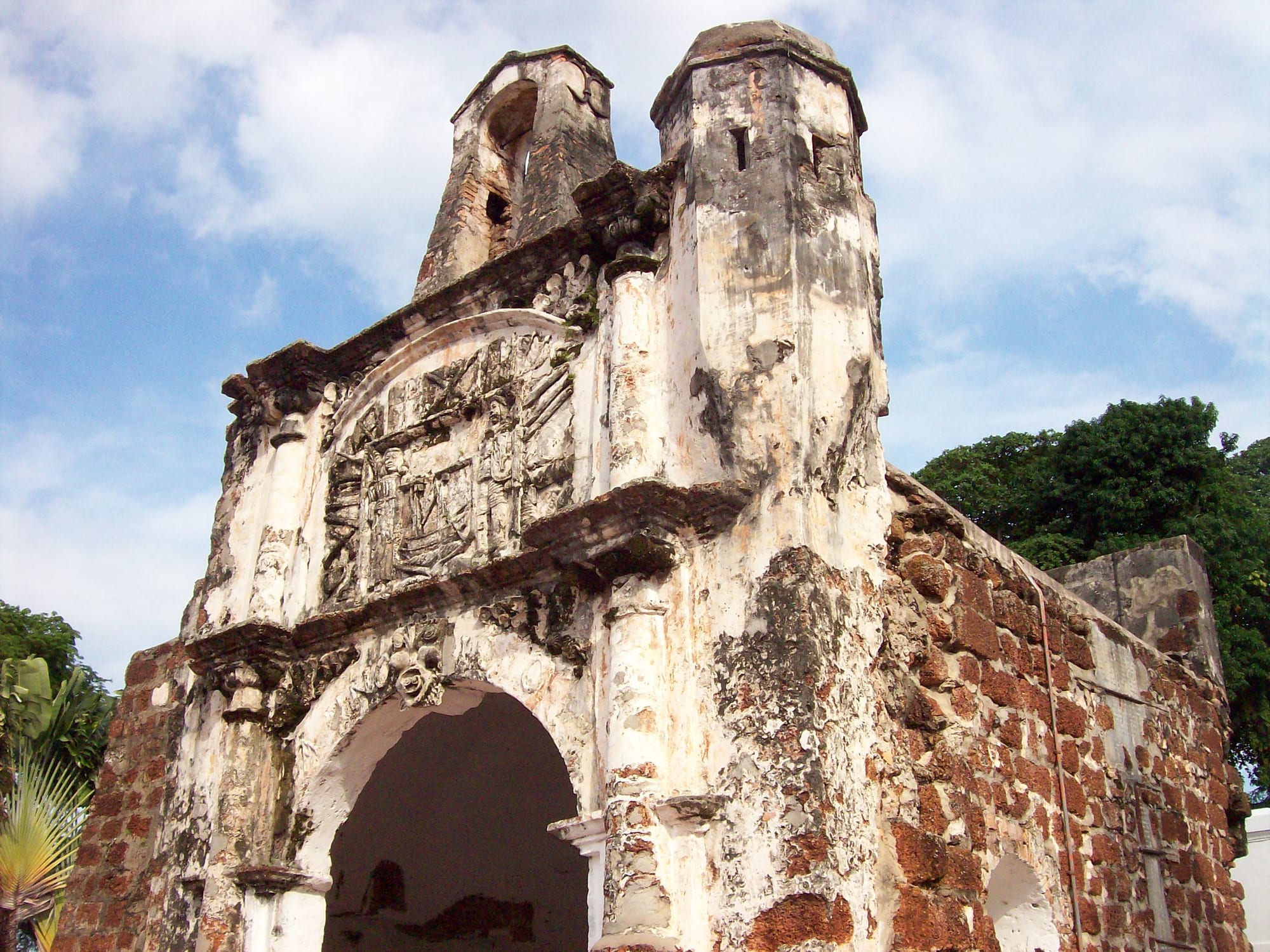
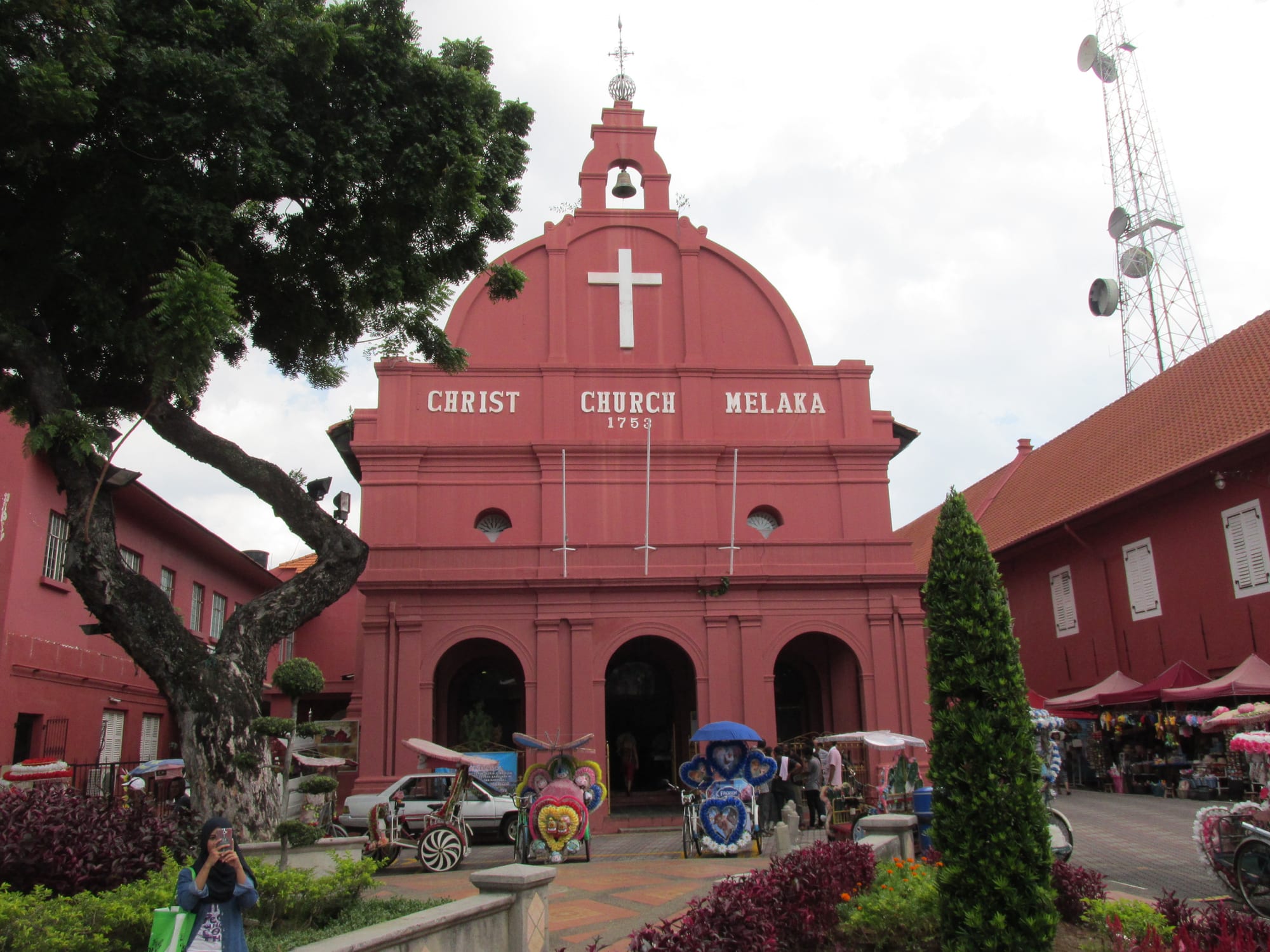
Around 1400 a prince from Sumatra founded the Sultanate of Malacca on the strait that carries the India–China maritime trade. Controlling that chokepoint, Malacca became the greatest port in Southeast Asia, and the centre from which Islam, arriving with Indian and Arab traders, spread through the Malay archipelago. Its court culture, its language, and its faith became the model of "Malayness".
The port and its conquerors
British Malaya
Britain built up footholds — Penang in 1786, Singapore in 1819, Malacca in 1824 — and over the 19th century extended protectorates over the peninsular Malay states, ruling indirectly through their sultans. In Borneo, the adventurer James Brooke became the "White Rajah" of Sarawak in 1841, founding a dynasty that ruled it as a private kingdom until 1946, while a chartered company ran North Borneo.
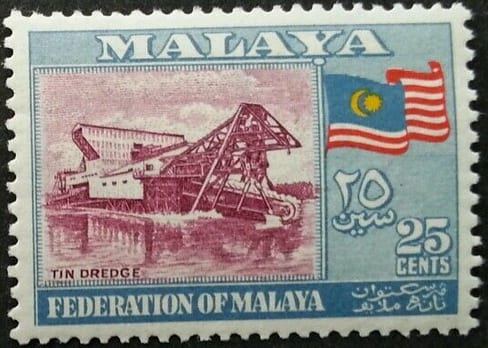
The colonial economy was built on tin — Malaya was the world's largest producer — and, from about 1900, rubber. Both ran on imported labour: Chinese migrants for the tin mines and trade, and Indian, mostly Tamil, workers for the rubber estates.
Occupation, Emergency, independence
Japan overran Malaya in ten weeks in 1941–42 and took Singapore, in Britain's greatest capitulation. The occupation fell hardest on the Chinese, and the main resistance was a Chinese-led communist force. After the war, Britain's plan for equal citizenship provoked fierce Malay opposition and the founding of UMNO, and in 1948 the Malayan Communist Party launched an insurgency — the Emergency — which Britain defeated over twelve years by resettling half a million rural Chinese and promising independence.
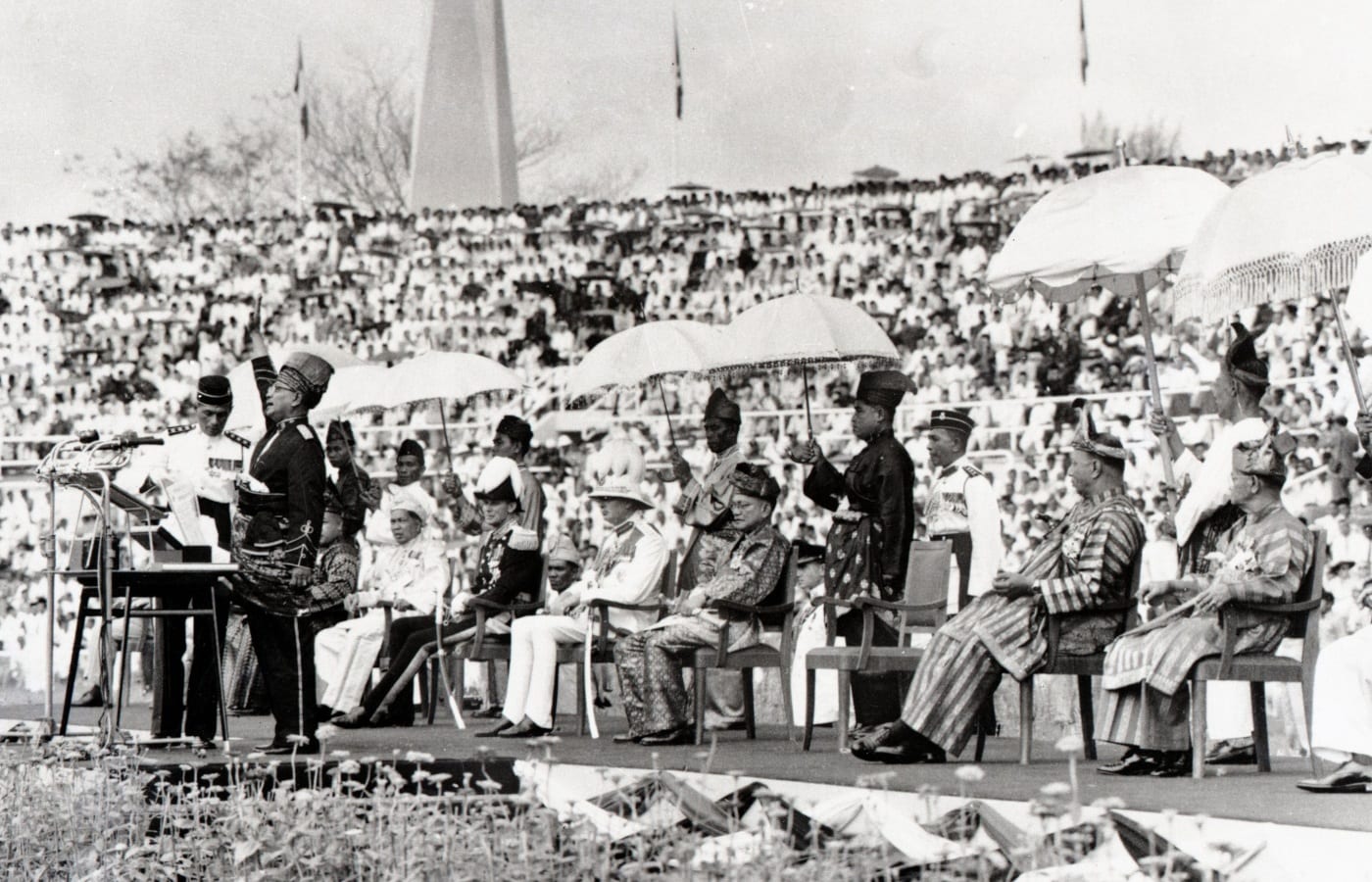
In 1963 Malaya joined with Singapore, Sarawak and North Borneo to form Malaysia. Indonesia opposed it with an undeclared war, and in 1965 Singapore — with its Chinese majority and a leader challenging Malay privilege — was expelled.
13 May, and the New Economic Policy
After the 1969 election, in which Chinese-based opposition parties made gains, ethnic riots broke out in Kuala Lumpur, killing around 200 people, mostly Chinese, and parliament was suspended for two years. The response was the New Economic Policy of 1971 — a sweeping affirmative-action programme to raise the Bumiputera share of wealth and education through quotas, state enterprises and preferential contracts. It built a large Malay middle class and cut poverty, and it also entrenched race-based policy and one-party dominance.
The Mahathir era, and 1MDB
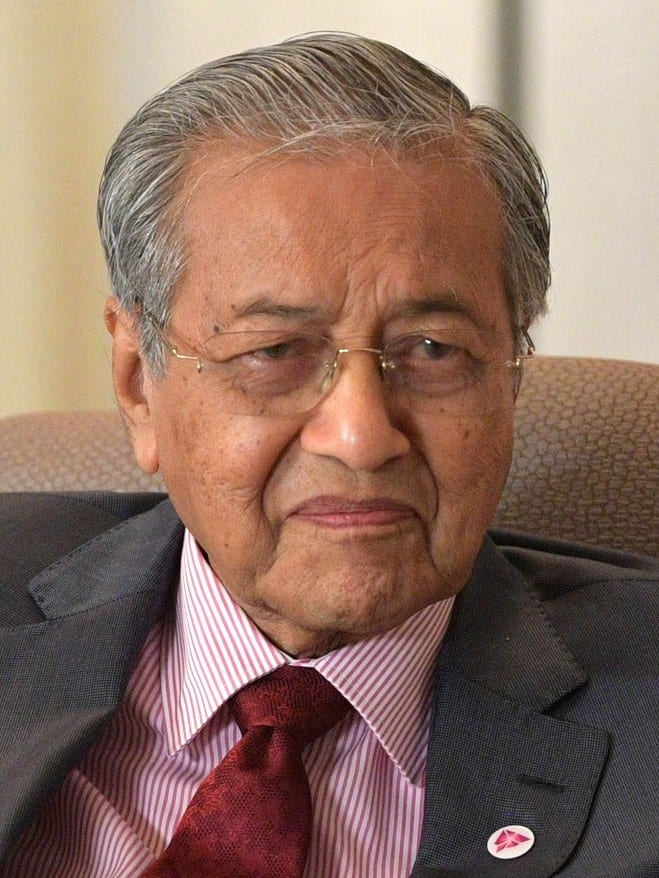
Malaysia industrialised fast under Mahathir, weathered the 1997–98 Asian crisis with capital controls, and grew increasingly Islamised in its politics and law. The 1MDB scandal — the theft of some US$4.5 billion from a state fund set up under Prime Minister Najib Razak — ended 61 years of unbroken rule by the same coalition at the 2018 election. After several years of instability, Anwar Ibrahim, jailed twice on charges widely seen as political, finally became prime minister in 2022.
What Malaysia carries
Malaysia's history has two constants. One is the strait: Malacca's control of it built a sultanate and drew every passing empire. The other is the ethnic division that the tin-and-rubber economy created and that independence formalised into a bargain — Malay political primacy alongside citizenship and economic space for the Chinese and Indians. That bargain, and its costs, are still the substance of Malaysian politics.