Attractions & Natural Wonders · Malaysia
Malaysia: Eleven Attractions and Natural Wonders
Twin towers above a modern capital, a cave temple guarded by a golden god, a UNESCO trading port, and rainforest older than the Amazon holding orangutans and Southeast Asia's highest peak
By Worldlore Editorial · 10 September 2026
Two coasts, one country
Malaysia is split by the South China Sea into two halves: Peninsular Malaysia, sharing a border with Thailand and connected to Singapore, and East Malaysia (Sabah and Sarawak) on the island of Borneo, home to some of the oldest rainforest on earth. Its roughly 34 million people are a mix of Malay, Chinese, and Indian communities, each with their own festivals, food, and temples, and its modern capital, Kuala Lumpur, sits alongside colonial trading towns, tea- covered highlands, and world-class diving.
The eleven below span the peninsula and Borneo. It is hot and humid year-round; the west coast is driest roughly December to February, the east coast and Borneo driest around March to October (avoiding the northeast monsoon).
1. The Petronas Towers, Kuala Lumpur
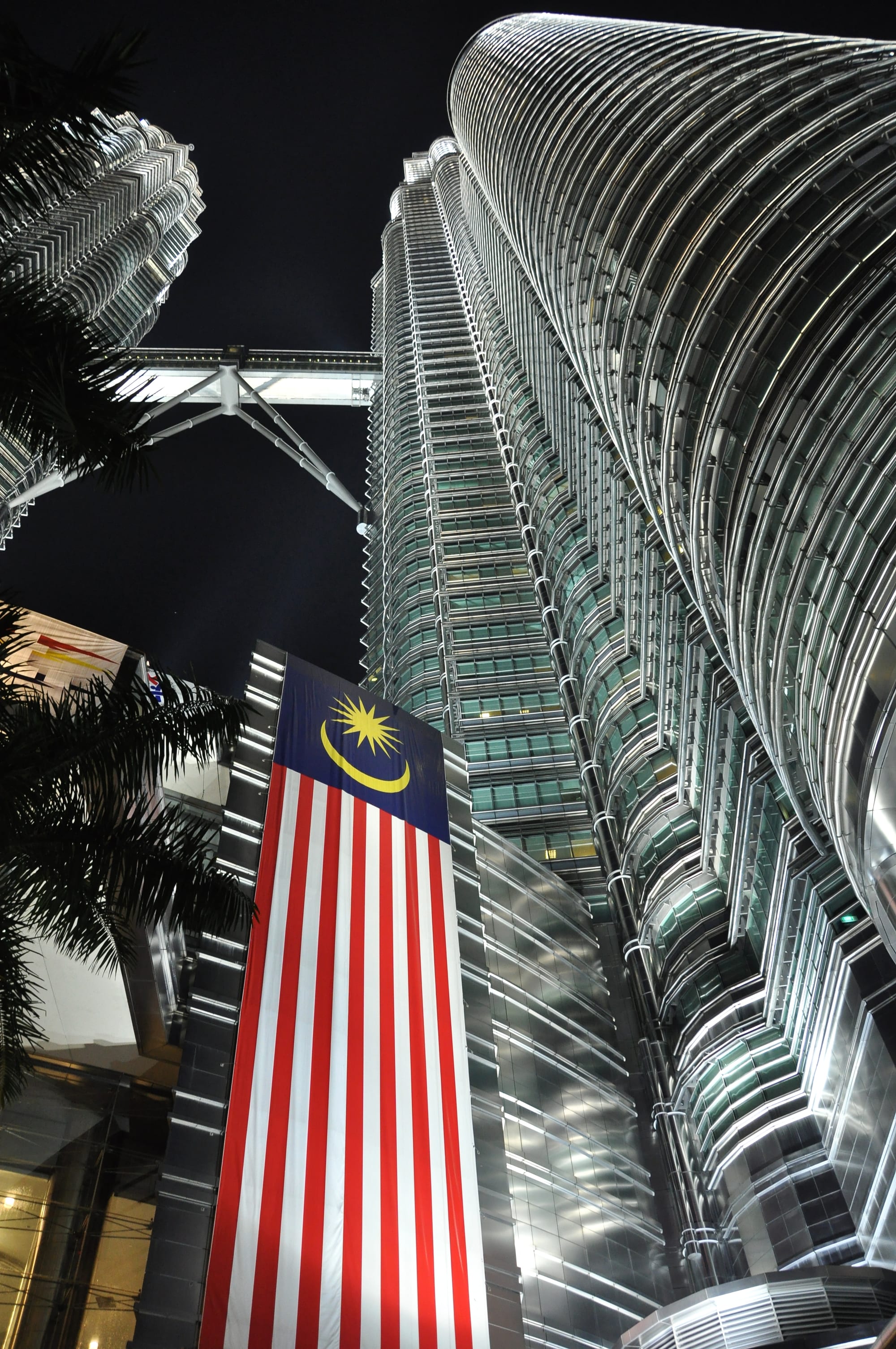
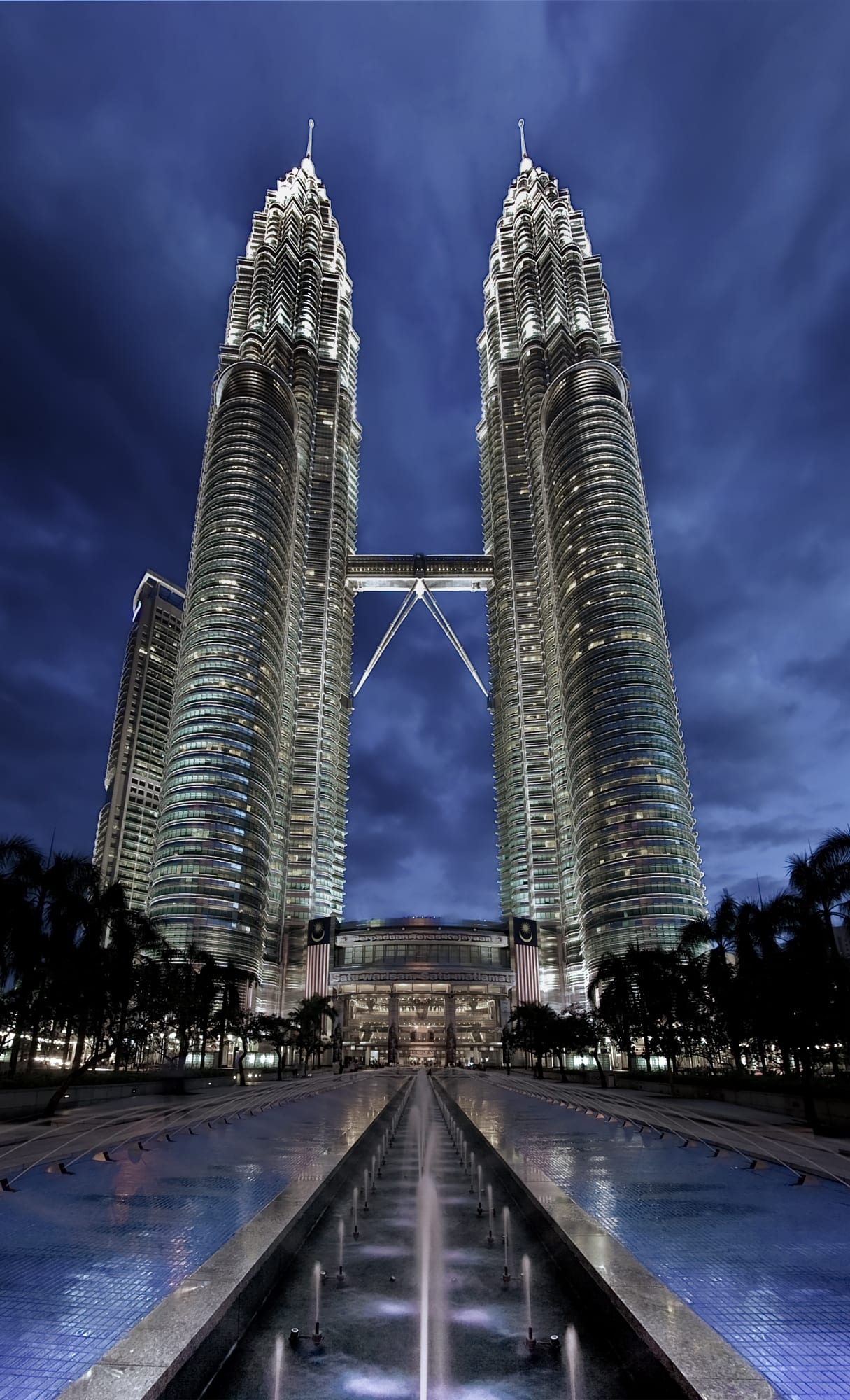
The Petronas Towers, completed in 1998 and the world's tallest buildings until 2004 (still the tallest twin towers), anchor Kuala Lumpur's skyline — a César Pelli design drawing on Islamic geometric patterns, with a public sky bridge and observation deck (book tickets ahead). Around their base, KLCC Park and the Suria KLCC mall give a green, air-conditioned break from the heat.
The best photographs are from the park at dusk, as the towers light up against the sky.
2. Batu Caves
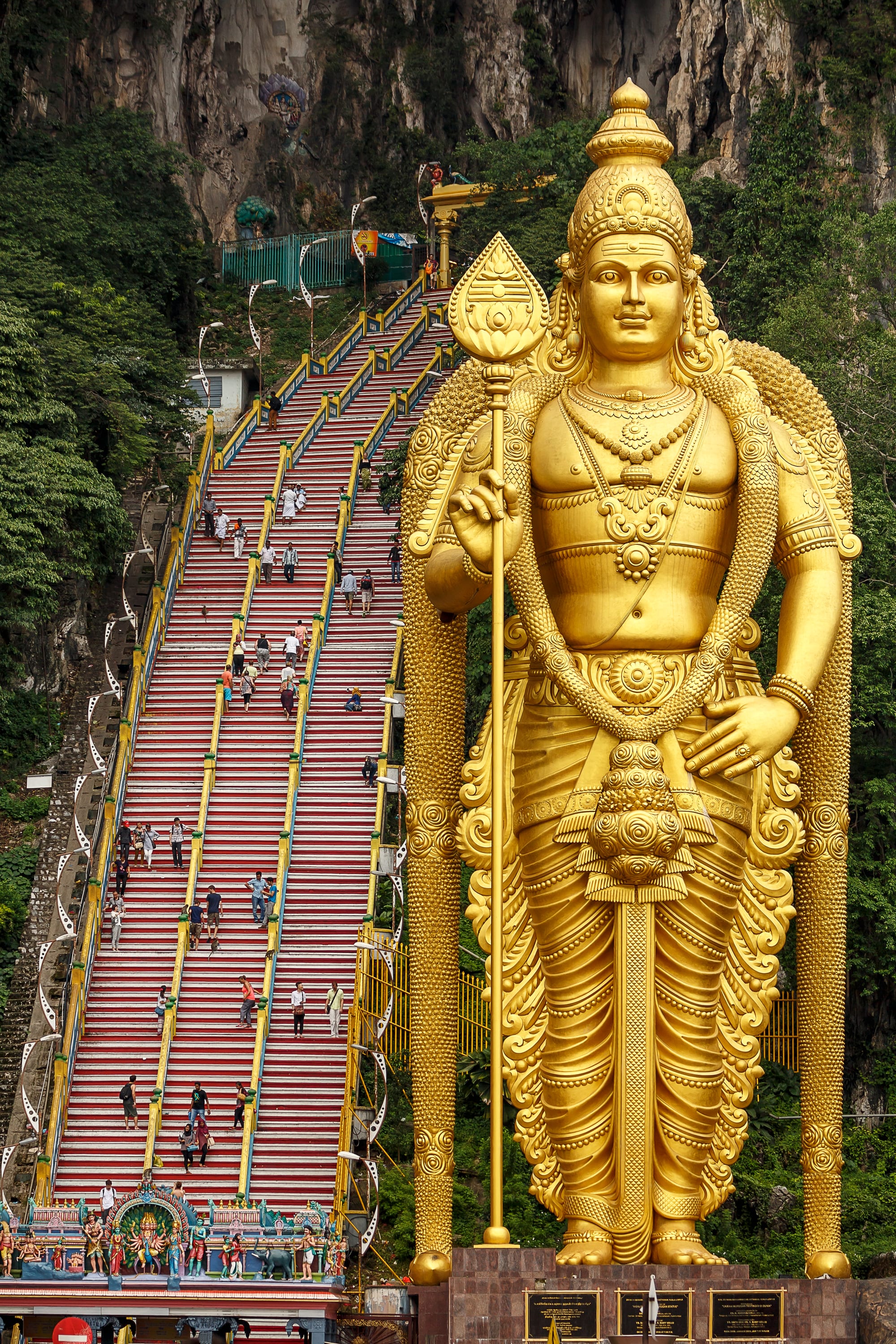
Batu Caves, just north of Kuala Lumpur, is a limestone hill riddled with caves turned into a major Hindu shrine, guarded by a 43-metre golden statue of Lord Murugan — the tallest of its kind in the world — at the foot of a rainbow- painted staircase. Macaques scamper on the steps; the main Temple Cave holds shrines beneath a huge natural chamber, and it is the focus of the annual Thaipusam festival, drawing over a million pilgrims.
It is an easy train ride from central Kuala Lumpur.
3. George Town, Penang
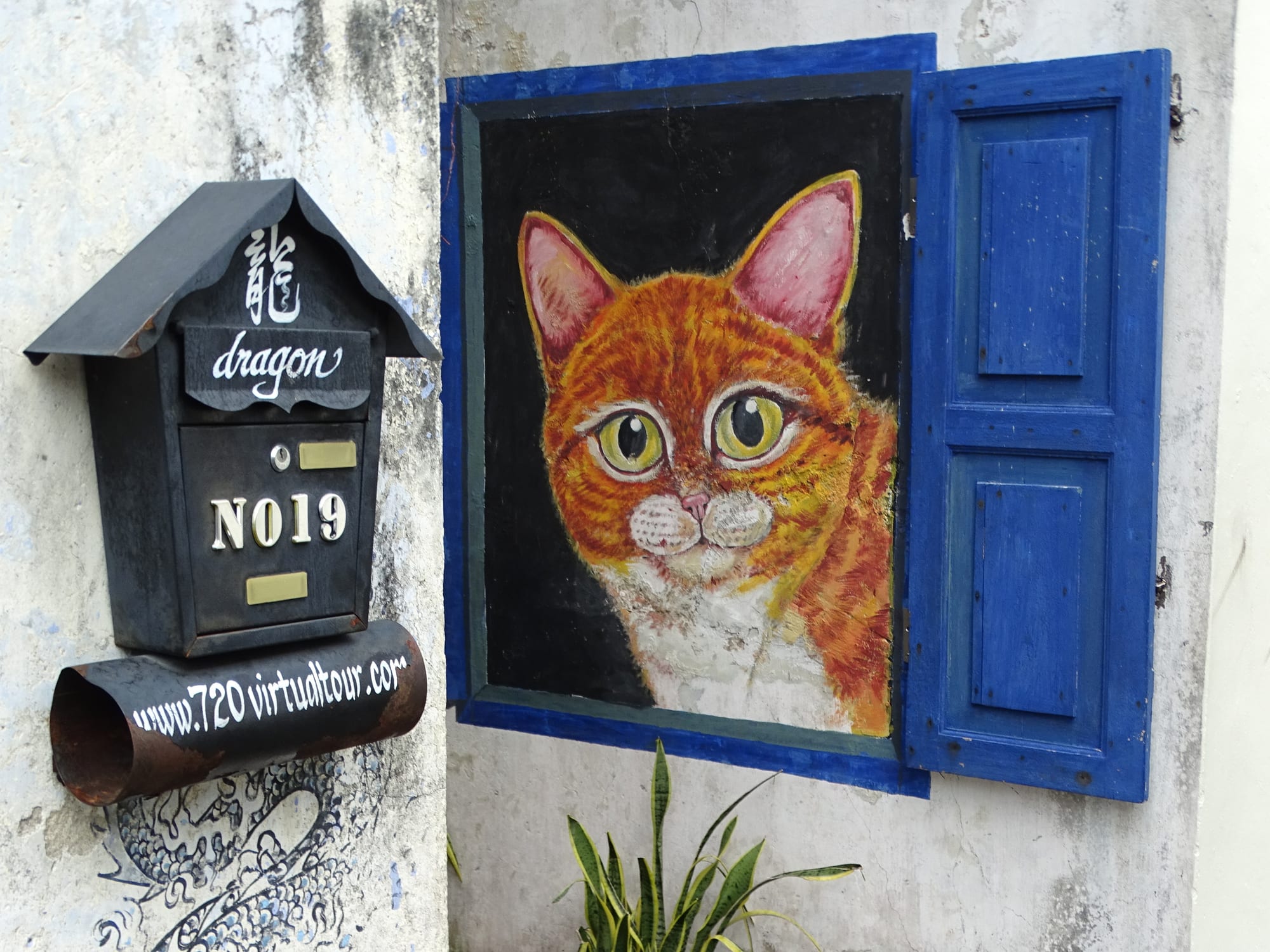
George Town, on the island of Penang, is a UNESCO World Heritage Site of shophouses, clan temples, mosques, and colonial buildings reflecting more than 200 years of trade between British, Chinese, Indian, and Malay communities. Since 2012 its lanes have also become an open-air gallery of wire-sculpture and mural street art. It is also widely considered to have Malaysia's best street food, sold from hawker stalls into the night.
The old town is compact and best explored slowly, on foot or by trishaw.
4. Kek Lok Si Temple
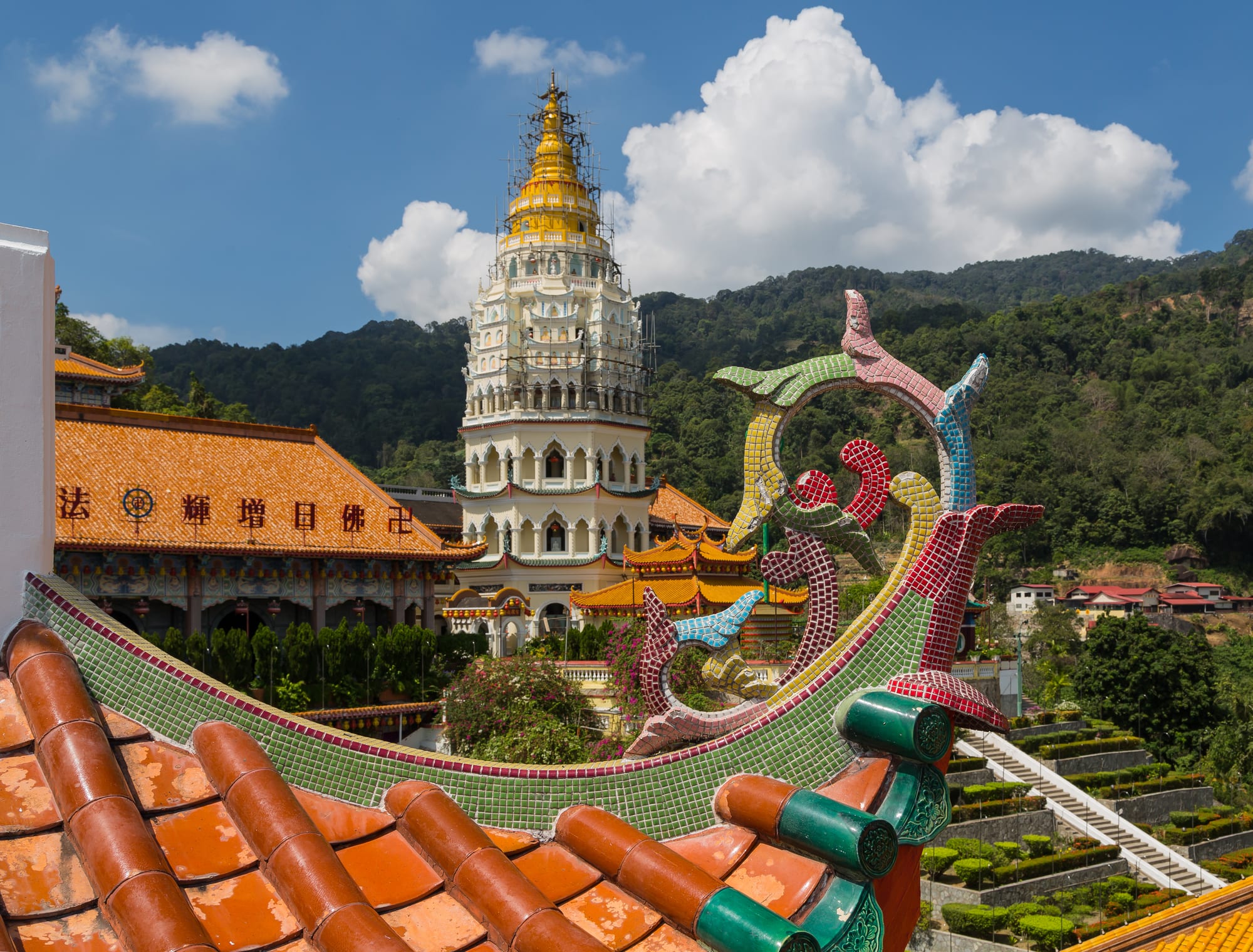
On a hillside above George Town, Kek Lok Si is Malaysia's largest Buddhist temple complex, its seven-tiered pagoda blending Chinese, Thai, and Burmese architectural styles, topped by a giant bronze Kuan Yin statue reached by funicular. It is especially striking during Chinese New Year, when tens of thousands of lanterns light the hillside at night.
It is a short drive or bus ride from central George Town.
5. Melaka
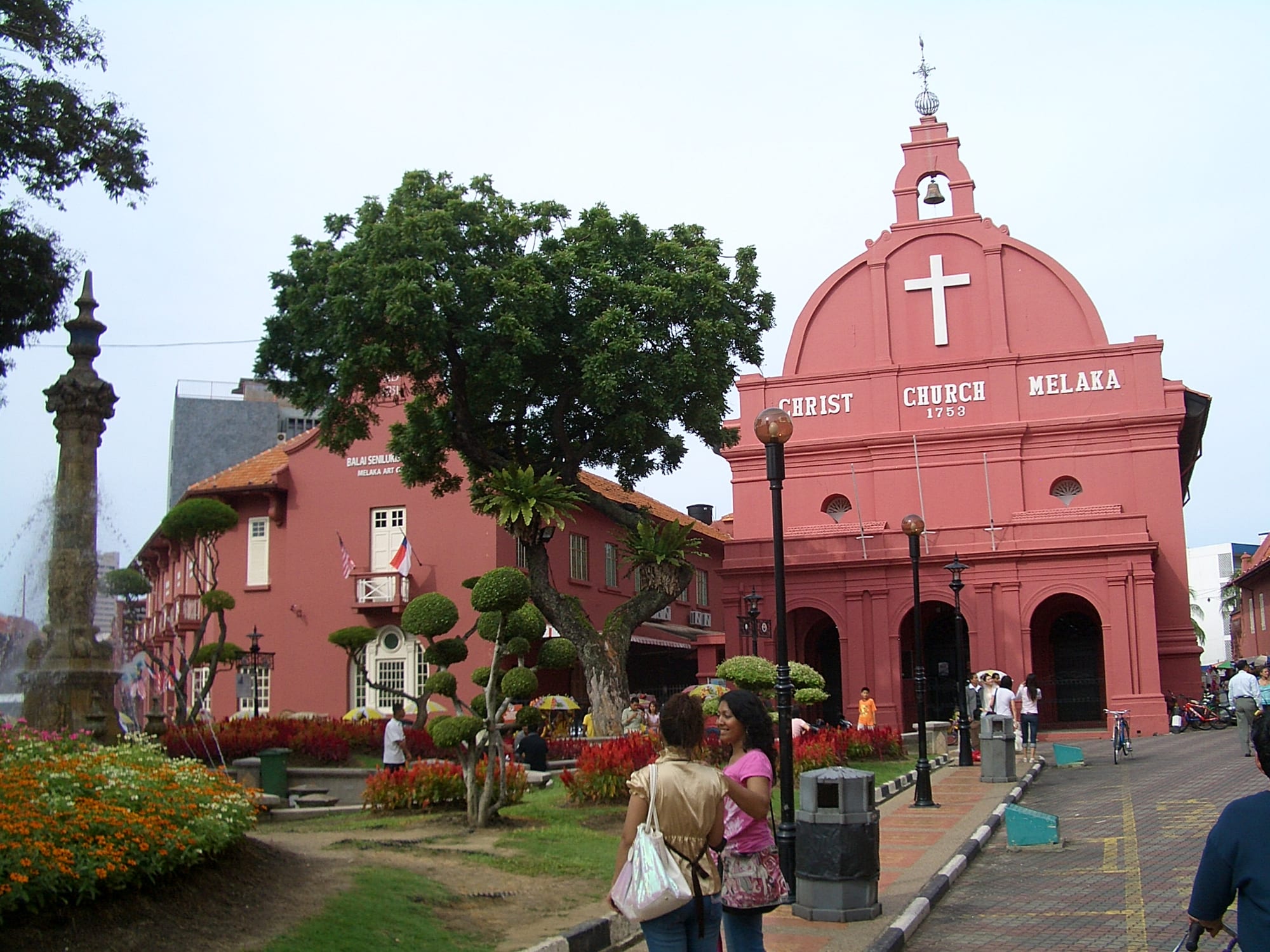
Melaka (Malacca), on the strait that gave it centuries of importance as a spice- trade port, layers Malay sultanate, Portuguese, Dutch, and British rule into one small city — a UNESCO World Heritage Site alongside George Town. The red Dutch Square, the ruined Portuguese fort of A Famosa, Jonker Street's night market, and the distinct Peranakan (Baba-Nyonya) culture and cuisine are the highlights.
It is about two hours south of Kuala Lumpur, a popular day trip or overnight.
6. The Cameron Highlands
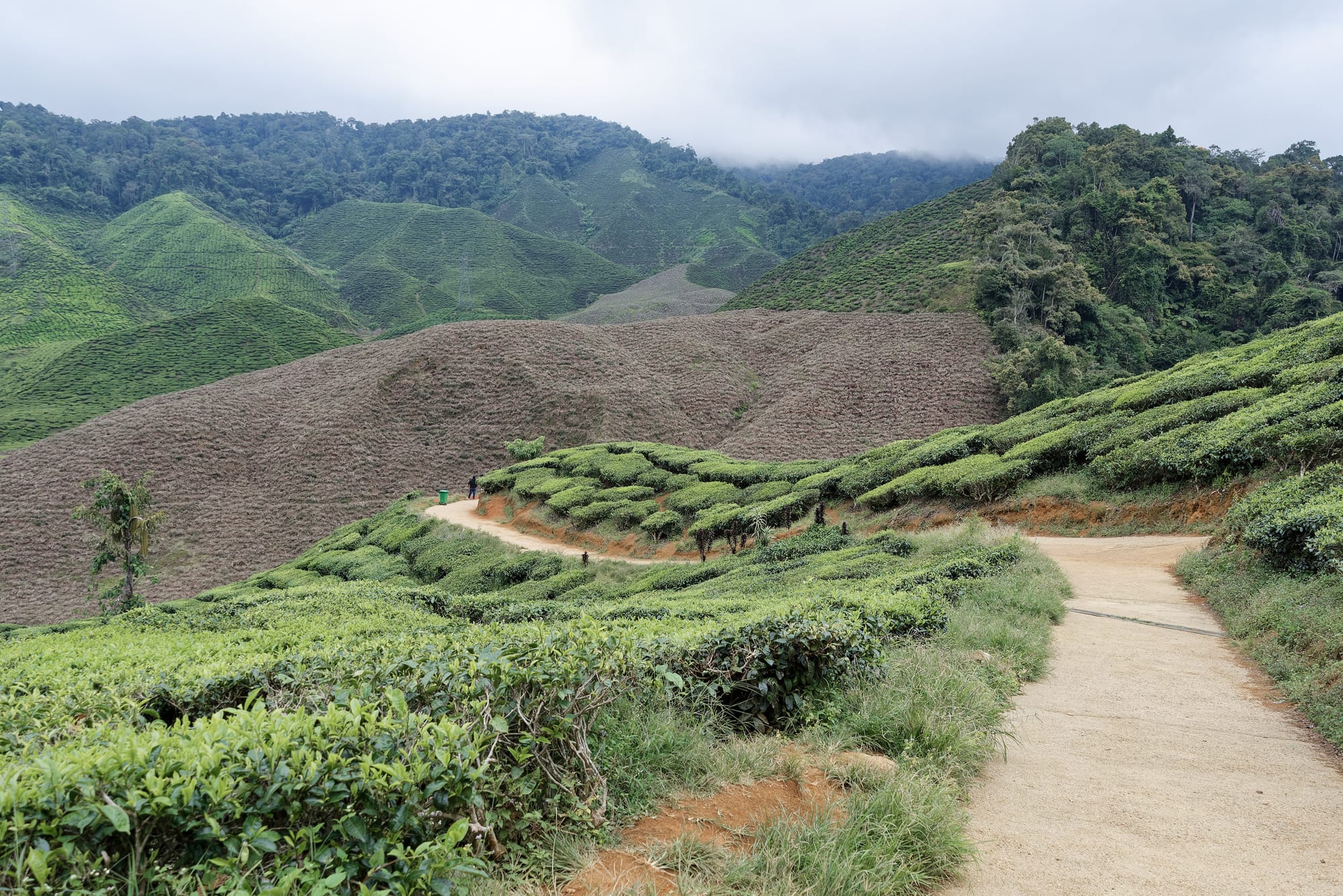
The Cameron Highlands, developed as a hill station by the British to escape the lowland heat, sit at around 1,500 metres and stay cool year-round — rolling tea plantations (with tastings and viewpoints), strawberry farms, butterfly and flower gardens, and patches of ancient mossy montane forest good for short hikes.
The tea estates, especially BOH, are the signature stop and photo.
7. Langkawi
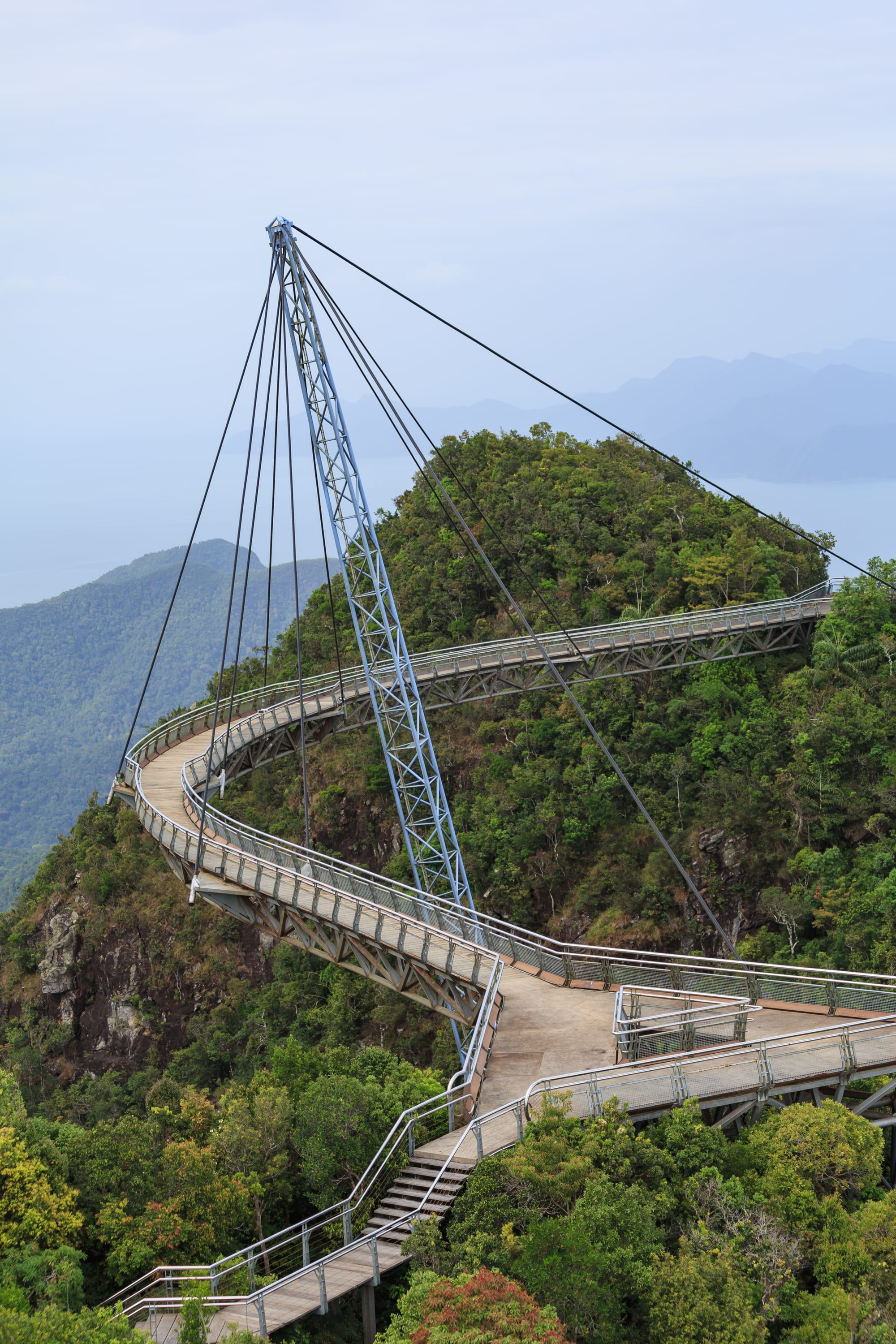
Langkawi, an archipelago of 99 islands off the northwest coast, is a duty-free beach destination with a geological claim to fame — some of its rock is over 500 million years old, the basis for a UNESCO Global Geopark. A cable car climbs to the curved Sky Bridge, suspended over a forested gorge; island- hopping boat trips visit the "Lake of the Pregnant Maiden" and mangrove eagle- feeding tours.
It has its own airport and ferry connections from Penang and the mainland.
8. Taman Negara
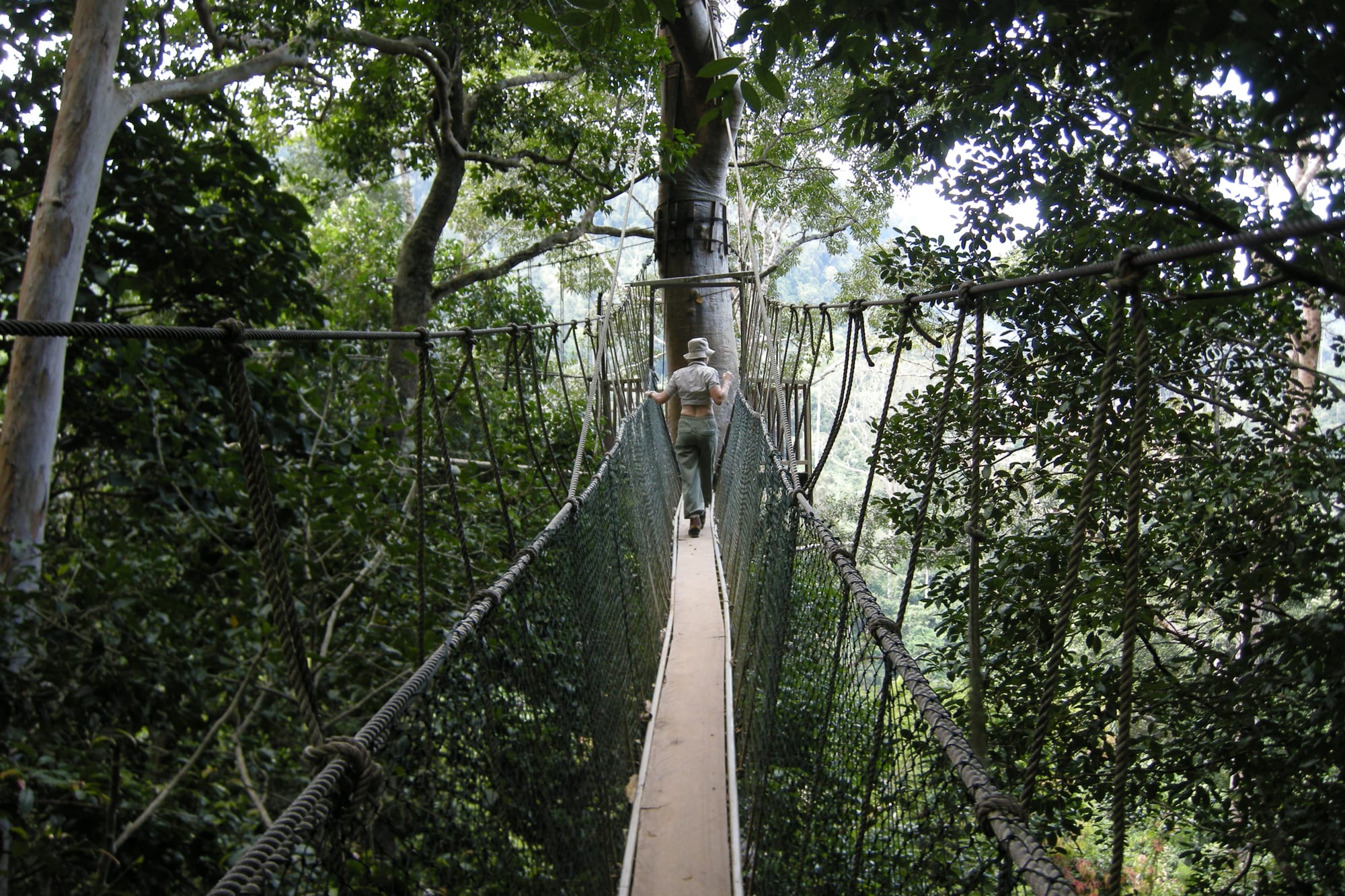
Taman Negara, in the peninsula's interior, protects rainforest estimated at over 130 million years old — older than the Amazon or the Congo basin. A long canopy walkway, night wildlife drives, river trips, and the multi-day climb of Gunung Tahan, the peninsula's highest peak, are the main draws, along with the riverside village of Kuala Tahan as a base.
It is reached by road or a scenic boat trip up the Tembeling river.
9. Mount Kinabalu
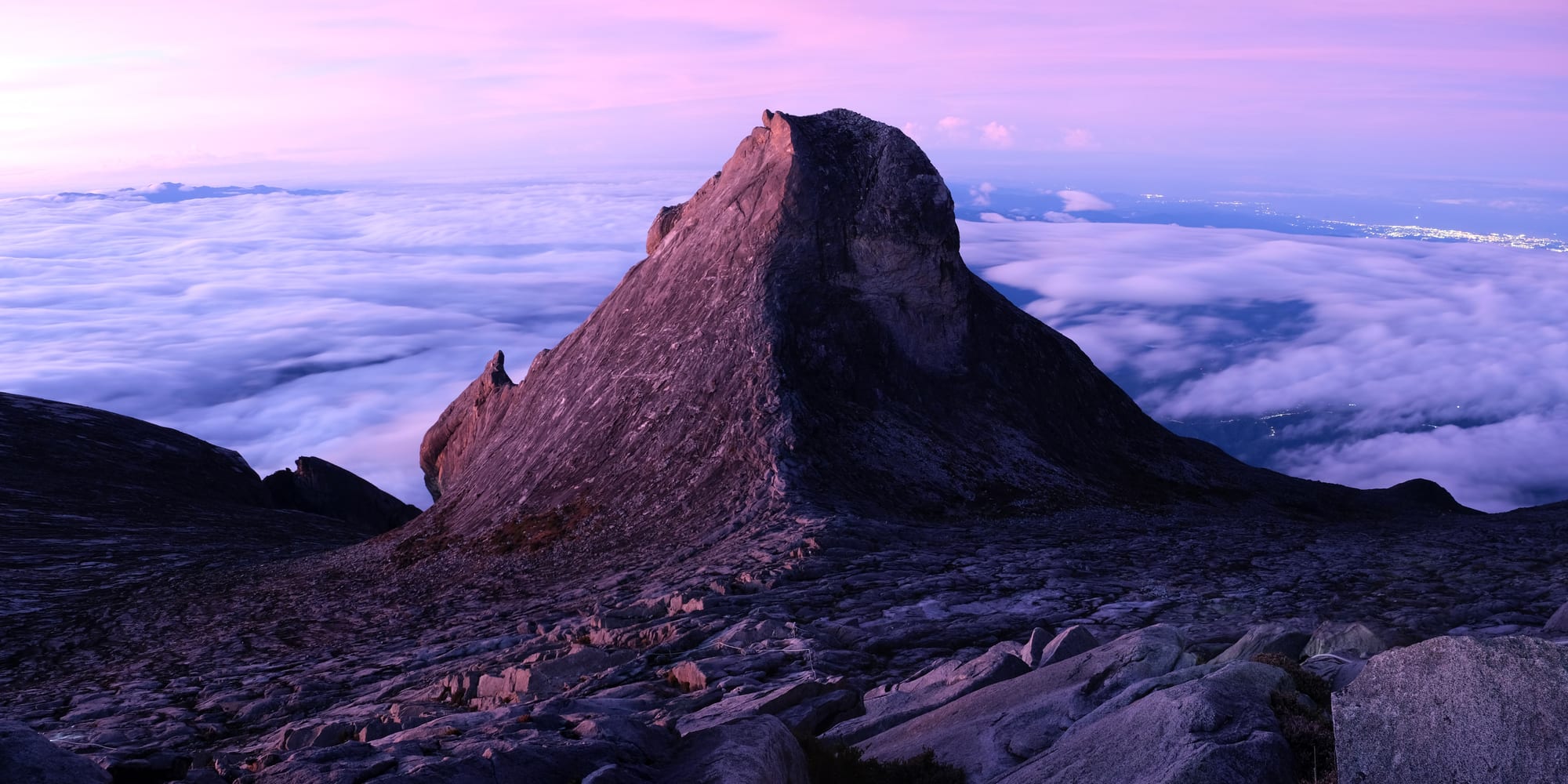
Mount Kinabalu, at 4,095 metres, is the highest peak in Southeast Asia between the Himalaya and New Guinea, and a UNESCO World Heritage Site holding extraordinary plant diversity, including giant pitcher plants found nowhere else. Climbing to the summit for sunrise is a popular two-day trek with an overnight at a mountain lodge; permits are limited and should be booked well ahead.
The surrounding park also has easier day walks and hot springs at nearby Poring.
10. Sipadan
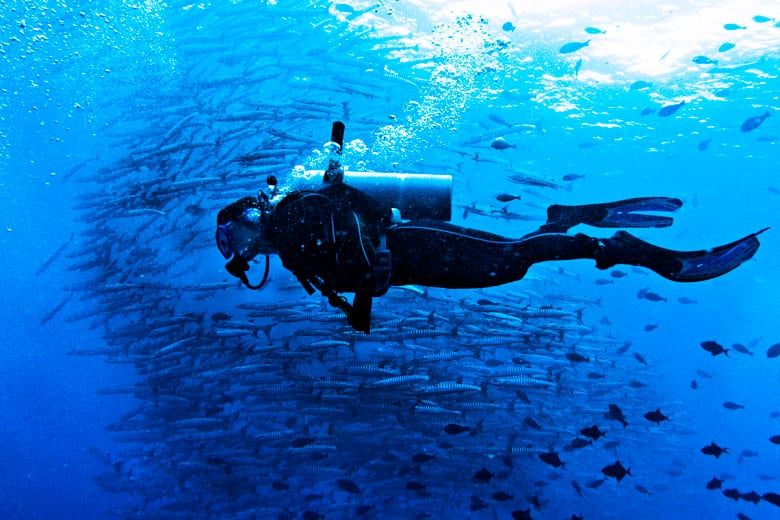
Sipadan, off the coast of Sabah, is regularly rated one of the best dive sites on earth — a steep-walled oceanic island where green and hawksbill turtles rest in caves, schooling barracuda and jackfish form huge swirling walls, and white-tip reef sharks patrol the drop-off. Diver numbers are strictly limited by permit to protect the reef, so book well in advance through an operator on nearby Mabul or Kapalai.
It is reached via Semporna, a small transit town in eastern Sabah.
11. Sepilok and Sabah's orangutans
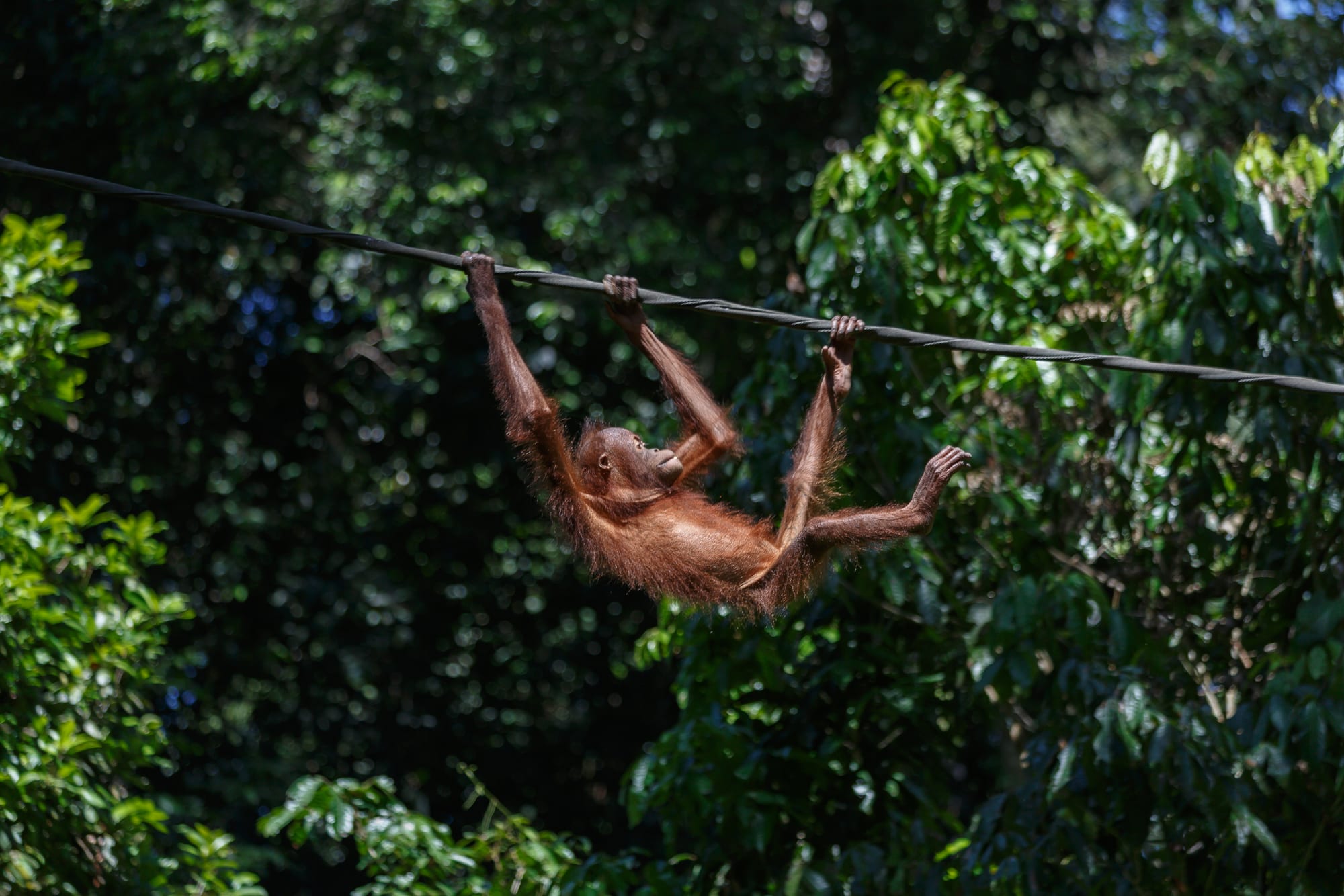
The Sepilok Orangutan Rehabilitation Centre, near Sandakan, cares for orphaned and displaced orangutans and returns them to the surrounding forest reserve, with viewing platforms at feeding times; the adjoining Bornean Sun Bear Conservation Centre does the same for the world's smallest bear species. Nearby, the Kinabatangan river offers boat safaris for wild orangutans, proboscis monkeys, and pygmy elephants along its banks.
Sandakan is the main gateway for this side of Sabah, a short flight from Kota Kinabalu.
Malaysia's two halves are usually treated as separate trips: a peninsula circuit (Kuala Lumpur, Penang, the Cameron Highlands, Melaka, or Langkawi) of a week to 10 days, and a Sabah or Sarawak trip for Borneo's mountains, diving, and wildlife.