Daily Life · Malaysia
Malaysia: A Day Built Around the Hawker Table
Three communities that mostly keep their own schools and their own languages, a long working week, and hawker centres in every town where Malay, Chinese and Indian cooking share the same row of tables
By Worldlore Editorial · 30 September 2026
An ordinary day in Malaysia runs on parallel tracks that meet at mealtimes. Malay, Chinese, Indian and Indigenous communities each keep a good deal of their own daily life separate — their own languages, their own schools, their own places of worship — and then converge over food, at the hawker stalls and mamak restaurants that keep going late into the night. The working week is long, the household has been shrinking for a generation, and the day itself still runs, in practice, around whichever cuisine's turn it is to be lunch.
Family and home life
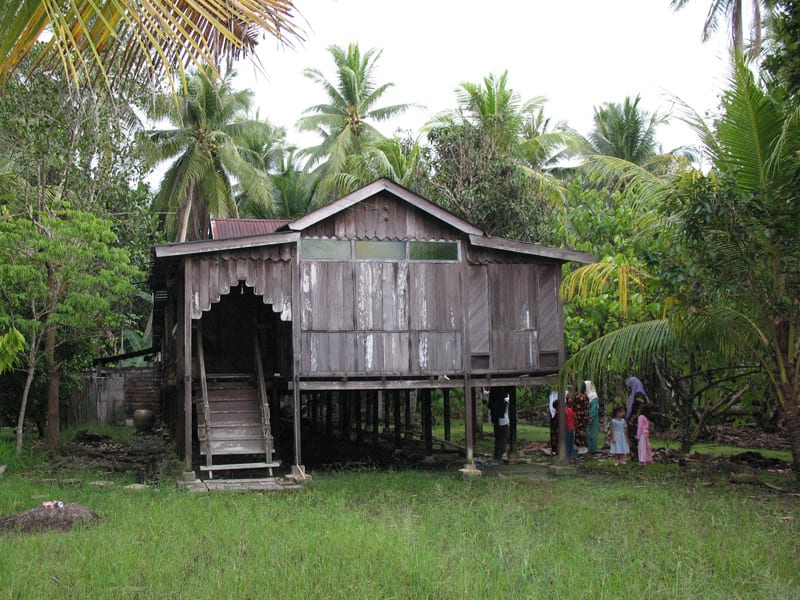
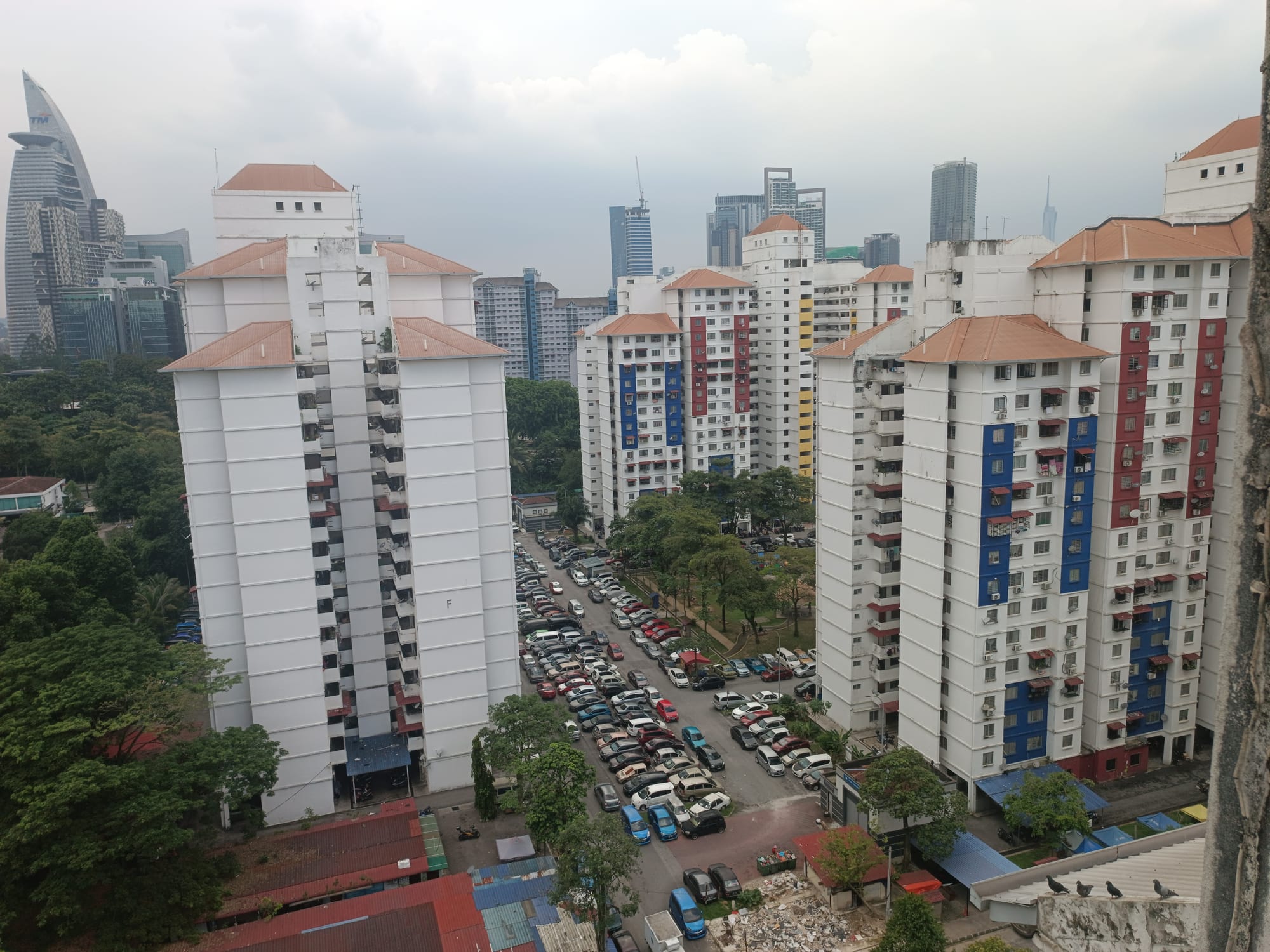
The average Malaysian household has shrunk from 4.2 people in 2010 to 3.8 at the 2020 census, as the nuclear family has become the norm and young Malaysians increasingly move to the cities for work. Multigenerational households have not disappeared — they remain common, especially outside the cities, and grandparents frequently help raise grandchildren even when they do not live under the same roof. Housing has shifted with the population: city dwellers now live in terraced houses and high-rise apartment blocks rather than the timber, stilt-raised kampung house that once defined the Malay countryside and is still found there today, while the Klang Valley in particular has seen a construction boom of dense residential towers to house its workers.
Work, school and the rhythm of the day
Malaysians work long hours: the mean working week is around 45 hours, and shops and hawker stalls keep long opening hours on top of that. Most of the country runs a Monday-to-Friday week with the weekend on Saturday and Sunday, but Kedah, Kelantan, Terengganu and (since January 2025) Johor instead work Sunday to Thursday, resting on Friday and Saturday so that Friday, the Muslim holy day, falls inside the days off. Schooling divides along similar lines to the wider society: alongside Malay-medium national primary schools, government-funded vernacular primary schools teach primarily in Mandarin or Tamil, and a large majority of Chinese Malaysian children and many Indian Malaysian children attend one of these rather than a national school, a structure that dates from before independence and remains a normal, unremarkable part of choosing a school today.
Community life and public spaces
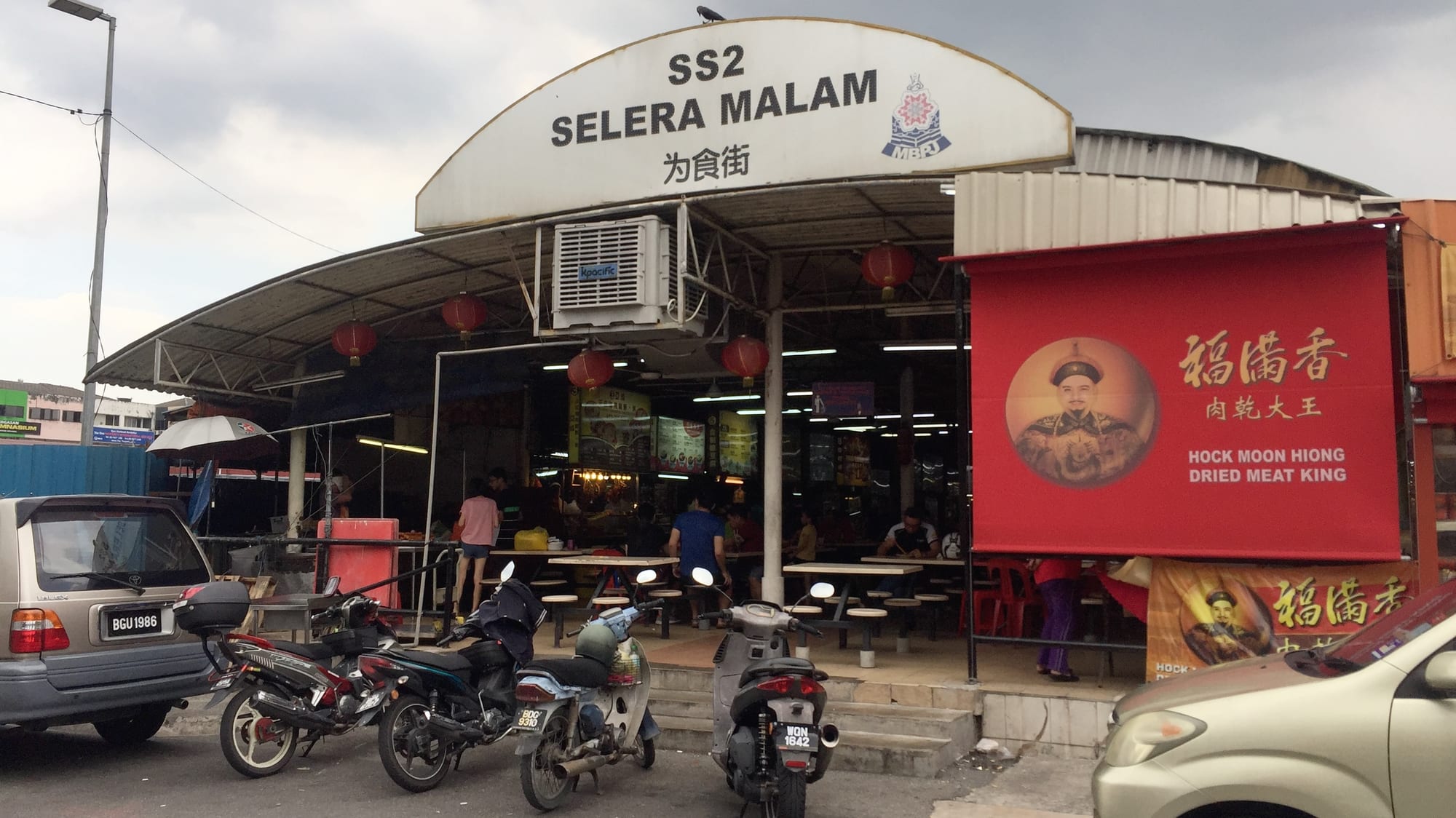
The hawker centre is the country's real communal dining room, an open-air or semi-covered hall of independent stalls where Malay, Chinese and Indian cooking sit side by side and a meal is inexpensive. Mamak stalls, rooted in Tamil Muslim cooking, are a fixture of this landscape and many stay open late, some around the clock, making them a genuine late-night gathering point as much as a place to eat. Malls have become the other major indoor gathering space in the cities, air-conditioned refuges from the heat that double as the default venue for errands, meeting friends and weekend outings. Car ownership is high and public transport use comparatively low — only a minority of Kuala Lumpur commuters use trains or buses — so traffic, not distance, is what shapes how long an ordinary commute actually takes.
Free time and weekends
Football is Malaysia's most popular sport, but badminton is where the country shines: it is played in community halls across the country, it has brought Malaysia many of its Olympic medals, and big matches draw thousands of spectators. Weekends bring family visits, trips to the mall or a hawker centre with friends, and, for many urban Malaysians with roots elsewhere, the balik kampung journey back to a home village or hometown, particularly around the major festival calendar shared across the country's faiths. Football draws a wide following, both for the domestic league and for overseas clubs.
A visitor's ordinary day
Cards are widely accepted in Kuala Lumpur, Penang and other cities, but hawker stalls and small shops still often run on cash in ringgit, so it is worth carrying some. Ride-hailing apps, chiefly Grab, are the easiest way to get around the cities and are used by locals and visitors alike rather than street-hailed taxis. Shops and hawker centres generally open by mid-morning and run into the evening, with some mamak stalls among the few places open right through the night. Travel between Peninsular Malaysia and Sabah or Sarawak in Borneo is almost always by air, and it is worth remembering that Sabah and Sarawak run their own immigration checks and re-stamp passports even for travellers arriving from elsewhere in Malaysia.
What to take away
What defines an ordinary day in Malaysia is less a single shared rhythm than three or four rhythms running at once, kept separate through much of the day by language and schooling, and brought back together, reliably, at the hawker table.