History · Malawi
Malawi: The Lake and the Warm Heart
A country shaped by its great lake and by the East African slave trade — Livingstone's missionaries, a British labour-reserve colony, the 30-year dictatorship of Hastings Banda, and a durable if poor democracy
By Worldlore Editorial · 10 September 2026
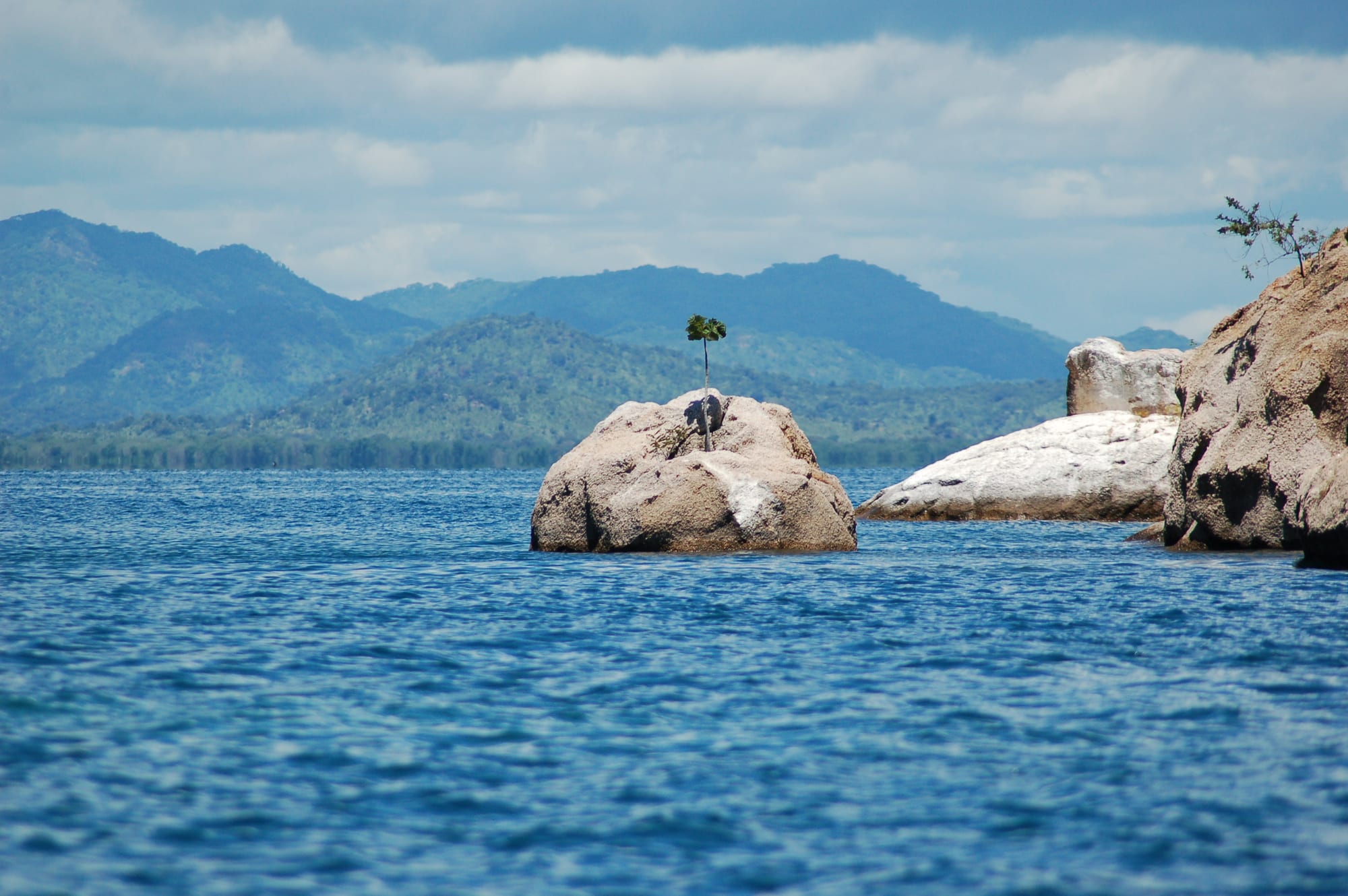
A country defined by its lake
Malawi is a narrow, landlocked country in south-eastern Africa, most of it strung along Lake Malawi, one of the largest lakes on the continent. It has about 21 million people, overwhelmingly rural, farming maize on small plots and growing tobacco for export. It is one of the world's poorest countries. Its modern history begins with the 19th-century slave trade that ran through this region, which drew in David Livingstone and, after him, the British.
A short history
- c. 1500
The Maravi
A Chewa confederation dominates the region; the country takes its name from it.
- 1800s
Raiders and traders
Yao slave traders and Ngoni invaders reshape the region.
- 1859
Livingstone
Explores the Shire River and the lake; calls for missions.
- 1891
The protectorate
Britain declares what becomes Nyasaland.
- 1915
The Chilembwe rising
A brief armed revolt against colonial rule.
- 1953–1963
The Federation
Nyasaland is joined, against African wishes, to the Rhodesias.
- 1964
Independence
Malawi, under Hastings Banda.
- 1966–1994
The Banda dictatorship
A one-party state and President for Life.
- 1994
Democracy
Multiparty elections end Banda's rule.
The Maravi, and the slave trade
Bantu-speaking farmers settled the region over the first millennium CE, and by around 1500 the Maravi confederation of Chewa states dominated the lands west and south of the lake — the source of the name "Malawi". The 19th century was violent: Yao traders moved in and ran a heavy slave and ivory trade to the Swahili coast, and Ngoni war-bands, thrown north by the upheavals around the Zulu kingdom, raided across the region. Lake Malawi was a major artery of the East African slave trade.
Missions and revolt
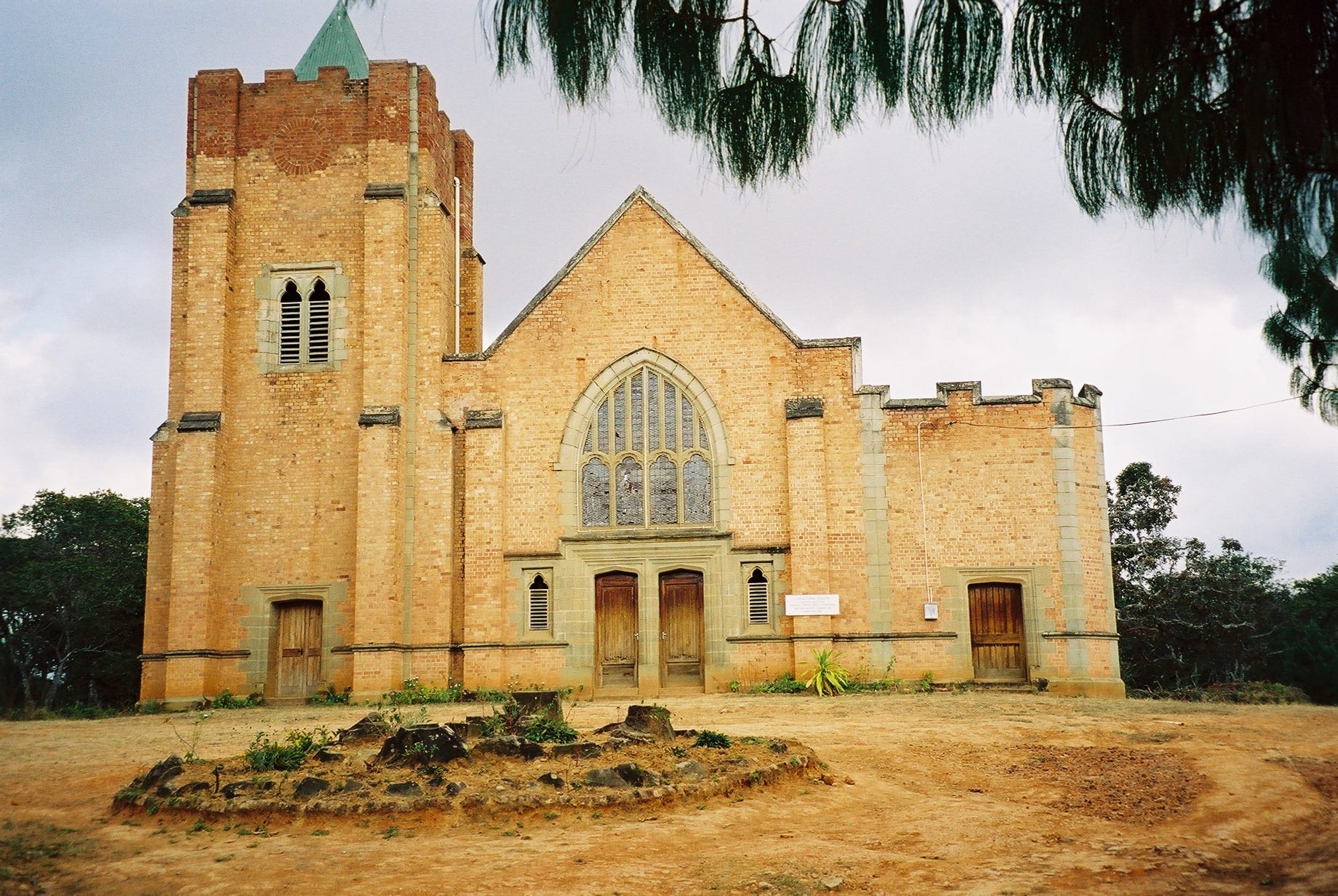
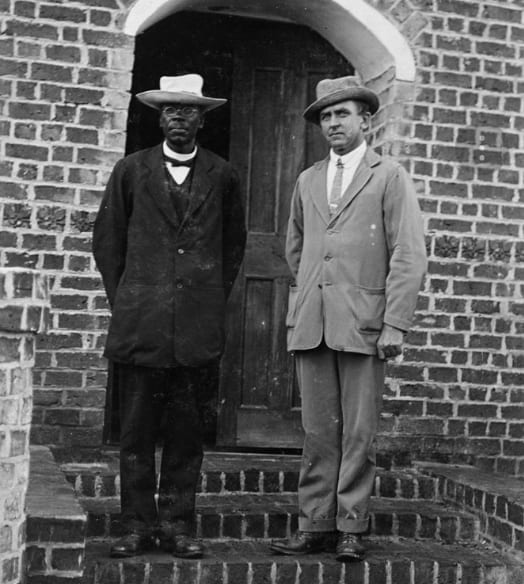
Nyasaland
Britain declared a protectorate in 1891, after wars against the slave-trading chiefs, and named it Nyasaland in 1907. It was a poor colony with little investment — some European tea and tobacco estates in the south, worked by African tenant-labour, and above all the export of migrant workers to the mines of South Africa and the Rhodesias. Hundreds of thousands of Nyasa men spent their working lives away from home.
Federation and independence
In 1953 Britain forced Nyasaland into the Central African Federation with the two Rhodesias — bitterly opposed by Africans, who feared rule by Southern Rhodesia's white settlers. Opposition rallied around Dr Hastings Kamuzu Banda, a Malawian doctor who had lived and practised abroad for decades and was invited home in 1958 to lead the movement. A 1959 emergency jailed him and hundreds of others; the Federation was dissolved in 1963, and Malawi became independent on 6 July 1964.
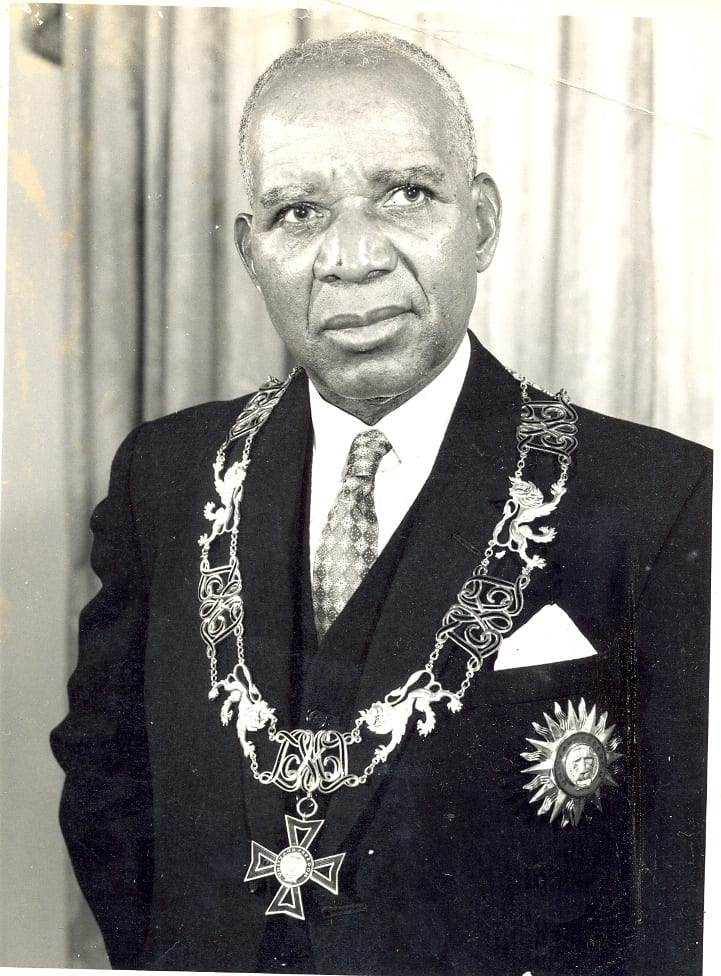
Within weeks of independence, Banda purged the younger ministers who challenged him, and then ruled as an absolute dictator, controlling much of the formal economy through a private conglomerate.
Democracy
With the Cold War over and donors withholding aid, and after Malawi's Catholic bishops broke the public silence in 1992, a referendum in 1993 chose multiparty democracy, and the 1994 election ended Banda's rule. Malawi has held regular elections since, with peaceful transfers of power.

Malawi remains very poor and aid-dependent, its economy narrowly tied to tobacco and acutely exposed to drought and floods — Cyclone Freddy killed around 1,200 people in 2023 — and to a fast-growing population on limited land.
What Malawi carries
Malawi's history turns on the lake and the trade routes around it — first the slave trade that pulled in Livingstone and the missions, then a colonial economy that exported its men rather than developing at home. Independence brought thirty years of one-man rule, and the years since have brought a stubborn, functioning democracy — including a court willing to overturn a stolen election — laid over deep and persistent poverty.