Daily Life · Malawi
Malawi: Living by the Single Rain
A country of small maize plots and one growing season, where land often passes down through mothers, and a bicycle carrying a whole family is a common sight on rural roads
By Worldlore Editorial · 30 September 2026
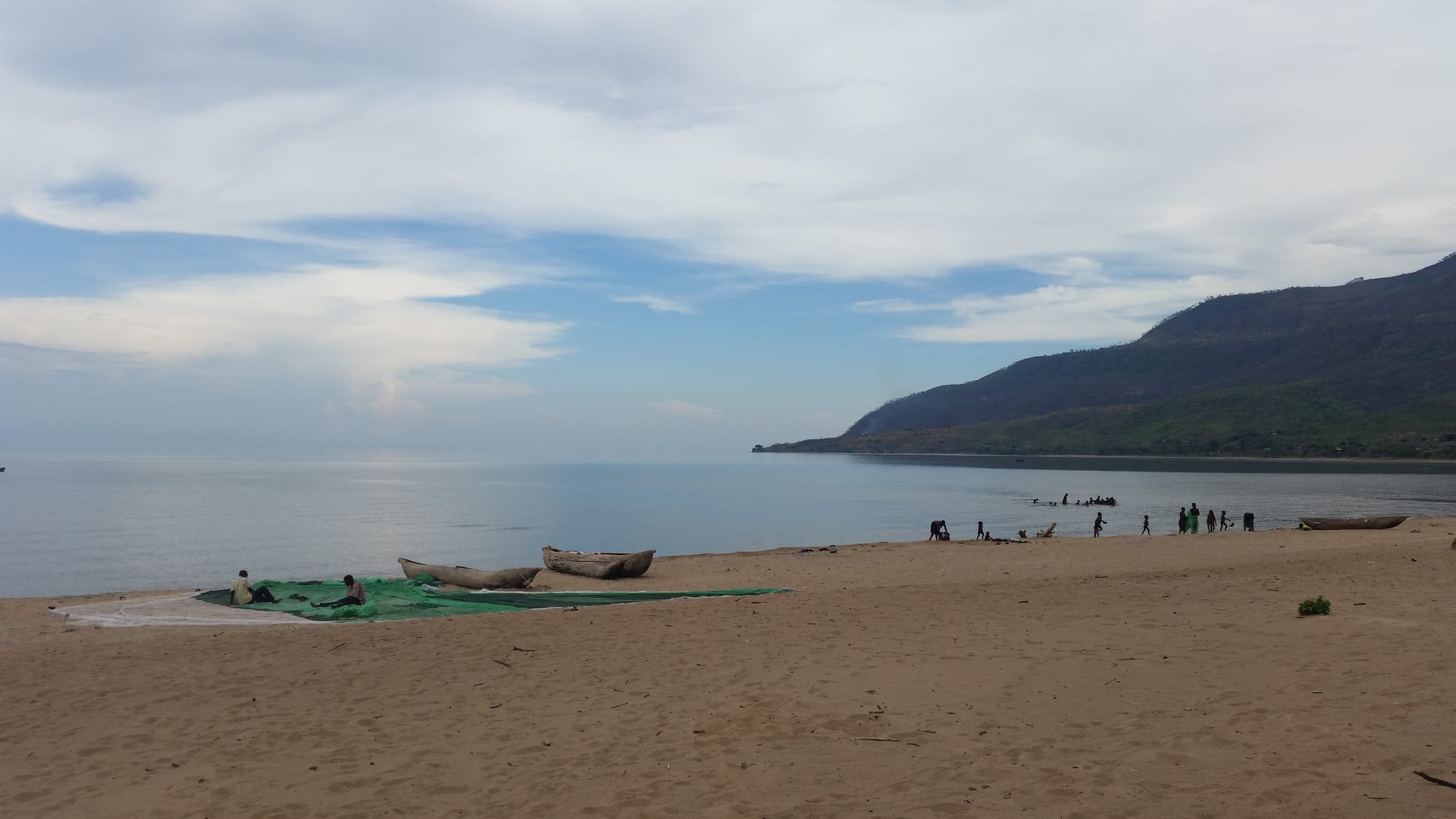
Malawi packs one of Africa's densest populations onto a small strip of land around a vast Rift Valley lake, and daily life for most of the country still runs on what that land and that lake can provide. A single rainy season, from roughly November to April, decides how the year goes for the great majority of households who farm maize on small plots. Outside the two main cities, getting anywhere ordinary still means a shared minibus, a bicycle, or going on foot, and the market remains the place where farming, fishing and daily commerce all meet.
Family and home life
Among the Chewa, Malawi's largest ethnic group, and several other peoples in the centre and south of the country, family land has traditionally passed down through the mother's line rather than the father's, with a woman's brother, rather than her husband, holding the customary role of senior male figure in her children's lives. In practice, farming decisions on that land are still often made by the husband even where the land itself belongs to his wife's family, a tension that has become a live issue in debates over land reform. Households average between four and five people, according to the 2018 census, and it is ordinary for grandparents, in-laws or orphaned relatives to live within the same compound as the immediate family, sharing the work of the farm and the raising of children.
Work, school and the rhythm of the day
For the roughly four in five Malawians who farm, the working year is set by the single rains: land is prepared and maize planted from around November, weeded through the wet months, and harvested from April into May, with most smallholder households working a plot of less than a hectare almost entirely by hand. Maize takes up the largest share of cultivated land by far, yet many subsistence households harvest only enough to feed the family for part of the year, leaving a hungry gap before the next harvest that shapes what the rest of the year looks like. The school day starts early, and primary education runs eight years from age six, followed by four years of secondary school for those who continue, although many pupils leave school early.
Community life and public spaces
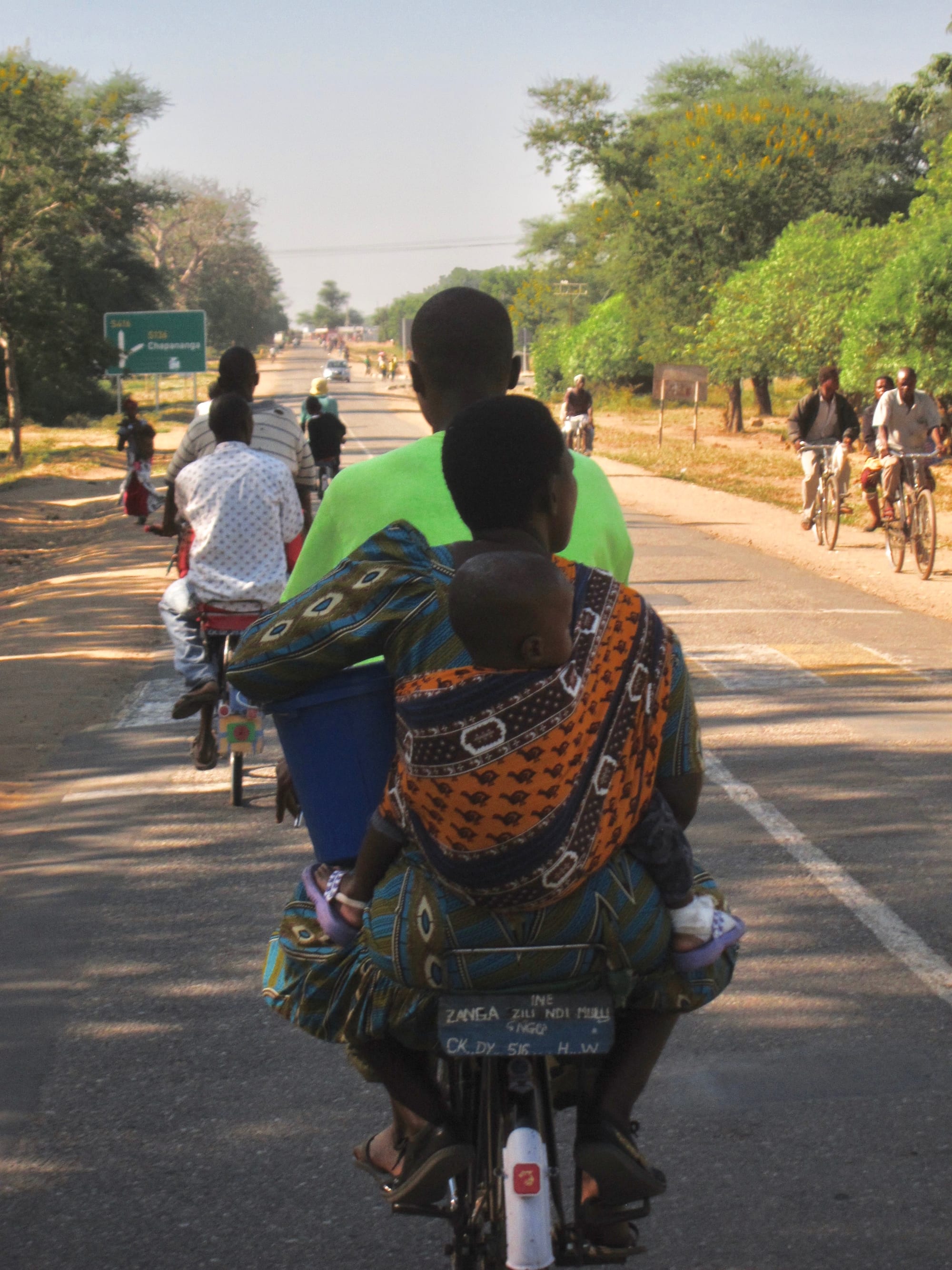
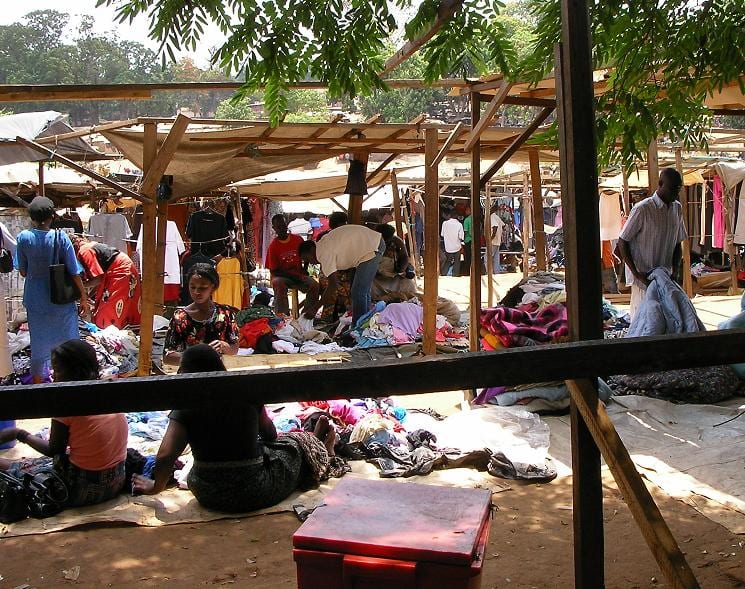
The local market is the hub of everyday public life, whether a scattering of stalls in a village trading centre or a sprawling market like those in Lilongwe and Blantyre, selling clothing, maize, dried beans and fish alongside household goods. Along the lakeshore, fishing communities add their own daily pattern: canoes go out at dawn or at night, and racks of drying fish are a common sight on the beach by morning, since for many Malawians fish, including chambo and the small sardine-like usipa, is the most important source of protein. Away from the lake and the two main cities, there is little scheduled public transport, so minibuses that leave once full, open-backed pickup trucks, and ordinary bicycles do most of the work of moving people and goods between villages and the nearest trading centre.
Free time and weekends
Sunday is widely kept for church, which anchors the week for Malawi's large Christian majority, alongside a significant Muslim minority of about one in nine people. Weekend free time otherwise tends to stay close to home and the village: football is followed keenly with little other organised entertainment available in rural areas, and a trip to the lakeshore for those who live within reach is treated as a genuine outing rather than a routine weekend habit, given how much of the week is already spent working the land.
A visitor's ordinary day
Malawi runs mostly on cash, in kwacha, which has been devalued repeatedly, so prices change quickly and US dollars are useful for larger payments such as lodges and hired vehicles; ATMs are found in the cities and larger towns but not reliably elsewhere. Fuel and foreign-currency shortages recur, so it is worth keeping a vehicle's tank topped up rather than waiting until it is low. Minibuses and pickup trucks are the cheap way to cover ground between towns but run on no fixed timetable, leaving only once full, and the slow Ilala ferry that links lakeshore towns can run late and is sometimes out of service for maintenance, so build in wide margins around any journey that depends on it.
What to take away
An ordinary day in Malawi still answers to two things older than any schedule: a single season of rain that decides how the year will go, and a lake that, for a great many households along its shore, supplies most of what reaches the table.