Food · Malawi
Malawi: Food and the National Dish
A firm maize porridge eaten with a prized lake fish, in a landlocked country whose enormous freshwater lake supplies much of its protein
By Worldlore Editorial · 16 September 2026
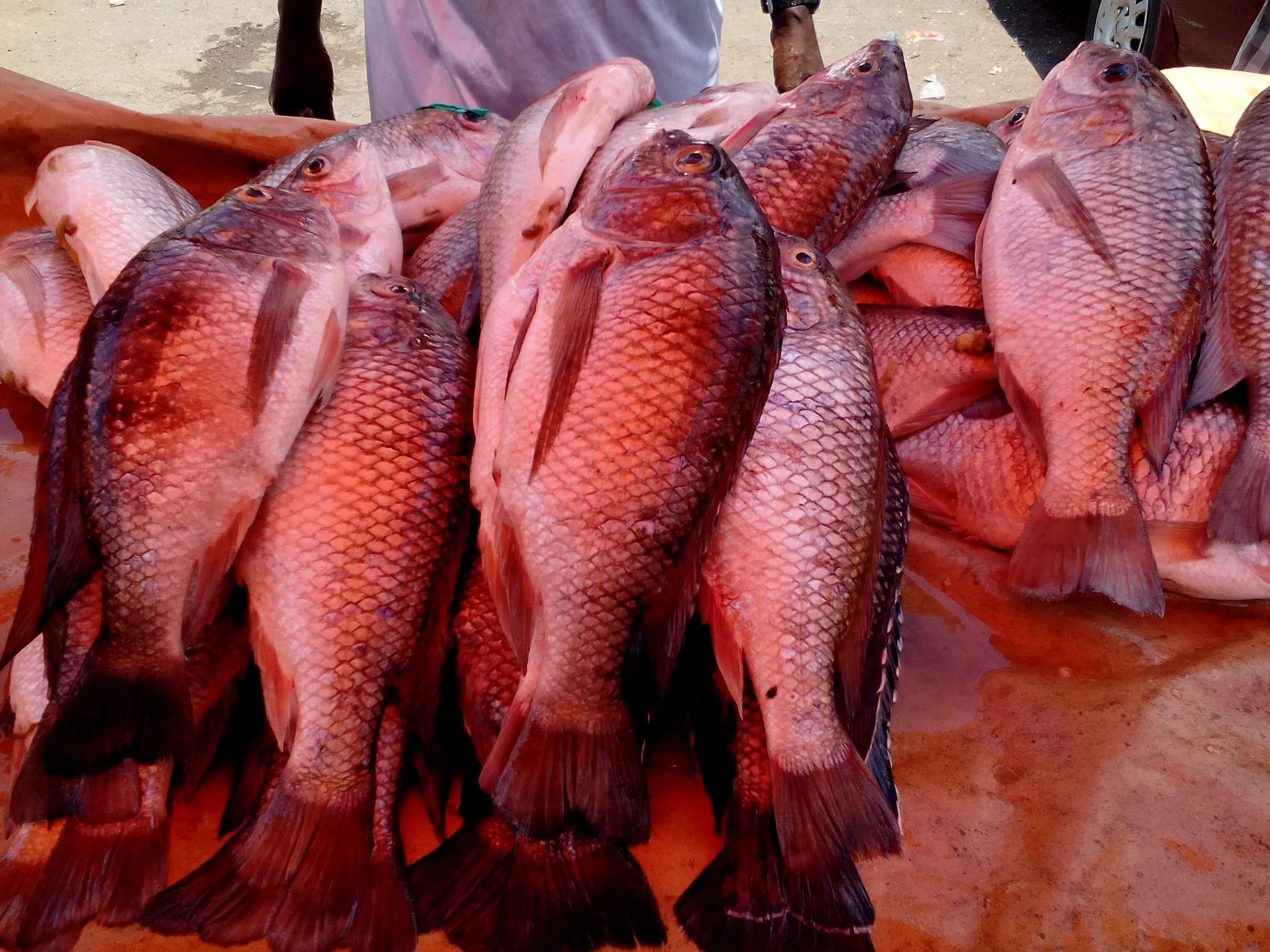
A lake nation's everyday plate
Malawi's food follows the same basic maize-porridge-and-relish pattern found across much of Southern Africa, but with a genuine local twist: Lake Malawi, one of the largest freshwater lakes in the world, supplies a significant share of the country's protein, most famously through chambo, a tilapia species considered a genuine national delicacy.
The national dish: nsima with chambo
Nsima, a firm porridge made from ground maize meal, is Malawi's staple food, eaten daily and paired with ndiwo, a general term for the accompanying relish or stew. When paired with chambo, grilled or fried tilapia from Lake Malawi, the combination is widely considered Malawi's national dish and its most celebrated meal, served at everything from lakeside restaurants to home tables.
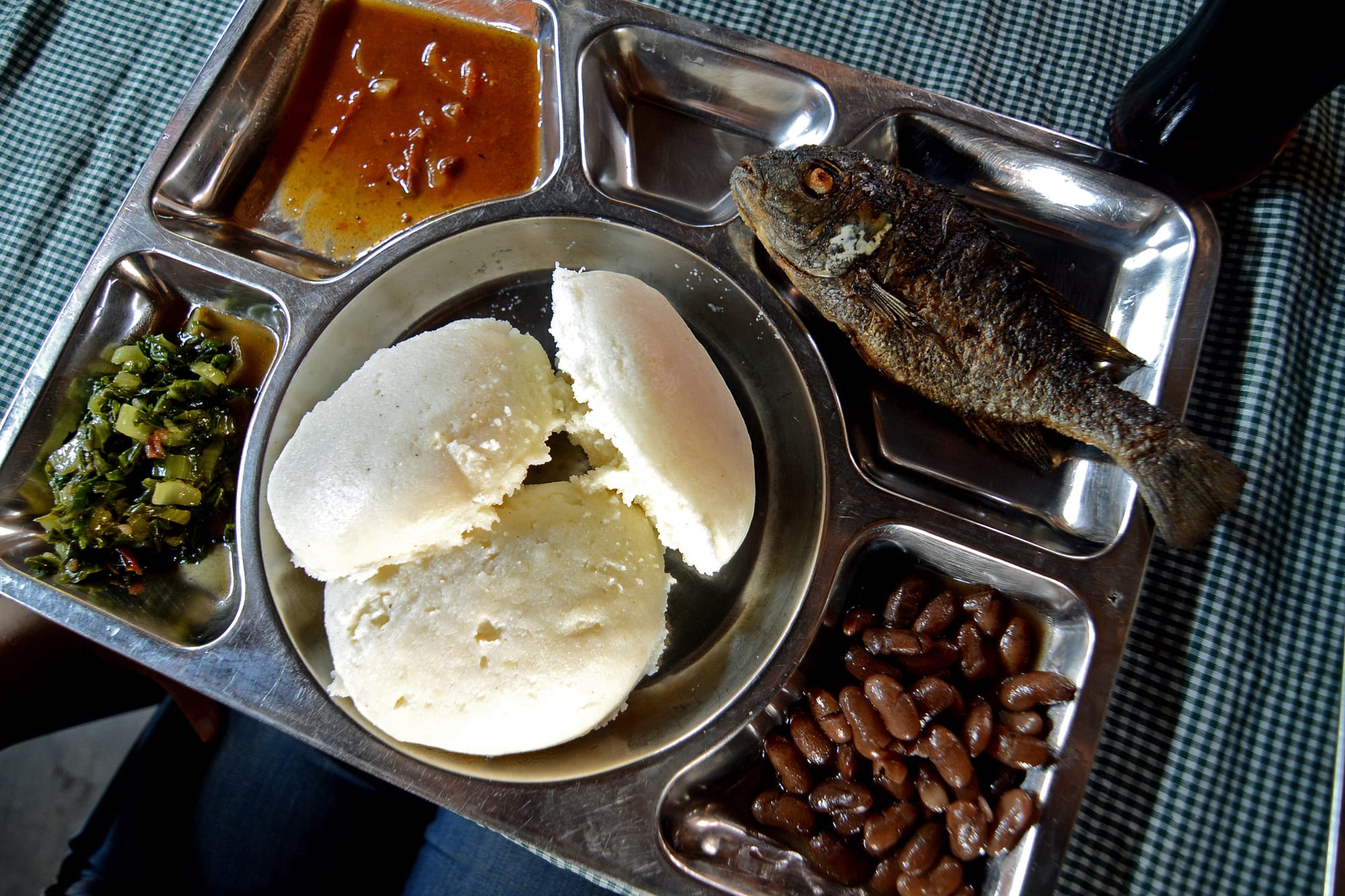
Maize, fish and the everyday pantry
Maize remains Malawi's dominant staple crop, ground into the meal used for nsima, while beans, leafy greens and groundnuts round out most everyday meals. Fish from Lake Malawi, chambo especially but also smaller dried fish like usipa, supplies protein across a large share of the country, reflecting how central the lake is to Malawi's food supply despite the country itself being landlocked from the ocean.
History behind the plate
Maize became Malawi's dominant staple through colonial-era agricultural policy, displacing older staples like sorghum and millet in a pattern shared across much of Southern Africa. Lake Malawi's fishing industry, meanwhile, has sustained lakeside communities for generations, with chambo's popularity growing to the point that overfishing has become a genuine conservation concern in recent decades.
Dishes to know
Five more to recognise across Malawi:
- Chambo — a tilapia species from Lake Malawi, grilled or fried, widely
considered the country's most prized fish.
- Usipa — small dried lake fish, a common and affordable everyday
protein.
- Ndiwo — a general term for the vegetable, bean or meat relish served
alongside nsima.
- Mbatata — sweet potato, boiled or roasted as a common side or snack.
- Groundnut relish — a peanut-based sauce, often served over vegetables
or with nsima.
Drinks
Chibuku, a commercially produced traditional-style fermented maize or sorghum beer, is widely drunk across Malawi. Tea, grown in the country's southern highlands, is both a genuine export crop and an everyday drink, and fresh fruit juices are common where available.
Eating as a traveller
Vegetarians will find nsima with bean or vegetable ndiwo manageable, though fish is central to Malawi's most celebrated dishes. Tap water is not reliably safe outside major hotels; stick to bottled or boiled water. Eating nsima and chambo lakeside, where the fish was likely caught that same day, is a genuine way to experience Malawi's food at its source.
What to take from the table
Nsima with chambo, plain maize porridge paired with a prized lake fish, is the meal that best represents Malawian food — a direct reflection of how much the country's food supply depends on the lake at its centre.