Food · Madeira
Madeira: Food and the National Dish
Beef skewers grilled over an open fire on branches of laurel wood, on a volcanic Portuguese island famous well beyond its size for one fortified wine
By Worldlore Editorial · 16 September 2026
A volcanic island's Portuguese table
Madeira, a Portuguese archipelago in the Atlantic known for its steep, volcanic terrain and mild climate, shares its culinary foundation with mainland Portugal while drawing on its own tropical produce, seafood and one especially famous export: Madeira wine, a fortified wine that has carried the island's name around the world for centuries.
The signature dish: espetada
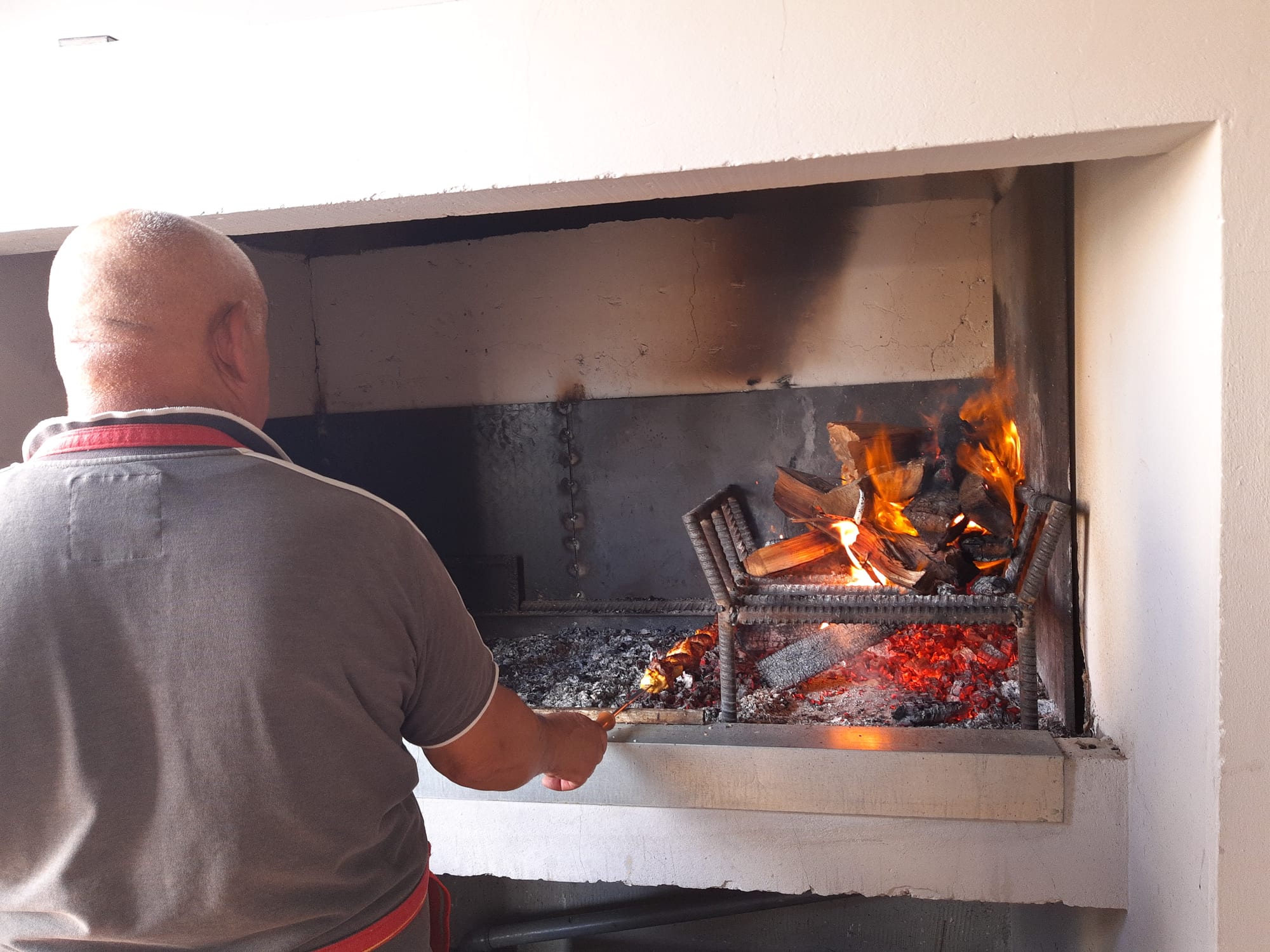
Espetada, chunks of beef seasoned simply with garlic, salt and bay leaf and grilled on a skewer traditionally cut from laurel wood, is Madeira's most iconic dish. Often cooked over an open fire and, in traditional settings, served hanging from a tall metal stand directly at the table, espetada is prized for the subtle flavour the laurel wood imparts as it smoulders, a detail genuinely specific to Madeiran cooking rather than found in mainland Portuguese barbecue traditions.
Bread, fish and the island pantry
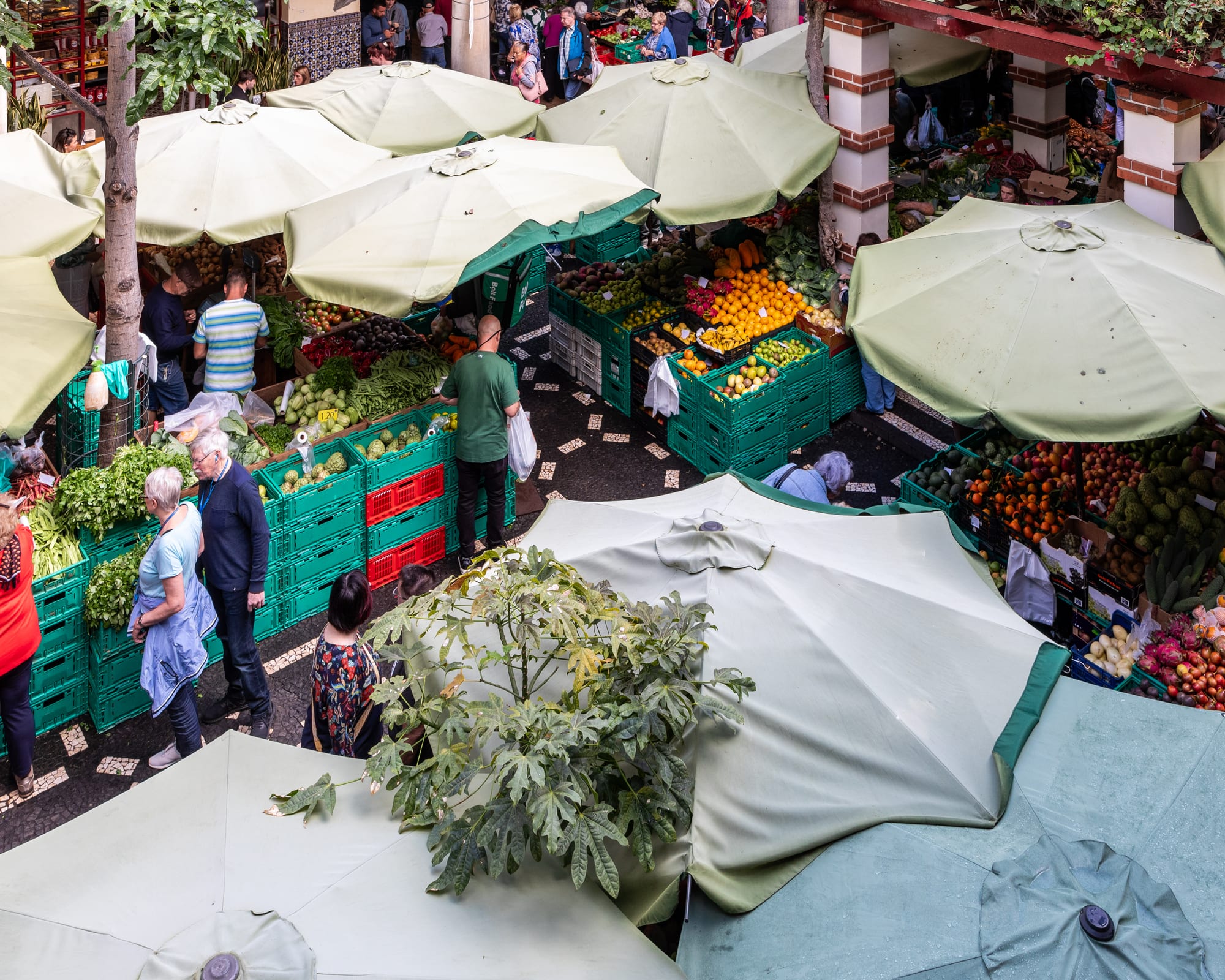
Bolo do caco, a flat, griddle-cooked bread often served warm with garlic butter, is a genuine Madeiran everyday staple, alongside fresh seafood, particularly espada, a distinctive black scabbardfish caught in the deep waters around the island. Tropical fruit, thanks to Madeira's mild volcanic-soil climate, grows abundantly and appears throughout the island's cooking and desserts.
History behind the wine
Madeira's fortified wine, produced by a distinctive heating and ageing process originally discovered by accident during long sea voyages in wine barrels stored in ship holds, has been exported internationally for centuries and remains the island's most globally recognised product. That maritime trading history, alongside the island's volcanic agriculture, shaped a food culture that draws on both Portuguese tradition and the specific resources of an isolated Atlantic island.
Dishes to know
Five more to recognise across Madeira:
- Bolo do caco — a flat, griddle-cooked bread, usually served warm
with garlic butter.
- Espada com banana — black scabbardfish served with fried banana, a
distinctly Madeiran pairing.
- Lapas — grilled limpets, a coastal specialty served with garlic
butter and lemon.
- Poncha — a traditional drink of aguardente (sugarcane spirit), honey
and citrus, often listed among both drinks and local traditions.
- Bolo de mel — a dense, spiced honey cake, a traditional Madeiran
dessert especially popular at Christmas.
Drinks
Madeira wine, fortified and aged, remains the island's most famous export and a genuine point of local pride. Poncha, a mix of aguardente, honey and citrus juice, is Madeira's traditional cocktail, and coffee culture reflects broader Portuguese habits.
Eating as a traveller
Vegetarians will find bread, tropical fruit and vegetable dishes manageable, though meat and fish are central to Madeira's most iconic dishes. Tap water is safe throughout the island. Trying espetada at a traditional restaurant, ideally served hanging from its stand at the table, is the most authentic way to experience Madeira's best-known dish.
What to take from the table
Espetada, smoky from laurel wood and simply seasoned, is the dish that best represents Madeiran food — and a glass of the island's own fortified wine alongside it connects that plate directly to centuries of Atlantic trade.