Attractions & Natural Wonders · Madeira
Madeira: Seven Attractions and Natural Wonders
A volcanic island of eternal spring — a network of centuries-old irrigation channels turned hiking trails, Europe's highest sea cliff, and natural pools formed from cooled lava
By Worldlore Editorial · 19 September 2026
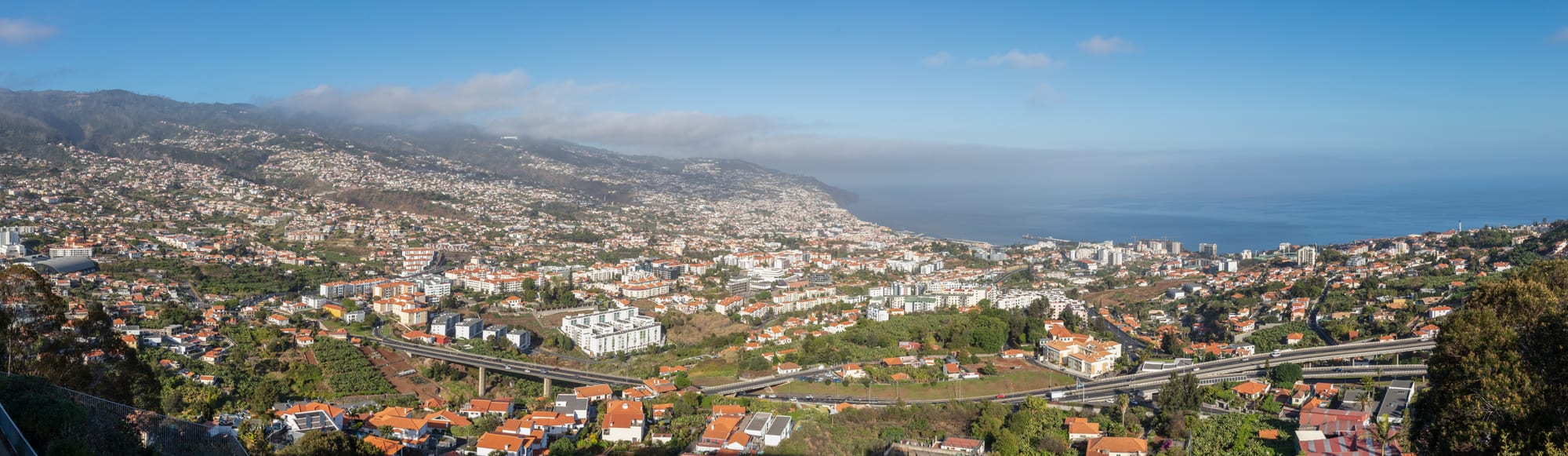
The island of eternal spring
Madeira is a mountainous volcanic island in the Atlantic, an autonomous region of Portugal about 1,000 kilometres from the mainland and closer to Morocco than to Lisbon. Its mild, stable climate has earned it the nickname "island of eternal spring", and its steep terrain, cut by deep ravines, is laced with centuries-old irrigation channels — levadas — that double today as one of Europe's best network of walking trails. It has about 250,000 people, most in and around the capital, Funchal.
The seven below cover the island's coast, mountains, and gardens. It is a year-round destination; the levada trails are at their greenest and most waterfall-fed from autumn to spring.
1. Funchal
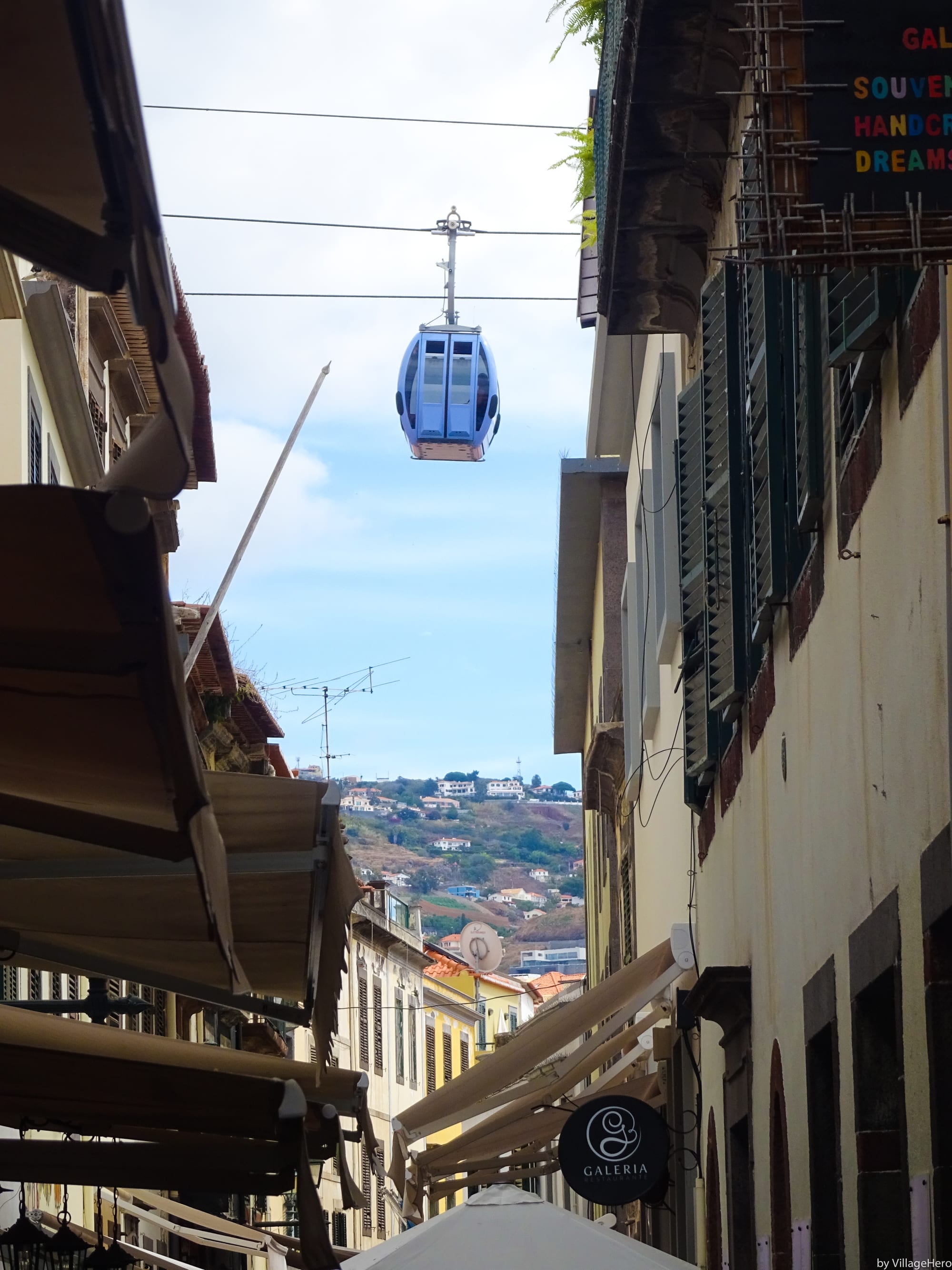
Funchal, the capital, rises in tiers from its harbour — a historic centre of cobbled streets, the old town's painted doors project, a lively covered market (Mercado dos Lavradores), and Madeira wine lodges open for tastings. A cable car climbs to the hillside village of Monte, from where traditional wicker toboggans, steered by two runners, carry visitors back down the steep streets — a genuinely old form of local transport turned tourist ride.
Its botanical garden and the Blandy family's Palheiro Gardens are easy add-ons.
2. The levada walks
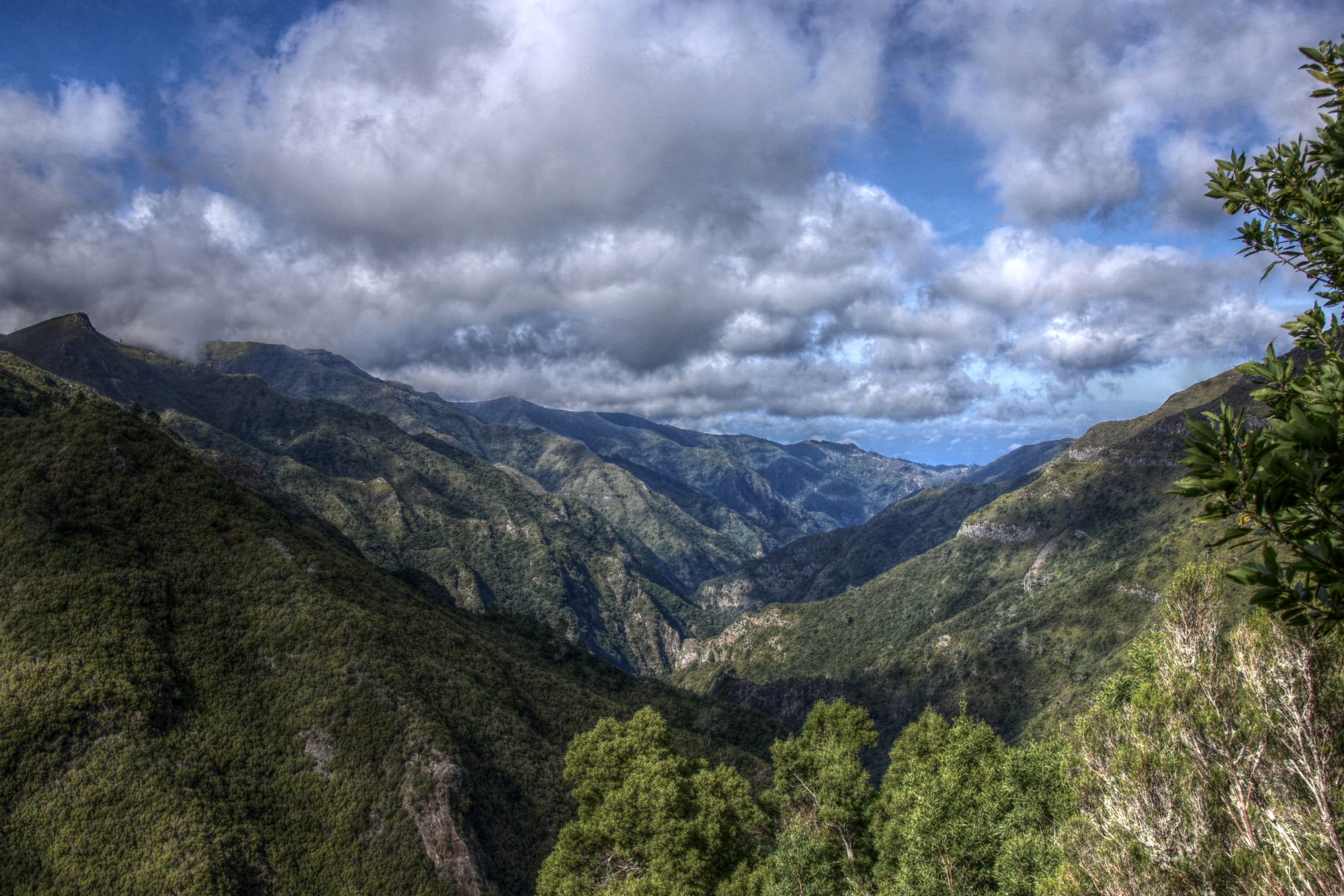
Madeira's levadas — over 2,000 kilometres of narrow irrigation channels built from the 16th century to carry water from the wet north to the drier south — run along contour lines through forest, tunnels, and cliff edges, and their maintenance paths have become the island's signature hiking network. The Levada das 25 Fontes, through UNESCO-listed ancient laurisilva forest to a waterfall-fed pool, is among the most popular.
Trails range from flat, easy strolls to exposed cliff-edge paths not for those afraid of heights.
3. Pico do Arieiro
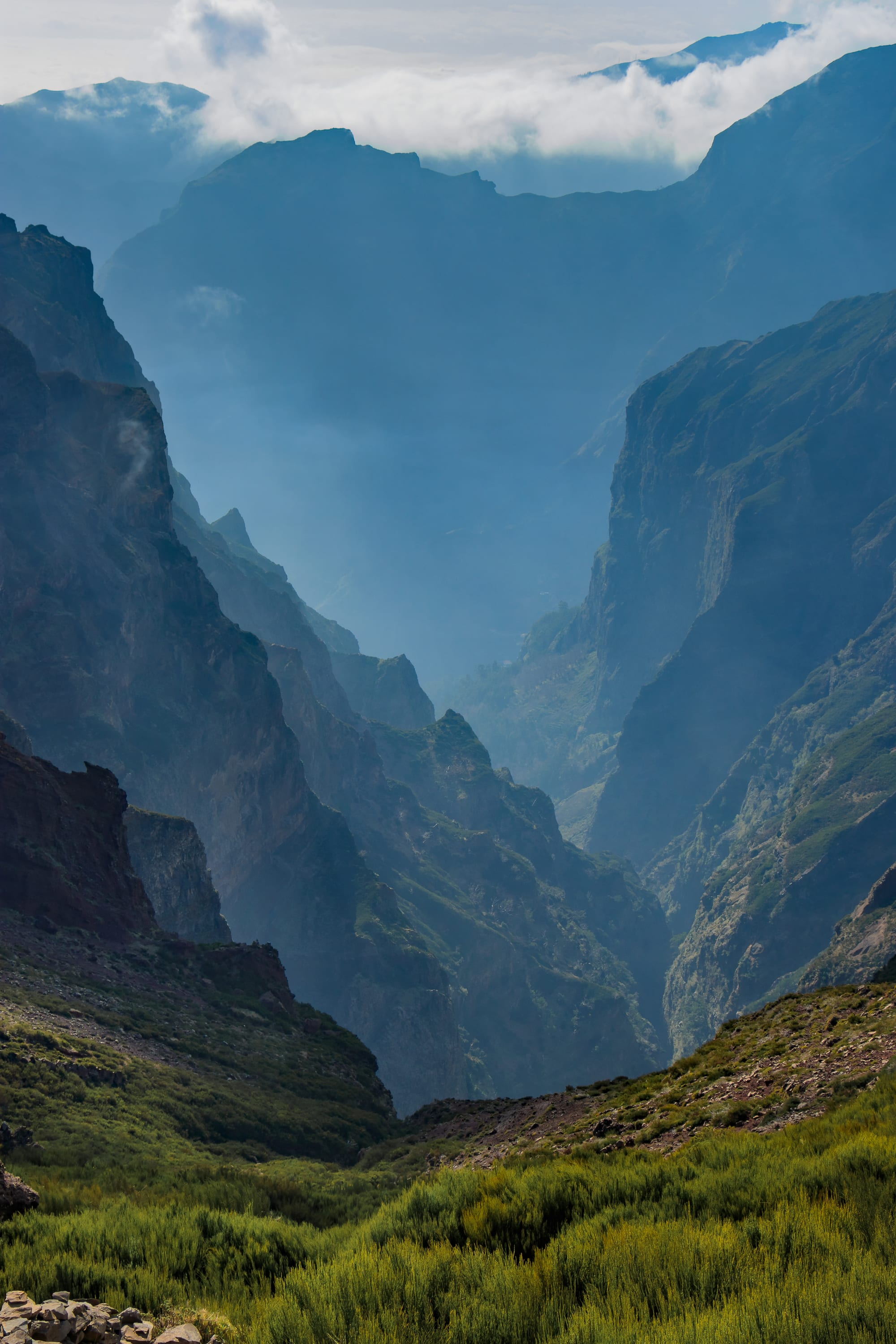
Pico do Arieiro, reachable by road to 1,818 metres, gives a spectacular sunrise view over jagged volcanic ridges, often poking above a temperature- inversion cloud layer below. From here, a dramatic and demanding trail runs along a knife-edge ridge to Madeira's highest peak, Pico Ruivo (1,862 m), through tunnels and along sheer drops.
Arrive before dawn for the best light and the least cloud cover.
4. Cabo Girão
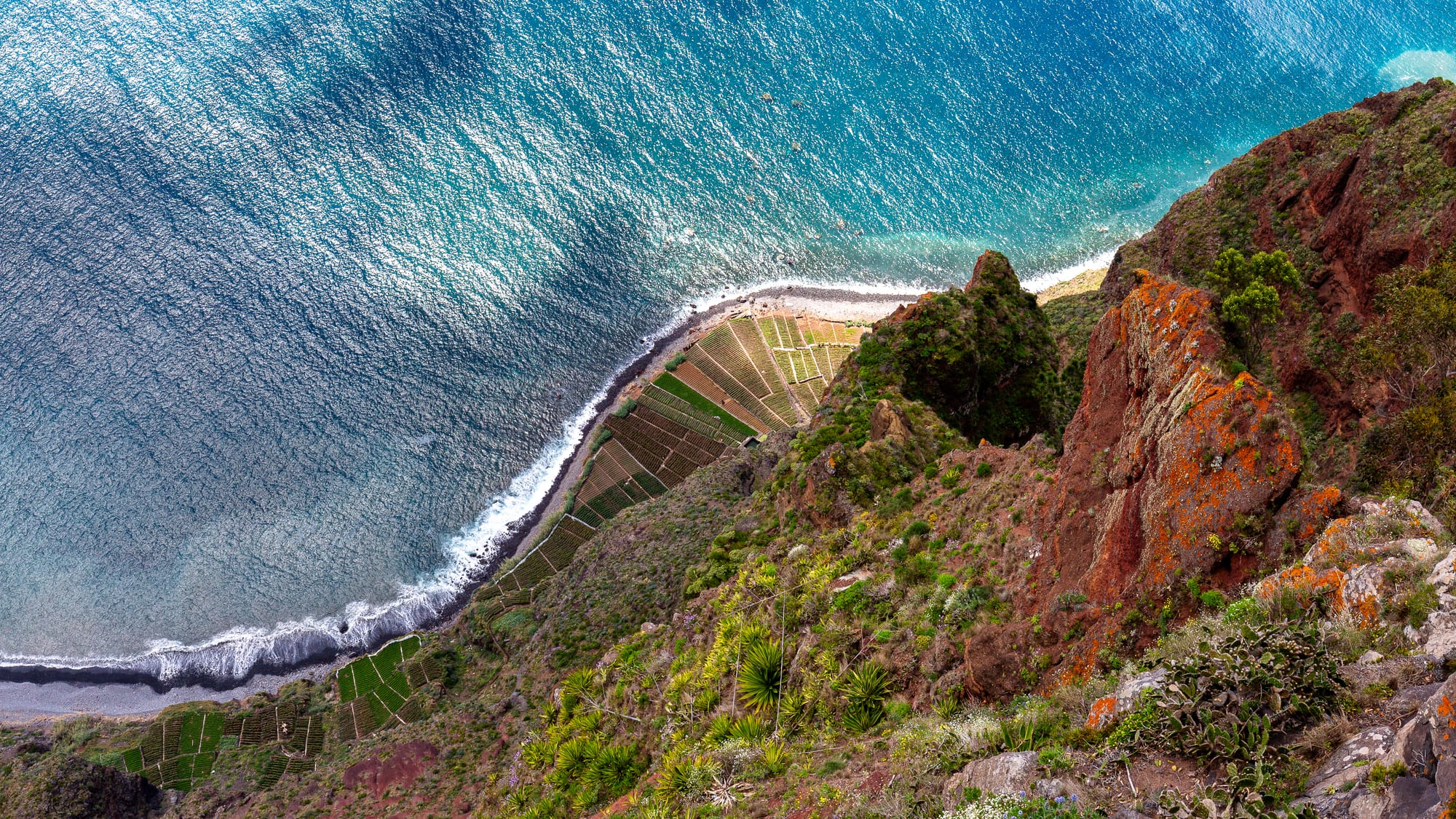
Cabo Girão, near Câmara de Lobos, drops almost 580 metres straight to the Atlantic — among the highest sea cliffs in Europe — with a glass-floored skywalk cantilevered out over the edge for a vertigo-inducing view straight down to the tiny terraced farm plots at its base. Câmara de Lobos itself, a colourful fishing village below, is said to have inspired a Churchill painting.
It is a short drive west of Funchal, an easy half-day.
5. Porto Moniz
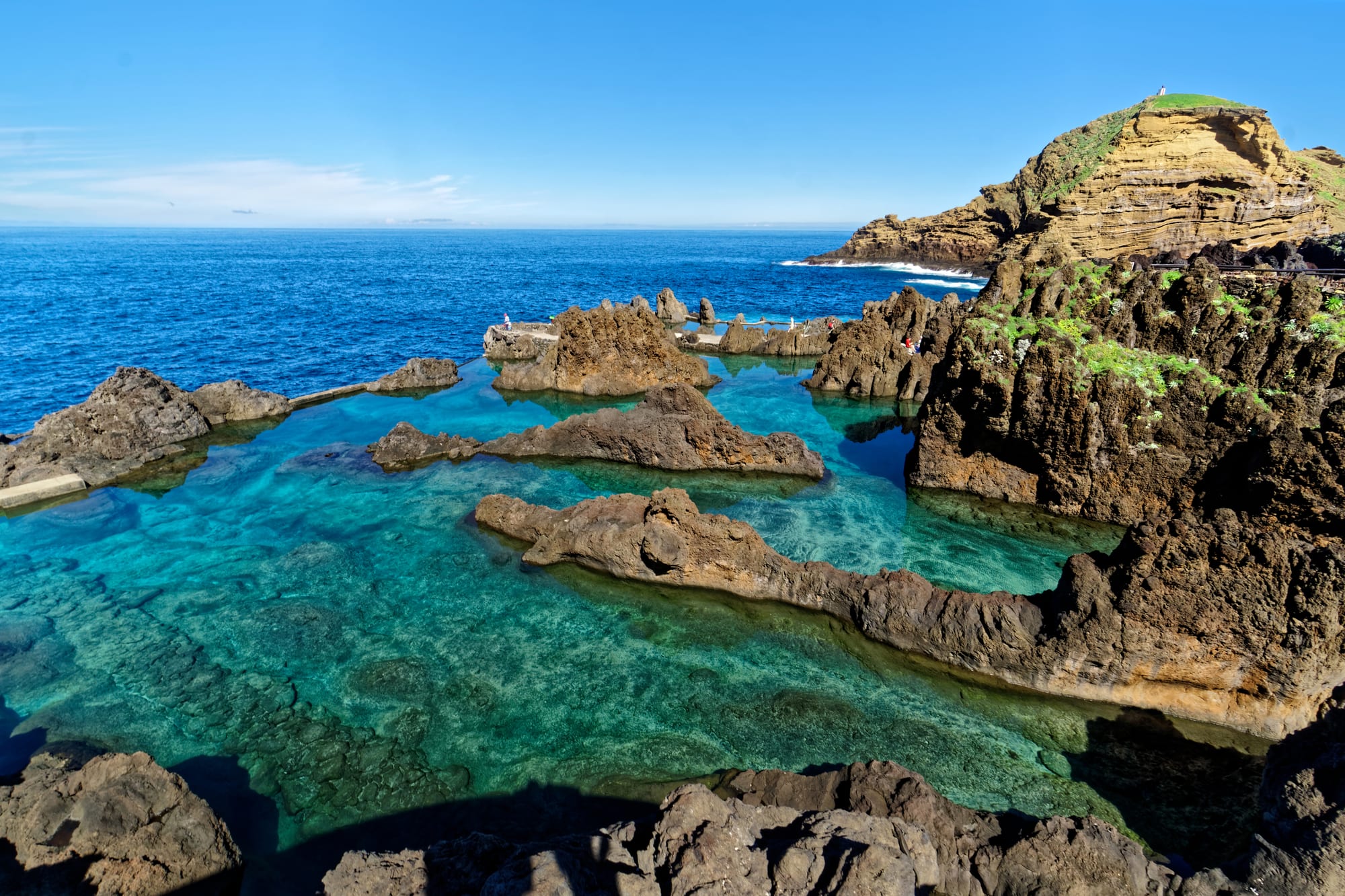
At the island's northwestern tip, old volcanic lava flows have formed a series of natural rock pools that fill and refresh with the tide and Atlantic swell — now landscaped with walkways and steps for swimming, and a striking contrast to Madeira's mostly cliff-bound, beachless coast. The drive there along the north coast, through cliffside tunnels, is scenic in its own right.
It is a full loop-of-the-island day from Funchal, or an overnight stop.
6. Curral das Freiras
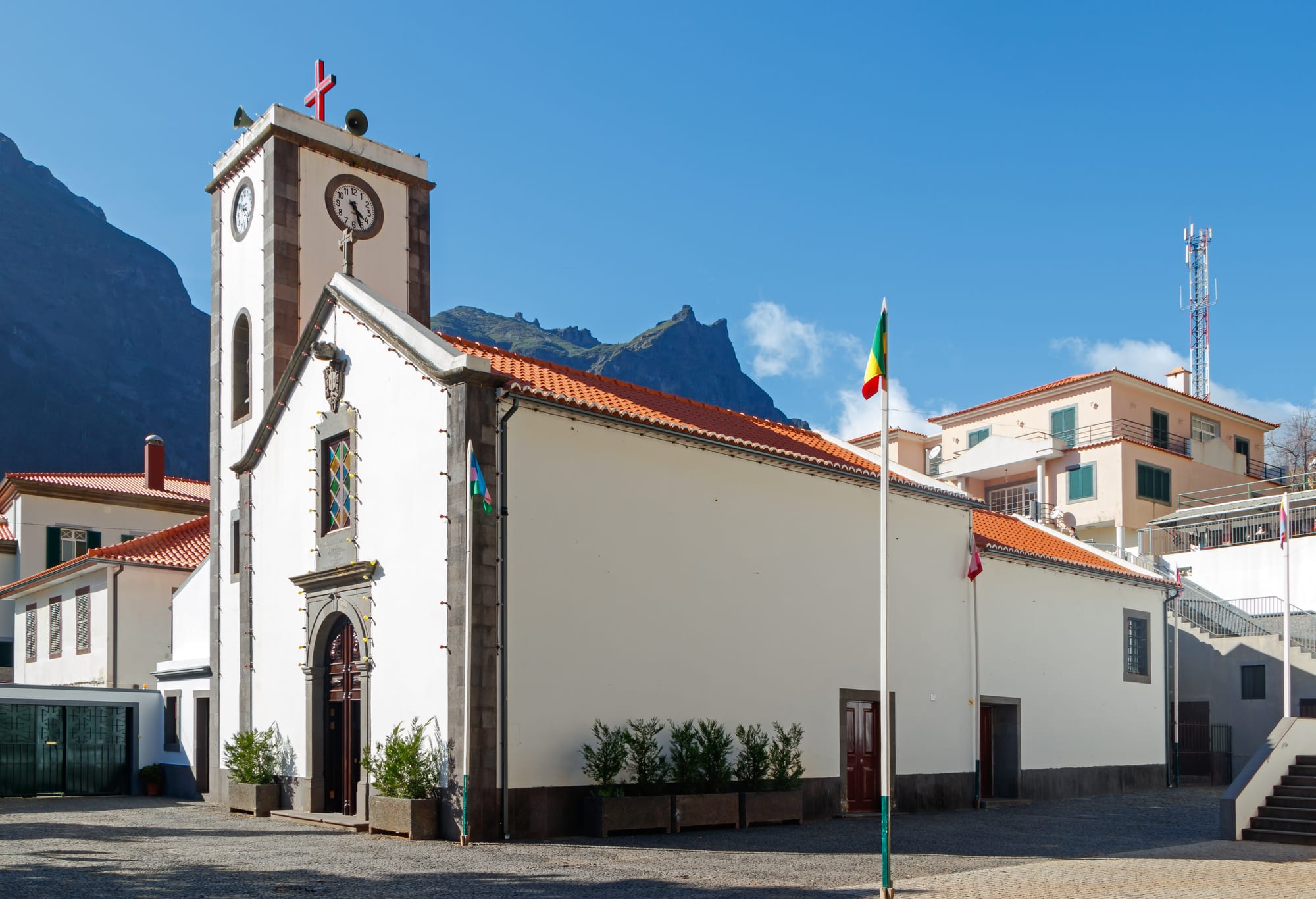
Curral das Freiras ("Nuns' Valley") sits deep inside an eroded volcanic crater in the island's mountainous interior, reached by a road that switchbacks down from a clifftop viewpoint (Eira do Serrado) with a dramatic view over the whole village. Nuns from a Funchal convent are said to have fled here for refuge from pirate raids in the 1500s; today it is known for its chestnuts, celebrated at an autumn festival.
The viewpoint alone, a short drive from Funchal, is worth the trip even without descending.
7. The Madeira Botanical Garden
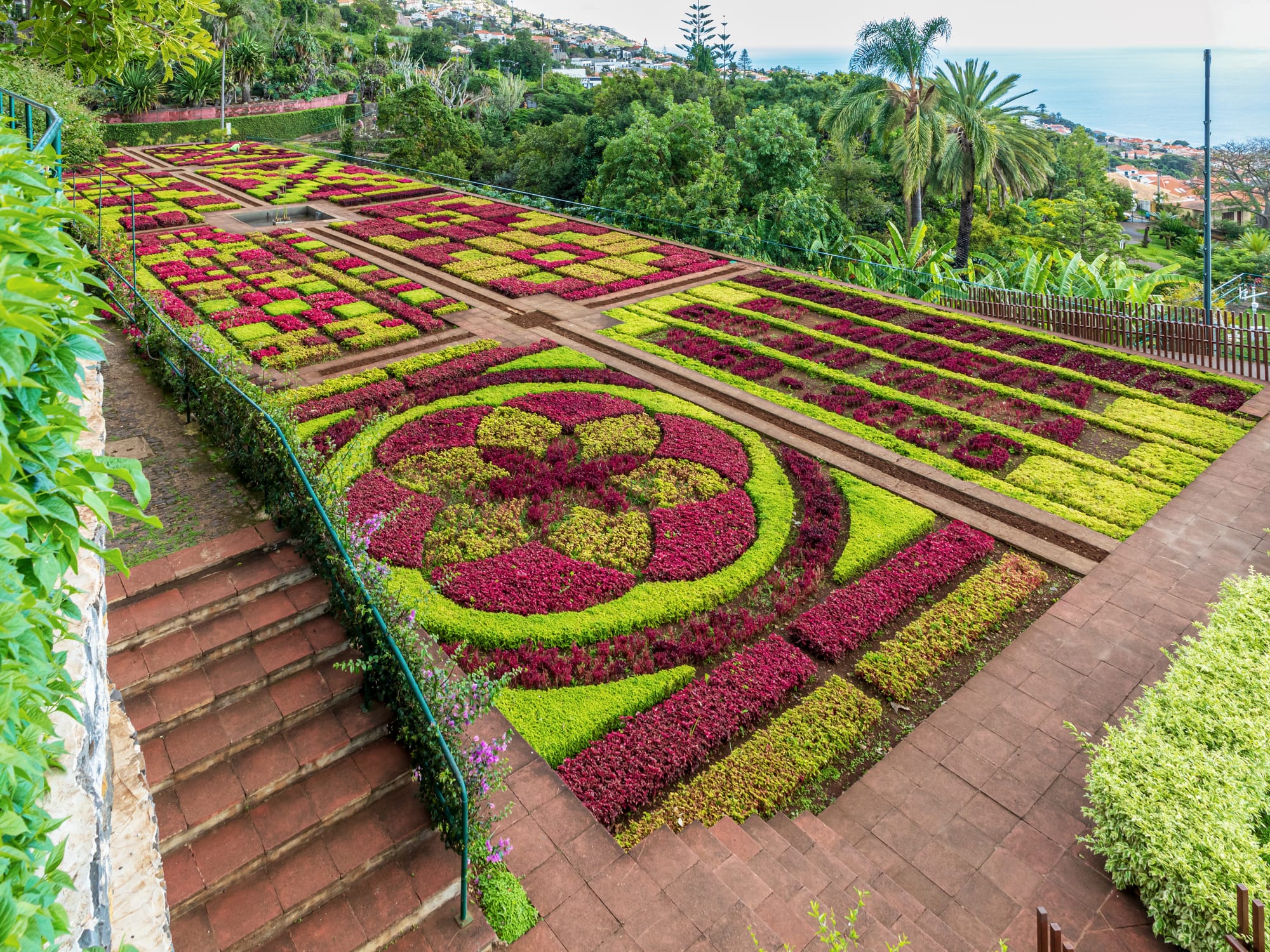
On a hillside above Funchal, the Madeira Botanical Garden displays the island's lush subtropical growing conditions in terraced, geometrically patterned flower beds with sweeping views over the bay, alongside a natural history museum and a bird park. It sits close to the Monte cable car, making the two easy to combine.
The garden is at its most colourful in spring, though something is usually in bloom year-round.
Madeira suits a car-based trip: three or four days covers Funchal and the coast, with a couple more for the levada trails and Pico do Arieiro if hiking is a priority. Distances are short but roads are winding.