Daily Life · Madeira
Madeira: A Life Built on Terraces
Steep ground turned into stacked stone-walled plots, water carried miles by hand-dug channels, and a working week that still bends around the island's slope
By Worldlore Editorial · 30 September 2026
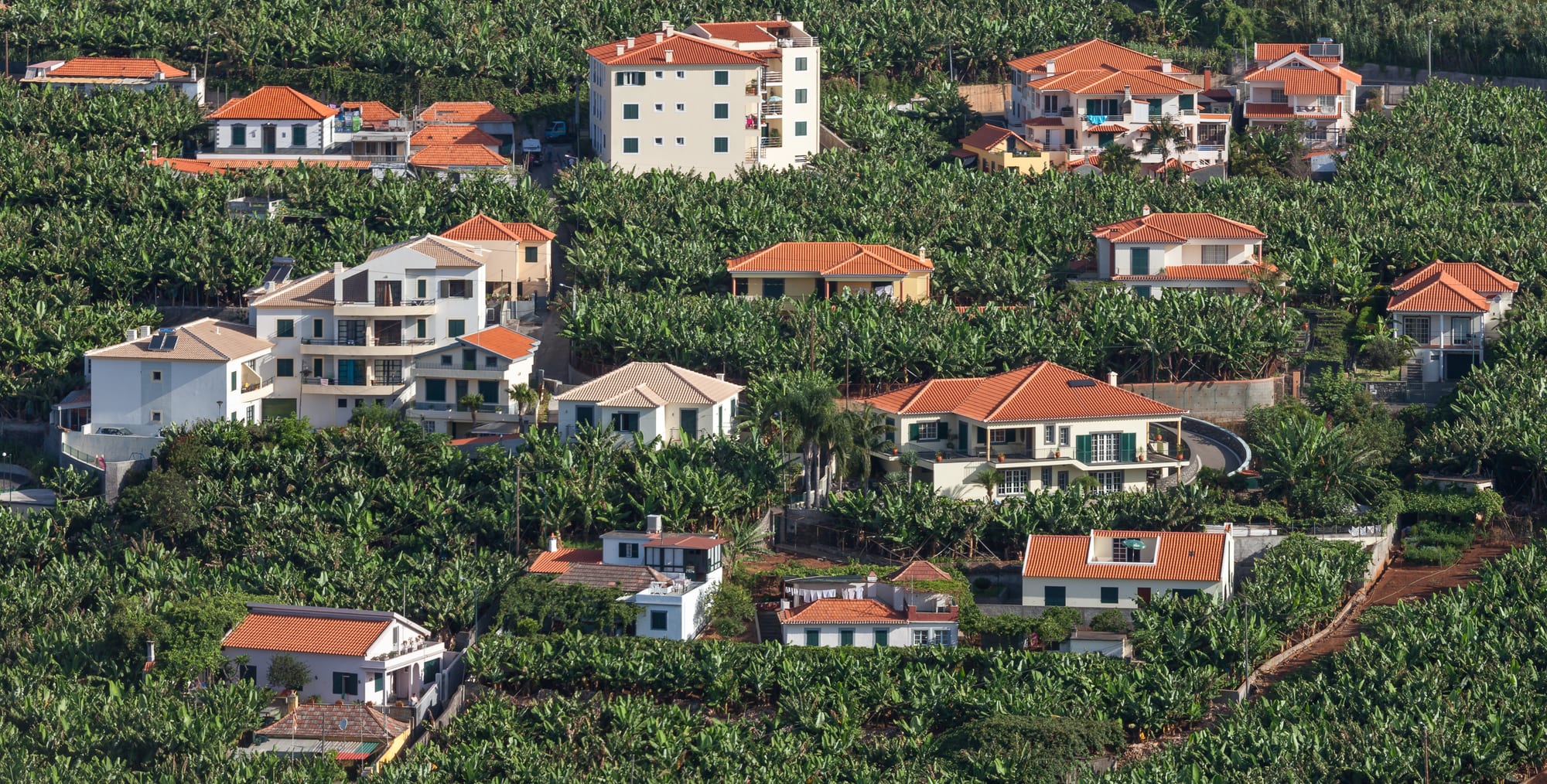
Madeira's daily life is set by a single fact of geography: there is almost no flat ground. Houses, farms and roads alike are carved into a steep volcanic slope, and generations of hand labour have turned that slope into poios, narrow stone-walled terraces that step down toward the sea. Water for those terraces still arrives by levada, a network of channels dug into the mountainside centuries ago and walked, checked and shared out today much as it always has been. Around that terraced, irrigated ground, an island of roughly a quarter of a million people runs an economy now built mainly on tourism.
Family and home life
Madeiran households have traditionally divided labour along clear lines: women carrying the greater share of housework and childcare, men taking on the maintenance of the family's poio, construction work, driving, and fishing. Houses cluster tightly in villages along the island's steep ravines, the same watercourses that carry the heavy autumn and winter rain down to the sea, with small parcels of terraced land, often very small, worked by hand because the slope and the size of the plot rule out machinery. Decades of emigration have also shaped the Madeiran household: a long pattern of departures to Venezuela, South Africa, Brazil and elsewhere reached one of its peaks in the 1960s, when Venezuela drew tens of thousands of Madeirans, and many families still have relatives abroad or members who have returned.
Work, school and the rhythm of the day
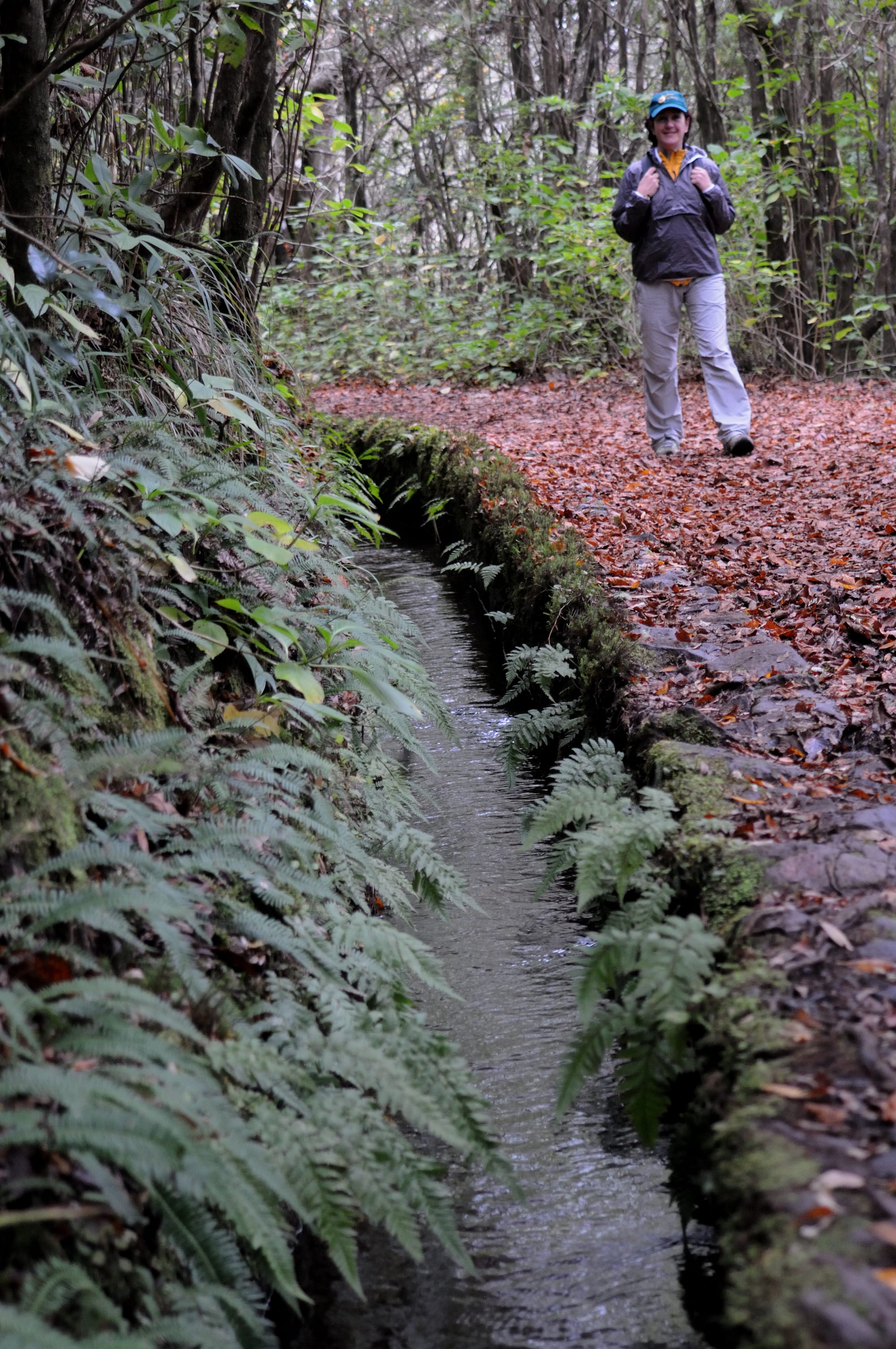
For farming families, the working day still runs on the levada. Water in the public and shared channels is shared out in turns, and keepers walk the paths to keep the channels clear and see that each user's turn is honoured. Banana, Madeira's main terraced crop, needs steady summer irrigation, so tending the poio and timing it around the water's arrival is a routine part of the working week for many rural households, alongside the wine grapes and flowers grown on other terraces. In Funchal and the tourist belt around it, work runs on a more conventional schedule built around hotels, restaurants and the international business sector, though even there the working day contends with very steep streets.
Community life and public spaces
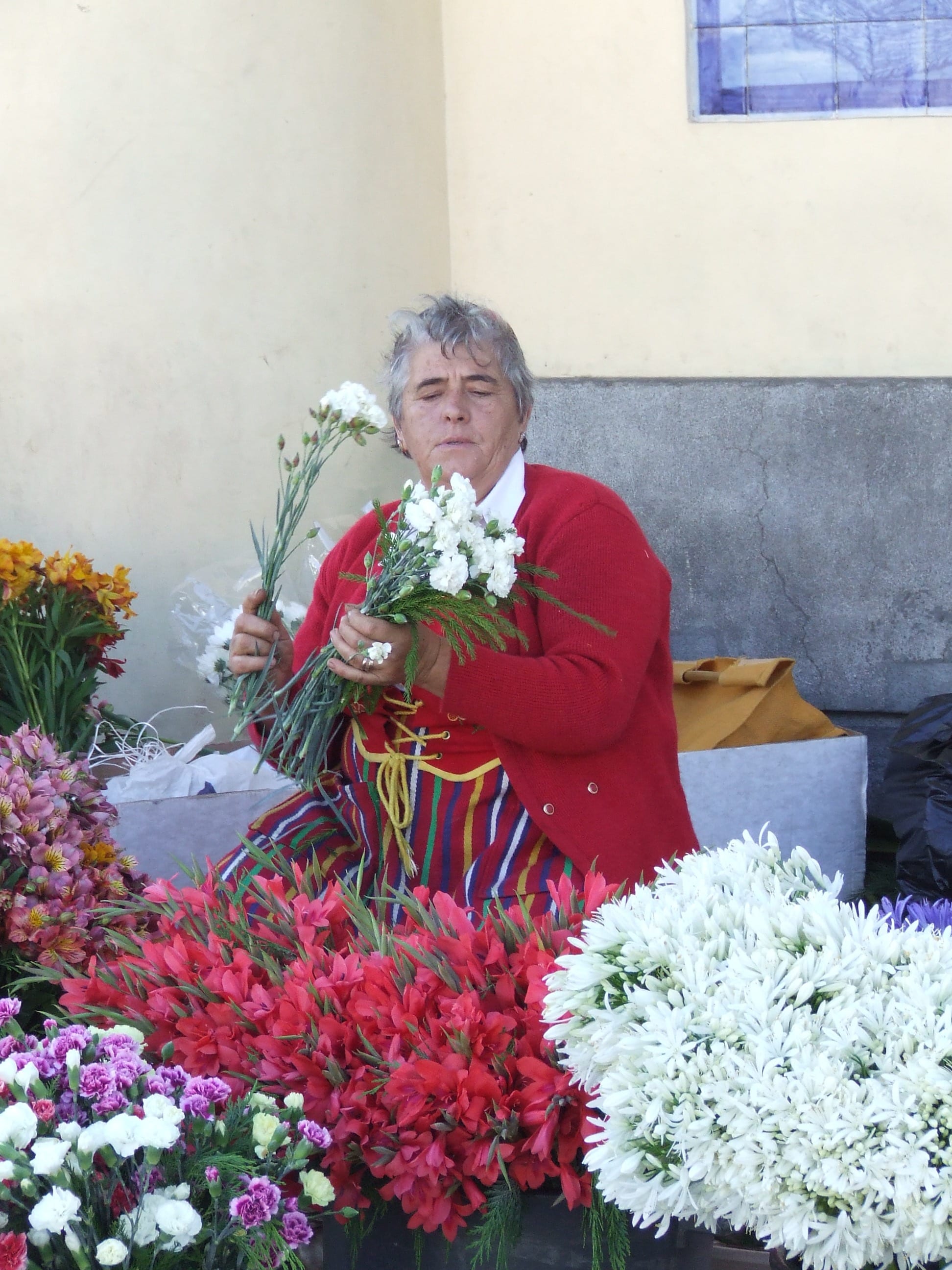
The Mercado dos Lavradores in Funchal is the clearest public expression of this rural-urban mix: fishermen, farmers and flower sellers bring produce into the city daily, the market open every day but Sunday from seven in the morning, into the evening on weekdays and until early afternoon on Saturday. Villages elsewhere rely on smaller local shops and the buses that link them to town, since Madeira has no railway and public transport runs on buses rather than trains. The levada paths themselves double as a kind of shared infrastructure beyond irrigation, since the maintenance track alongside each channel is often the most direct route on foot between one village and the next.
Free time and weekends
Many Madeirans still walk the levada paths on days off, not as a tourist activity but as the most direct, level route through steep terrain. Weekends in Funchal centre on the seafront, the old town and family lunches, and the calendar is punctuated by set-piece events that draw the whole island: the spring Flower Festival, the late-summer Wine Festival at grape-harvest time, and the large New Year fireworks display over Funchal's harbour, widely attended by residents rather than staged only for visitors.
A visitor's ordinary day
The euro is the currency and cards are widely accepted, though small bakeries, village bars and levada-trailhead kiosks are more reliant on cash. Public buses cover Funchal and link it to the larger towns, but services thin out quickly in the countryside, so a hire car is the practical option for reaching the north coast or the interior on any kind of schedule. Roads climb and tunnel constantly, which makes distances on a map misleading; a short line on paper can mean a long, winding drive. The Mercado dos Lavradores closes on Sundays and public holidays, and many smaller shops close too, so plan food shopping and errands around it.
What to take away
Life in Madeira still runs on the same two things that shaped the island from the start: a slope too steep to farm without terracing it by hand, and water that has to be carried to those terraces on channels people still walk and share out today.