Culture & Customs · Madeira
Madeira: A Festa for Every Parish
A Catholic island where promises are paid on the steps of a hilltop church, where each parish keeps its own summer festival, and where embroidery, wicker and a small four-stringed guitar carry its name around the world
By Worldlore Editorial · 30 September 2026
It is still dark on a December morning, a few days before Christmas, and the lights of a parish church are already on. People have risen at the crack of dawn to attend one of the missas do parto, the masses that honour the Virgin Mary in the days leading up to Christmas. When the service ends nobody hurries home. The church square fills with people sharing traditional food and celebrating together before the working day begins. It is a scene repeated in parish after parish, and it holds much of what makes Madeira distinctive: a Catholic faith that is lived as much in the square as in the nave, a strong attachment to the local parish, and a love of turning any occasion into a festa.
Faith, identity and values
Madeira's tourism board is plain on the point: Madeiran culture has been deeply marked by its connection to Catholicism, and a substantial part of the island's festivities have a direct or indirect link to religion. From the first settlements, churches and chapels were indispensable to island life. Besides being places of worship, they served as meeting places, venues for celebration and showcases for art, and the church remains where baptisms, weddings and funerals are marked. Across Portugal as a whole, around four in five people identify as Roman Catholic, although many are not regular churchgoers and see their faith as part of their cultural identity as much as a matter of practice.
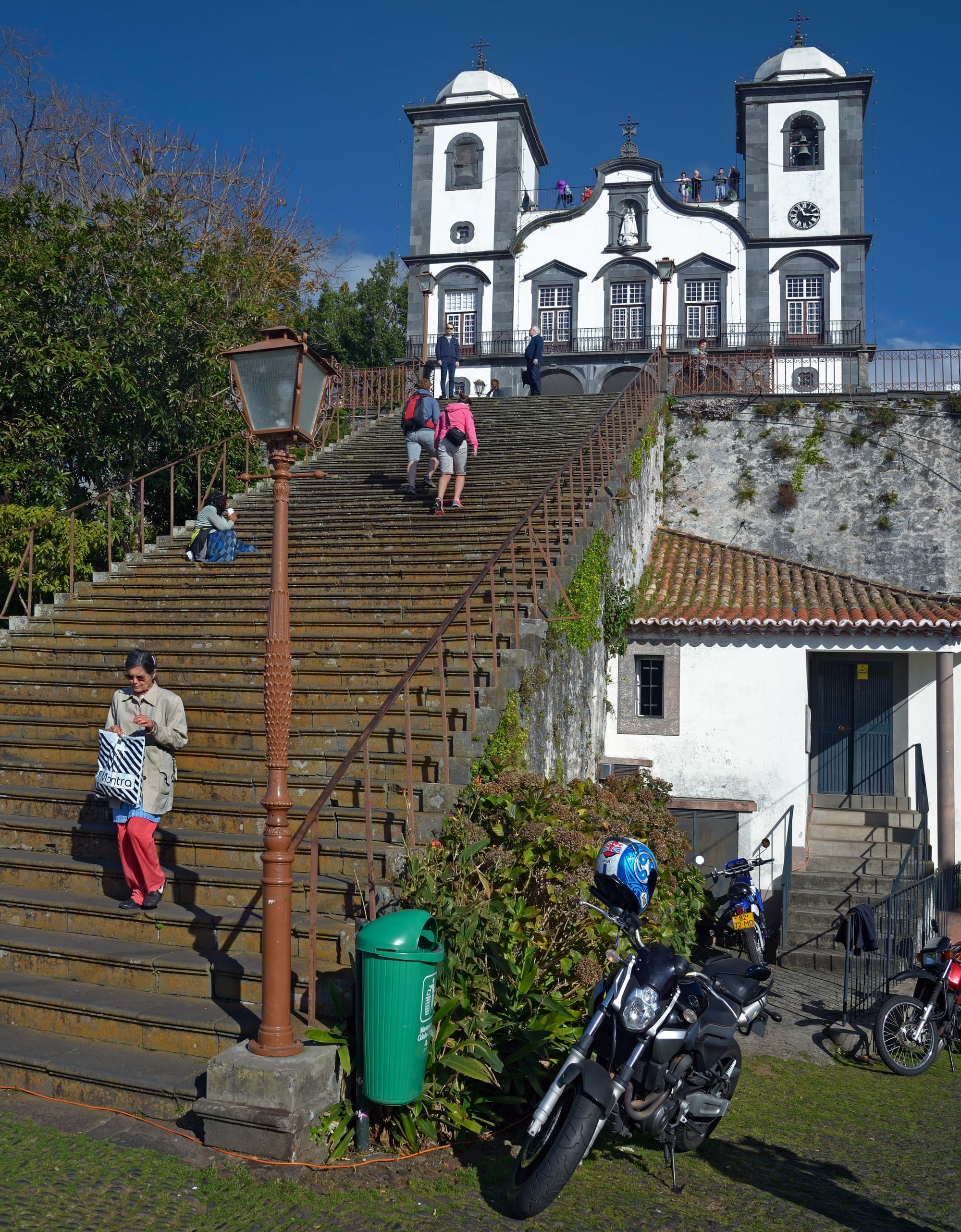
At the centre of Madeiran devotion stands Nossa Senhora do Monte, Our Lady of Monte, whom the parish describes as the patroness of the diocese, of the city of Funchal and of the island of Madeira. Her church, reached by a long flight of stone steps, is regarded as the most important pilgrimage site on the island. Pilgrims come to fulfil promessas, promises made to the Virgin in return for help in a time of trouble, and on her feast day many take part in the procession barefoot or on their knees, some bringing offerings of wax. The practice of a vow made in private and paid in public remains one of the most visible expressions of faith on the island.
Madeira is an autonomous region of Portugal, and many of its values are shared with the rest of the country. Modesty is prized, and boasting about wealth is frowned upon. People can seem formal and reserved on first meeting, then warm and expressive once a relationship has formed. Saudade, a characteristically Portuguese mix of longing, nostalgia and melancholy, has a particular resonance on an island that has sent so many of its people abroad. That connection is written into the calendar: the regional holiday on 1 July is officially the Day of the Autonomous Region of Madeira and of the Madeiran Communities, a name that deliberately embraces the diaspora.
Greetings and meeting people
The handshake is the standard greeting for anyone, and it is usually firm. Among friends and relatives, women greet other women, and men greet women, with beijinhos, little kisses on each cheek. Between men who do not know each other well, a handshake is the norm.
Everyday greetings follow the time of day: bom dia in the morning, boa tarde in the afternoon and boa noite in the evening, with olá as a more casual hello and tudo bem to ask how someone is.
Adults are addressed as Senhor or Senhora, followed by a surname or, in some relationships, a first name. First names on their own are used for friends, teenagers and children, and it is best to wait to be invited to use them. Portuguese is the language of daily life, spoken with a distinctive island accent. English is widely understood in the tourist trade, but a few words of Portuguese are always appreciated.
Hospitality and being a guest
Hospitality is warm but has its own courtesies. A guest arriving at a home will usually wait at the door until invited inside, and it is customary to bring a small gift for the host, such as chocolates or flowers. Social arrangements tend to run on flexible time and punctuality is not strictly observed, but business meetings are expected to start as agreed.
At the table, guests wait for the host to say "bom apetite" before starting to eat. When a meal is finished, the knife and fork are laid parallel across the plate as a sign that the diner has had enough. Drinks are raised together with a toast of "Saúde!", meaning "to your health".
Hospitality spills outdoors at festival time. At the summer arraiais, food and drink stalls line the streets around the church, and one of the most recognisable symbols of these festivals is the colourful necklace of sweets, worn as an accessory and given as a gift among friends and family. At Christmas the generosity moves indoors and into the market halls, with neighbours, relatives and visitors sharing food, homemade liqueurs and songs.
Festivals and life's big moments
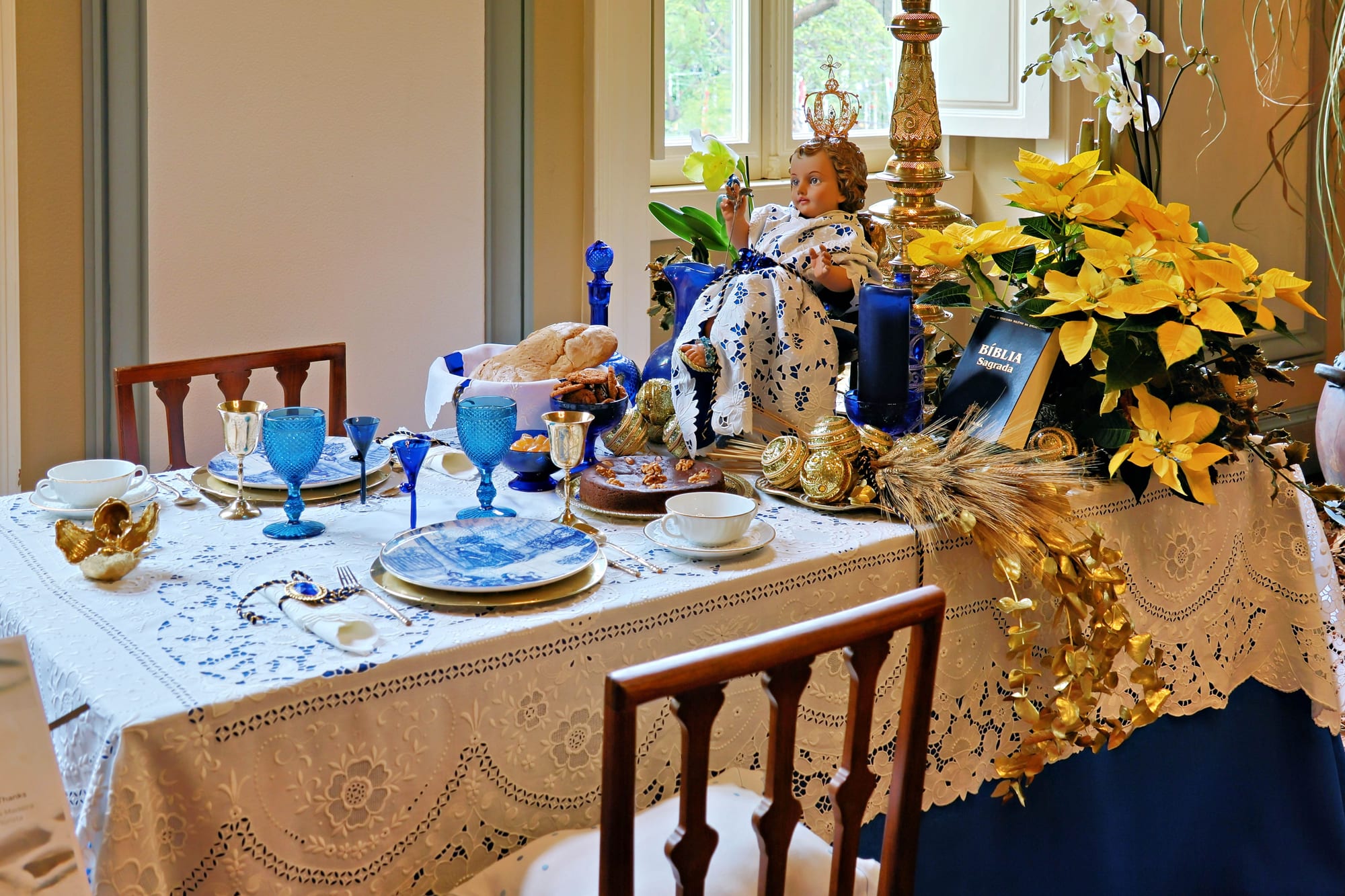
The religious and festive calendar are closely entwined. Christmas, known locally simply as the Festa, is the high point of the year. From the second half of December until Christmas Eve, Madeirans rise at dawn for the missas do parto, masses in honour of Our Lady that the local press describes as having characteristics unique in Portugal. On 23 December the capital's farmers' market hosts the Noite do Mercado, market night, one of the best-loved events of the season, and the celebrations culminate in the New Year's Eve fireworks, which in 2006 were recognised by Guinness World Records as the largest fireworks display in the world.
Carnival follows early in the year, ending on Shrove Tuesday, with a glittering allegorical parade of floats and costumes and the satirical Cortejo Trapalhão, a slapstick parade rooted in local tradition. In spring comes the Flower Festival, a tribute to the flowers the island is known for, with floral parades through the capital. It opens with a gesture that sums up its spirit: children are invited to place a flower on the Wall of Hope as a symbolic appeal for peace, and the festival as a whole is presented as a celebration of renewal and hope.
Summer belongs to the arraiais, the parish festivals held mostly between June and August. Rooted in religious feasts and the farming year, each honours a patron saint with a Mass and a procession, then turns into a street party of music, dancing and food that runs late into the night. Traditional singing is a constant, including despiques, competitive exchanges of sung verse. The greatest of them all is the feast of Our Lady of Monte, which the island's folklore association calls the largest and best-attended Christian festival in Madeira. Novenas are held in the days before, a vigil Mass is held on the night of the 14th for the pilgrims who traditionally came on foot, and on 15 August the procession winds through the parish after the late-morning Mass.
The regional holiday on 1 July has a more civic character, with a solemn session in the Legislative Assembly, flowers laid at the Autonomy Monument, awards for distinguished islanders, a Mass with a Te Deum, and an evening concert.
Arts, crafts and music
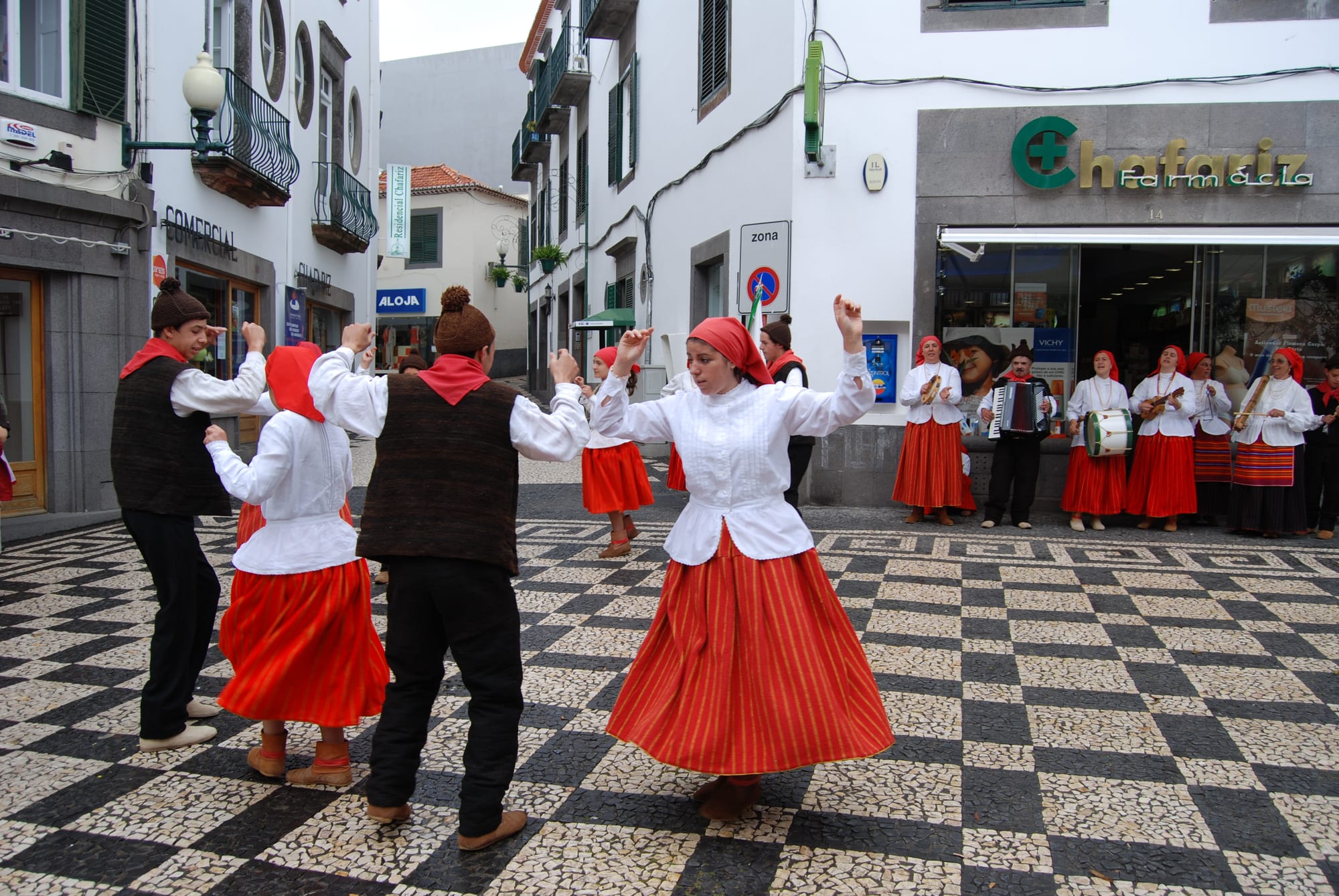
The hallmark of Madeiran folklore is the bailinho, a dance performed to regional singing and traditional instruments. Its movements recreate scenes from island life, among them herding, farming and courtship. Most parishes and their Casas do Povo, community associations, support folklore groups made up largely of local people, who perform at festivals and cultural events. The costumes are drawn from several influences but have details all their own, notably the combination of colours, the hat and the boots, and the brightly striped skirts worn by women have inspired fashion designers.
The instruments are as distinctive as the dance. Alongside the braguinha come the rajão, a slightly larger five-stringed relative; the viola de arame, a steel-strung guitar; the triangle; and the brinquinho, which has become an icon of the archipelago. The brinquinho is a cane pole set with small dolls in traditional dress, each holding a castanet, and it is used to mark the rhythm of the island's folk songs.
Madeira embroidery is the island's most celebrated craft. Embroidery was long worked at home on the island, often with naturalistic motifs inspired by the landscape. From the mid-nineteenth century, promoted by Elizabeth Phelps and shown at the Great Exhibition of 1851, it was exported to Britain, and demand from Germany and the United States followed, turning a domestic skill into a major industry. Pieces are worked by hand in linen, silk, organdie and cotton, using stitches with names such as caseado, arrendado and ponto de corda, and a large piece can take several months. Today the craft continues on a smaller scale, and each authentic piece carries a guarantee seal from the Madeira Wine, Embroidery and Handicrafts Institute.
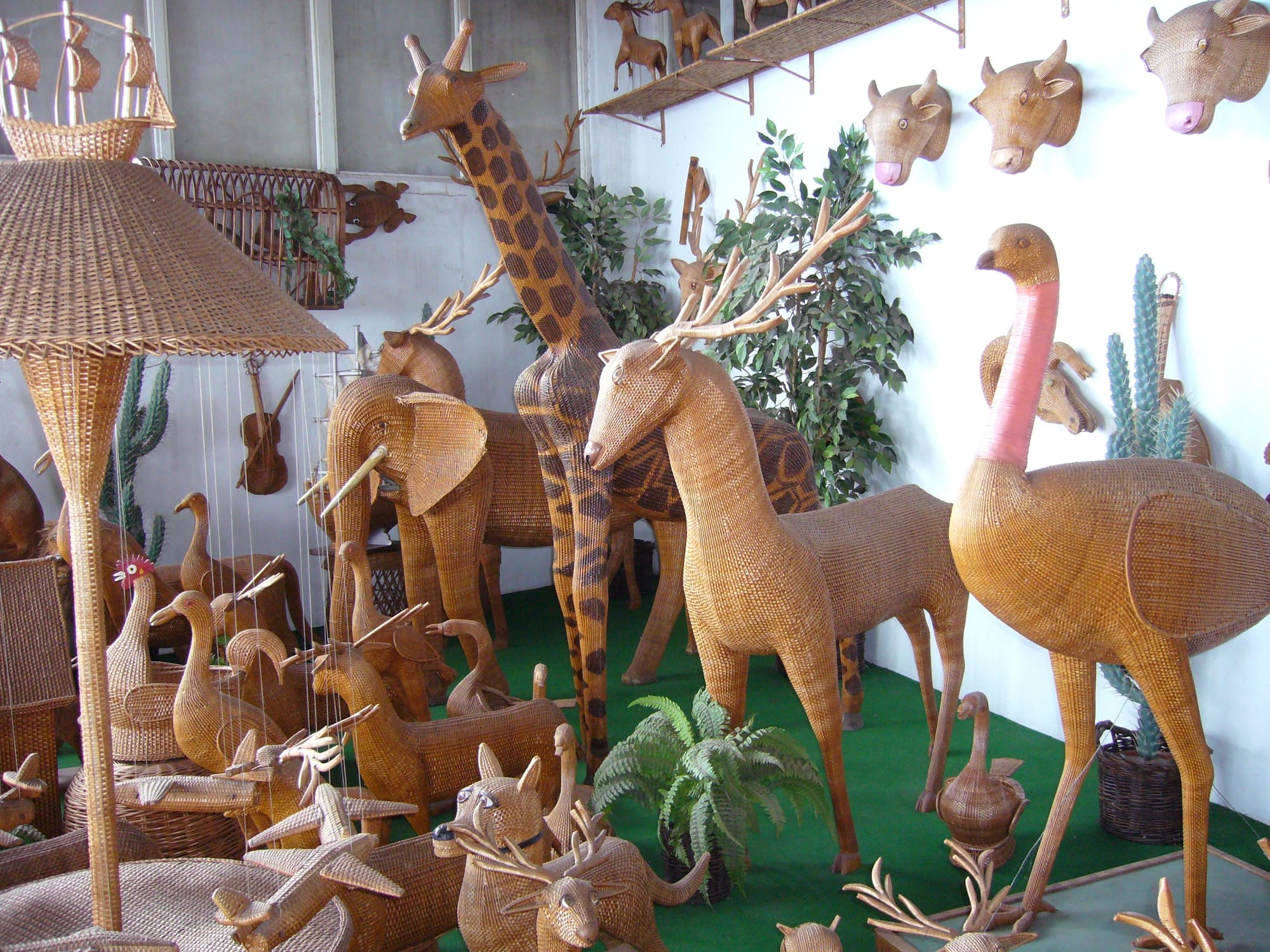
Wickerwork is the other great craft. It began around 1850 in an upland parish whose altitude and plentiful water suited the willow from which it is made, and its knowledge has been passed from generation to generation ever since. Artisans make baskets, boxes and handbags, chairs, tables and sofas, as well as the grape-harvesting baskets used across the archipelago and the basket sledges that carry passengers downhill from Monte. In its golden age wickerwork supported many families and was exported to several continents. The large workshops have since closed, and only a few artisans still practise the craft, some working from home.
Dos and don'ts for visitors
- Do greet people according to the time of day, bom dia, boa tarde or boa noite, and offer a handshake on first meeting.
- Do address adults as Senhor or Senhora and wait to be invited before using first names; cheek kisses are for friends and family.
- Do bring a small gift such as chocolates or flowers when invited to a home, and wait at the door until asked in.
- Do wait for the host's "bom apetite" before eating, and join in when glasses are raised with "Saúde!".
- Do remember that a festa is a religious occasion first; the Mass and procession come before the party, and pilgrims paying a promise deserve space and quiet.
- Do look for the guarantee seal of the Madeira Wine, Embroidery and Handicrafts Institute when buying embroidery sold as handmade.
- Don't boast about money or possessions; modesty is valued.
- Don't expect strict punctuality at social gatherings, but do be on time for business meetings.
What to take away
In Madeira, faith, family and festivity are hard to separate, and visitors who greet people properly, respect the religious heart of each festa and accept an invitation to join in will find island hospitality at its warmest.