History · Madagascar
Madagascar: The Eighth Continent
A vast Indian Ocean island settled from Borneo, unified by the Merina kings, conquered by France after a bloody war, and marked by the 1947 uprising and decades of decline since
By Worldlore Editorial · 10 September 2026
An island unlike anywhere
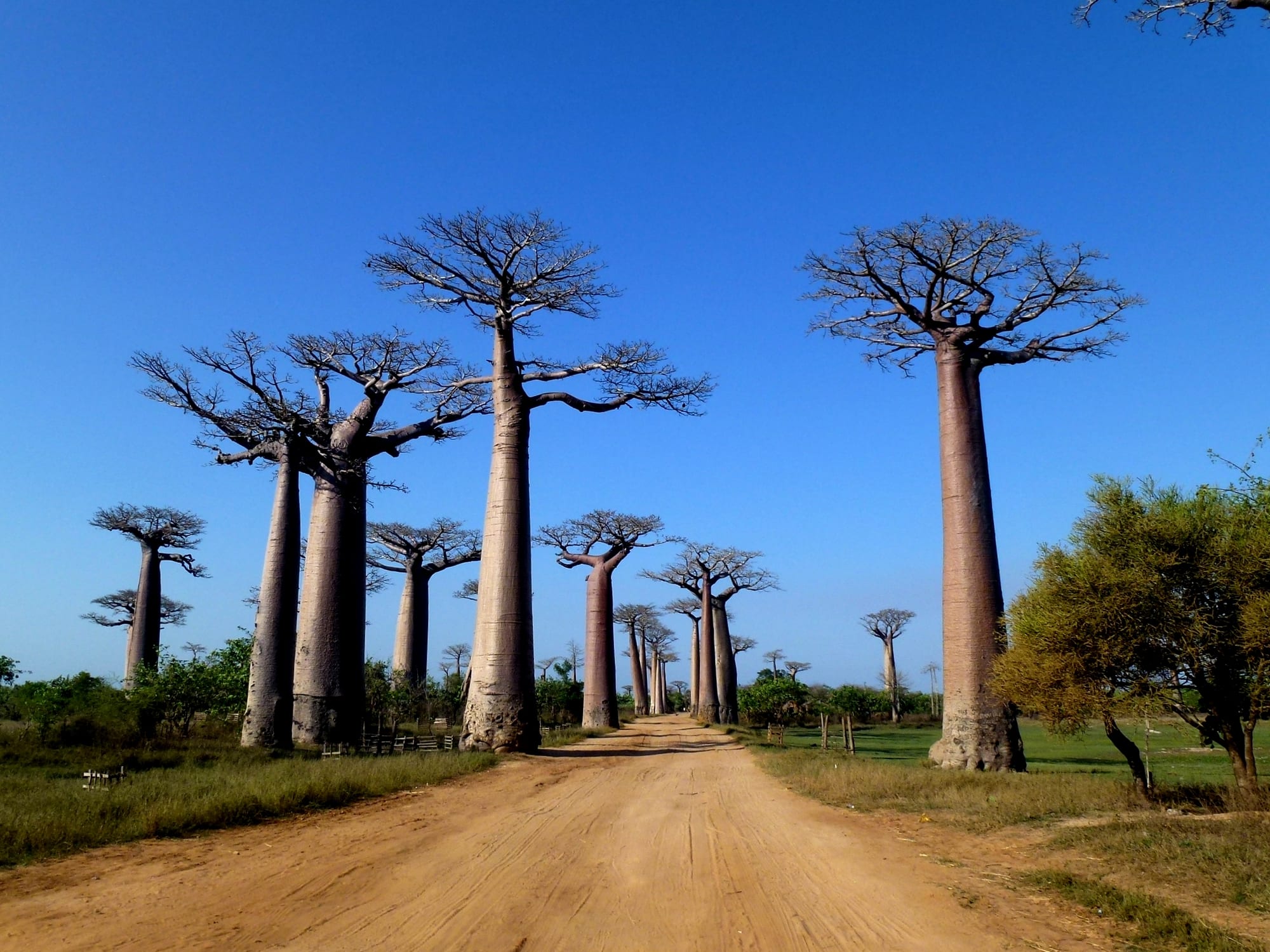
Madagascar is the world's fourth-largest island, off the south-east coast of Africa, with about 30 million people. It is biologically a world of its own, and its people are unusual too: the Malagasy speak an Austronesian language whose closest relative is spoken in southern Borneo, thousands of kilometres away. Madagascar is the only place where Austronesian and African peoples met and blended, and one of the last large landmasses on Earth that humans reached. It is also, today, one of the very few countries poorer than it was at independence.
A short history
- c. 350 BCE–550 CE
Settlement
Austronesian seafarers from Borneo reach the island.
- 1500s–1700s
Coastal kingdoms
The Sakalava states; a pirate haven on the east coast.
- c. 1787–1810
Andrianampoinimerina
Unifies the central highland kingdom of Imerina.
- 1810–1828
Radama I
Conquers much of the island; welcomes British missionaries.
- 1828–1861
Ranavalona I
Expels Europeans and bans Christianity.
- 1895–1896
French conquest
France takes Antananarivo and abolishes the monarchy.
- 1947
The uprising
A nationalist revolt is crushed with tens of thousands of deaths.
- 1960
Independence
Within the French Community, under Tsiranana.
- 1975–1993
The Ratsiraka era
A Marxist "Democratic Republic" and economic collapse.
From Borneo, and Africa
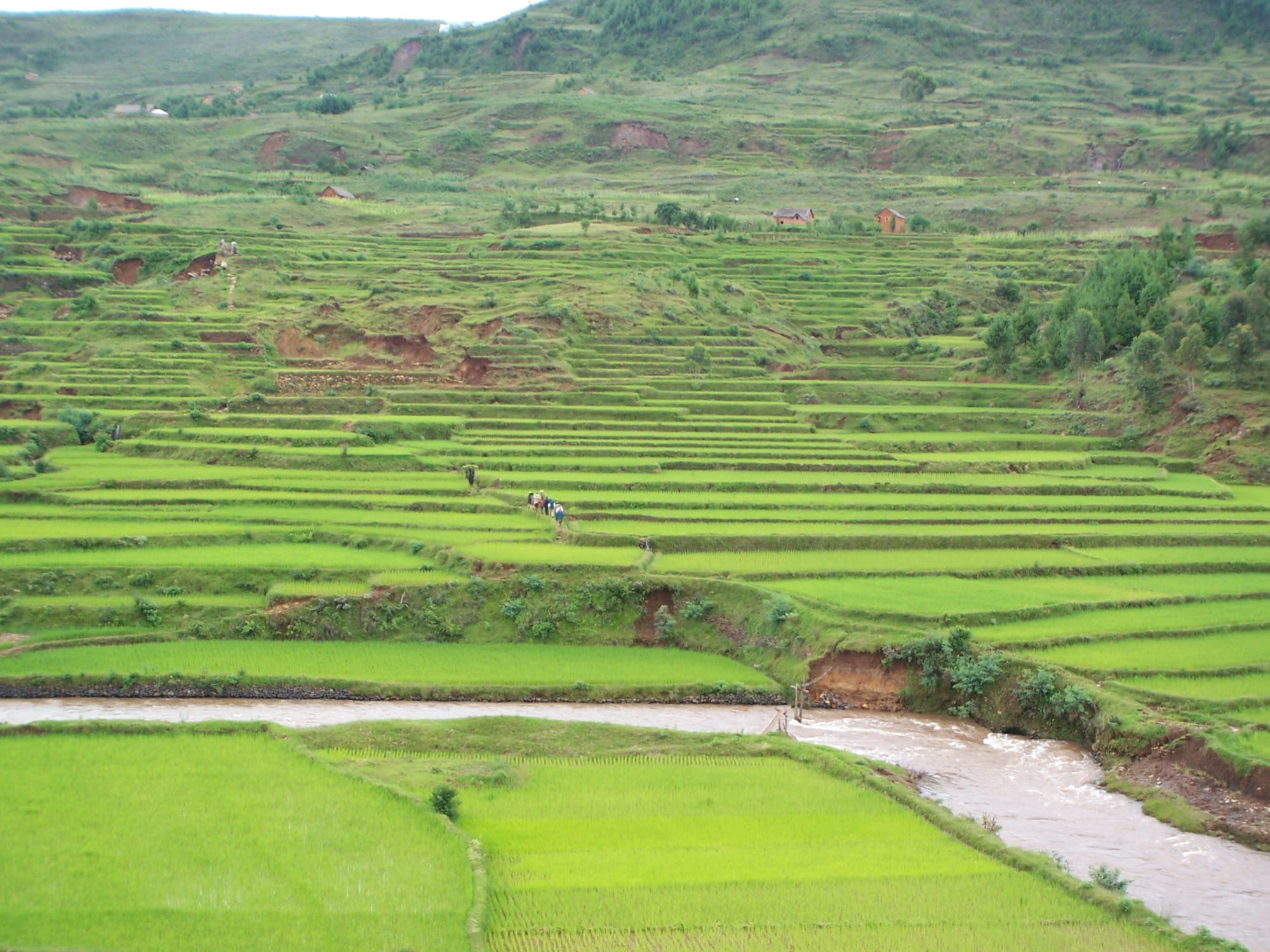
Austronesian voyagers settled Madagascar around two thousand years ago, bringing the outrigger canoe, wet-rice farming and their language. Later came Bantu-speaking Africans across the Mozambique Channel and Arab and Swahili traders on the coasts. The Malagasy that emerged are a blend — highland peoples such as the Merina more Austronesian, coastal peoples more African — united by one language, rice cultivation, cattle, and the veneration of ancestors and their tombs.
The Merina kingdom
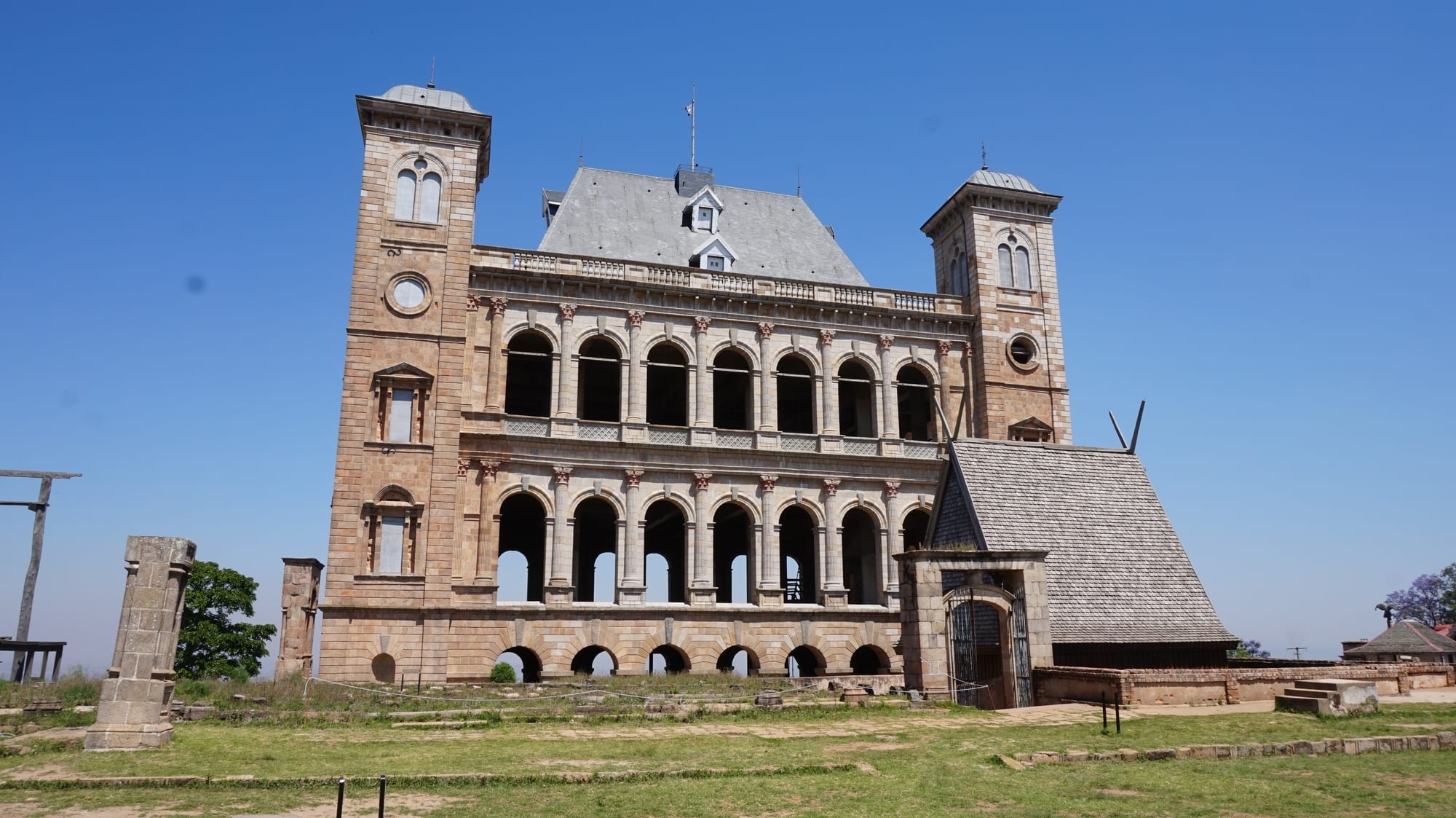
Trading states rose on the coasts — the Sakalava kingdoms in the west, and, in the 1690s, a notorious pirate haven on the east coast. In the central highlands the Merina kingdom formed around Antananarivo. Andrianampoinimerina unified Imerina around 1790, and his son Radama I conquered much of the island with a European-trained army, opened Madagascar to British missionaries — who created a written Malagasy language and mass literacy — and signed a treaty with Britain.
The kingdom
French conquest, and 1947
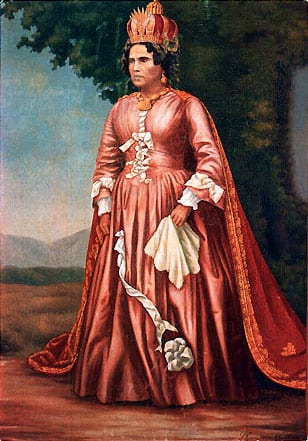
France invaded in 1894–95, took Antananarivo, and in 1896 annexed Madagascar, abolishing the monarchy and exiling the last queen. A revolt known as the "red shawls" resisted; more than 100,000 people died in the conquest and pacification. Colonial rule brought forced labour, cash-crop plantations — Madagascar became the world's largest vanilla producer — and a French administration.
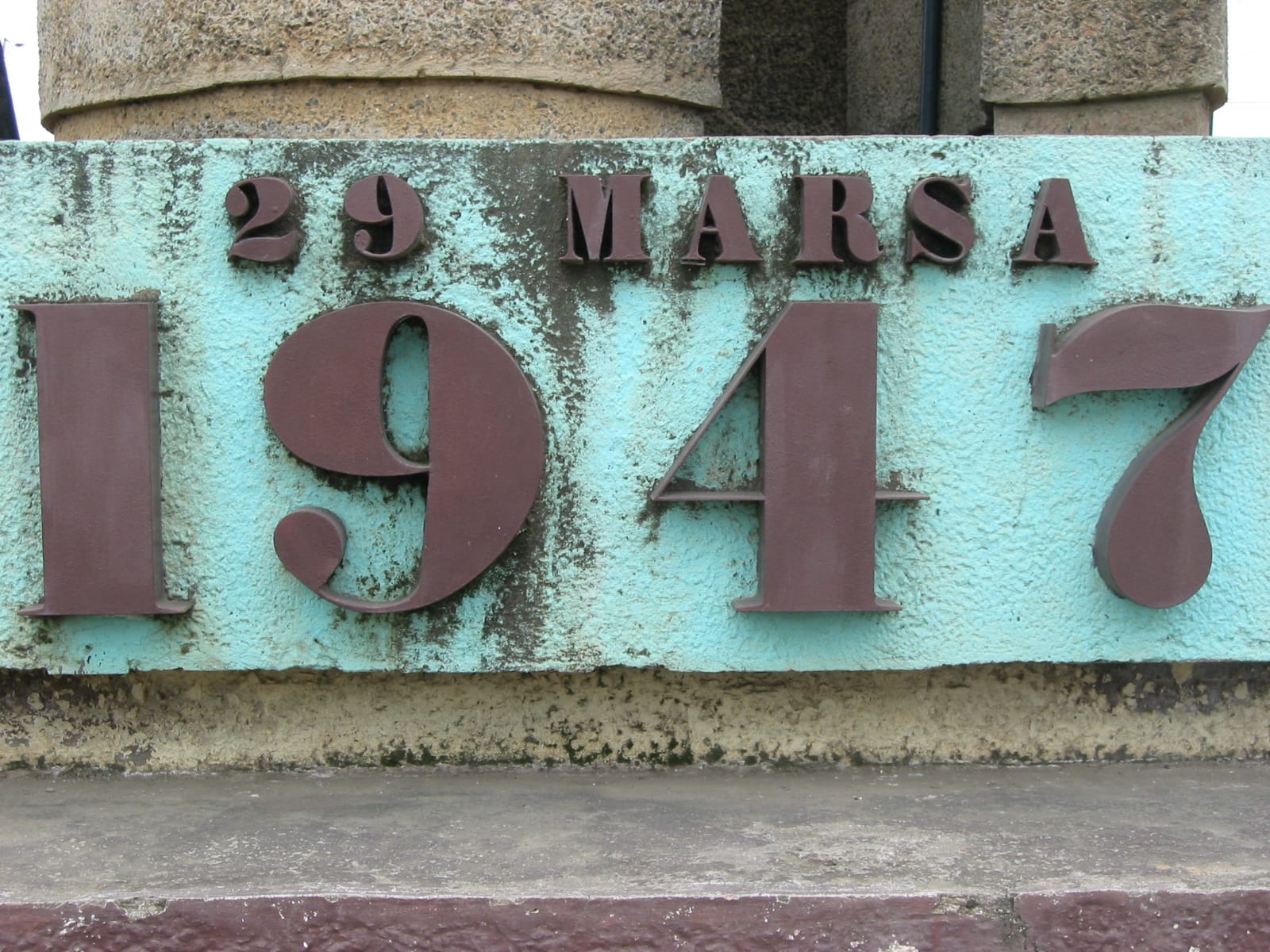
The 1947 rebellion, and its crushing, is Madagascar's foundational national trauma.
Independence and decline
Madagascar became independent on 26 June 1960 under Philibert Tsiranana, whose close ties to France drew protest. He was toppled in 1972, and in 1975 the naval officer Didier Ratsiraka took power and imposed a Marxist-Leninist state, with nationalisations and a turn to the Soviet bloc. The economy collapsed — output per head fell for two decades, one of the sharpest sustained declines anywhere. Pro-democracy protests in 1991 forced a transition; Ratsiraka lost power, returned, and finally lost a disputed 2001–02 election to the businessman Marc Ravalomanana after a six-month standoff.
Instability, and the environment
Ravalomanana was overthrown in a 2009 coup by Andry Rajoelina, the young mayor of Antananarivo — a crisis sharpened by a secret deal to lease about half of Madagascar's farmland to a South Korean firm. Rajoelina won elections in 2018 and again, disputed, in 2023. Madagascar remains among the world's poorest countries, with roughly three-quarters of people below the poverty line, severe deforestation, recurrent cyclones, and drought and famine in the deep south.
What Madagascar carries
Madagascar's history has a distinctive opening — an island reached from across the Indian Ocean and shared with Africa — and a familiar middle: a unifying kingdom, a violent French conquest, a bloodily suppressed revolt, and a disappointing independence. What sets it apart now is the trajectory: rich in endemic life and poor in almost everything else, and with living standards that have gone backward for two generations.