Food · Madagascar
Madagascar: Food and the National Dish
A beef and leafy greens stew ladled over rice, on an island that eats more rice per person than almost anywhere else on Earth
By Worldlore Editorial · 16 September 2026
An island where rice comes first
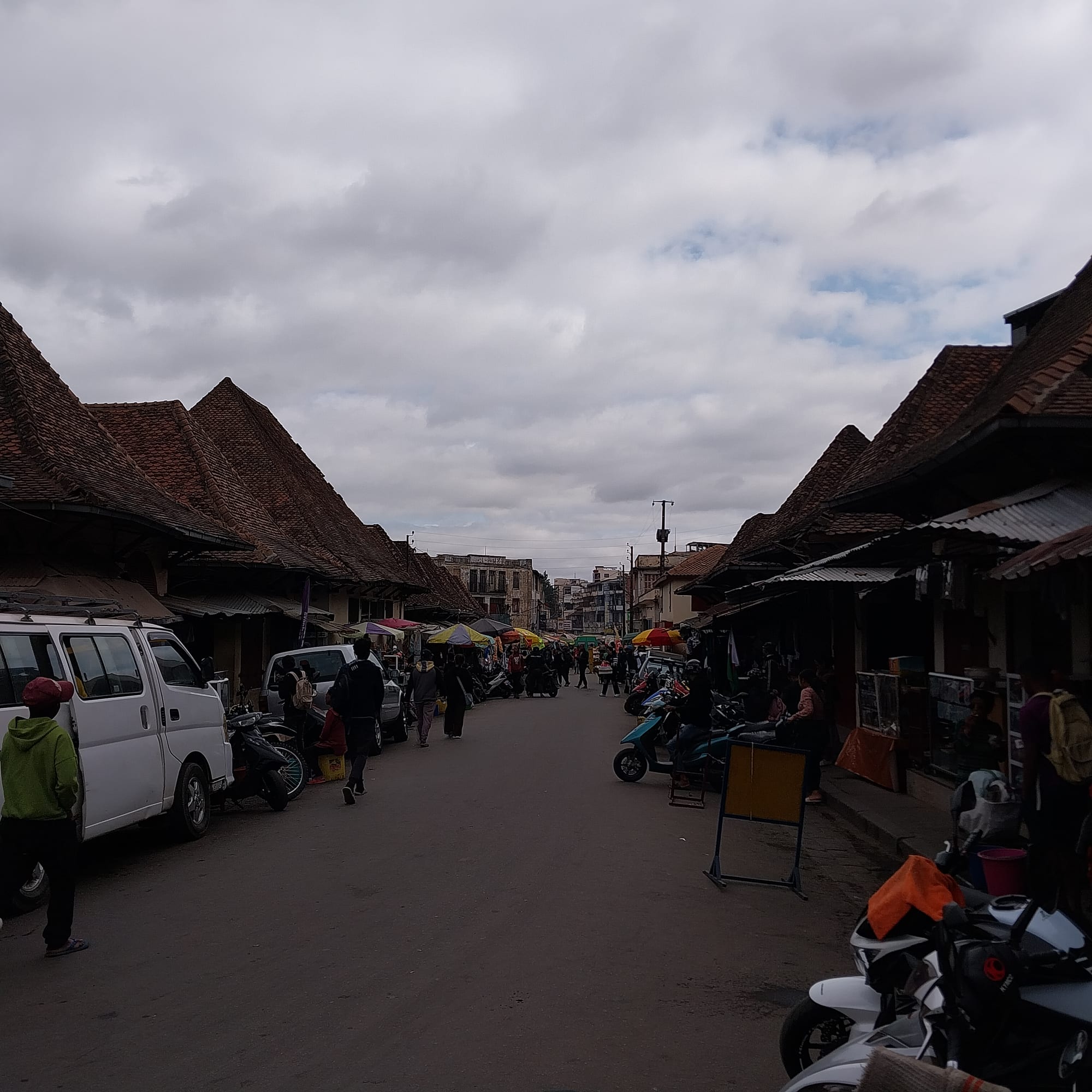
Madagascar eats more rice per person than almost any country outside Asia, and vary, the Malagasy word for rice, anchors nearly every meal on the island. That rice-first structure, layered with Southeast Asian, African and French influences reflecting Madagascar's unusual settlement history, shapes a cuisine genuinely distinct from mainland Africa despite the island's geographic proximity to it.
The national dish: romazava
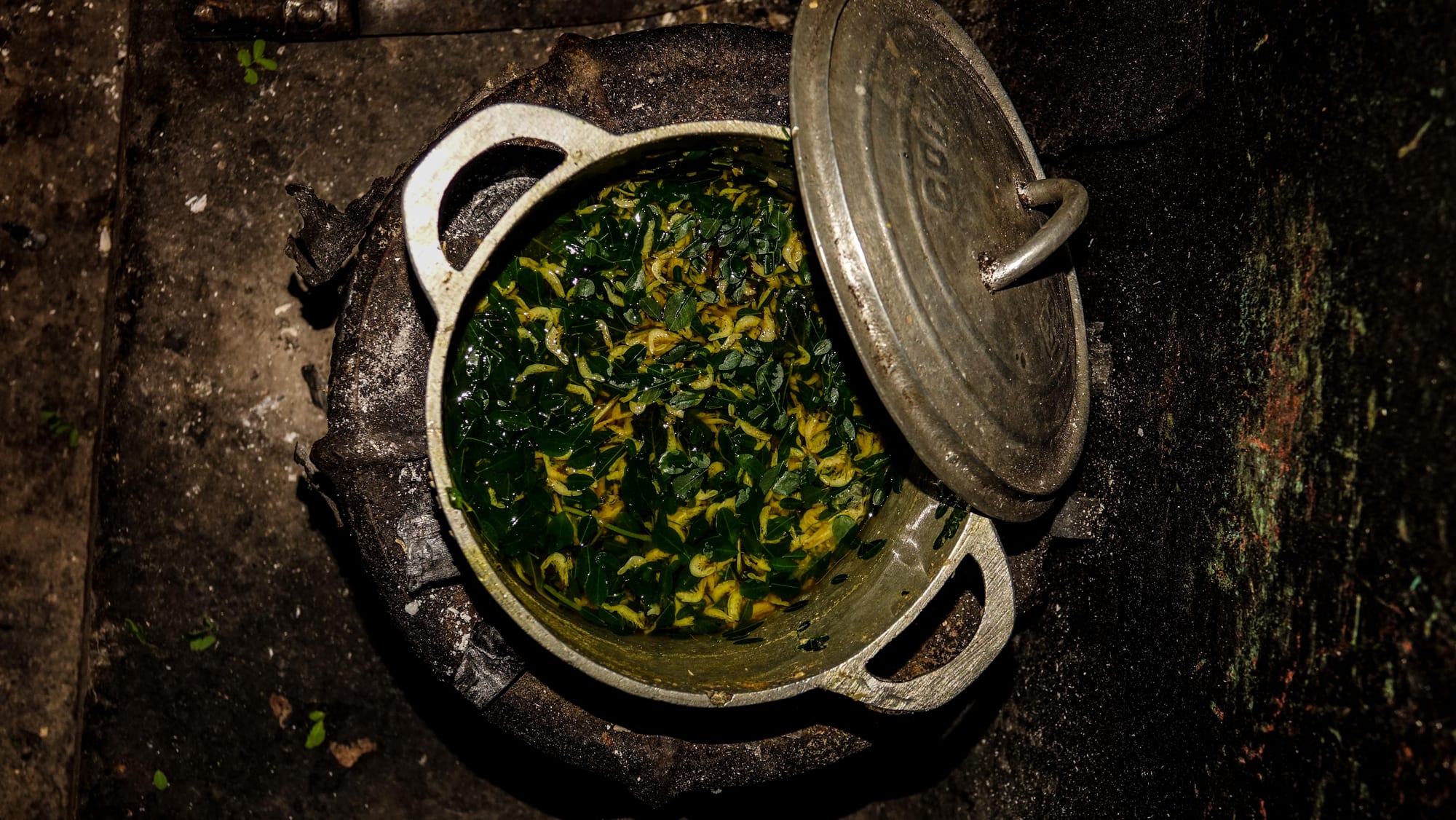
Romazava, a broth-based stew of beef simmered with leafy greens, typically brèdes mafana or another local leafy vegetable, and ginger, is Madagascar's national dish. Served ladled generously over rice, romazava is considered genuine home cooking, a dish most Malagasy families prepare regularly rather than reserve for special occasions.
Rice, greens and the Malagasy pantry
Rice forms the base of nearly every Malagasy meal, served alongside laoka, a general term for the accompanying dish, whether a stew, greens or fish. Zebu, a type of cattle raised across Madagascar and carrying real cultural significance beyond food, along with leafy greens, ginger and fresh seafood along the coasts, round out the everyday pantry.
History and Madagascar's vanilla trade
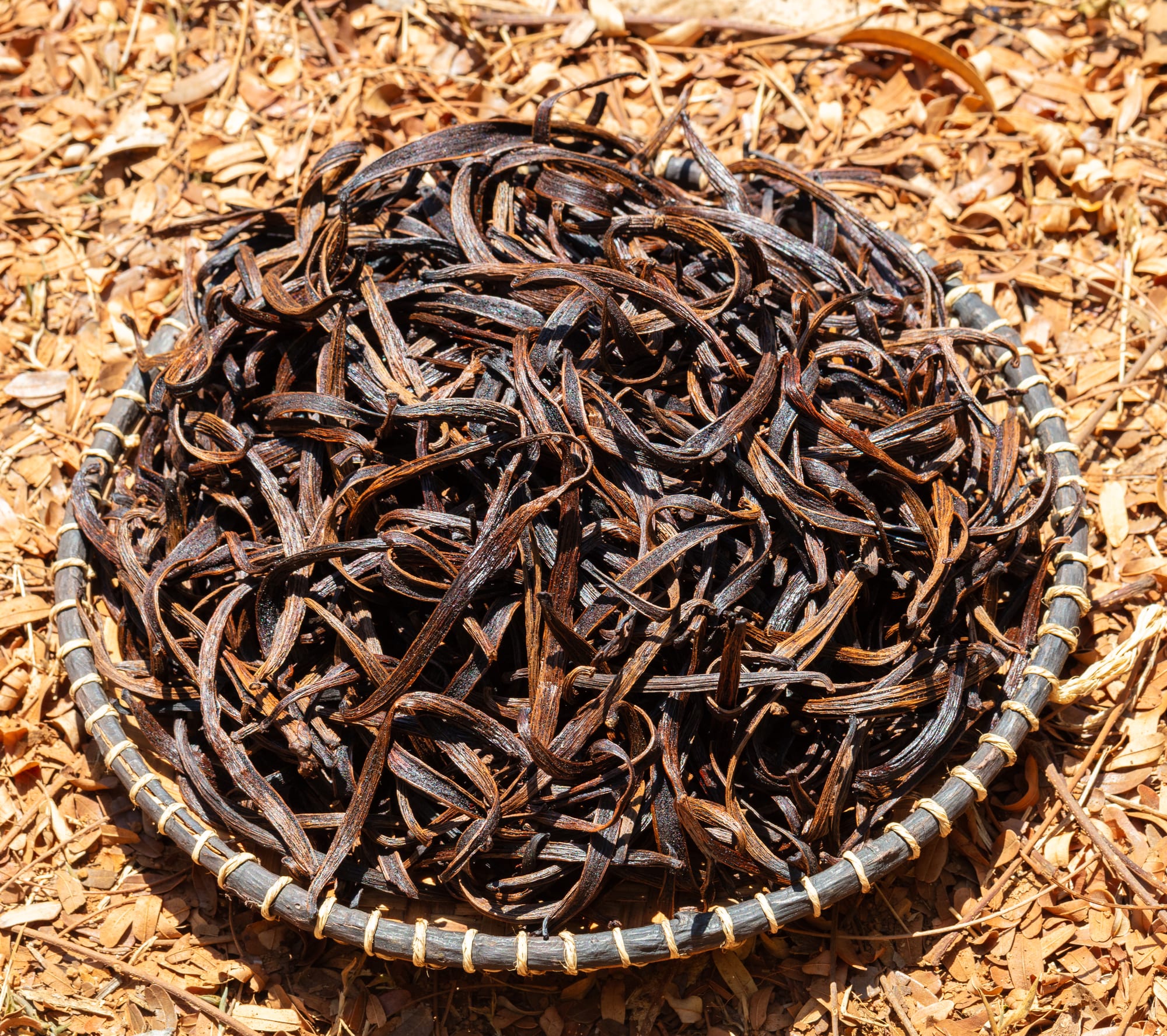
Madagascar's food reflects a genuinely unusual settlement history: the island's original population arrived from Southeast Asia via long sea voyages roughly 1,500 to 2,000 years ago, bringing rice cultivation with them, later layered with African, Arab and French colonial influence. Madagascar today produces a large share of the world's vanilla, grown mainly along the island's northeastern coast, a crop that has become central to the country's agricultural export economy.
Dishes to know
Five more to recognise across Madagascar:
- Ravitoto — pounded cassava leaves cooked with pork, a widely loved
everyday dish.
- Vary amin'anana — a rice and greens porridge, often eaten as a
comforting everyday meal.
- Akoho sy voanio — chicken cooked in coconut milk, especially common
along the coast.
- Mofo gasy — small, slightly sweet rice-flour cakes, a popular
breakfast street food.
- Zebu steak — grilled zebu beef, prized for its lean, distinctive
flavour.
Drinks
Ranon'ampango, a smoky, toasted rice water made from the crust left in the cooking pot, is a genuine everyday Malagasy drink, traditionally served free at restaurants. Rum, distilled from Madagascar's sugarcane, and coffee, grown in parts of the island, round out the country's drinking traditions.
Eating as a traveller
Vegetarians will find rice and vegetable-based laoka manageable, though meat and fish are common in most traditional dishes. Tap water is not reliably safe outside major hotels; stick to bottled or boiled water. Trying ranon'ampango alongside a meal is a genuine, no-cost way to taste a distinctly Malagasy drink most visitors wouldn't think to order.
What to take from the table
Romazava over a mound of rice is the meal that best represents everyday Malagasy food — simple, beef-and-greens comfort food from an island whose relationship with rice runs deeper than almost anywhere else outside Asia.