Daily Life · Madagascar
Madagascar: A Day Measured in Rice
Extended family close at hand, a bowl of vary at every meal, and a country where getting to town still means waiting for the taxi-brousse to fill up
By Worldlore Editorial · 30 September 2026
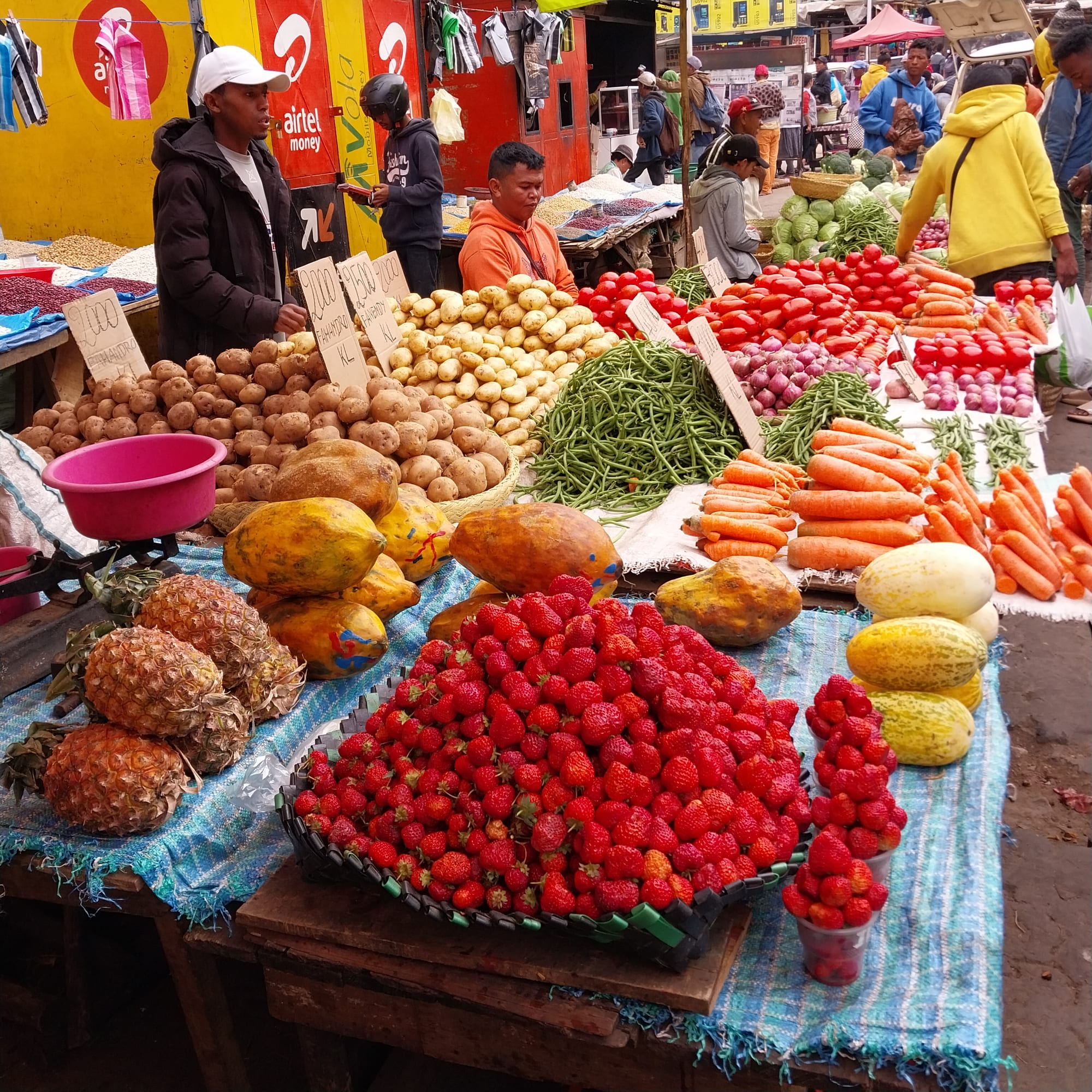
Rice shapes an ordinary day in Madagascar more than any clock does. It is eaten at breakfast, lunch and dinner in most households, and a meal without it is widely considered incomplete rather than merely lighter. Beyond the rice bowl, life nationwide runs through the extended family rather than the individual, through a farming calendar set by the rains, and through the long wait for a shared taxi-brousse to fill before it leaves for the next town.
Family and home life
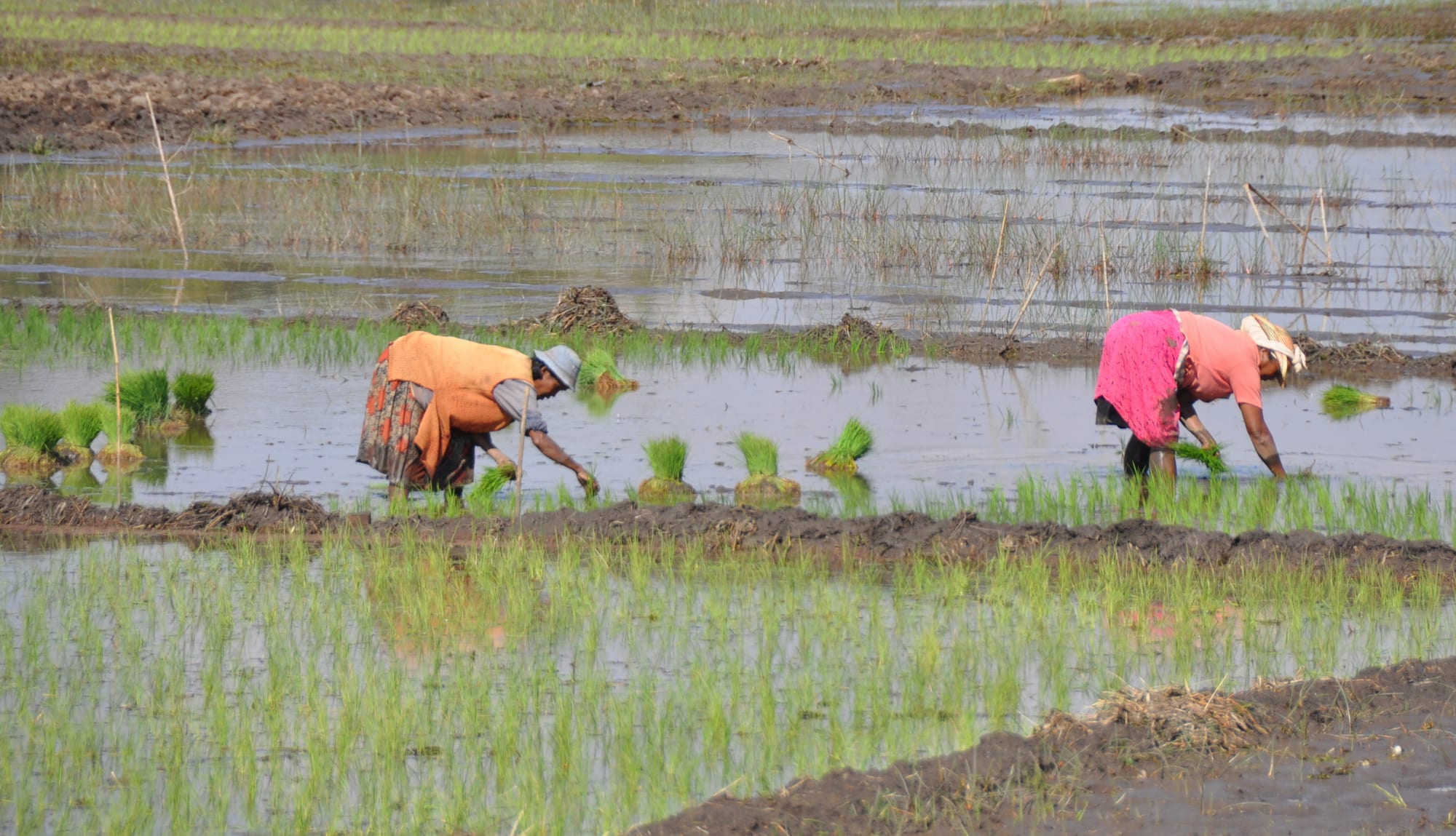
Malagasy households are built around the extended family, held together by fihavanana, the prized value of kinship and solidarity, in a network that reaches well past parents and children to uncles, aunts, cousins and grandparents, all treated as close kin rather than distant relations. Grandparents often live with or close to their children and grandchildren, and even where family members live apart, the ties stay active in daily life: a relative studying in the city is often hosted by an aunt or uncle, and children regularly spend school holidays with grandparents or cousins. Most Malagasy work in agriculture, so for most families home life and farm life are the same thing, organised around a shared plot of rice land worked by the household as a unit.
Work, school and the rhythm of the day
For the rural majority, the working day is set by the rice cycle rather than an office clock: flooding and transplanting the paddies, weeding, and then the harvest, with the slacker months used for other crops, charcoal-making or casual labour. School runs to its own timetable, often split into a morning and an afternoon session, with many pupils walking home for lunch in between. Education is compulsory from six to fourteen, structured as five years of primary school followed by four years of lower and three of upper secondary, with a national exam at the end of each stage before a student can move up.
Community life and public spaces
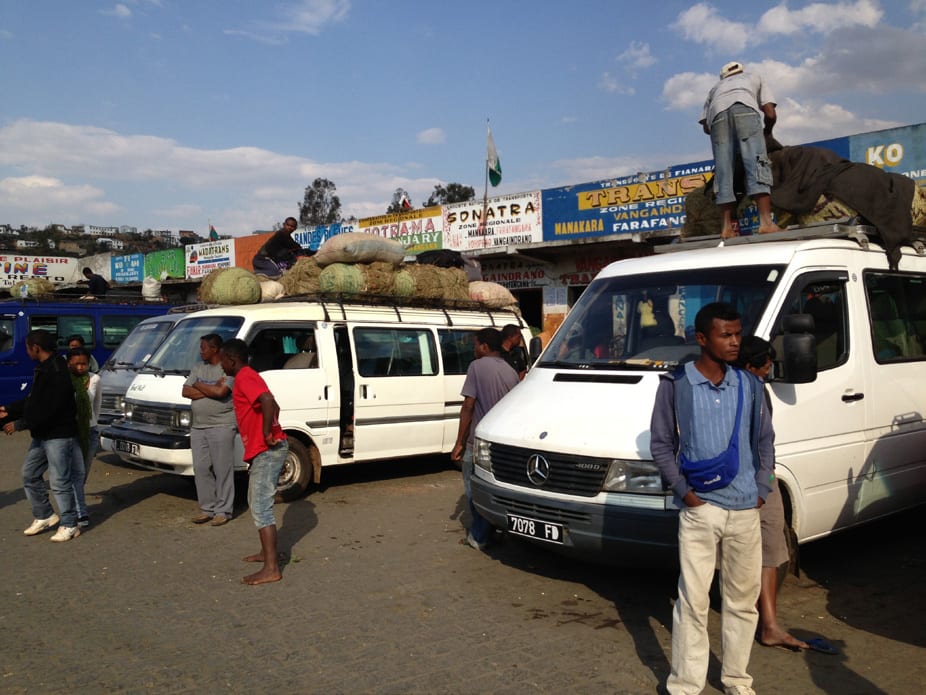
The market is the everyday public space that matters most, whether a few covered stalls in a small town or a sprawling covered market like Analakely in the capital, and it is usually where the taxi-brousse station is found as well, so a trip to sell produce and a trip to travel often start in the same place. These shared bush taxis, old vans and minibuses reworked with extra bench seats, run fixed routes between towns but leave only once full, so waiting at the station, sometimes for an hour or more, is a routine part of getting anywhere. Cash still dominates small daily purchases, but mobile money services, run through ordinary phones and a network of local agents, are a growing part of public life, used to pay bills or send money to relatives in the countryside, even though only around a quarter of adults had a financial or mobile-money account in the World Bank's 2025 survey.
Free time and weekends
Sunday is the most consistently shared day off, given over to church for the large Christian majority and to family visits, and it is common for extended family to gather for a shared meal that runs long into the afternoon. Football has a wide following nationwide, alongside rugby union, and matches are followed keenly in towns with little else in the way of organised entertainment. On public holidays, families who can manage it may travel out to the countryside or the coast for a picnic, a rarer treat than a weekly habit given how much of the week is already spent on the land.
A visitor's ordinary day
Madagascar runs on cash for most everyday transactions, so carrying ariary in useful denominations matters more than a bank card, which is accepted only in larger hotels and a handful of city businesses; cash machines are scarce outside the main towns. Markets and small shops open early and stay open through most of the day, closing gradually rather than at a fixed hour. Travelling between towns by taxi-brousse means budgeting real time for the vehicle to fill before it departs, and for the distance itself, since road conditions make journeys far slower than the map suggests. Power and water cuts are frequent even in the capital, where they set off mass protests in September 2025, and electricity and mobile signal are patchy in rural areas, where a mobile money agent, rather than a bank branch, is often the nearest thing to a cash machine.
What to take away
An ordinary day in Madagascar is set less by the clock than by two older rhythms that run underneath it: the rice cycle that still employs most families, and the extended household that a Malagasy day, at almost every point, is lived inside of.