History · Macau
Macau: The First and Last Colony
The oldest European settlement in East Asia — a Portuguese trading post from 1557, a decaying backwater in Hong Kong's shadow, the last colonial territory returned to China, and now the largest gambling centre on Earth
By Worldlore Editorial · 10 September 2026
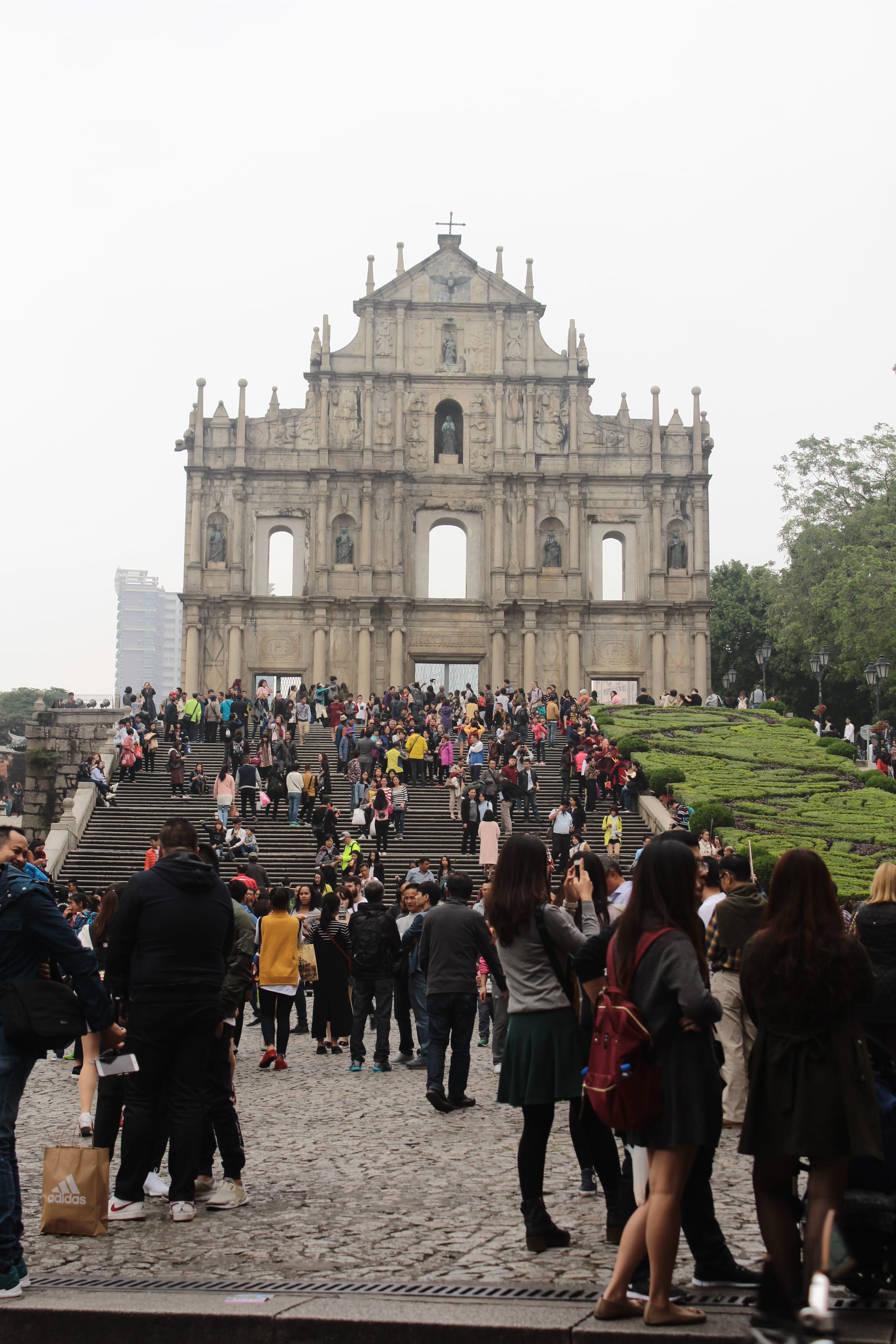
A tiny territory with a long record
Macau sits on the western side of the Pearl River estuary, about 60 kilometres from Hong Kong — around 33 square kilometres, much of it reclaimed from the sea, with some 690,000 people, making it the most densely populated territory on the planet. It was the first permanent European settlement in East Asia and the last colonial possession handed back, in 1999. And it is now the world's largest gambling centre, earning several times the gaming revenue of Las Vegas.
A short history
- c. 1557
The Portuguese post
Traders are allowed a permanent base on the peninsula.
- 1580s–1630s
The golden age
Macau is the hub of the Japan–China–Europe silk-and-silver trade.
- 1639
Decline begins
Japan closes itself; the trade collapses.
- 1849
Full control
Portugal stops paying rent and asserts sovereignty.
- 1887
Treaty of Peking
China recognises Portuguese rule.
- 1966–1967
The 12-3 incident
Riots leave the pro-Beijing side in real control.
- 1987
Joint Declaration
Macau to return to China in 1999.
- 1999
Handover
The last European colony in Asia is returned.
- 2002 onward
The casino boom
Macau overtakes Las Vegas.
The trading post
Portuguese traders, already established at Malacca and active along the China coast, were permitted from around 1557 to set up a permanent base on the Macau peninsula — by arrangement with local Ming officials, with a "ground rent" paid from 1573, rather than by conquest.
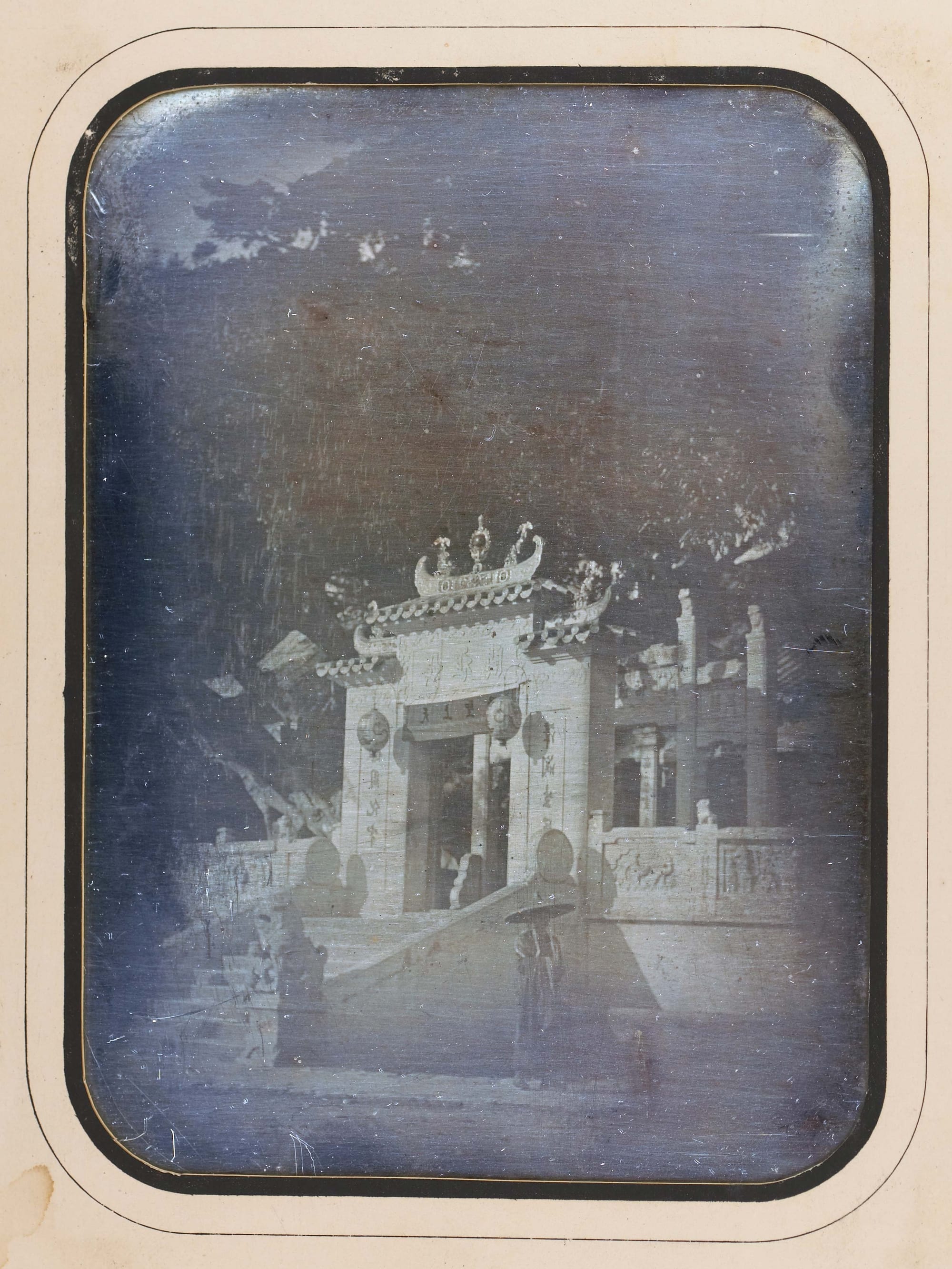
For roughly eighty years Macau was the essential entrepôt of the early modern Asian trade — the hub of the route carrying Chinese silk to Japan for silver, and both on to Goa and Lisbon — and the gateway for Jesuit missionaries into China. Its golden age faded after Japan closed itself in 1639, and the Dutch and then the British took over the China trade.
Decline in Hong Kong's shadow
Portugal declared Macau a free port in 1845 and, exploiting China's weakness after the Opium Wars, stopped paying rent and claimed full sovereignty; the 1887 Treaty of Peking had China acknowledge Portuguese rule.
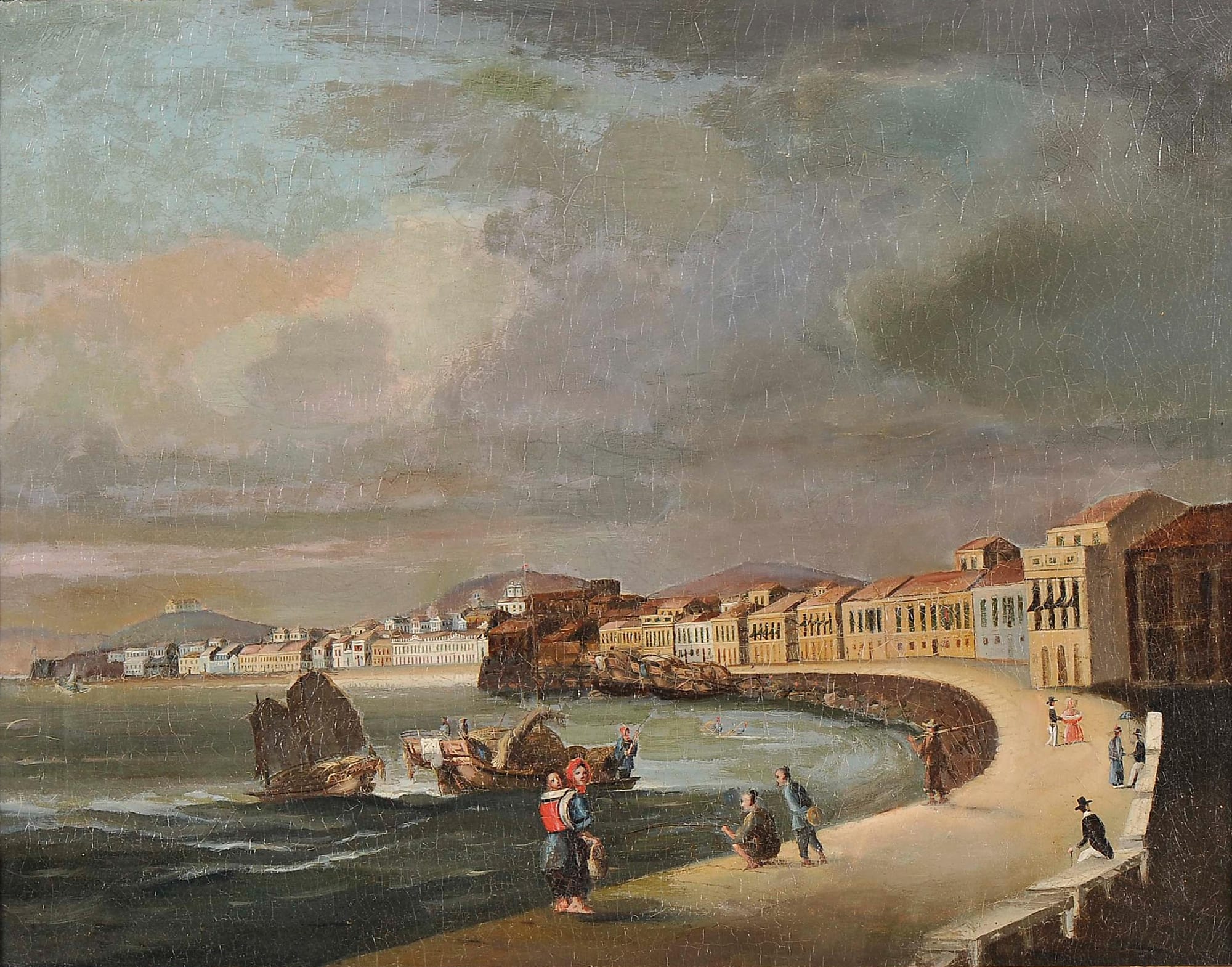
Because Portugal was neutral, Macau — unlike Hong Kong — was not occupied by Japan in the Second World War, and its population swelled with refugees. The decisive political shift came in 1966–67: a local dispute escalated into pro-Beijing riots during the Cultural Revolution, Portuguese police killed several people, and Portugal's government capitulated. From then on, Macau's pro-Beijing establishment held the real power, and after Portugal's 1974 revolution Macau was redefined as "Chinese territory under Portuguese administration".
Handover, and the casino boom
The Sino-Portuguese Joint Declaration of 1987 set Macau's return to China for 20 December 1999, as a Special Administrative Region under "one country, two systems" for 50 years. The handover ended the era of European colonies in Asia that Macau itself had opened 442 years earlier.
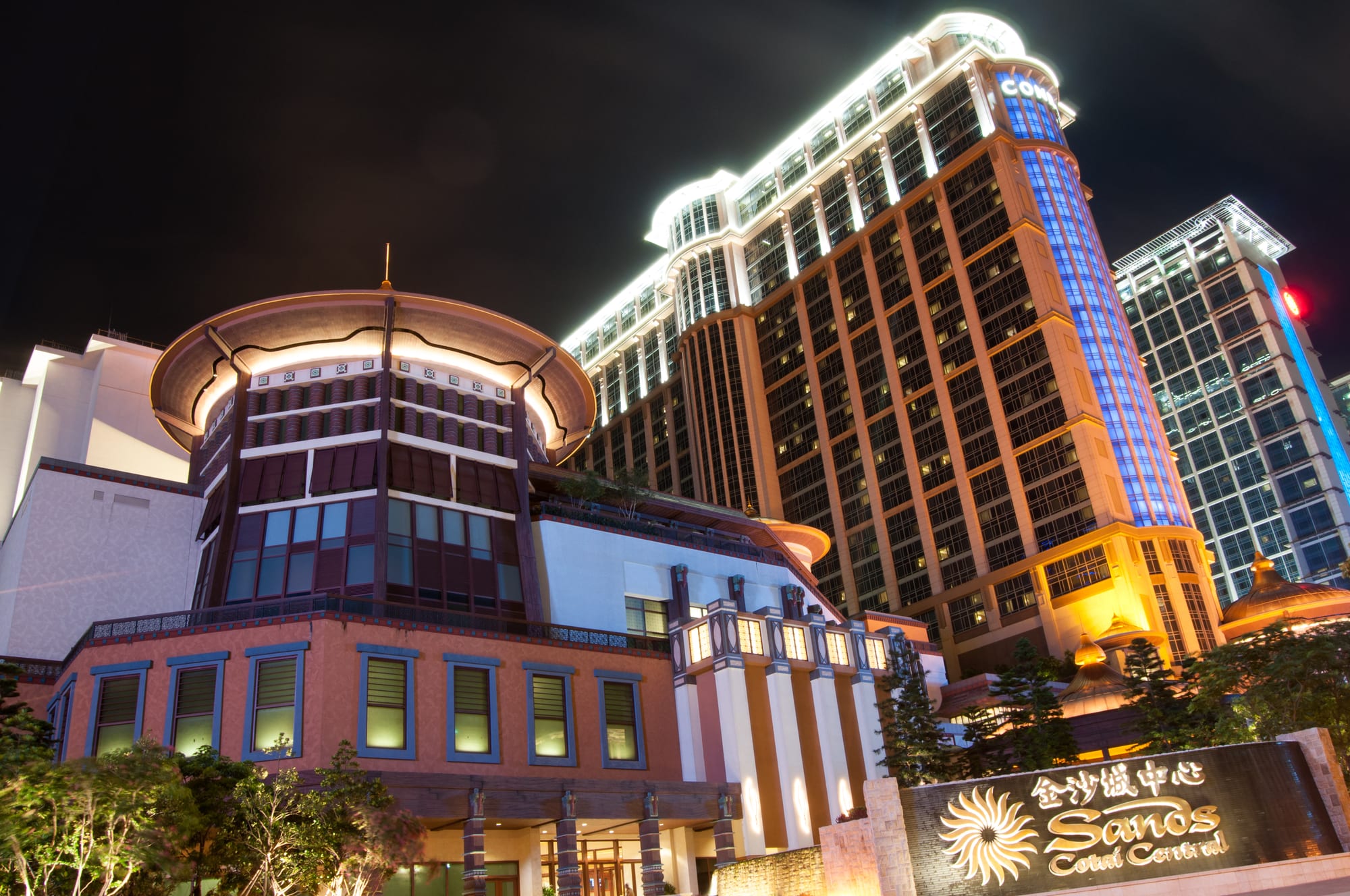
In 2002 Macau ended the decades-long casino monopoly of the tycoon Stanley Ho and let Las Vegas operators in. Gaming revenue exploded, driven by mainland Chinese high-rollers, and Macau became one of the richest places in the world per head — wealthy enough to pay every resident an annual cash handout. The 2020–22 pandemic border closures, which shut off visitors, exposed how completely the economy depends on gambling and on the mainland.
Macau now
Politically, Macau has been consistently compliant. It passed its own national-security law in 2009 without controversy, and since Hong Kong's 2019 protests it has tightened further — barring "unpatriotic" candidates and disqualifying pro-democracy legislators. Beijing presents Macau as the model of how "one country, two systems" is meant to work. Efforts to diversify the economy beyond the casinos have so far made little headway.
What Macau carries
Macau's whole history is one of accommodation. The Portuguese held it for four and a half centuries not by force but by permission, on the sufferance of Chinese authorities who could have ended the arrangement at any time. That habit — prospering by not causing trouble for a much larger power next door — carried straight through the 1999 handover into the SAR that exists today.