Food · Macau
Macau: Food and the National Dish
A misleadingly named chicken dish that traces its spice through four continents, from a territory often credited with the world's first fusion cuisine
By Worldlore Editorial · 16 September 2026
Asia's oldest fusion cuisine
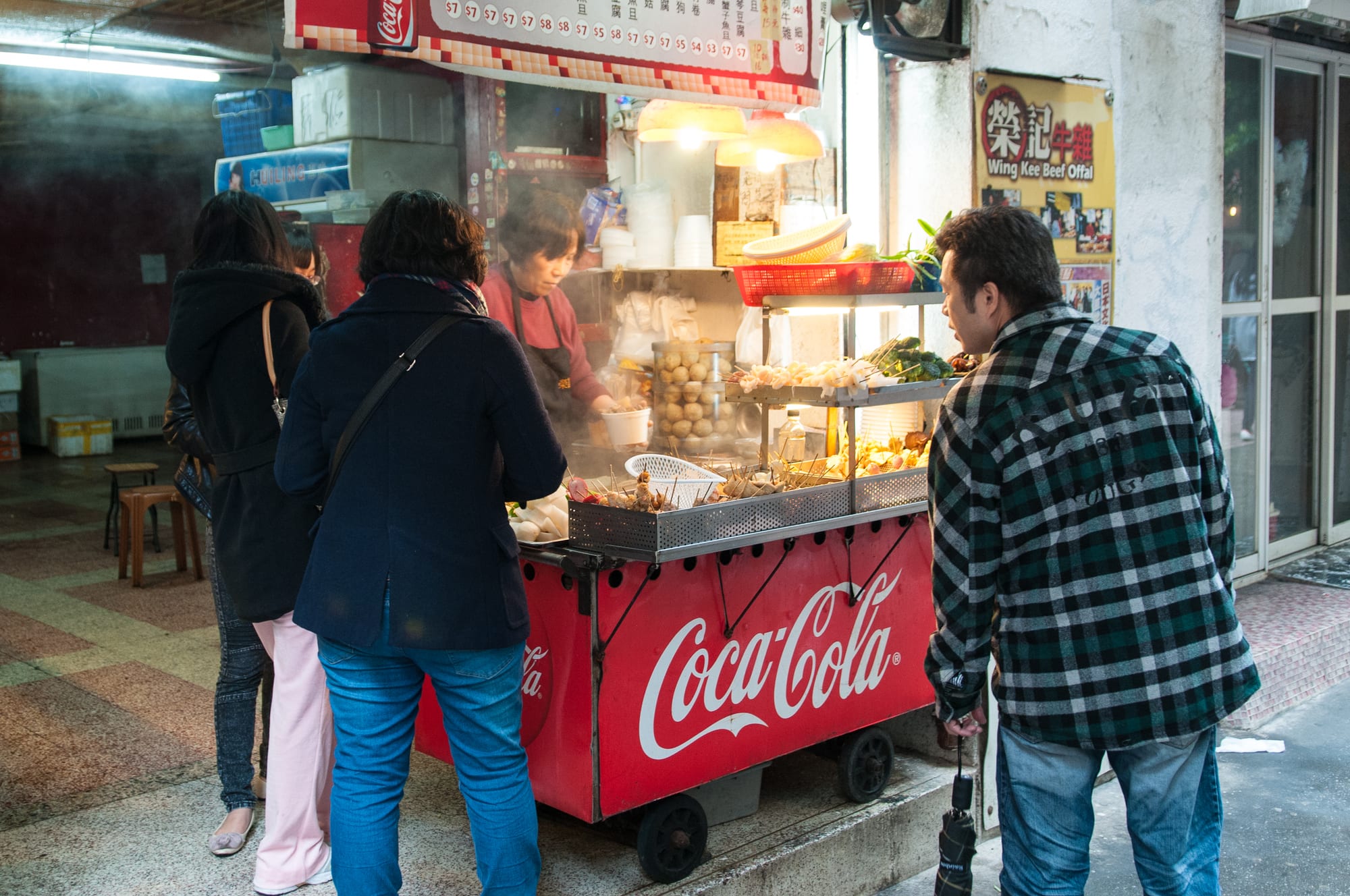
Macau's food is often described as one of the world's first genuine fusion cuisines, a result of more than four centuries as a Portuguese trading post connecting Europe, Africa, India, Southeast Asia and southern China all at once. Macanese cooking blends Cantonese technique with Portuguese, African and Goan ingredients in a way that developed organically over generations rather than as a modern culinary trend.
The signature dish: African chicken
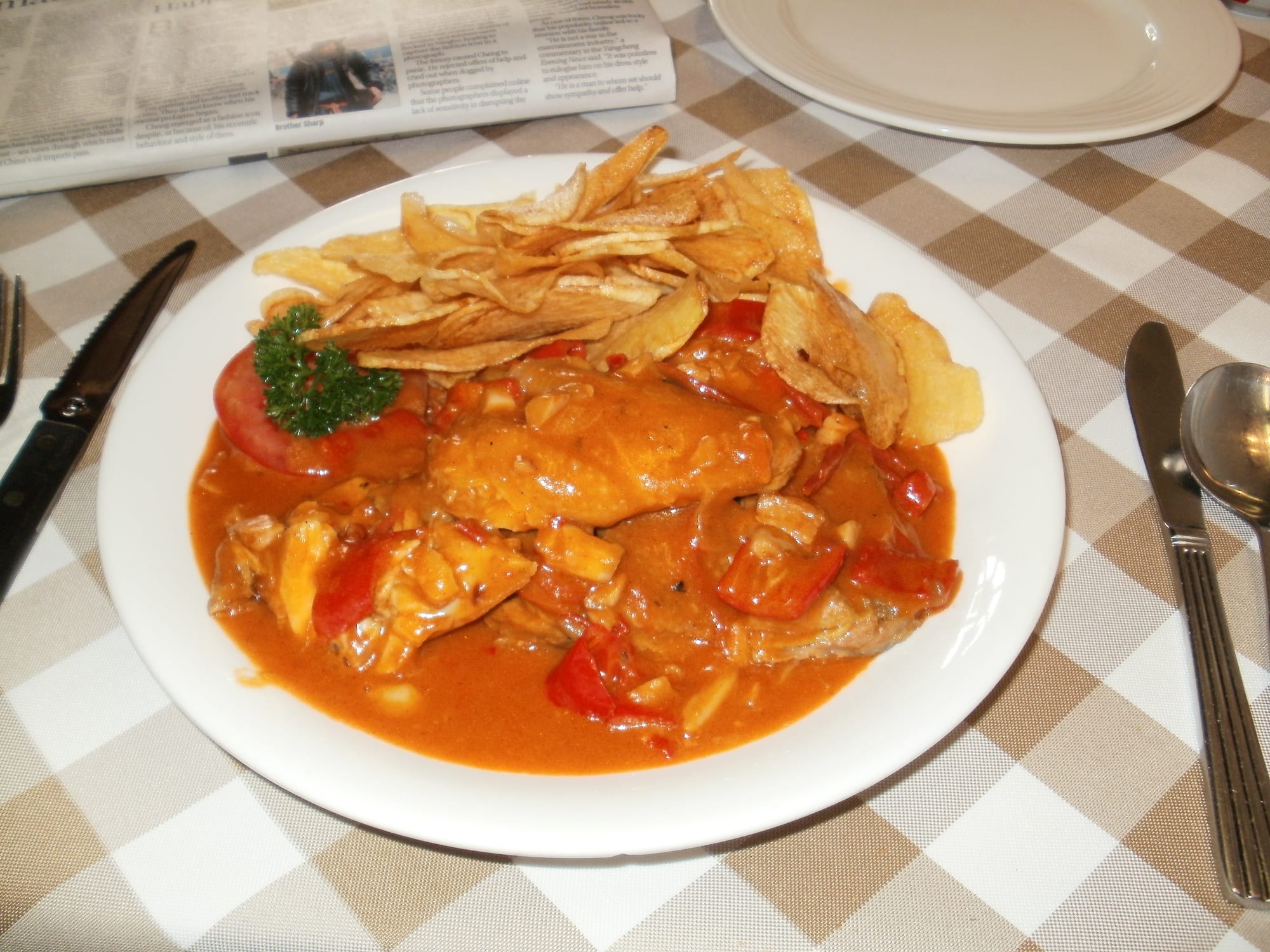
African chicken (galinha à Africana), chicken marinated and grilled or baked in a spicy, coconut-and-peanut-based sauce built on peri-peri chilli, is Macau's best-known dish despite its name — the chilli itself traces to Portuguese trading contact with Africa, brought to Macau via Portugal's wider colonial trade network rather than reflecting any direct African population or cooking tradition in the territory. The dish is a genuine product of Macau's role as a meeting point along Portuguese trade routes.
Coconut, peri-peri and the Macanese pantry
Coconut milk, peri-peri chilli and turmeric, all arriving via Portugal's Indian and African trading posts, sit alongside Cantonese staples like rice, soy sauce and fresh seafood in the Macanese pantry. That combination produces dishes with a genuinely distinct flavour profile, neither fully Chinese nor fully Portuguese, built specifically from Macau's centuries as a trading crossroads.
History behind the fusion
Portugal established Macau as a trading post in the 16th century, and over the following four centuries, Portuguese sailors, traders and settlers brought spices and ingredients from Portuguese colonies in Africa, India and Southeast Asia into direct contact with Cantonese cooking. That long, gradual blending, rather than any single moment of fusion, is what produced Macanese cuisine's genuinely distinct character.
Dishes to know
Five more to recognise across Macau:
- Portuguese egg tarts — a custard tart adapted from Portuguese
pastéis de nata, now closely associated with Macau itself.
- Minchi — minced meat, typically pork or beef, fried with potatoes and
served over rice, a genuine Macanese home-cooking staple.
- Bacalhau — salted cod, a Portuguese staple prepared in various forms
across Macanese restaurants.
- Tacho — a rich stew combining Chinese and Portuguese ingredients,
traditionally eaten around Chinese New Year.
- Pork chop bun — a fried pork chop served in a bun, a widely loved
Macanese street food.
Drinks
Portuguese wine, imported and drunk widely given Macau's colonial history, sits alongside Chinese tea as an everyday drink. Coffee, reflecting Portuguese café culture, is common in Macau's older neighbourhoods, and ginger milk, a Cantonese-style curdled dessert drink, remains a popular local specialty.
Eating as a traveller
Vegetarians will find rice, vegetable and tofu-based Cantonese dishes manageable, though Macanese fusion cooking leans heavily on meat and seafood. Tap water is generally safe. Trying both a Portuguese egg tart and African chicken in the same visit is a genuine, accessible way to taste both halves of Macau's blended food history.
What to take from the table
African chicken, despite its confusing name, is the dish that best tells Macau's food story — proof that a small territory sitting at the crossroads of empires can produce a cuisine unlike anywhere else on Earth.