Attractions & Natural Wonders · Macau
Macau: Seven Attractions and Natural Wonders
A Portuguese-Chinese old town that survived 450 years of colonial history, the highest bungee platform on earth, casino resorts bigger than the Las Vegas Strip, and a fishing village where it all began
By Worldlore Editorial · 9 September 2026
Europe's oldest foothold in China
Macau, a special administrative region of China on the Pearl River Delta across from Hong Kong, was a Portuguese trading colony from 1557 until its 1999 handover — the oldest and last European colonial territory in East Asia — and it still carries that mixed heritage in its architecture, food, and street names. Today it is also the biggest gambling centre on earth, with casino revenue several times that of the Las Vegas Strip, packed into a territory of about 33 square kilometres and 700,000 people.
The seven below split between the historic peninsula and the newer casino resorts on reclaimed land to the south. It is warm and humid much of the year; autumn and winter are the most comfortable.
1. The Ruins of St Paul's
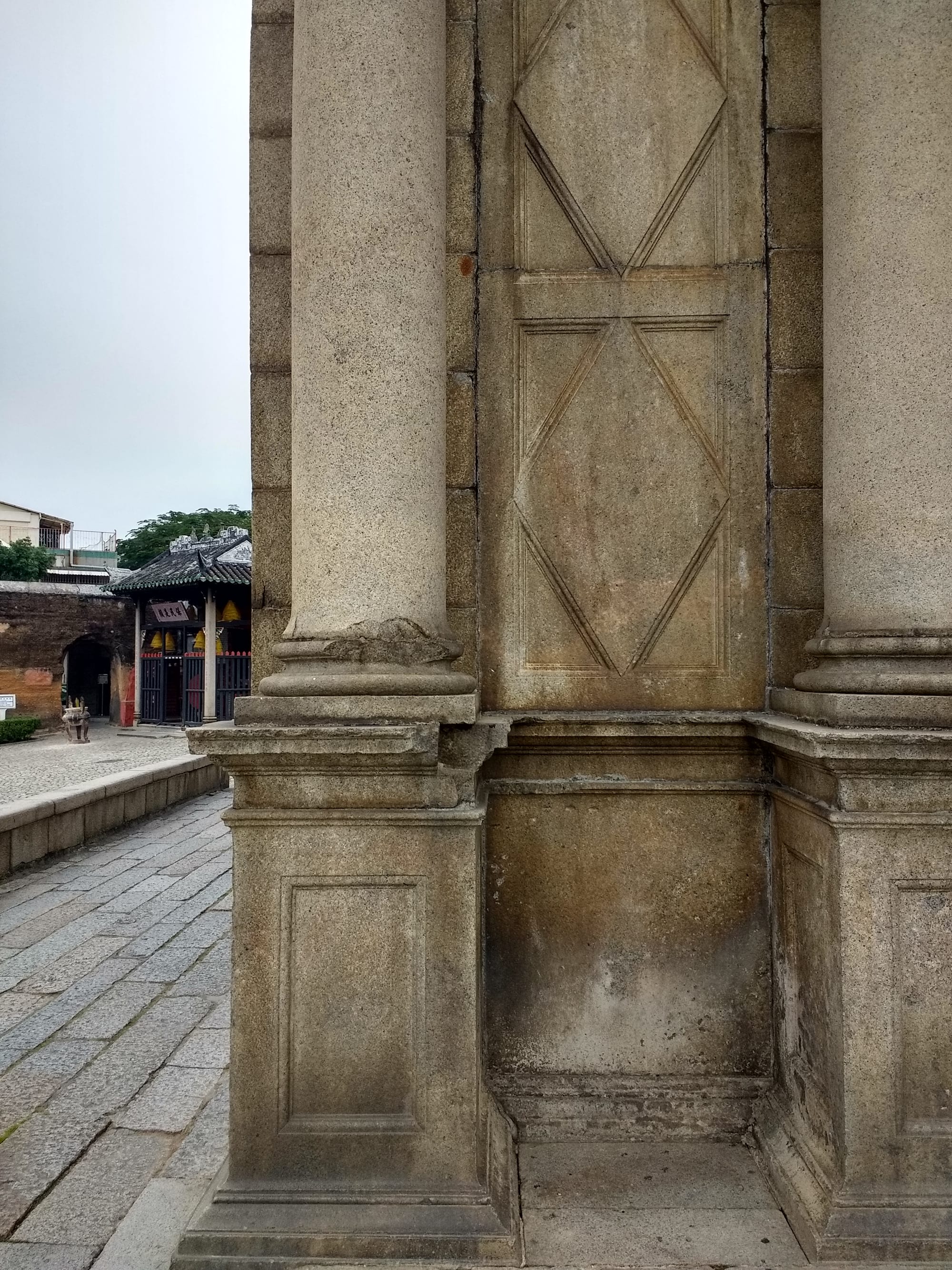
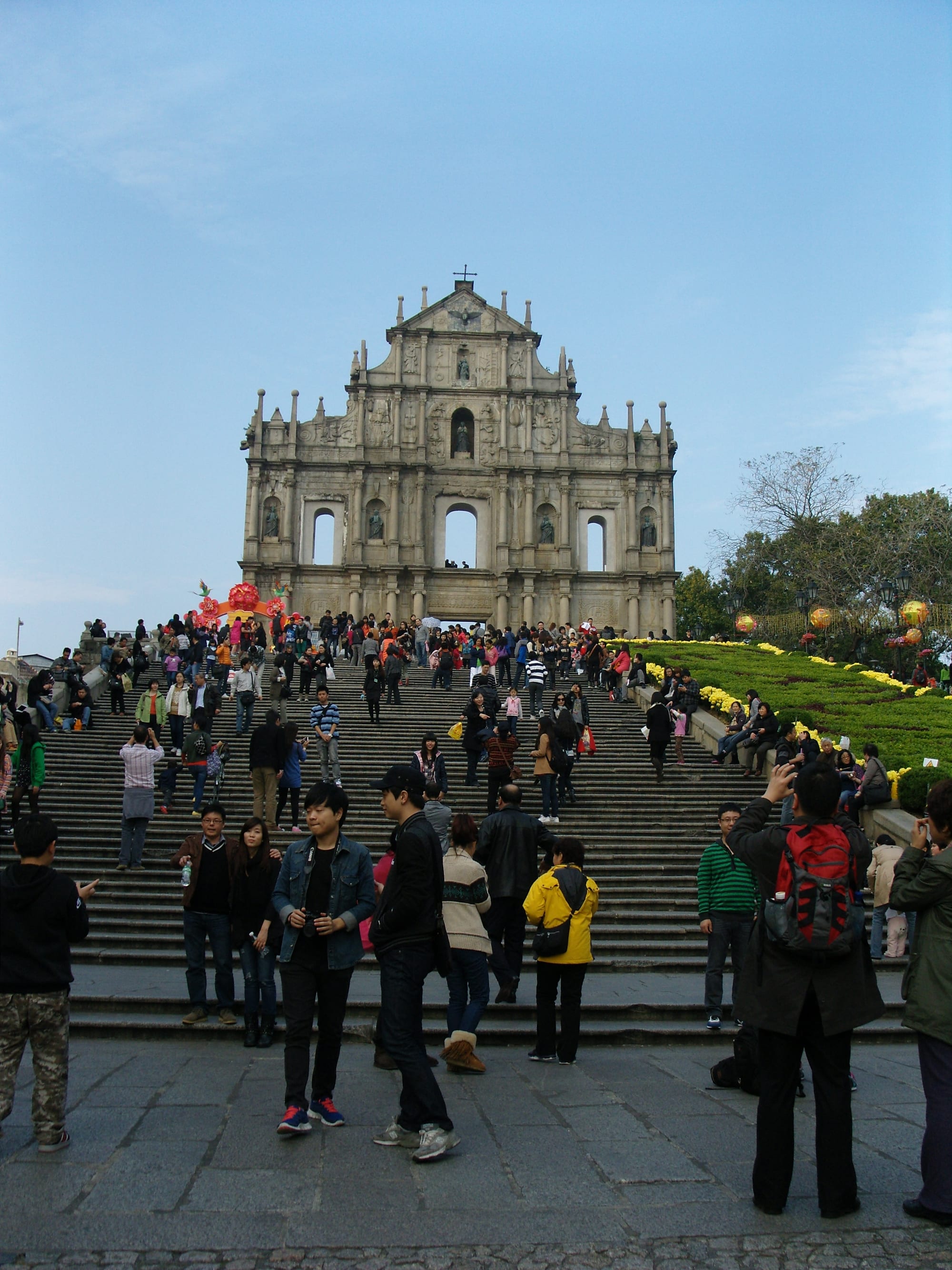
The Ruins of St Paul's — the carved stone facade of the Church of Mater Dei, destroyed by fire in 1835 and left standing as a monument ever since — is Macau's defining image, its tiers of statues and reliefs blending Catholic iconography with Chinese and Japanese craftsmanship (built partly by exiled Japanese Christians). A small museum and crypt sit behind it. It anchors Macau's UNESCO-listed historic centre.
The steps up to it are always busy; visit early or in the evening for a quieter look.
2. Senado Square and the historic centre
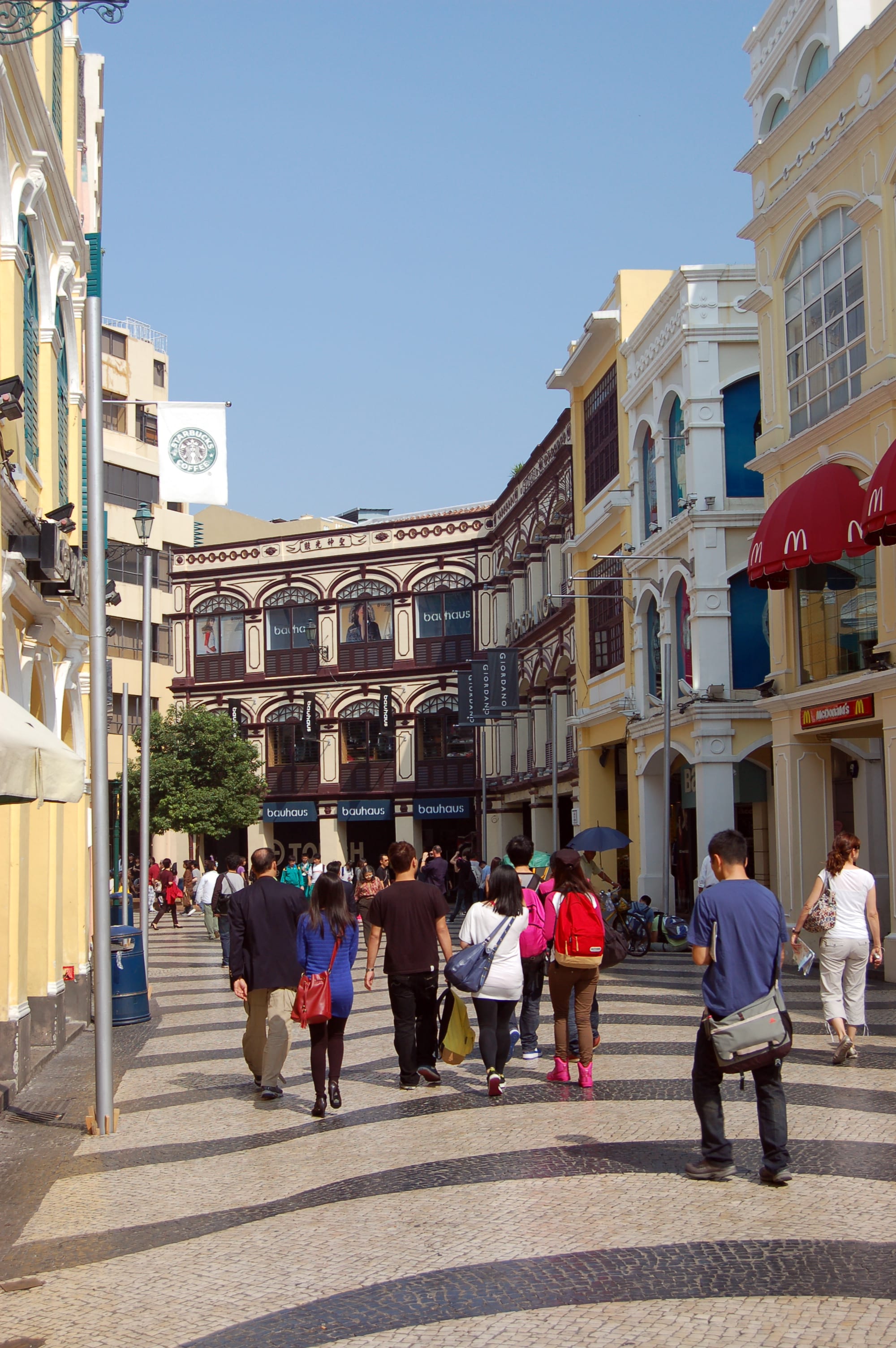
Senado Square, its ground laid in a wave-pattern Portuguese mosaic, is the civic heart of old Macau, ringed by pastel-coloured colonial buildings, the baroque St Dominic's Church, and the old Leal Senado council building. Narrow lanes lead off it through the wider UNESCO Historic Centre of Macao — some 25 sites blending Portuguese and Chinese architecture across the old town.
Macanese food — a fusion cuisine of Portuguese, Chinese, and other colonial influences — is best sampled in the streets around here.
3. The A-Ma Temple
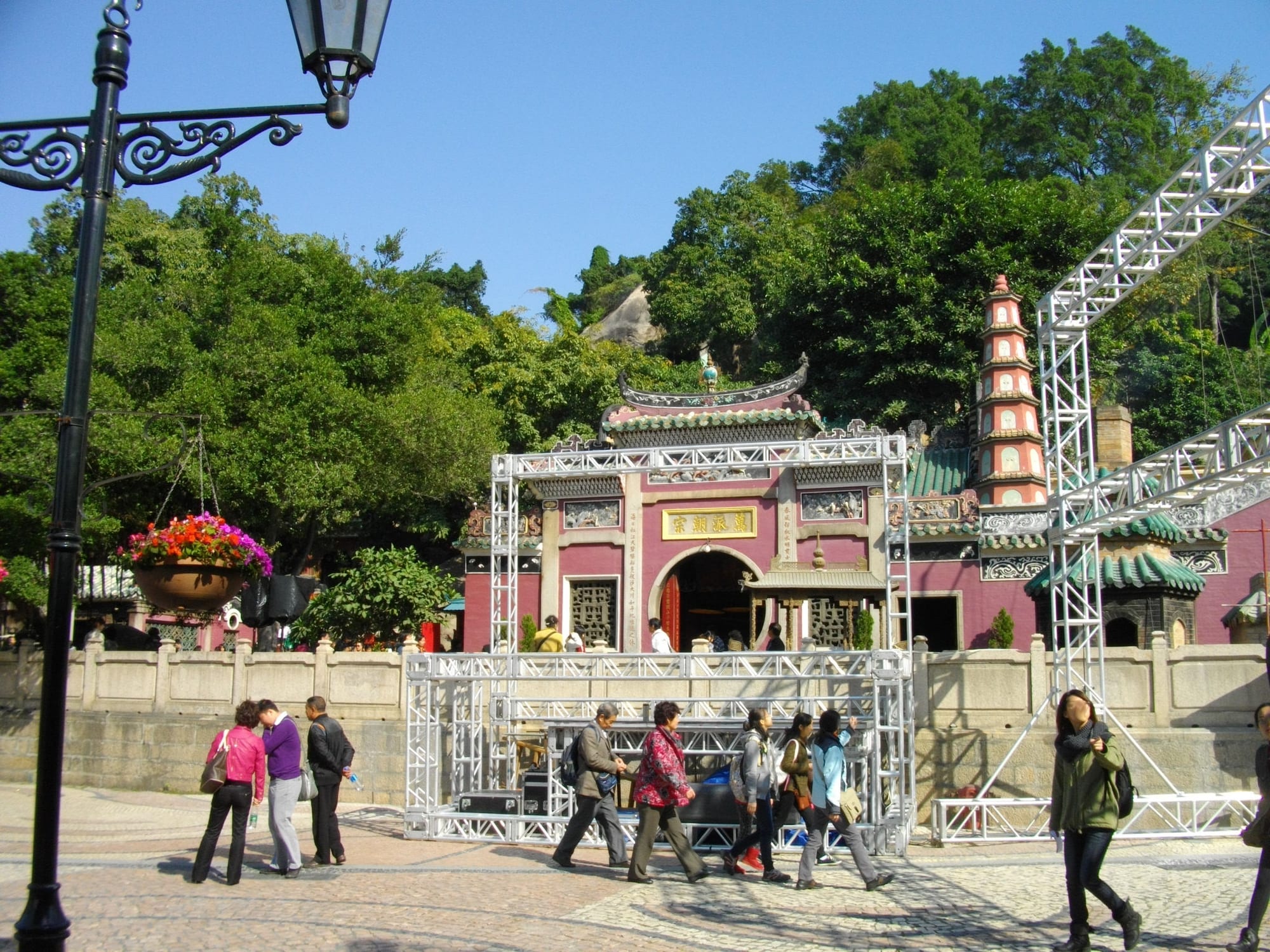
The A-Ma Temple, at the southwestern tip of the peninsula, predates Portuguese arrival and is dedicated to Mazu (A-Ma), the goddess of seafarers — when Portuguese traders asked locals the name of the place, the answer they got, "A-Ma-Gau" (Bay of A-Ma), became "Macau". Its terraced pavilions climb a rocky hillside thick with incense smoke, one of the oldest and most atmospheric temples in the territory.
It sits right by the old Inner Harbour, near the Maritime Museum.
4. Guia Fortress
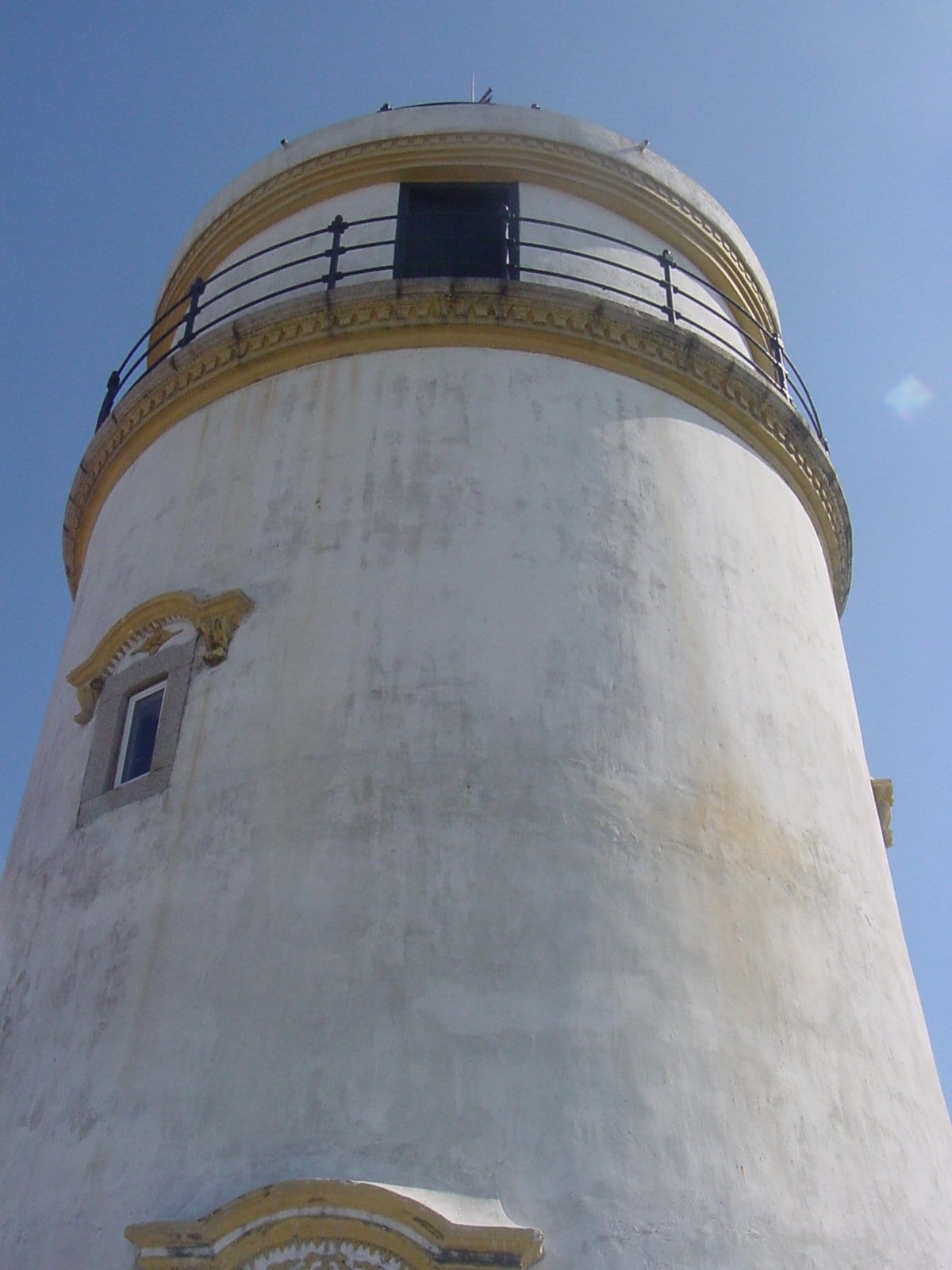
Guia Fortress, on the peninsula's highest hill, holds the oldest Western-style lighthouse on the China coast (1865, still working) and a small chapel with faded frescoes mixing Chinese and Western motifs. A cable car climbs the hill from the park below, and the fort's ramparts give a sweeping view over the old town, the harbour, and, on a clear day, across to Hong Kong.
It is part of the UNESCO-listed historic centre and an easy half-day with the park at its base.
5. The Cotai Strip
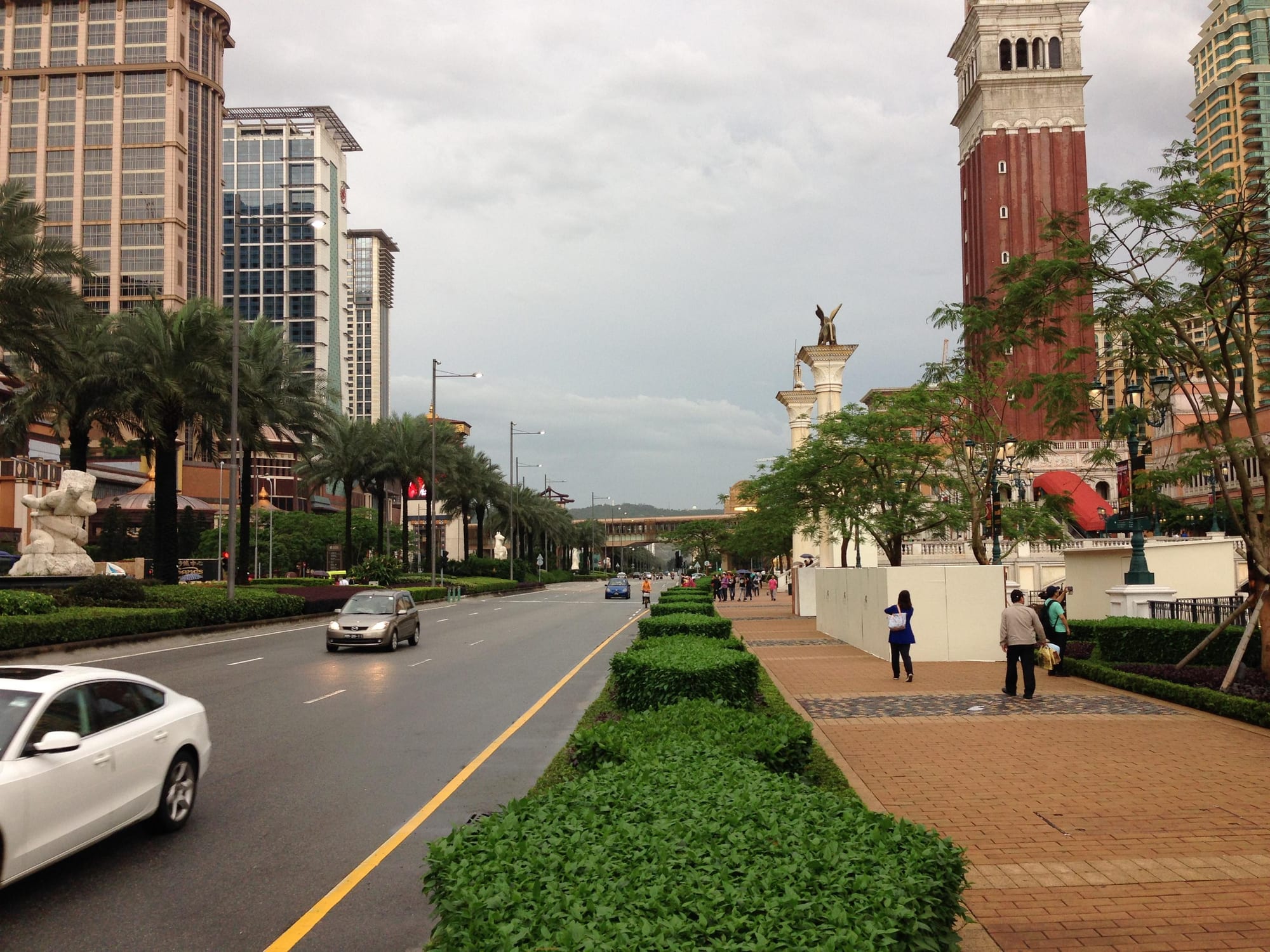
South of the old town, on land reclaimed between the former islands of Taipa and Coloane, the Cotai Strip is a cluster of enormous casino resorts — replicas of Venice's canals (complete with singing gondoliers) at the Venetian, a Paris half-scale Eiffel Tower, and towers by nearly every major international operator — that together generate several times the gambling revenue of Las Vegas. Even non-gamblers come for the architecture, shows, and shopping.
It is connected to the peninsula by bridges and a light rail line.
6. Macau Tower
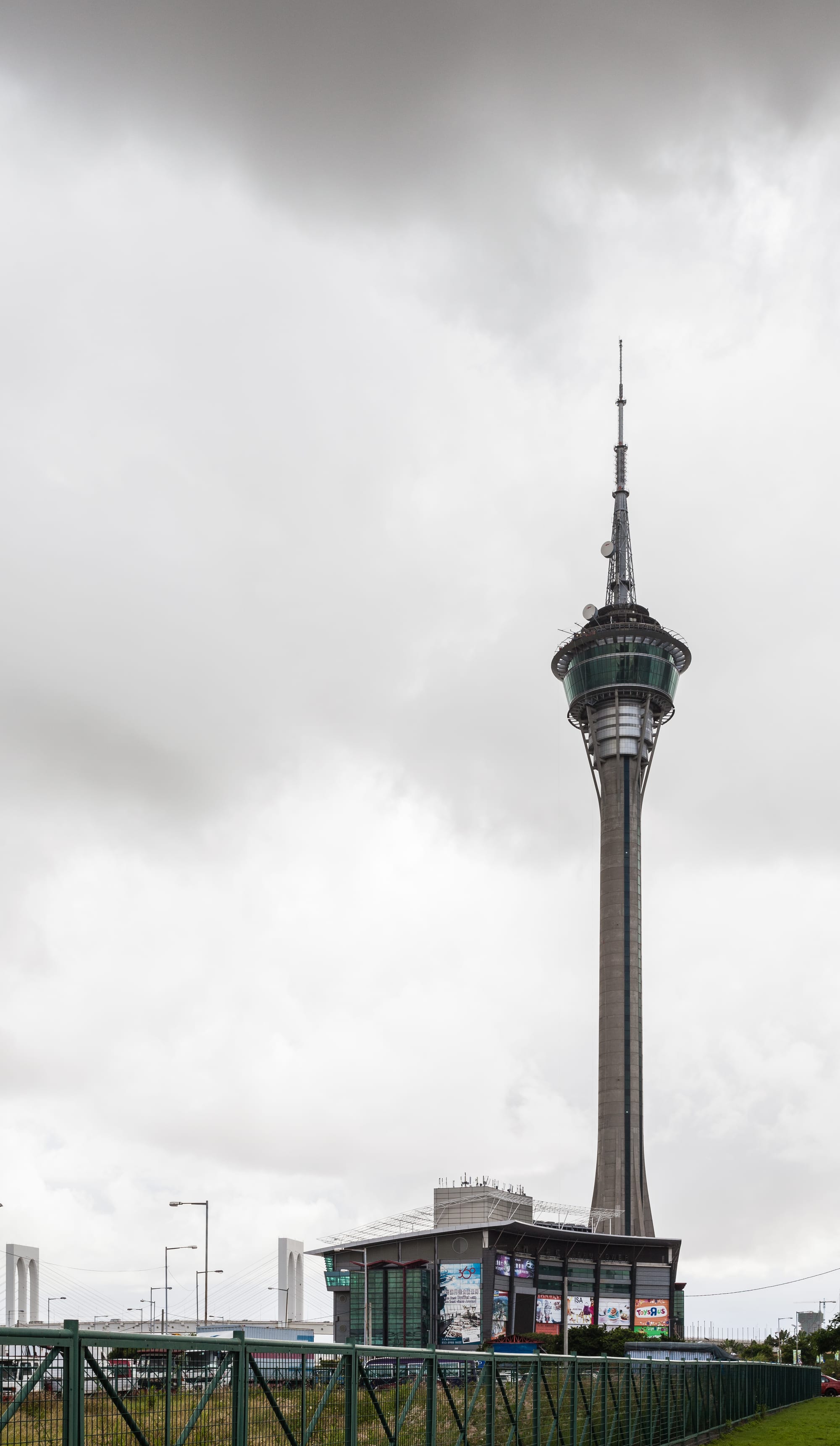
Macau Tower, at 338 metres, has an observation deck with a glass floor and a revolving restaurant, but is best known for its extreme activities: the "Skywalk" lets you walk around the rim's outer edge unharnessed but tethered, and the 233-metre bungee jump from its mast is certified as the highest commercial bungee jump in the world.
Bookings for the jump and skywalk are recommended in advance.
7. Coloane village
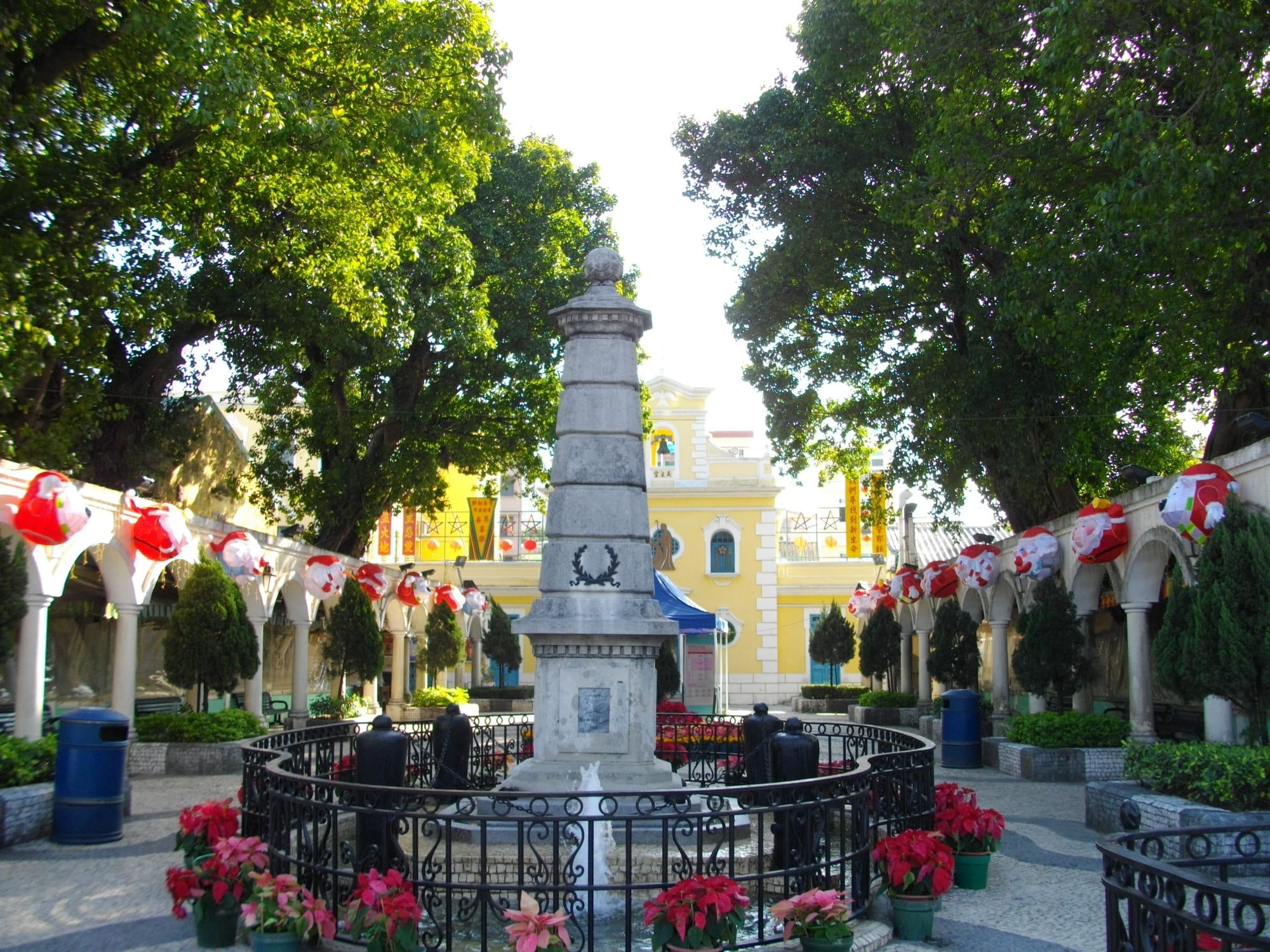
Coloane, once a separate island and Macau's last stronghold of pirates in the 19th century, is now joined to the mainland by land reclamation but keeps a sleepy village character utterly unlike the Cotai Strip nearby — pastel buildings, the small chapel of St Francis Xavier, seafood restaurants, a famous egg-tart bakery, and walking trails through the territory's remaining forest and hills.
It is a calm counterpoint after the casinos, a short bus ride away.
Macau is a compact, easy add-on to a Hong Kong trip — a one-hour ferry connects the two. A day covers the historic centre; two or three lets you add Cotai and Coloane at an unhurried pace.