History · Luxembourg
Luxembourg: The Fortress That Became a Crossroads
A castle on a rock in 963 that grew into a county, a European dynasty, one of the strongest fortresses on the continent — halved in 1839, occupied in both world wars, and now a financial and EU capital
By Worldlore Editorial · 19 September 2026
A small country at the meeting point
Luxembourg is a small landlocked country between Belgium, Germany and France, with about 670,000 people — nearly half of them foreign nationals — plus some 200,000 who commute in each day across the borders. It is trilingual, in Luxembourgish, French and German, and it is one of the richest countries in the world, a global centre for investment funds and a seat of European Union institutions. It is also the world's only remaining sovereign grand duchy, and its history begins, quite literally, with a castle.
A short history
- 963
Siegfried's castle
Count Siegfried builds a fort on the Bock rock.
- 14th–15th centuries
The House of Luxembourg
Four Holy Roman emperors from the dynasty.
- 1443
Burgundy, then Habsburg
The duchy passes by inheritance.
- 16th–19th centuries
The fortress
The "Gibraltar of the North", fought over for 300 years.
- 1815
The Grand Duchy
Created at the Congress of Vienna, in union with the Netherlands.
- 1839
Partition
The French-speaking west is ceded to Belgium.
- 1867
Neutrality
The Treaty of London guarantees Luxembourg; the fortress is dismantled.
- 1890
Its own dynasty
Luxembourg separates fully from the Netherlands.
- 1940–1944
Nazi occupation
Neutral Luxembourg is annexed and Germanised.
- 1951 onward
A European capital
Founding member of the ECSC, EEC and euro.
From castle to dynasty
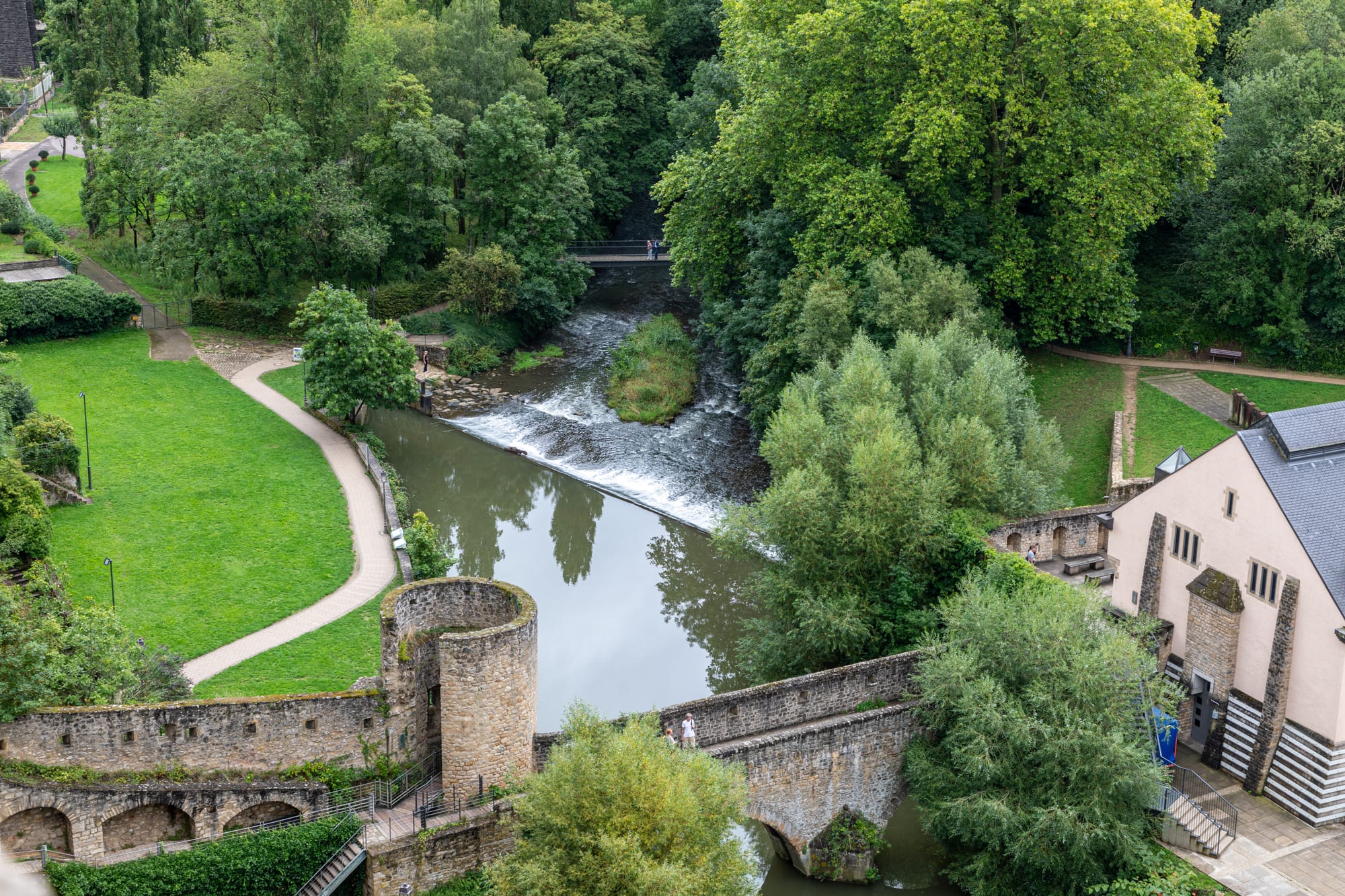
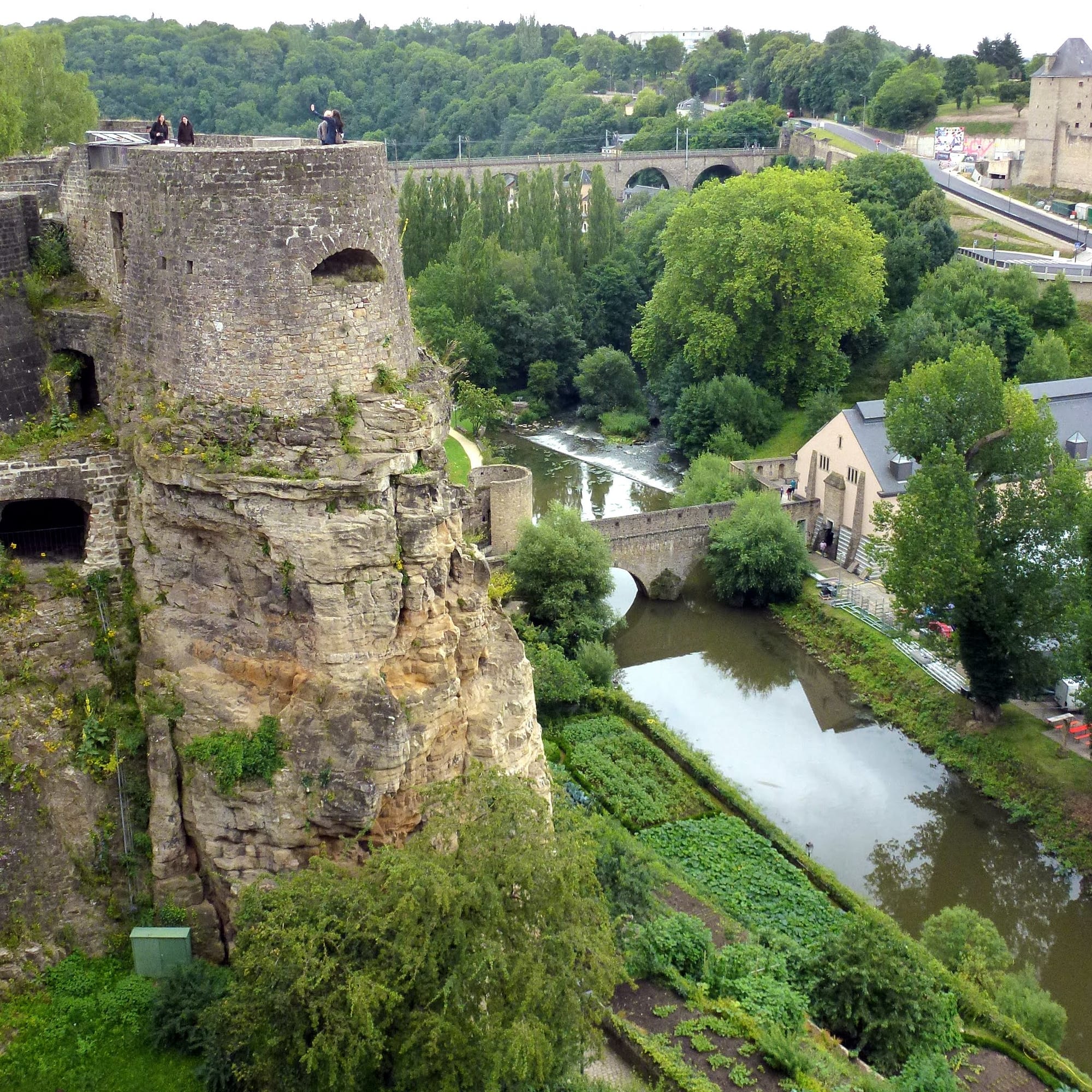
In 963 Count Siegfried of the Ardennes acquired a rocky spur above the Alzette with a ruined fort called Lucilinburhuc — "little castle" — and built there. The town and county grew out of it. In the 14th and 15th centuries the House of Luxembourg was briefly a first-rank European family, producing four Holy Roman emperors and kings of Bohemia and Hungary — though they ruled from Prague, not Luxembourg. The duchy then passed by marriage to Burgundy and the Habsburgs, and for the next three centuries its capital was one of the most fortified places in Europe, strengthened in turn by Spanish, French, Austrian and German engineers.
Partition and independence
The Congress of Vienna in 1815 made Luxembourg a Grand Duchy in personal union with the King of the Netherlands, while also placing it in the German Confederation with a Prussian garrison in the fortress. When Belgium broke away from the Netherlands in 1830, most Luxembourgers sympathised, and in 1839 the French-speaking western half of the Grand Duchy was ceded to Belgium — halving the country.
In 1867, after France tried to buy Luxembourg from the Dutch king and Prussia objected, the Treaty of London defused a near-war: it guaranteed Luxembourg's perpetual neutrality, and required the Prussians to leave and the fortress to be demolished — a 16-year job whose cleared ramparts became the city's parks. In 1890 the Dutch king died without a male heir eligible for Luxembourg, and the Grand Duchy passed to its own branch of the House of Nassau, becoming fully independent.
Steel, and the world wars
From the 1870s, iron ore in the south made Luxembourg a major steel producer; the company ARBED became one of the world's largest steelmakers, and steel dominated the economy for a century, drawing Italian and Portuguese immigrants.
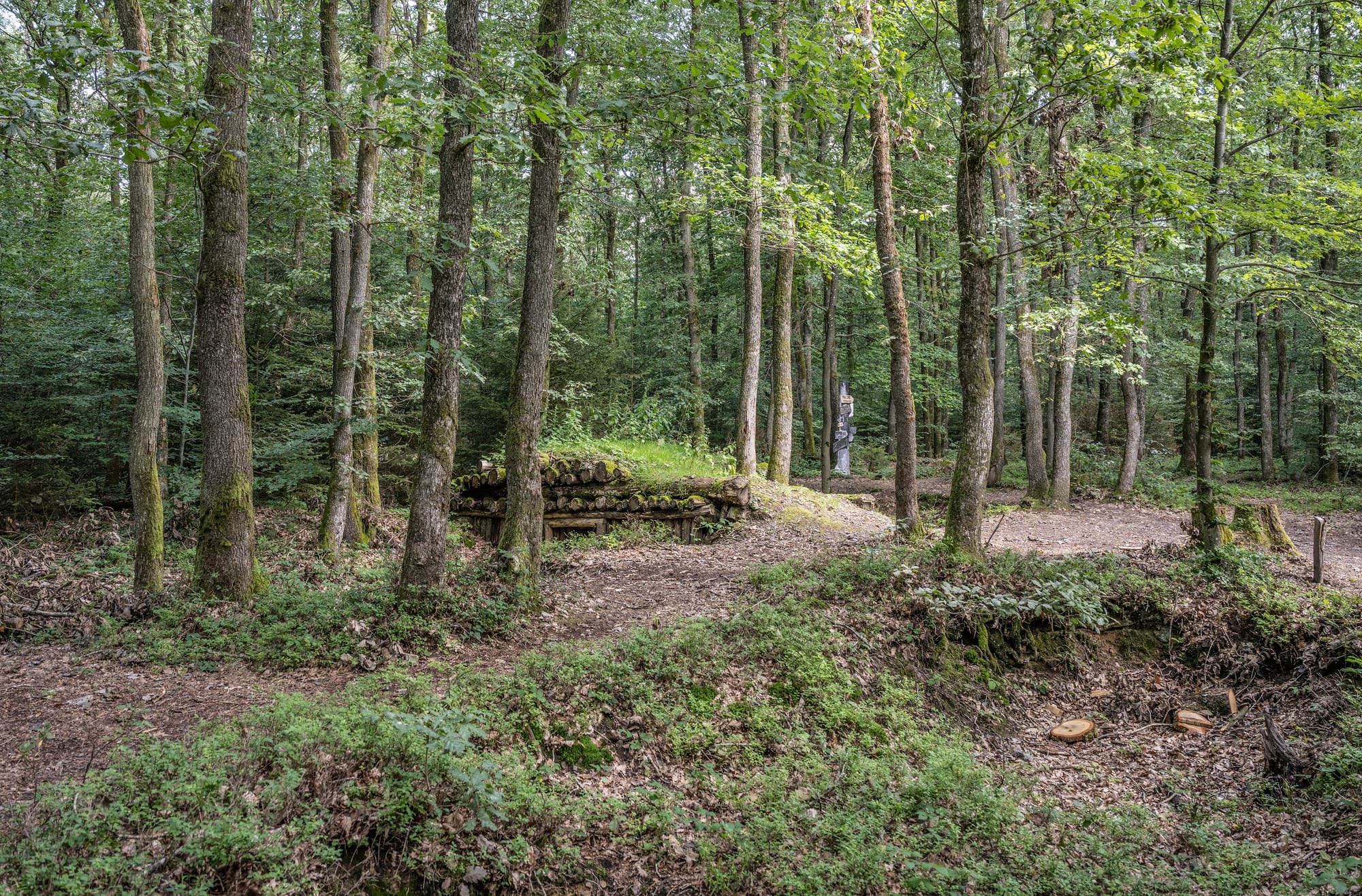
Neutrality did not protect Luxembourg. Germany occupied it in both 1914 and 1940. In the Second World War the Nazis annexed it outright, conscripted Luxembourgers into the Wehrmacht, and banned French; a 1942 general strike in protest was crushed, and the Jewish community was deported. Liberated in September 1944, Luxembourg was partly overrun again during the Battle of the Bulge that winter, which devastated the north.
A European crossroads
Luxembourg was a founding member of the Benelux union, NATO, and the European Coal and Steel Community in 1951 — whose High Authority sat in Luxembourg City, one reason the country is counted among the "cradles of Europe" alongside Brussels. It hosts the European Court of Justice, the European Investment Bank and other bodies.
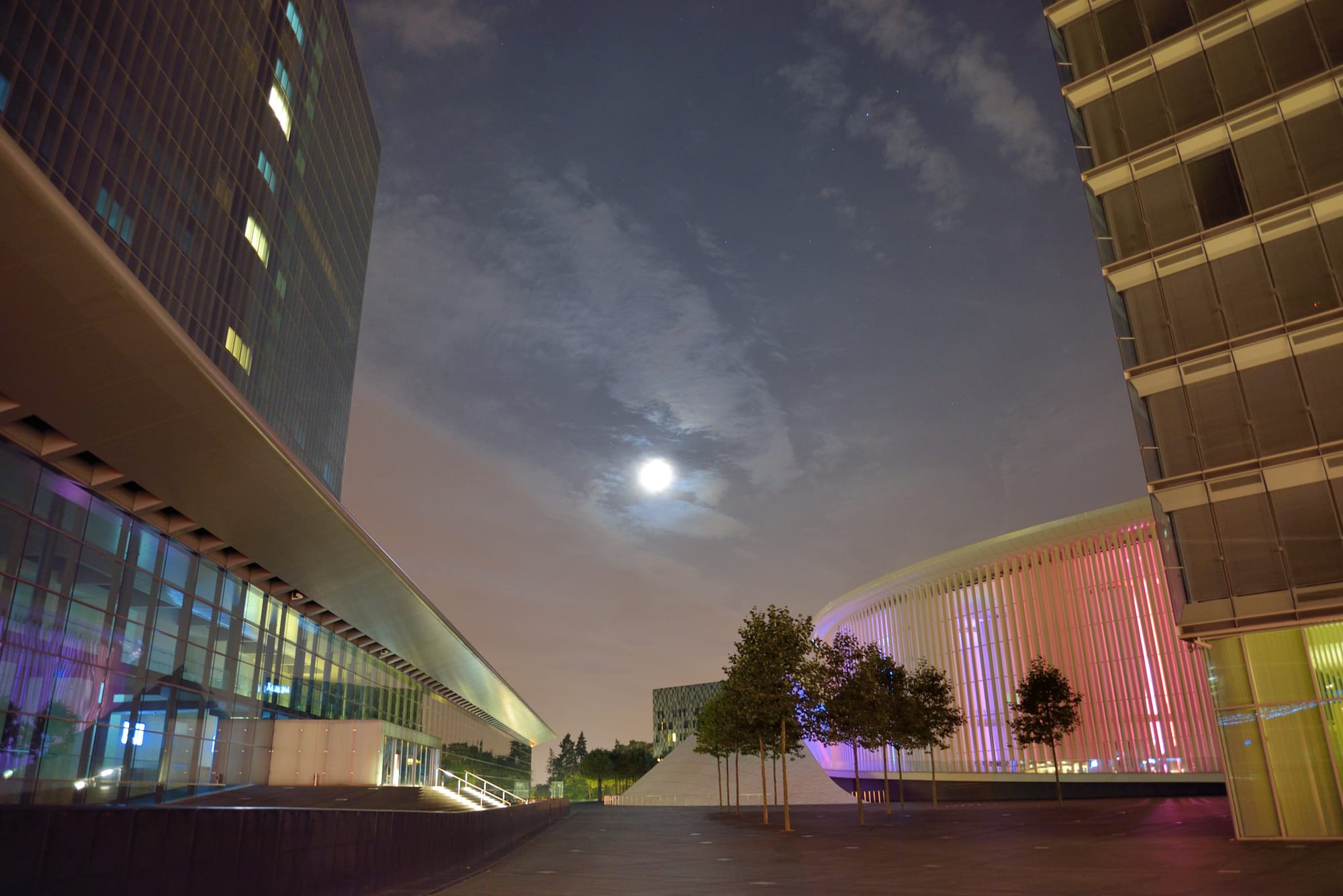
As steel shrank from the 1970s, Luxembourg built a finance industry that made it the world's second-largest fund domicile — and, until international pressure forced reform in the 2010s, a low-tax, discreet jurisdiction criticised for sweetheart corporate deals. It also runs satellite and broadcasting businesses, and in 2020 became the first country with entirely free public transport.
What Luxembourg carries
Luxembourg's history is the story of a strategic rock: valued and fortified by every power around it, fought over, partitioned, occupied, and finally neutralised. The modern country turned that in-between position into an asset — small, stable, multilingual, and central to a continent that its territory once helped divide.