Attractions & Natural Wonders · Luxembourg
Luxembourg: Seven Attractions and Natural Wonders
A fortified capital cut by deep river gorges, 17 kilometres of tunnels honeycombed through the rock beneath it, a fairy-tale castle above the Our river, and a sandstone forest known as 'Little Switzerland'
By Worldlore Editorial · 19 September 2026
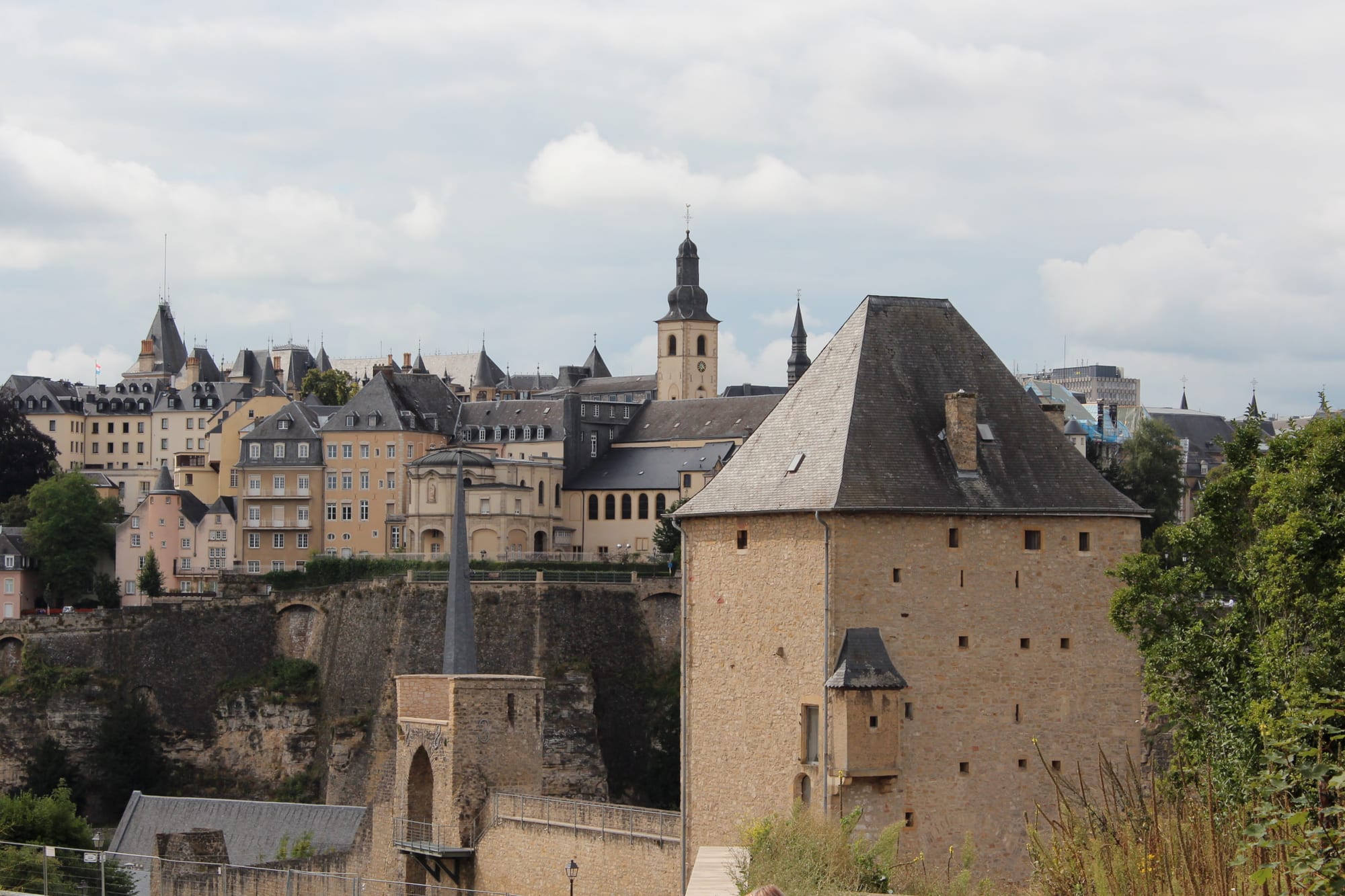
Europe's fortress in miniature
Luxembourg, one of Europe's smallest countries, sits between Belgium, France, and Germany with about 660,000 people — plus a huge daily influx of cross-border workers, since it is also one of the world's wealthiest countries and a hub for EU institutions and banking. Its capital was known for centuries as the "Gibraltar of the North" for its once-impregnable fortifications, cut through by dramatic river gorges. Away from the city, the north ("Éislek") is hilly and forested and the east has sandstone canyon country.
The seven below can be covered in two or three days. Late spring through early autumn is best for the Mullerthal hiking and the castle towns.
1. Luxembourg City's old town and the Grund
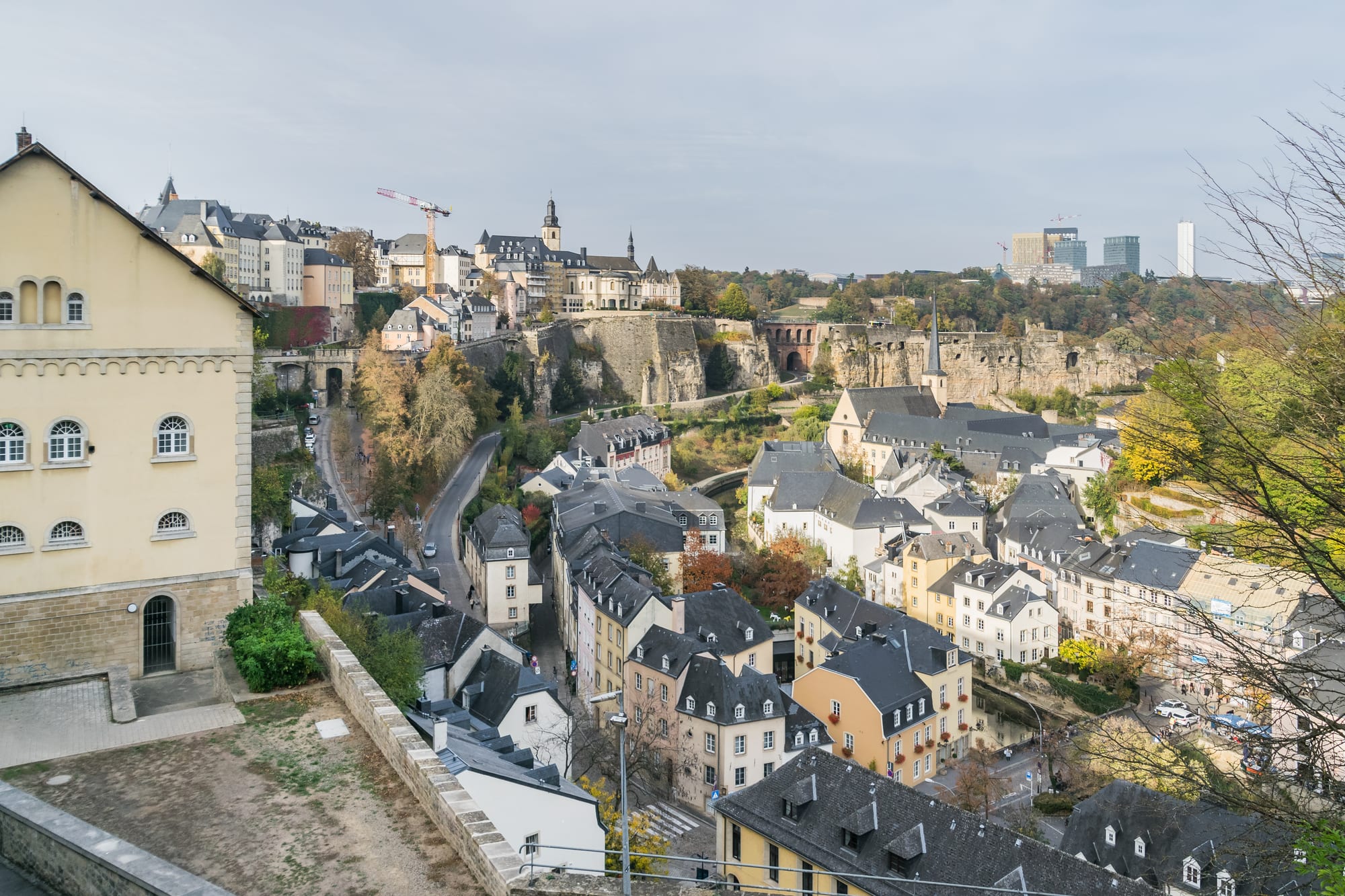
Luxembourg City's old quarters and fortifications, a UNESCO World Heritage Site, occupy a rocky spur riddled with ravines. The upper town (Ville Haute) has the grand ducal palace, government buildings, and pedestrian shopping streets; far below, reached by lift or steep steps, the Grund and Clausen districts along the Alzette river keep their old mills and houses, now filled with bars and restaurants under the fortress walls above.
Walking down into the Grund and back up gives the best sense of the city's dramatic setting.
2. The Bock Casemates
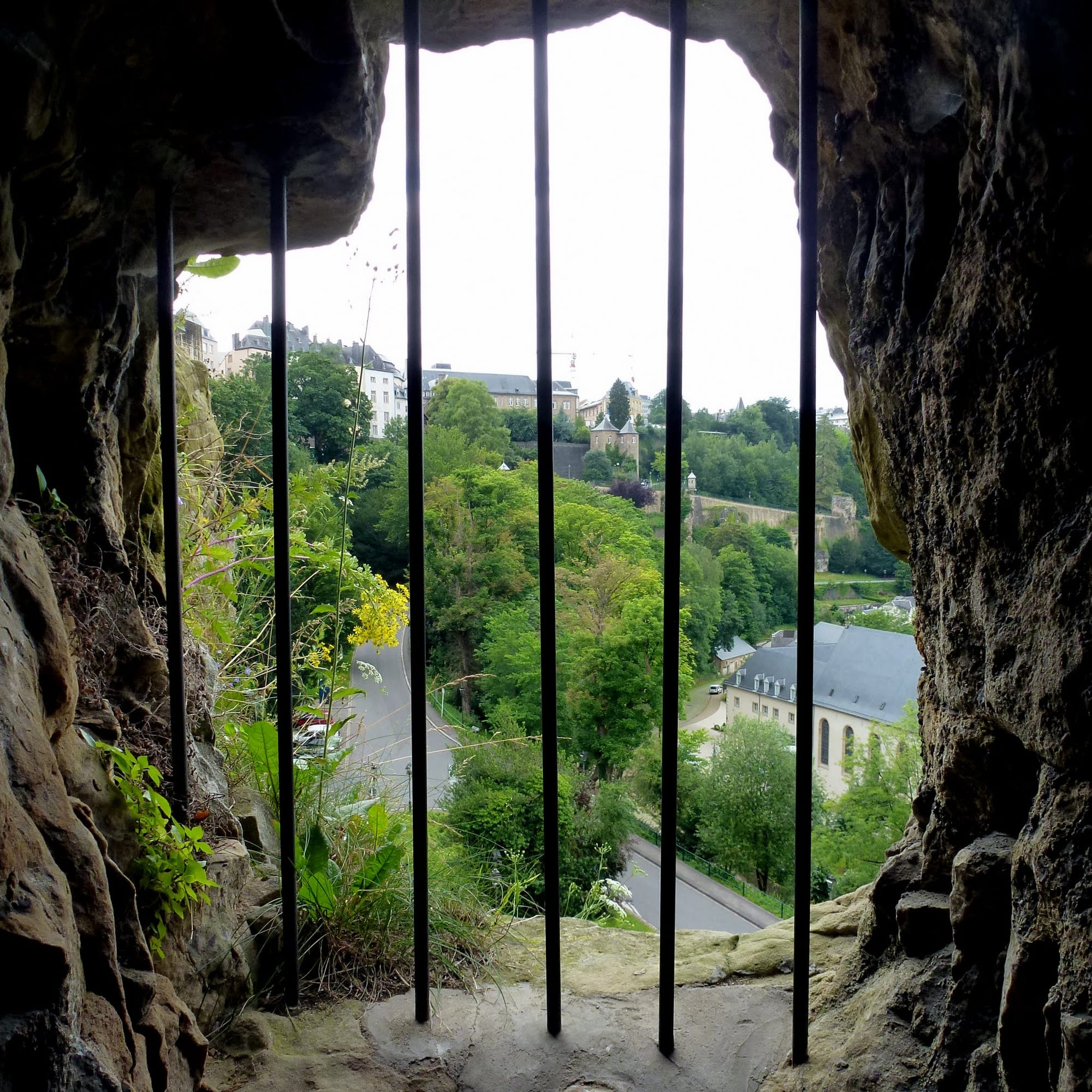
Beneath the old town, the Bock Casemates are a vast network of tunnels — once totalling around 23 kilometres, cut into the sandstone from 1644 by Spanish, then French and Austrian, military engineers to hold cannon, barracks, and workshops able to shelter thousands. A walkable section, part of the UNESCO site, leads through galleries with openings that give sudden views over the Alzette valley.
It is one of the largest underground fortifications open to the public in Europe.
3. The Adolphe Bridge
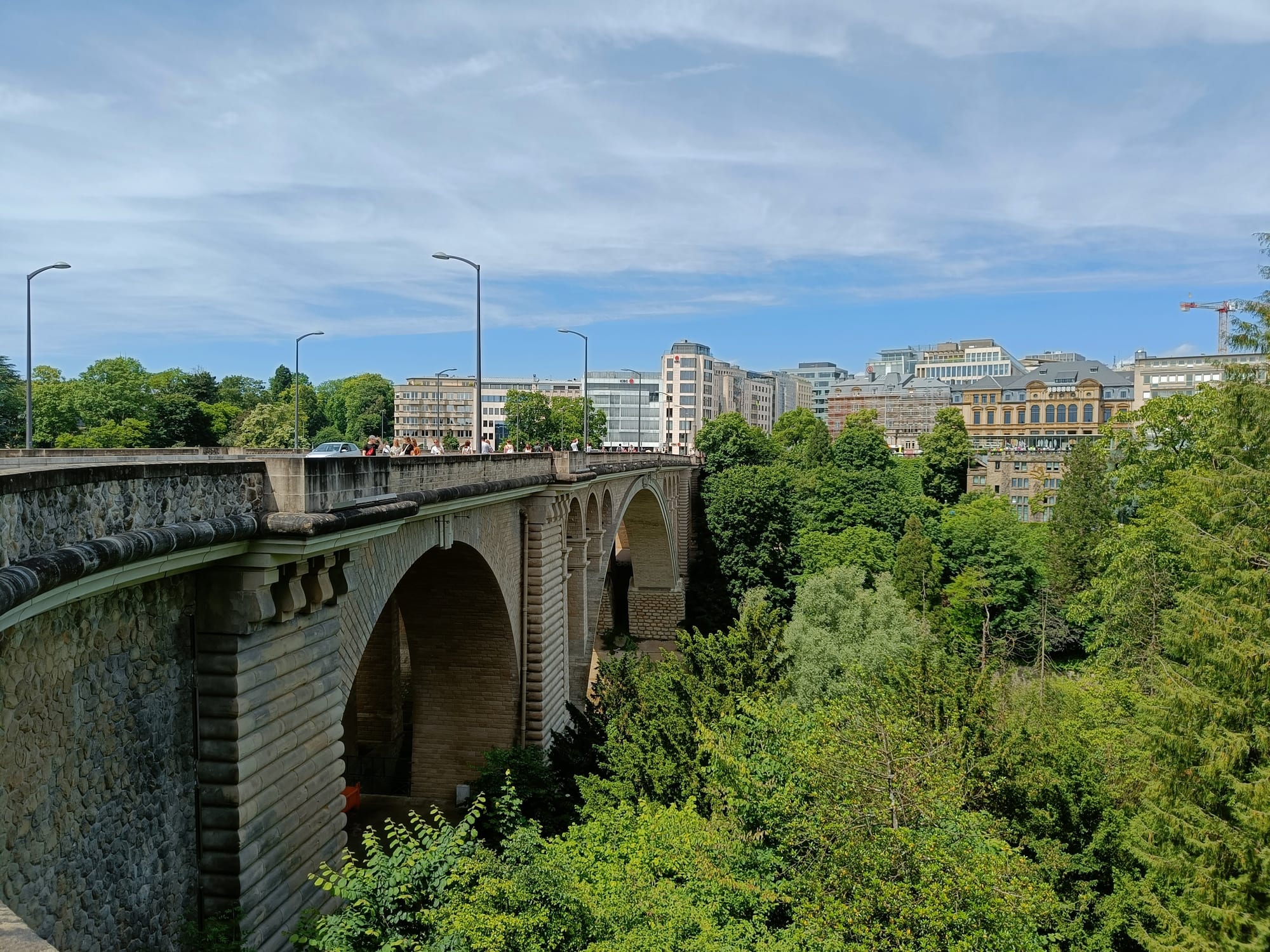
The Adolphe Bridge, completed in 1903 and named for a Grand Duke, was for a time the largest stone arch bridge in the world and remains the country's unofficial emblem, linking the city centre across the deep Pétrusse gorge. The valley below is now a landscaped public park, walkable end to end, with the bridge's single 85-metre arch overhead.
It is a short walk from the railway station and the Ville Haute.
4. Notre-Dame Cathedral
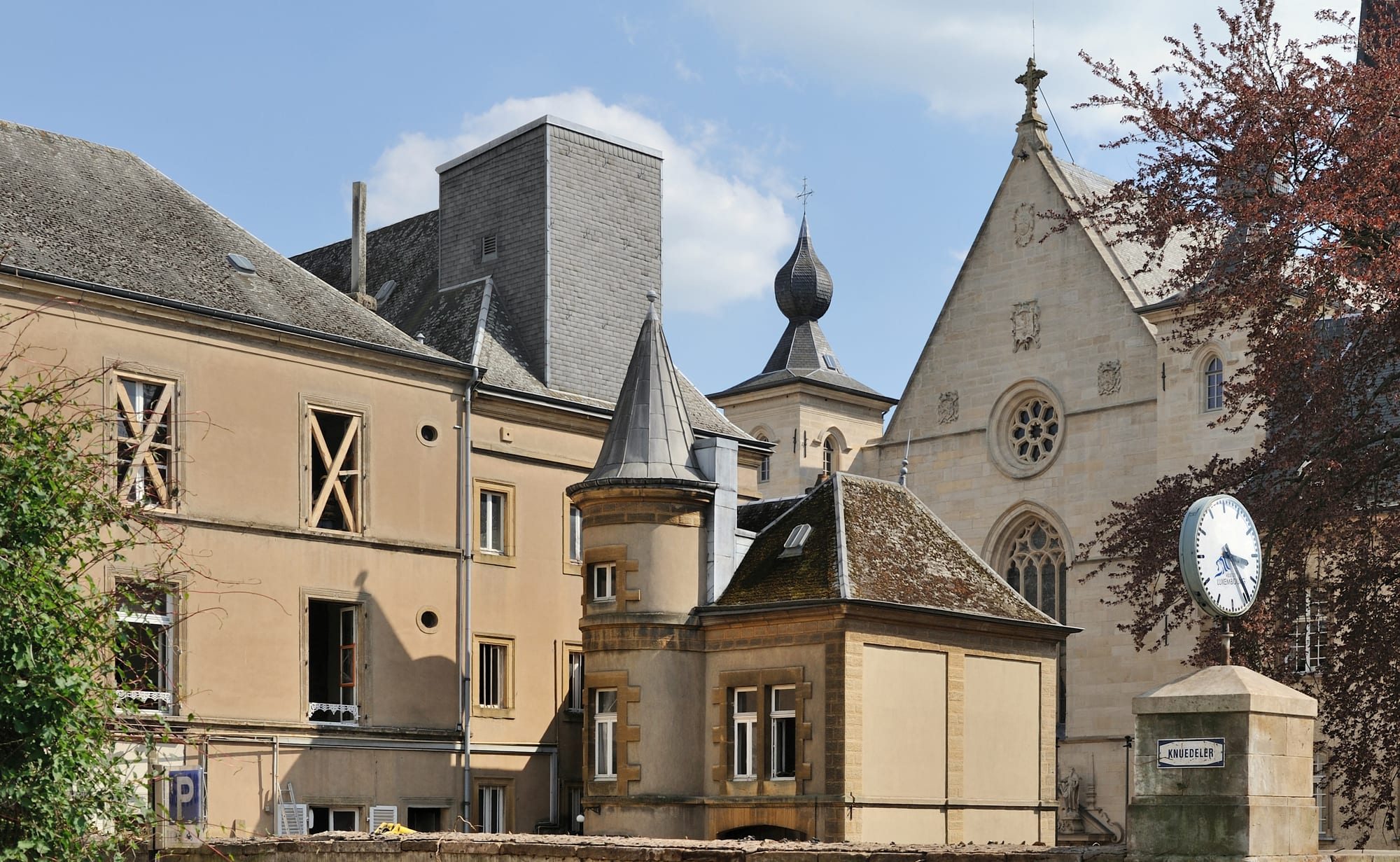
Luxembourg's cathedral, begun in 1613 in a late-Gothic style with early Renaissance touches, holds the crypt and tombs of the Grand Ducal family and the statue of "Our Lady, Comforter of the Afflicted", patroness of the city, carried through the streets each spring during the Octave pilgrimage. Its twin spires are visible from much of the old town.
It sits a short walk from the Ville Haute's main squares and museums.
5. Vianden Castle
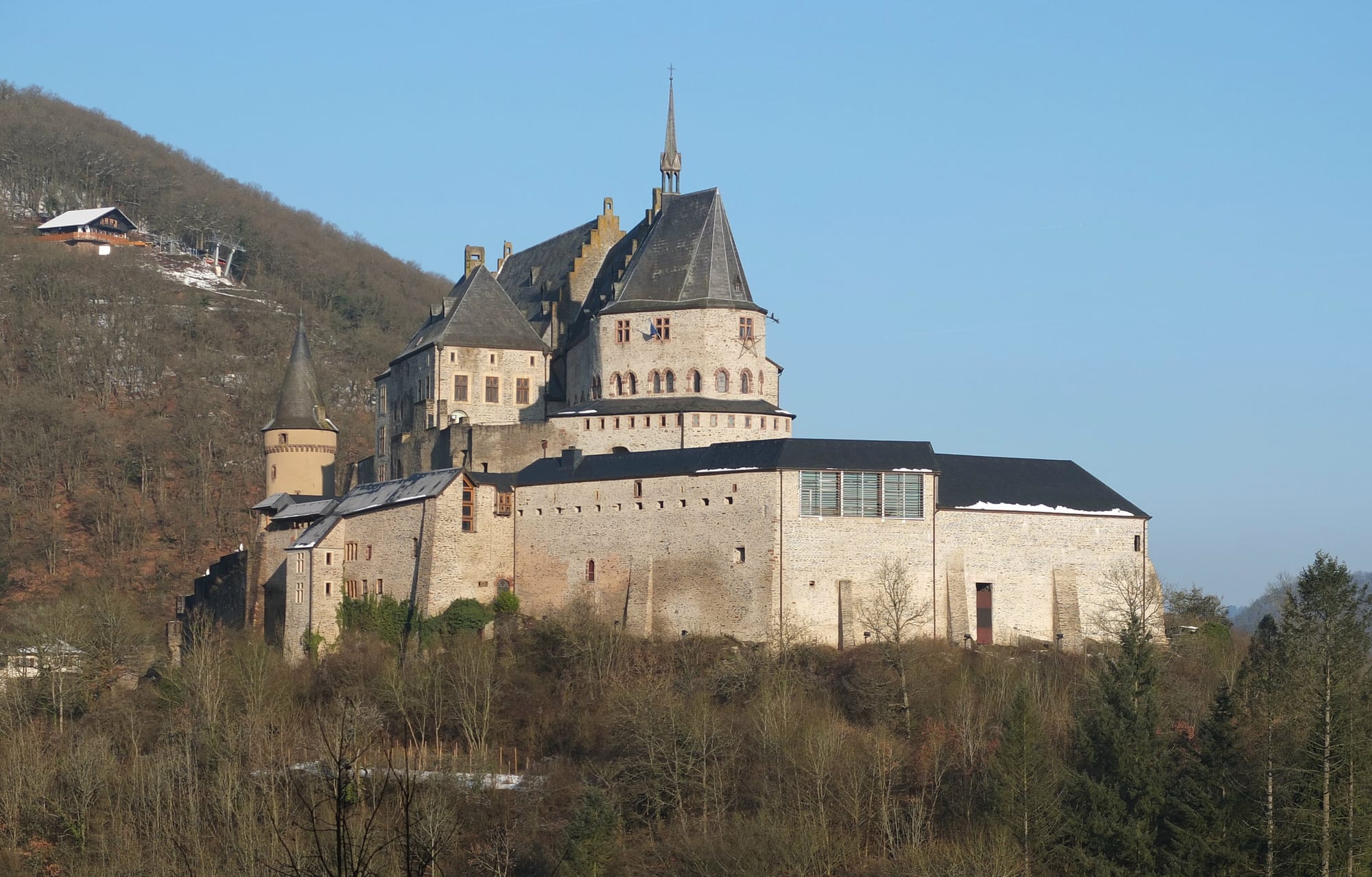
Vianden, in the north near the German border, is dominated by one of the largest and most complete feudal castles in Europe, rebuilt from ruin through the 20th century after the Grand Ducal family restored ownership. A chairlift climbs the opposite hillside for the classic view of the castle over the rooftops. The town was also home in exile to Victor Hugo, whose house is now a small museum.
It is about an hour from the capital, through the wooded Éislek hills.
6. Echternach
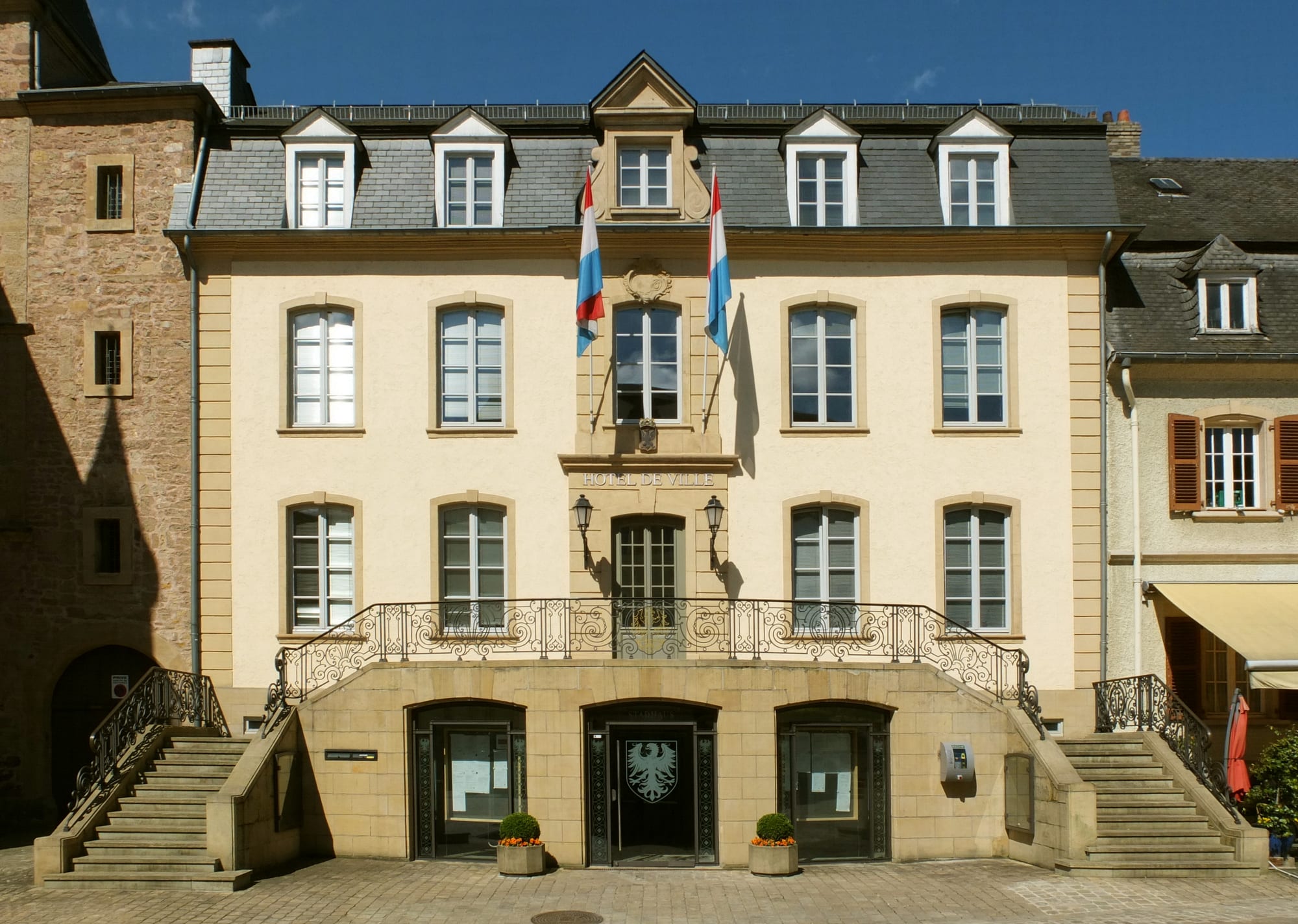
Echternach, on the German border, grew up around a Benedictine abbey founded by the English missionary Saint Willibrord in 698 and is Luxembourg's oldest town. Each Whit Tuesday it hosts a unique UNESCO-listed "dancing procession", where pilgrims hop in step through the streets to the abbey. Its basilica crypt, old town walls, and Roman villa ruins nearby round out a visit.
It is the natural base for exploring the Mullerthal region just to the south.
7. The Mullerthal Trail
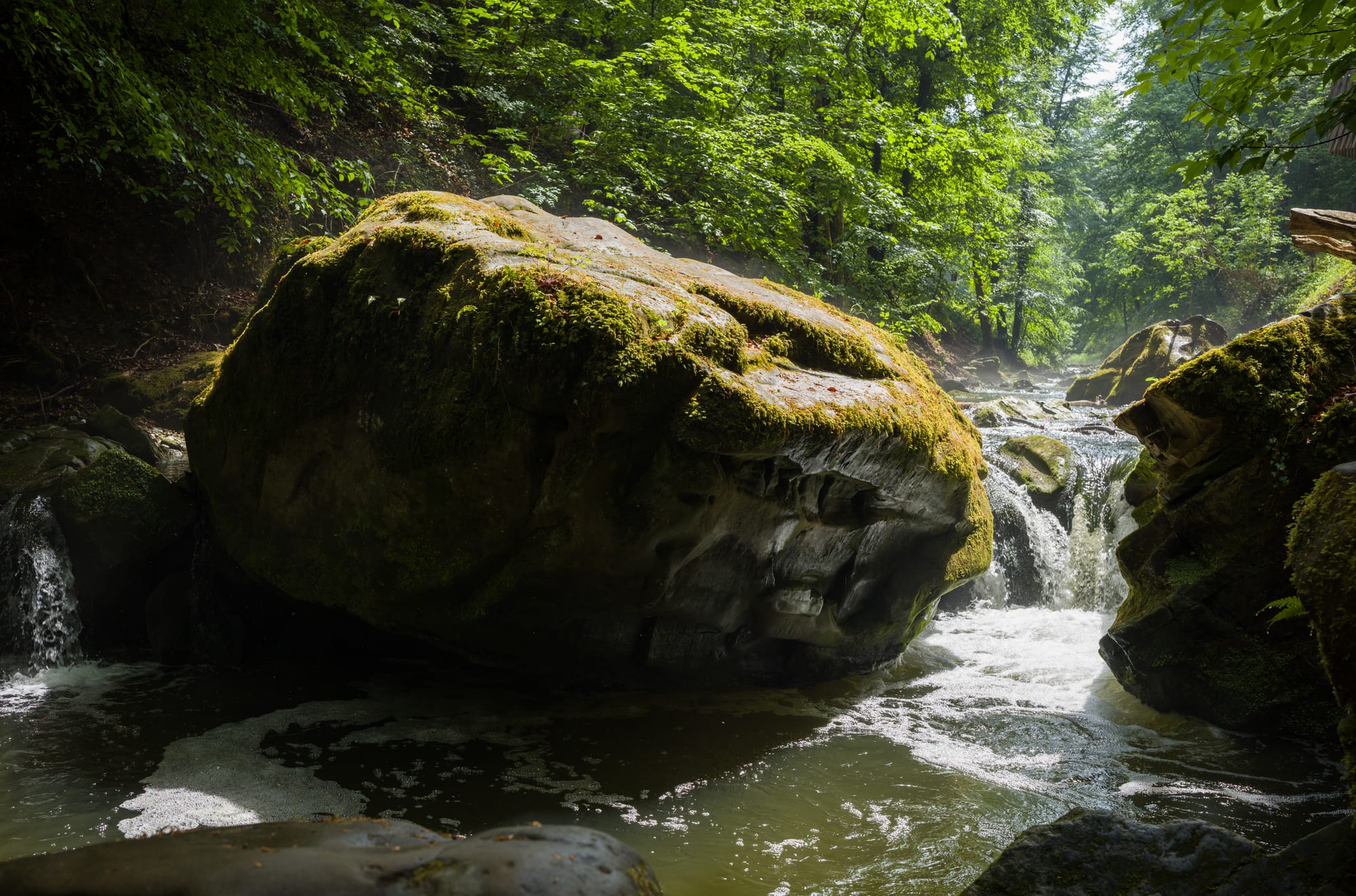
The Mullerthal region, east of the capital, earns its nickname "Little Switzerland" from a landscape of dense beech forest cut by streams into deep, mossy sandstone gorges and rock formations. The 112-kilometre Mullerthal Trail, rated one of Europe's best walking trails, threads through the canyons in three linked loops, passing waterfalls and rock arches without needing any real elevation gain.
Day-hike sections are easily reached from Echternach or Berdorf.
Luxembourg's small size makes a base in the capital practical for the whole country: two or three days covers the city, with easy day trips north to Vianden and east to Echternach and the Mullerthal.