History · Liechtenstein
Liechtenstein: The Principality That Was Bought
Two tiny Alpine fiefs purchased by a wealthy Austrian family to gain a seat in the imperial diet — a sovereign accident of 1806, reoriented to Switzerland after 1918, and now one of the richest places on Earth
By Worldlore Editorial · 10 September 2026
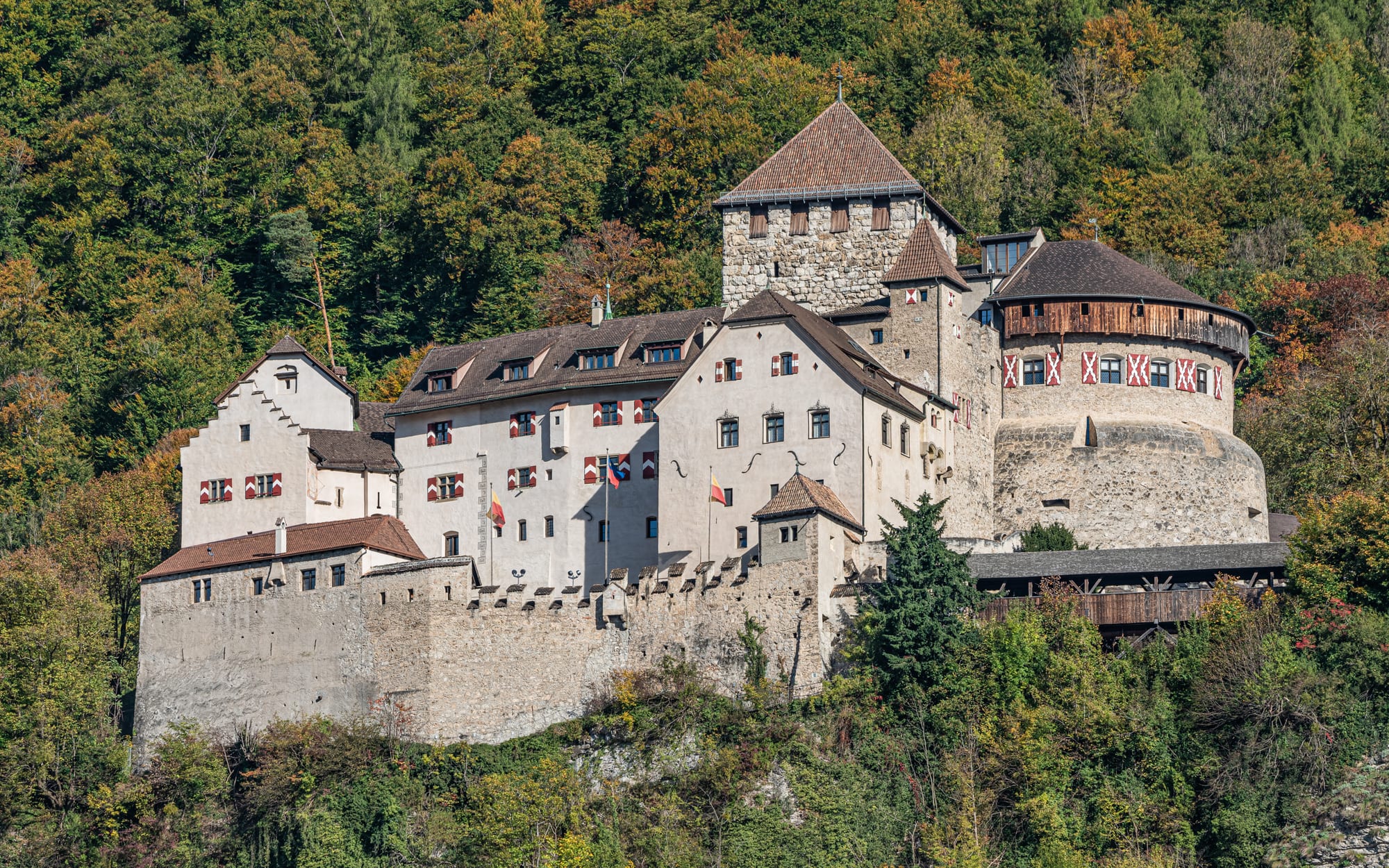
A country created as a technicality
Liechtenstein is a doubly landlocked micro-state — 160 square kilometres in the Alps between Switzerland and Austria, on the upper Rhine, with about 40,000 people. It is one of the richest countries in the world per head, a financial and industrial centre with more registered companies than citizens, and a constitutional monarchy whose prince holds more real power than any other in Europe. And it exists, in the first place, because a rich family needed a piece of land that would qualify it for a seat in the Holy Roman Empire's parliament.
A short history
- 1699 / 1712
The purchases
The Liechtensteins buy Schellenberg, then Vaduz.
- 1719
The principality
Emperor Charles VI unites them as Liechtenstein.
- 1806
Sovereignty
The Holy Roman Empire is dissolved; Liechtenstein becomes independent.
- 1852
Austrian customs union
Ties to the Habsburg Empire deepen.
- 1868
The army abolished
Liechtenstein has had no military since.
- 1920–1924
The Swiss turn
The Swiss franc, then a customs union with Switzerland.
- 1990
The UN
Liechtenstein joins, and the EEA in 1995.
- 2003
The constitution
A referendum expands the prince's powers.
Bought for a seat
The territory was two small Alpine fiefs held directly of the Holy Roman Emperor: the Lordship of Schellenberg and the County of Vaduz. The Princely House of Liechtenstein was an old and very wealthy Austrian and Bohemian noble family, with vast estates — but none held directly of the emperor, which barred it from a vote in the Imperial Diet. So the family bought Schellenberg in 1699 and Vaduz in 1712, purely for the qualification, and in 1719 the emperor merged them into a principality bearing the family's name.
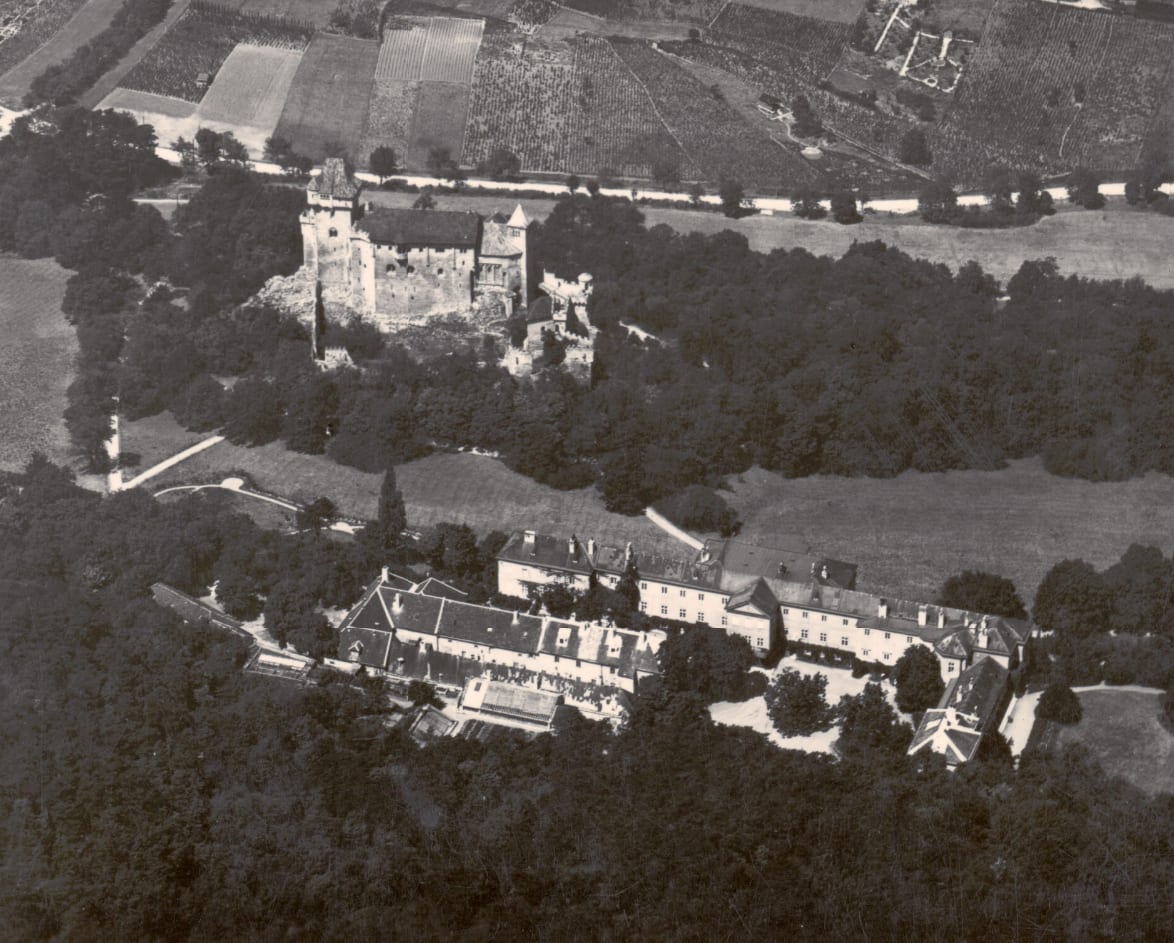
The first reigning prince to enter Liechtenstein did so in 1818; the first to live there arrived only in 1938.
An accidental state
When Napoleon dissolved the Holy Roman Empire in 1806, Liechtenstein was left a sovereign state — a member of his Confederation of the Rhine, then of the German Confederation. It stayed closely tied to Austria, with a customs union from 1852 and its small army linked to the Habsburg military. That army marched out for the 1866 war and, by legend, came back with one more man than it left with, having befriended an Austrian along the way. Liechtenstein abolished it in 1868 and has never had one since.
The Swiss turn
The collapse of Austria-Hungary in 1918 wrecked Liechtenstein's economy and its Austrian orientation, and it reoriented decisively to Switzerland: adopting the Swiss franc in 1920 and entering a customs and monetary union with Switzerland in 1924 that still holds. Liechtenstein stayed neutral through both world wars, surrounded by Nazi Germany from 1938 but not invaded, and a local Nazi putsch attempt in 1939 failed. After 1945, Czechoslovakia and Poland seized the Liechtenstein family's large Bohemian and Moravian estates as "German" property — a loss the family still contests.
From haven to wealth manager
From the 1920s, Liechtenstein pioneered flexible, opaque corporate structures and, with bank secrecy and near-zero taxes, became a home for foreign holding companies and hidden fortunes. Real prosperity arrived from the 1960s, and the country industrialised too, with firms like Hilti. It joined the UN only in 1990 and the European single market, through the EEA, in 1995. After a 2008 scandal exposed foreign tax evaders and years of international pressure, Liechtenstein largely dismantled bank secrecy and signed information-exchange agreements, repositioning as a regulated wealth-management centre.
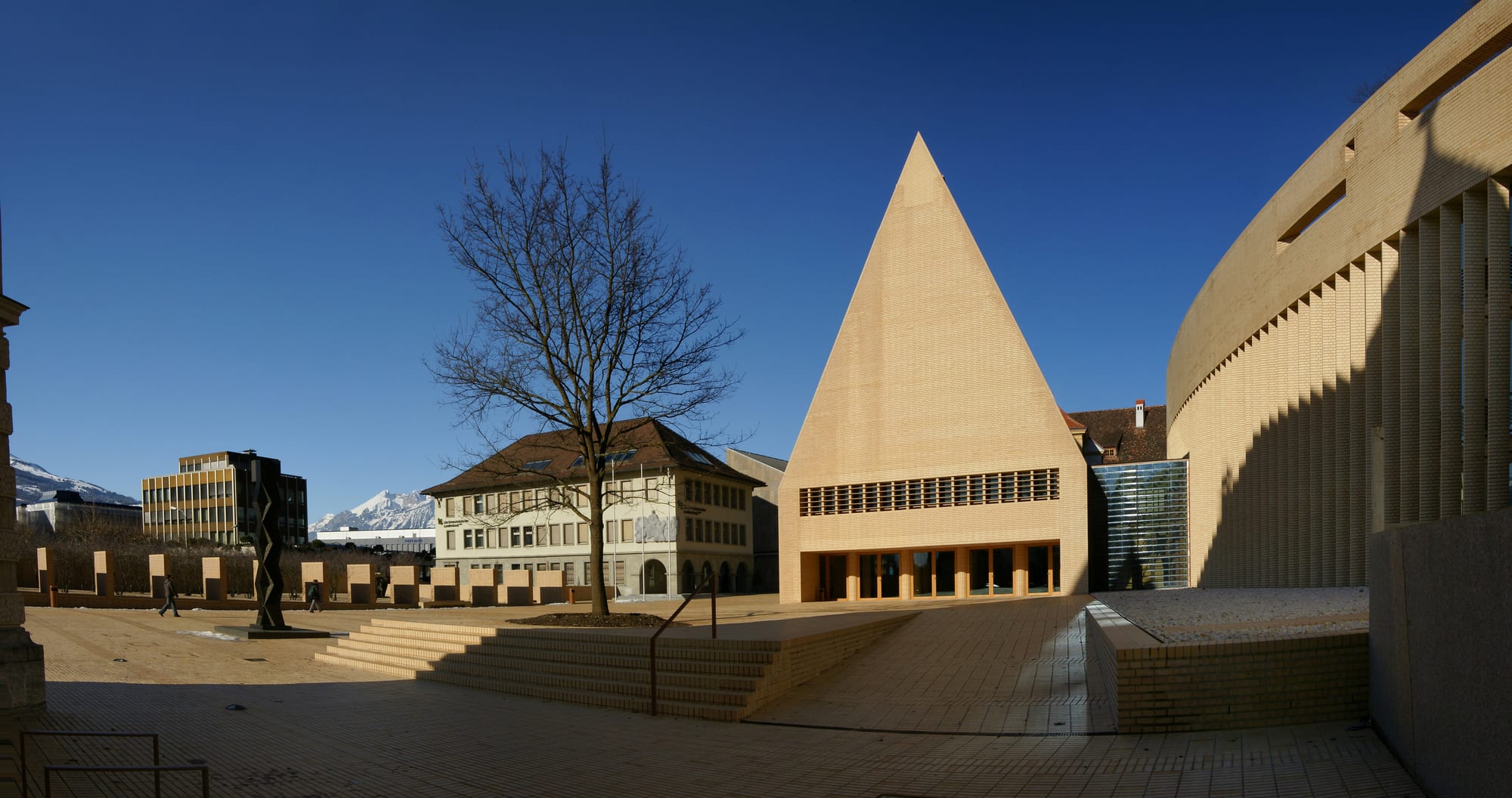
Women gained the vote only in 1984 — the last country in Europe to grant it. Prince Hans-Adam II forced through a 2003 referendum expanding his powers to veto laws and dismiss governments, threatening to leave for Austria if it failed; the Council of Europe called it a step backward, but Liechtenstein's voters approved it, and rejected an attempt to curb his veto in 2012.
What Liechtenstein carries
Liechtenstein is a genuine curiosity: a state that began as a paperwork exercise, became independent by the accident of an empire's collapse, survived by attaching itself first to Austria and then to Switzerland, and grew rich on finance. Its modern politics are its oddest feature — a real referendum democracy that has repeatedly voted to keep a monarch with the power to overrule it.