Attractions & Natural Wonders · Liechtenstein
Liechtenstein: Six Attractions and Natural Wonders
A prince's castle above a tiny capital, Alpine villages a cable car apart, and a whole country you can walk across on a signed hiking trail in a few days
By Worldlore Editorial · 9 September 2026
A principality the size of a small city
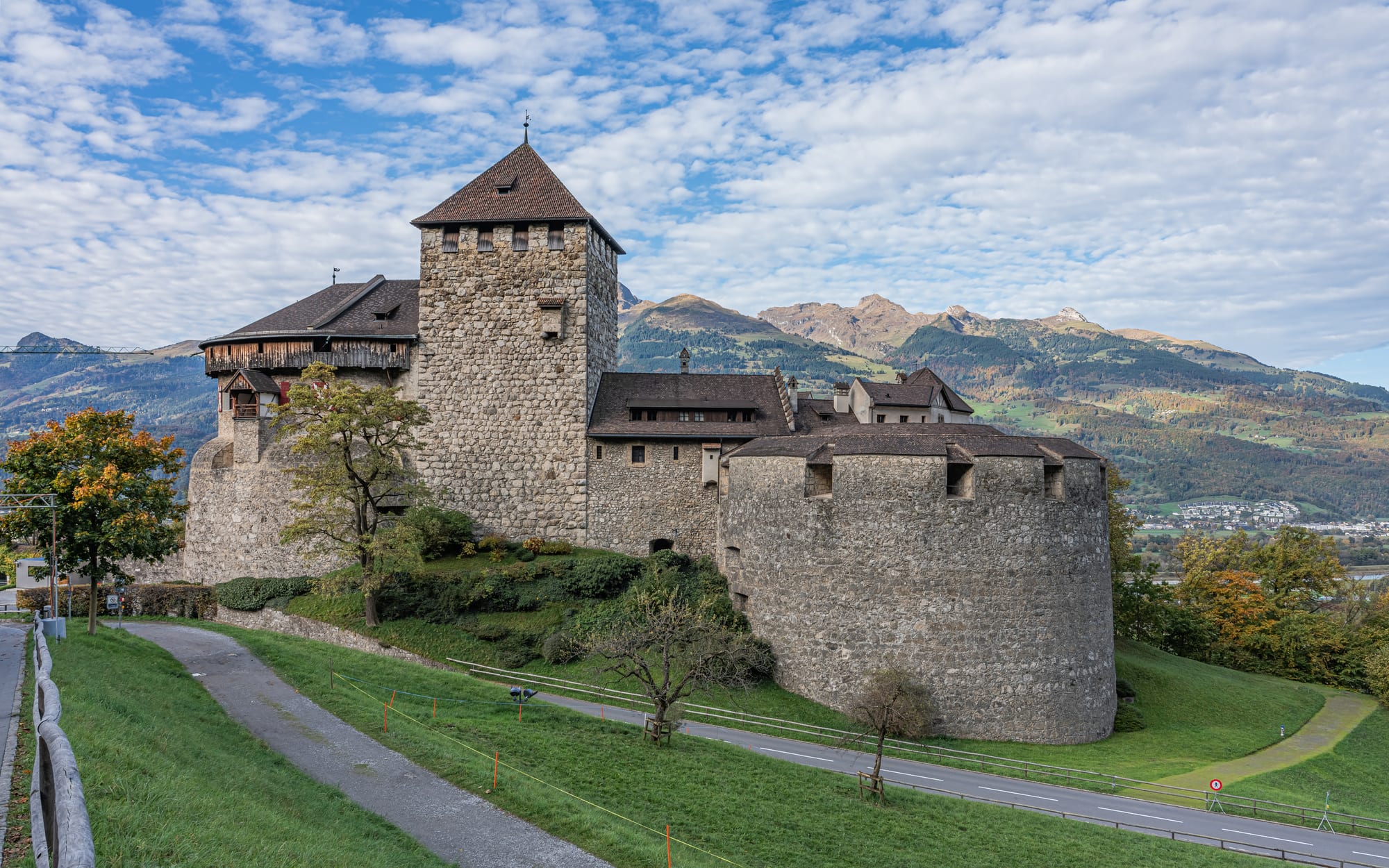
Liechtenstein, wedged between Switzerland and Austria in the Alps, is the world's sixth-smallest country — about 160 square kilometres, home to roughly 40,000 people, and still ruled by a reigning prince who lives in a castle above the capital. It has no airport of its own, uses the Swiss franc, and is easily seen as a day trip from Zurich, though it rewards more time in its Alpine half. Almost the entire population lives in a narrow strip along the Rhine; the eastern two-thirds of the country is mountains.
The six below can realistically all be seen in two or three days. Summer is best for the mountains and the country-crossing trail; winter brings a small but genuine ski season at Malbun.
1. Vaduz Castle
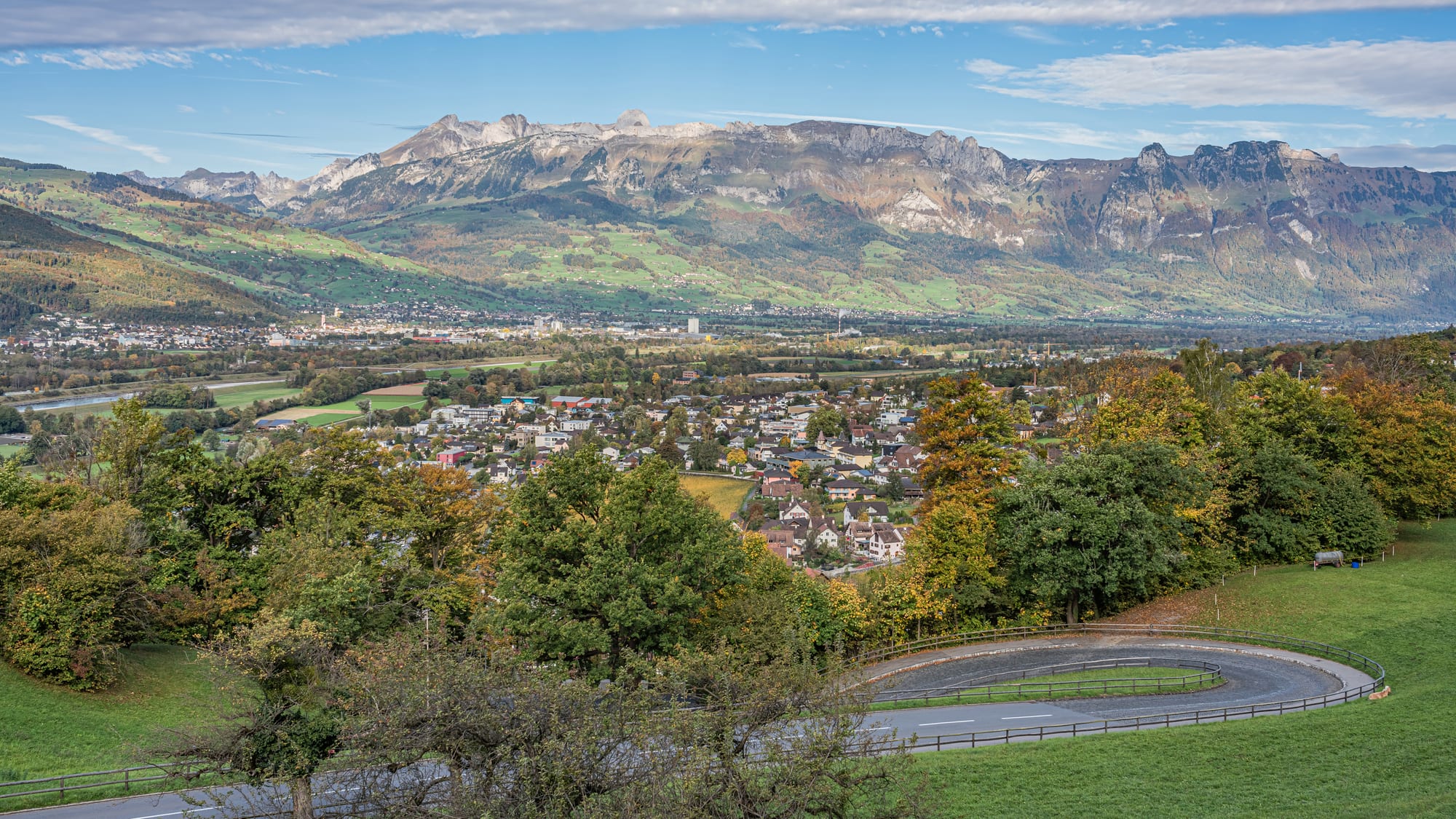
Vaduz Castle, on a wooded hill directly above the capital, has been the private residence of the princely House of Liechtenstein since 1938 and is not open to the public — but the short walk up to its gates gives sweeping views over the Rhine Valley to Switzerland, and on 15 August (National Day) the Prince opens the castle grounds to the public for a party. The walk itself, through forest above the town, is the real reward most of the year.
2. Vaduz
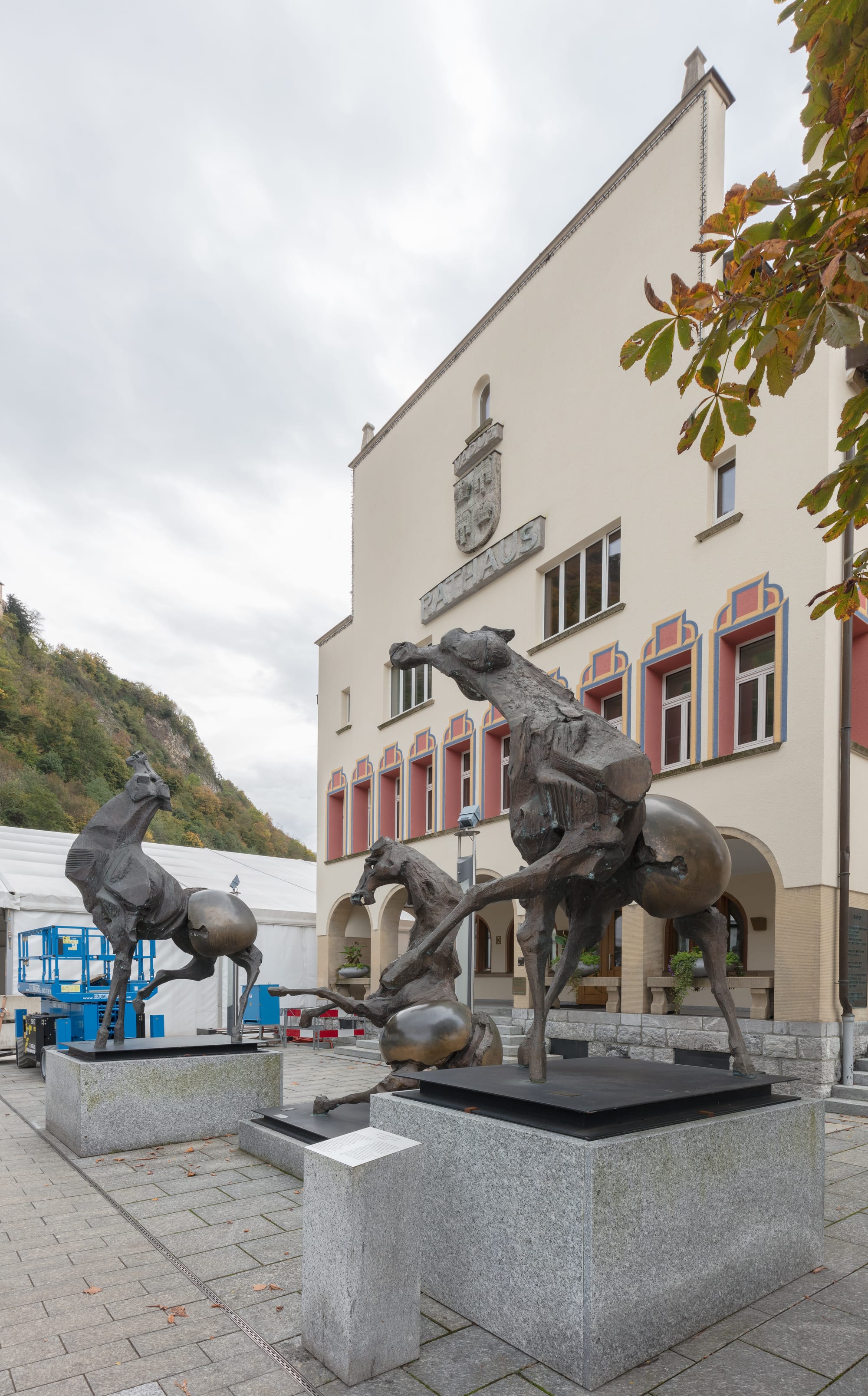
Vaduz itself is a tidy, compact capital that can be walked in an hour — the modern Kunstmuseum with the princely family's art collection, the Liechtenstein National Museum covering the country's history, a postage-stamp museum (the country has long earned income from philately), and a pedestrian main street with cafés and a distinctive "golden throne" photo-op sculpture.
Passport stamps for Liechtenstein, a novelty rather than a necessity, can be bought at the tourist office.
3. Malbun
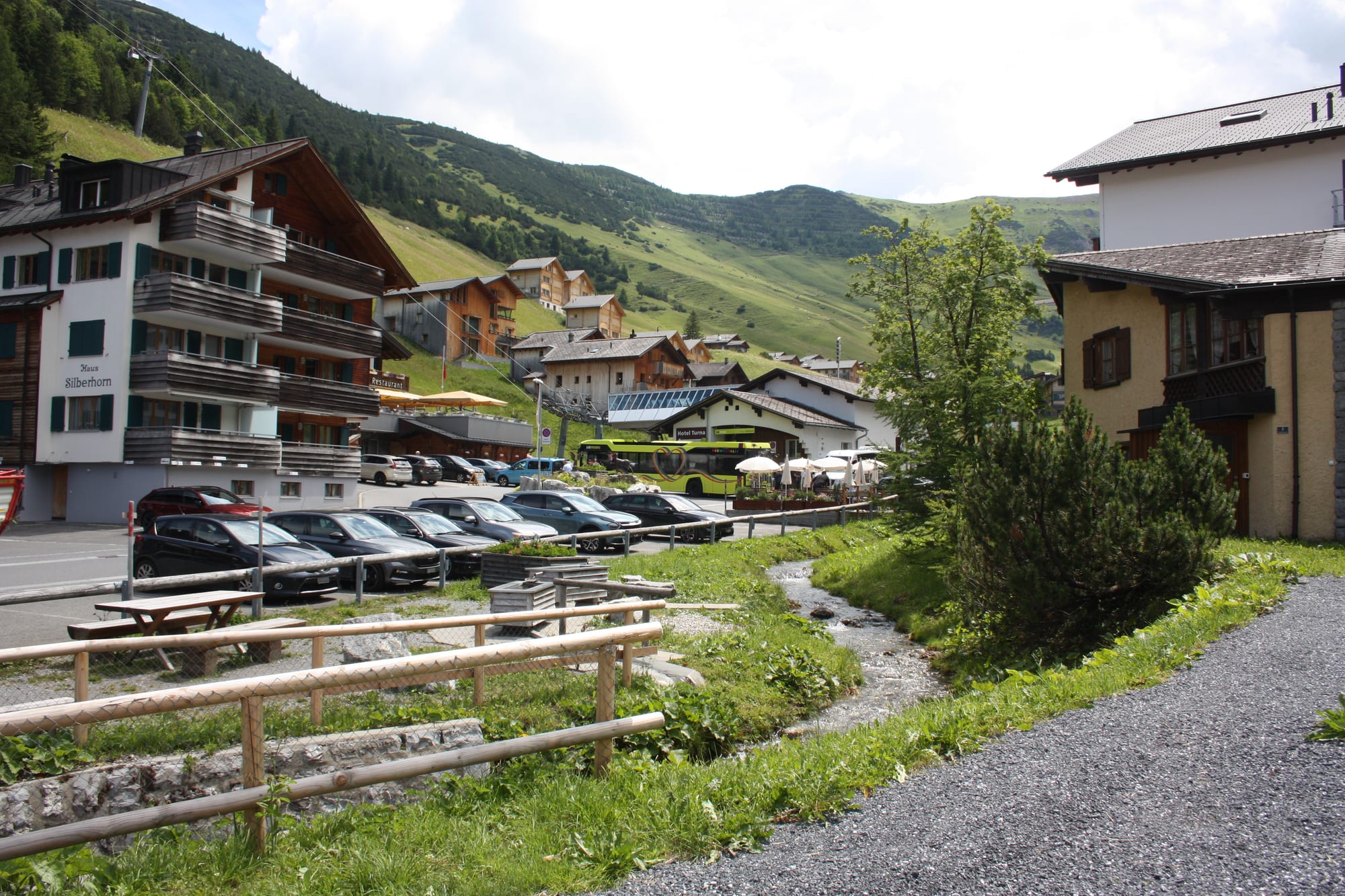
Malbun, a 20-minute drive from Vaduz, is Liechtenstein's one proper mountain resort — a small, family-friendly ski area in winter, and a hiking base in summer with chairlifts running up to ridge trails and views into Austria and Switzerland. It is unpretentious by Alpine standards and correspondingly cheap for the region.
The road up from Triesenberg switchbacks steeply through forest.
4. Gutenberg Castle, Balzers
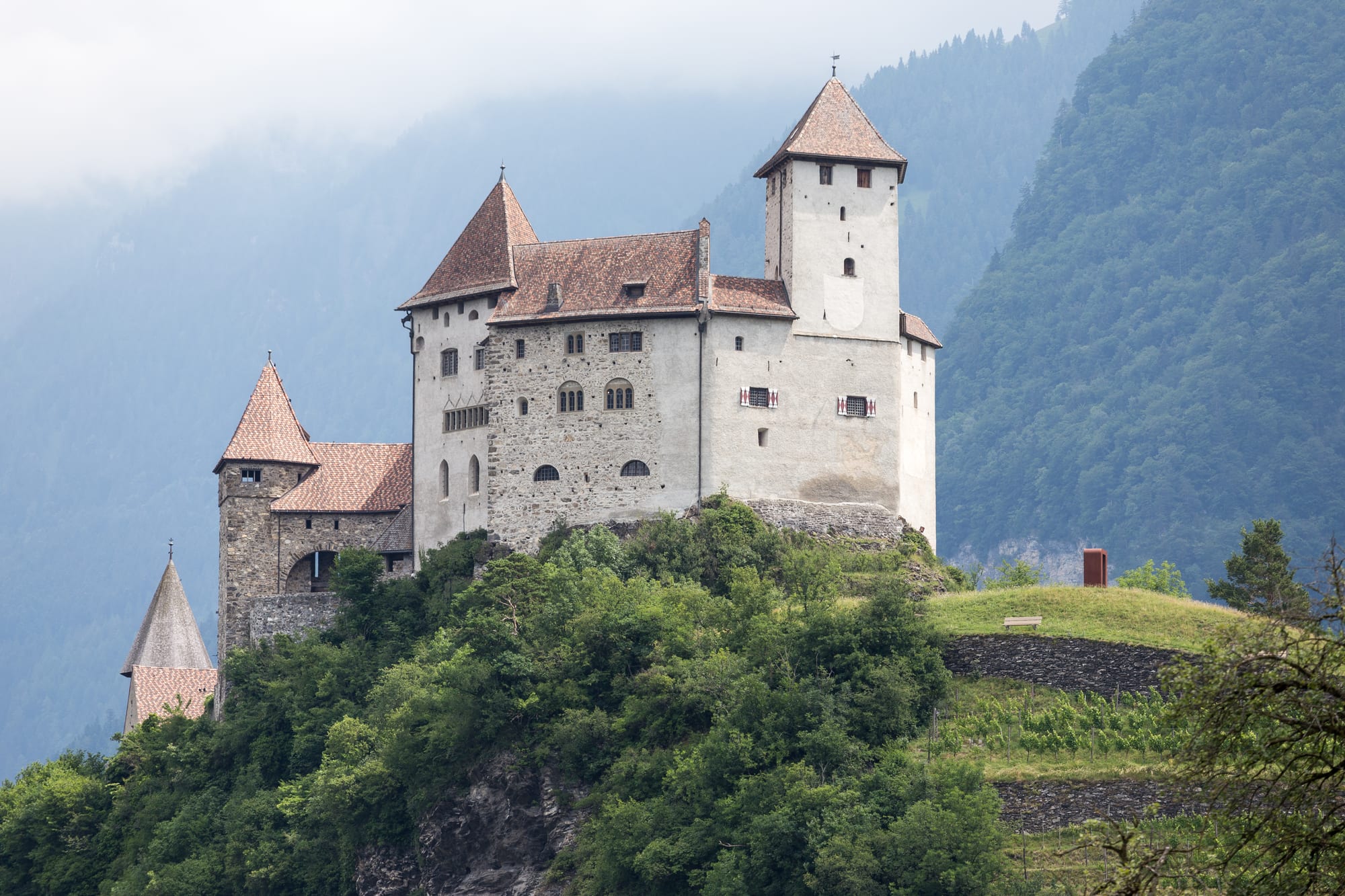
At the southern end of the country, the town of Balzers is watched over by Gutenberg Castle, a restored medieval hilltop fortress with a chapel decorated by a noted Austrian artist and gardens open to the public (the interior only on special open days). It is a quieter, less-visited counterpart to Vaduz Castle.
Balzers is the last town before the Swiss border to the south.
5. The Liechtenstein Trail and the Alps
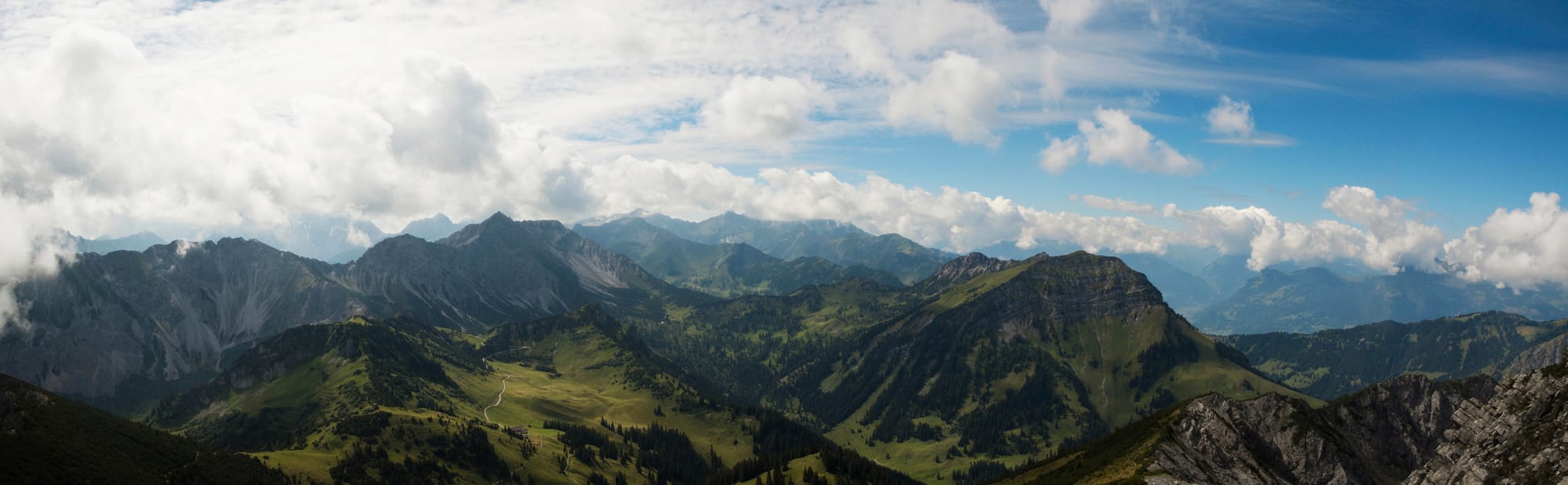
The Liechtensteinweg, opened for the country's 300th anniversary in 2019, is a signed 75-kilometre trail crossing all 11 municipalities from south to north — walkable in about five days, or sampled in short sections. Beyond it, the mountainous east has serious Alpine hiking in the Rätikon range, with trails linking into Austria's and Switzerland's networks and a scattering of mountain huts.
Trail markers and a phone app make it easy to do bite-sized stretches without a car.
6. Triesenberg and the Walser villages
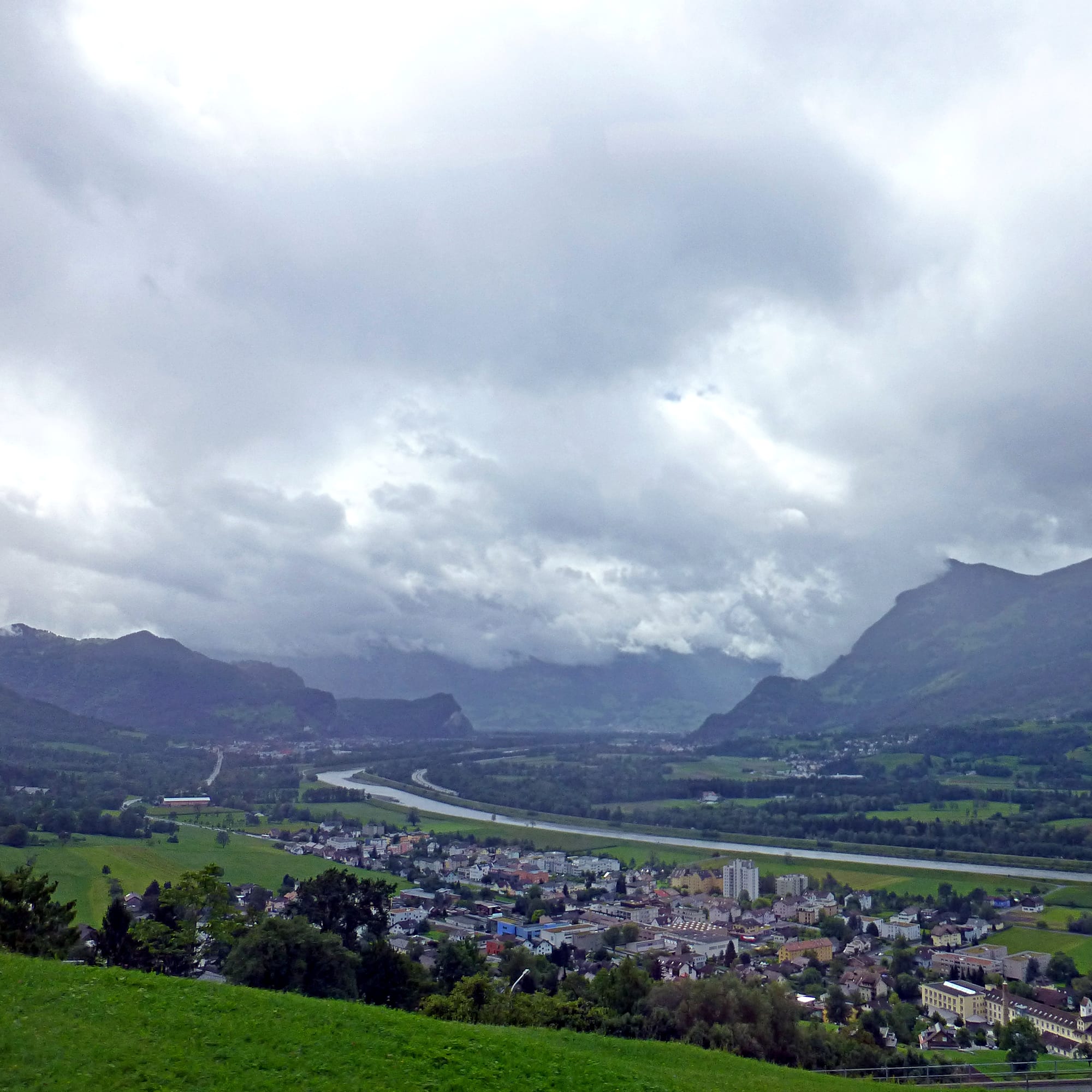
Triesenberg, on the slope above Vaduz, was settled in the 13th century by Walser migrants from the Valais in Switzerland, who brought their own dialect and customs, still marked today at the small Walser Heritage Museum. The village terrace gives one of the best panoramic views over the whole Rhine Valley to the Swiss mountains beyond.
It is the natural stop on the drive up to Malbun.
Liechtenstein is small enough that most visitors see it as a half- or full-day add-on to a Swiss or Austrian trip; those who stay longer usually come for the hiking, splitting time between Vaduz and Malbun.