Daily Life · Liechtenstein
Liechtenstein: A Country Run by Its Commuters
A population of around 40,000 sharing eleven villages along the Rhine, a workforce in which more than half the jobs are filled by people driving or busing in from Switzerland and Austria each morning, and a community life still organised around the village club
By Worldlore Editorial · 30 September 2026
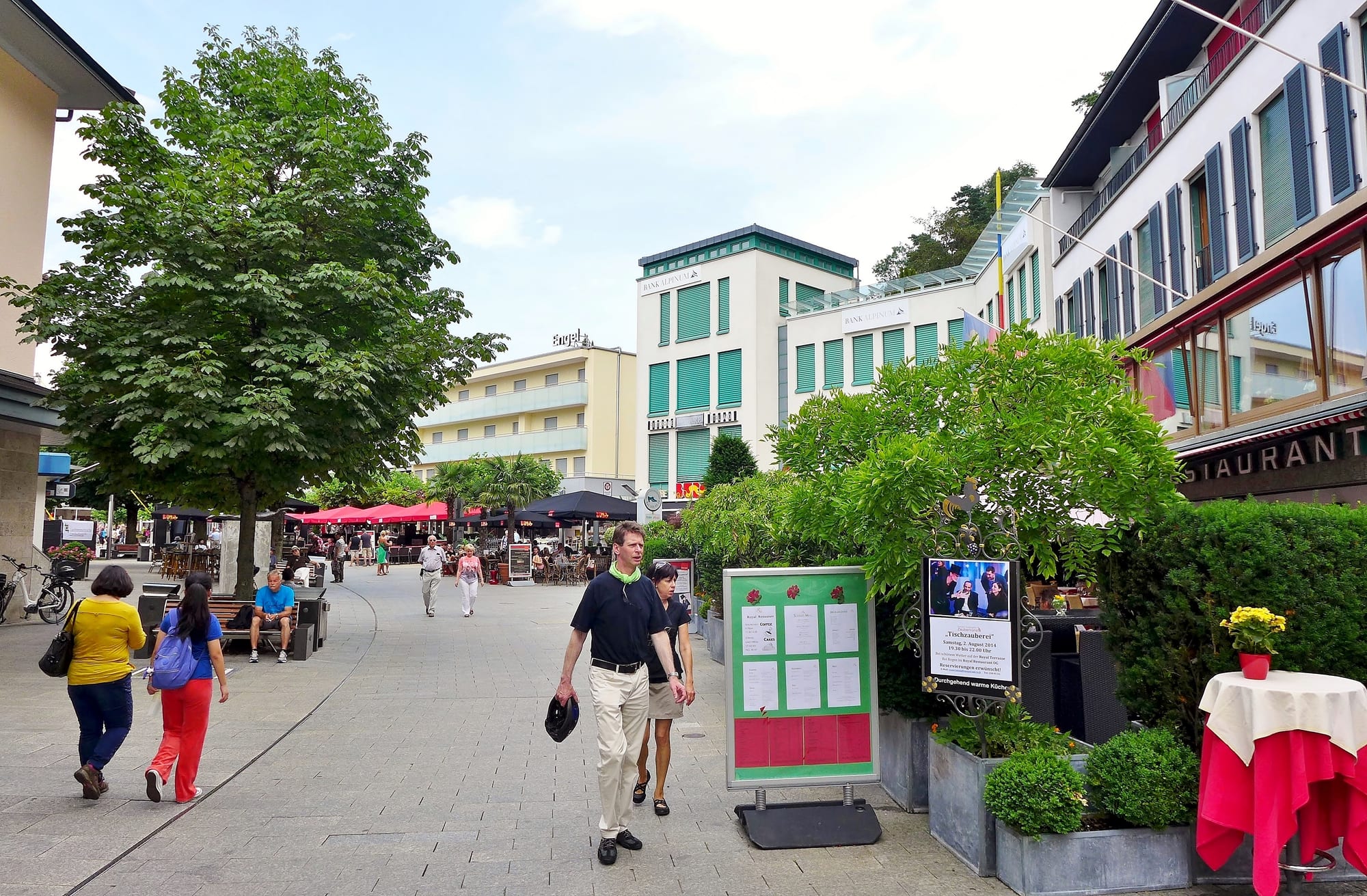
Liechtenstein is small enough that an ordinary day rarely involves much distance: around 40,000 people live across eleven villages strung along a 25-kilometre stretch of the Rhine valley, with the low-rise capital, Vaduz, sitting roughly in the middle. What is unusual is who actually fills the country's jobs each morning: more than half of everyone employed in Liechtenstein commutes in from Switzerland or Austria rather than living there, a direct result of an economy, built on precision manufacturing and financial services, that generates more registered jobs than the country has residents. Daily life for those who do live there is orderly and low-key, organised as much around the village and its clubs as around the capital.
Family and home life
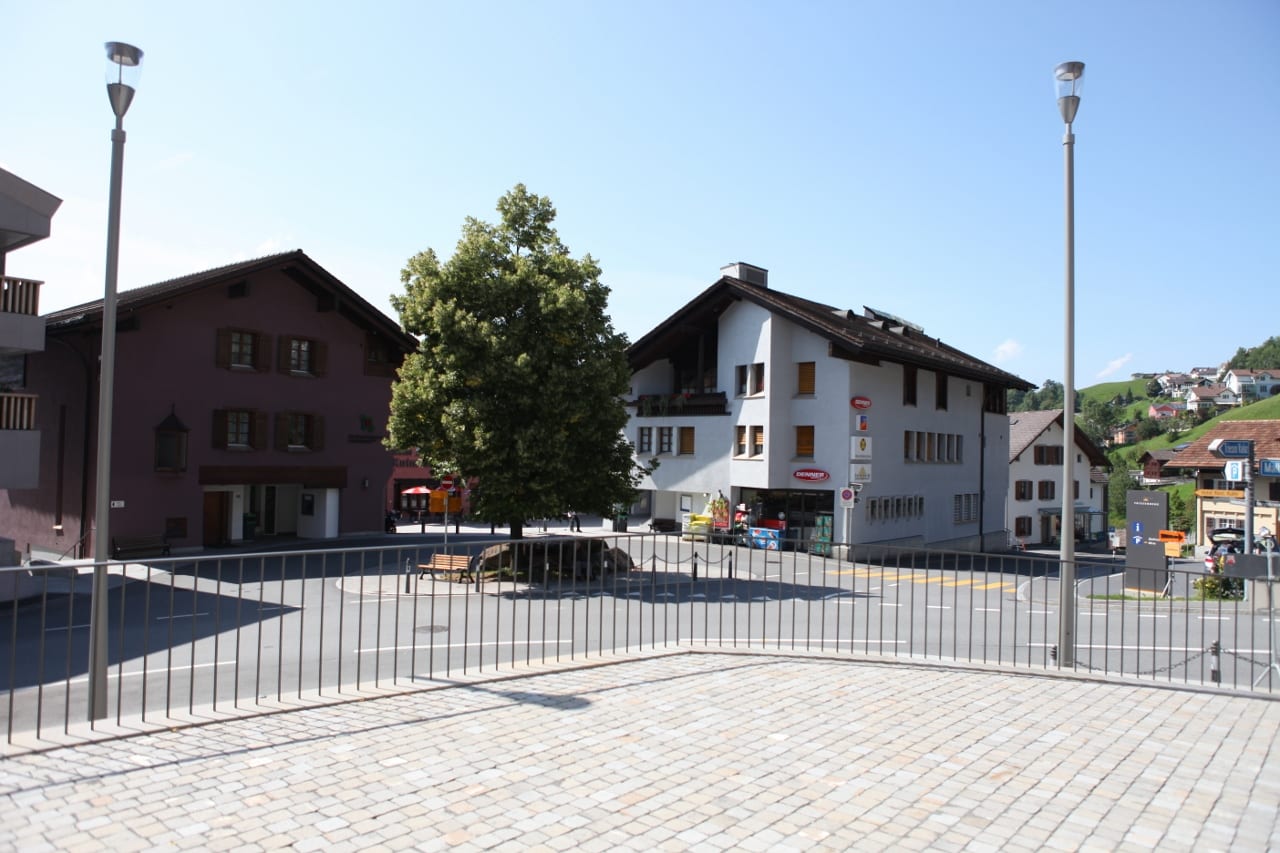
Liechtenstein households are generally small and modern, in keeping with prosperous Alpine Europe, and about a third of residents hold a foreign passport, since citizenship is difficult to acquire even after long-term residence. Housing is spread across the eleven municipalities rather than concentrated in Vaduz, which is not even the country's largest town, that distinction belongs to neighbouring Schaan. Many families have lived in the same village for generations, and the Alemannic dialect spoken at home remains a genuine marker of local identity, distinct from standard German, even as the country's international workforce means several other languages are heard daily in shops and offices.
Work, school and the rhythm of the day
The defining fact of the Liechtenstein working day is the commute, run in reverse: at the end of 2024, close to 25,000 people, some 57 per cent of all employees in the country, crossed in from Switzerland, Austria or Germany each working day to fill jobs in precision engineering and manufacturing firms, in banking and fund administration, and in the wider service economy. For residents, the working week and school day follow a conventional Central European pattern, with public schooling free and generally taught in German. Unemployment is very low, and with more jobs than residents the country depends on its neighbours for workers rather than the other way round.
Community life and public spaces
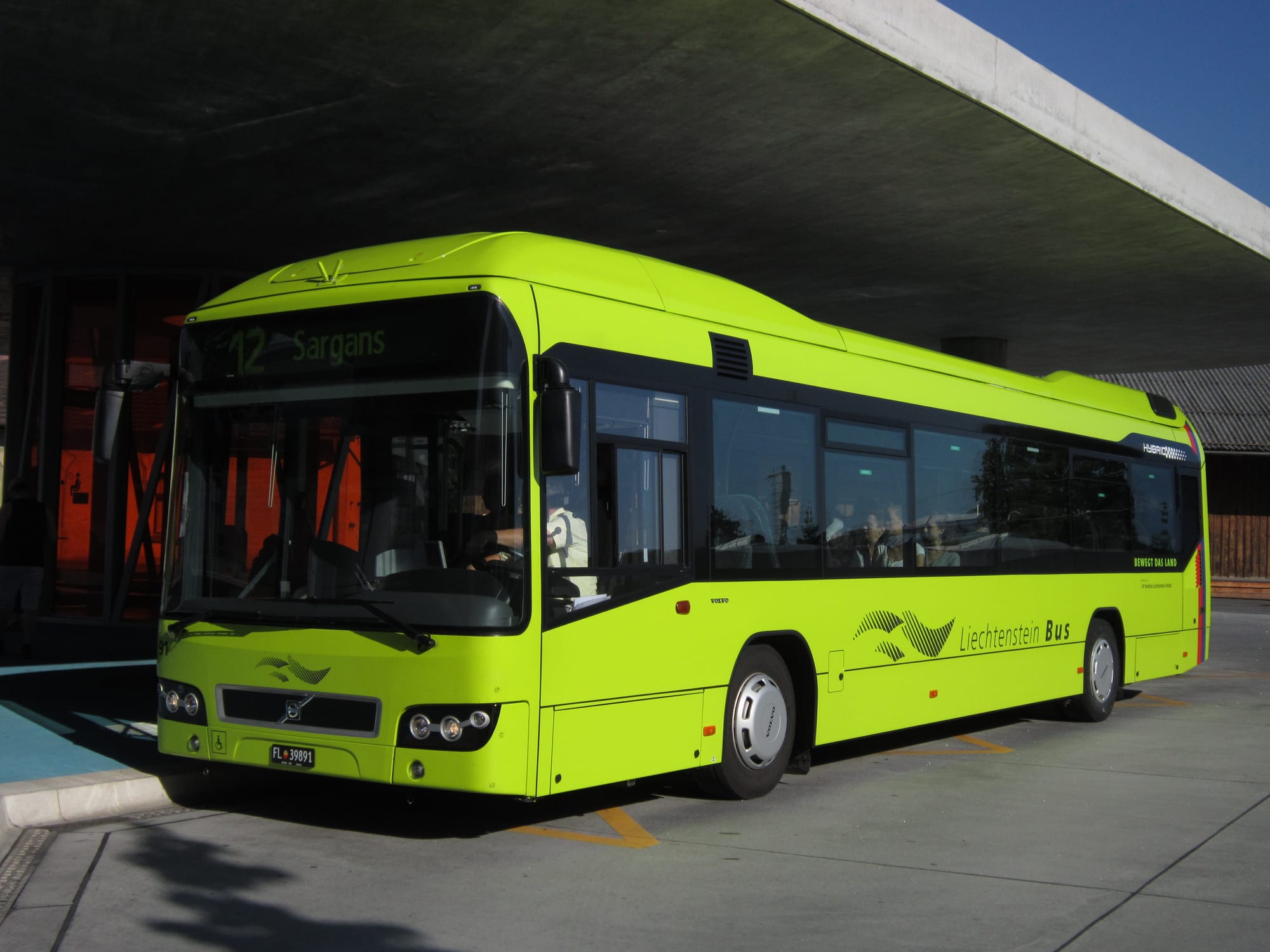
With no single dominant city, community life runs largely through the village rather than the capital: each of the eleven municipalities keeps its own local council, school, and church, and the Städtle, Vaduz's short pedestrian main street, functions as the closest thing the country has to a shared civic centre, home to its museums, parliament and main shops within a few minutes' walk. Public buses, run by the state operator LIEmobil, are the backbone of everyday transport, with frequent routes linking all eleven villages to each other and across the open border to Swiss and Austrian rail stations. Local clubs, known as Vereine, covering brass music, choirs, shooting, and sport, have structured village social life since well before the country's modern economy took shape, and remain a genuine part of the ordinary week for many residents rather than a folkloric sideline.
Free time and weekends
Weekends lean outdoors: hiking and mountain biking the trails above the valley in summer, and skiing at Malbun, the country's one small resort, in winter, both a short drive from anywhere in the country. Village Vereine often shape the weekend calendar too, with brass-band and choir rehearsals, shooting-club meets, and local sports fixtures giving many residents a standing weekly commitment outside work. Given how close the borders sit, a weekend outing to a Swiss or Austrian town for shopping or a change of scene is a routine, unremarkable part of life rather than a special trip abroad.
A visitor's ordinary day
Liechtenstein uses the Swiss franc and Swiss prices apply, so day-to-day costs are high by most standards, though cards and contactless payment are widely accepted. There is no airport, and the country's few railway stations, on the Feldkirch–Buchs line, have only a limited weekday service, so most visitors arrive by train to Sargans or Buchs in Switzerland, or Feldkirch in Austria, and then take a short local bus across the open border, where passport checks are not routine. The LIEmobil bus network covers the whole country cheaply and frequently enough that a rental car is rarely necessary, and Vaduz itself is compact enough to see on foot within an hour or two.
What to take away
An ordinary day in Liechtenstein is defined less by any single custom than by a quiet demographic fact: on any given weekday, over half the people at work in the country went home the previous evening to a different one.