History · Liberia
Liberia: The Settler Republic
Africa's oldest republic, founded in 1822 by freed African Americans who ruled the Indigenous majority for 133 years — a rubber economy, a 1980 coup, 14 years of civil war, and a hard recovery
By Worldlore Editorial · 10 September 2026
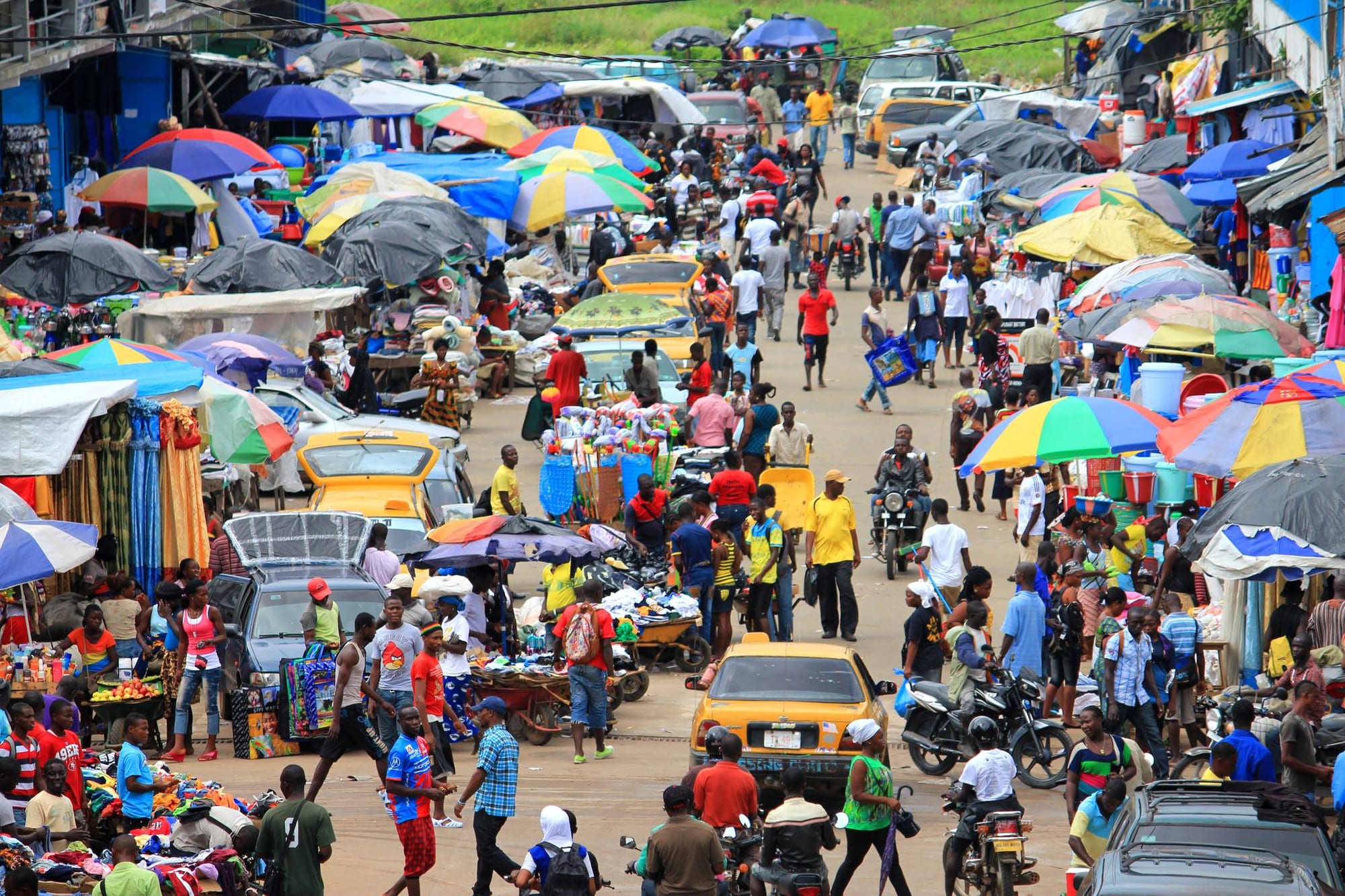
A country founded by returning exiles
Liberia is unusual in Africa: it was never formally colonised by a European power, but it was founded as a settler state by people from another continent — freeborn and freed African Americans, sent across the Atlantic by an American society that believed Black people had no future in the United States. Their descendants, a small minority, governed Liberia for 133 years over an Indigenous majority who were long denied the vote. That divide runs through everything that followed, including the wars that nearly destroyed the country between 1989 and 2003.
A short history
- before 1800
The Grain Coast
Kru, Mande and Mel peoples; coastal and inland trade.
- 1822
The settlement
The American Colonization Society founds Monrovia.
- 1847
The Republic
Liberia declares independence — Africa's first republic.
- 1878–1980
The True Whig Party
Continuous Americo-Liberian one-party rule.
- 1926
Firestone
A 99-year lease creates a vast rubber plantation.
- 1980
The coup
Samuel Doe kills President Tolbert; settler rule ends.
- 1989–2003
Civil war
Warlord factions, child soldiers, and around 200,000 dead.
- 2005
Ellen Johnson Sirleaf
Africa's first elected woman head of state.
- 2014–2016
Ebola
Liberia is the hardest-hit country.
Colonization
The coast was home to Kru, Grebo, Vai, Kpelle and other peoples — the Vai created their own written script in the 1830s, and Kru sailors worked the length of the West African coast. There was no large state, but there was trade, including in the malagueta pepper that gave the "Grain Coast" its name.
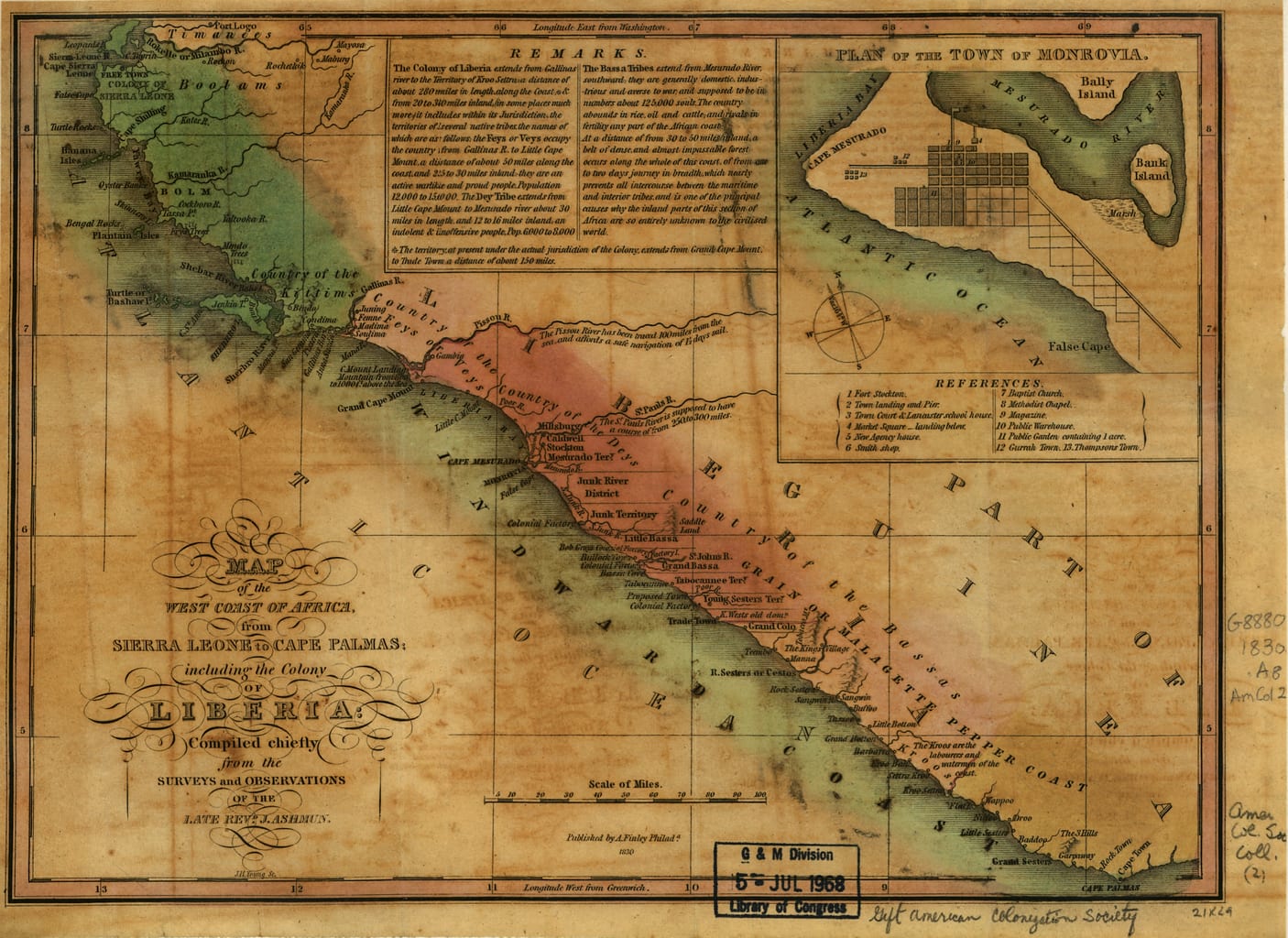
The American Colonization Society, founded in 1816, brought together abolitionists who doubted Black equality was possible in America and slaveholders who wanted free Black people gone. Its colony declared itself the independent Republic of Liberia on 26 July 1847, with a US-style constitution. Washington did not recognise Liberia until 1862.
The Americo-Liberian century
The settlers and their descendants — "Americo-Liberians", about five per cent of the population — controlled the state entirely. The True Whig Party held power without a break from 1878 to 1980. The Indigenous majority, the "country people", were governed as a separate hinterland, subject to forced labour, and largely excluded from citizenship until the mid-20th century. A 1930 League of Nations inquiry found the government itself complicit in slavery-like labour practices, and the president and vice-president resigned.
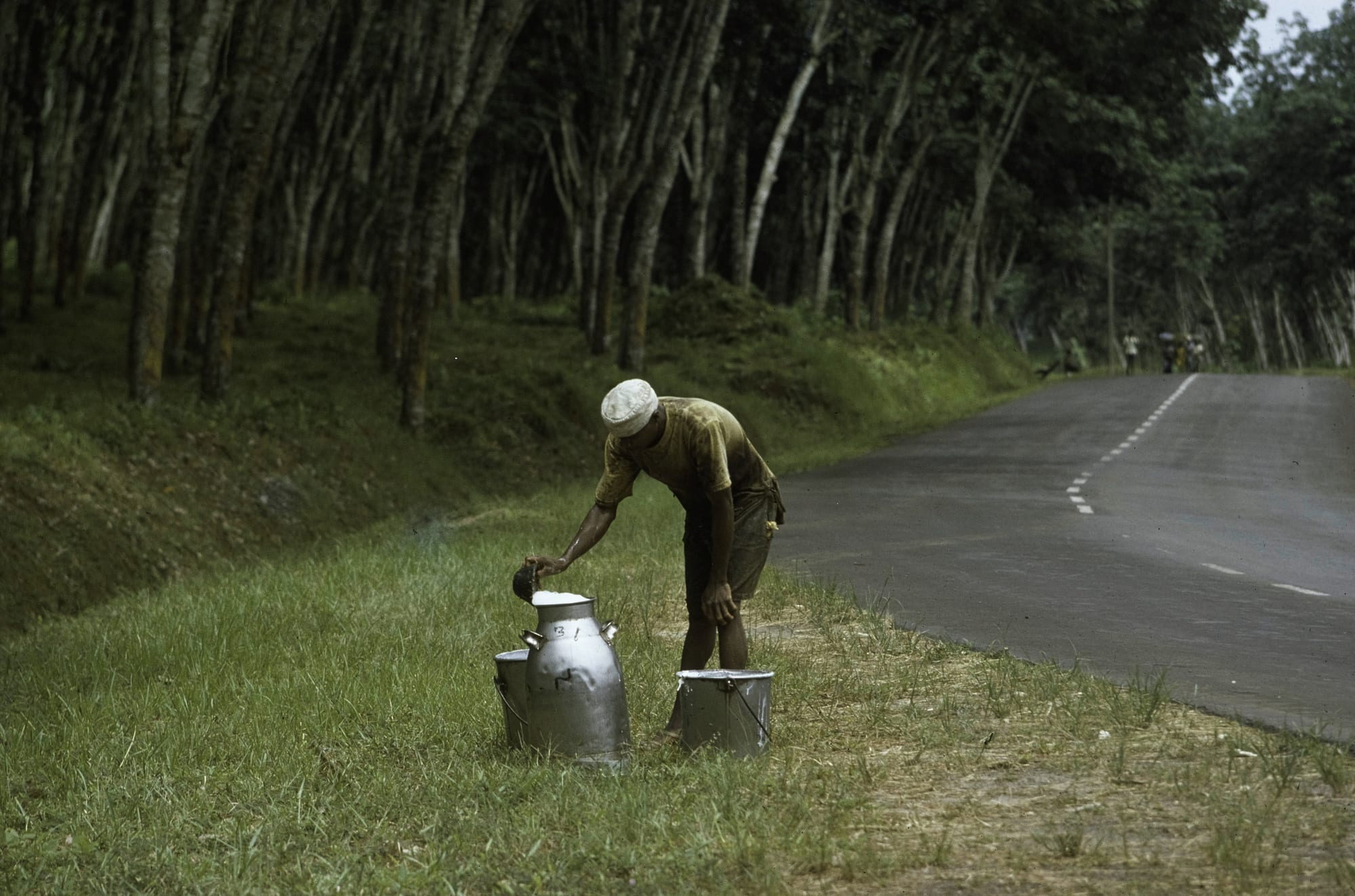
Rubber, and later iron ore, made Liberia briefly one of the world's fastest-growing economies under President William Tubman — but the wealth stayed with the elite and foreign firms.
Coup and collapse
In 1980, after "rice riots" and rising unrest, Indigenous soldiers led by Master Sergeant Samuel Doe stormed the Executive Mansion, killed President William Tolbert, and publicly executed thirteen officials on a beach — ending 133 years of Americo-Liberian rule.
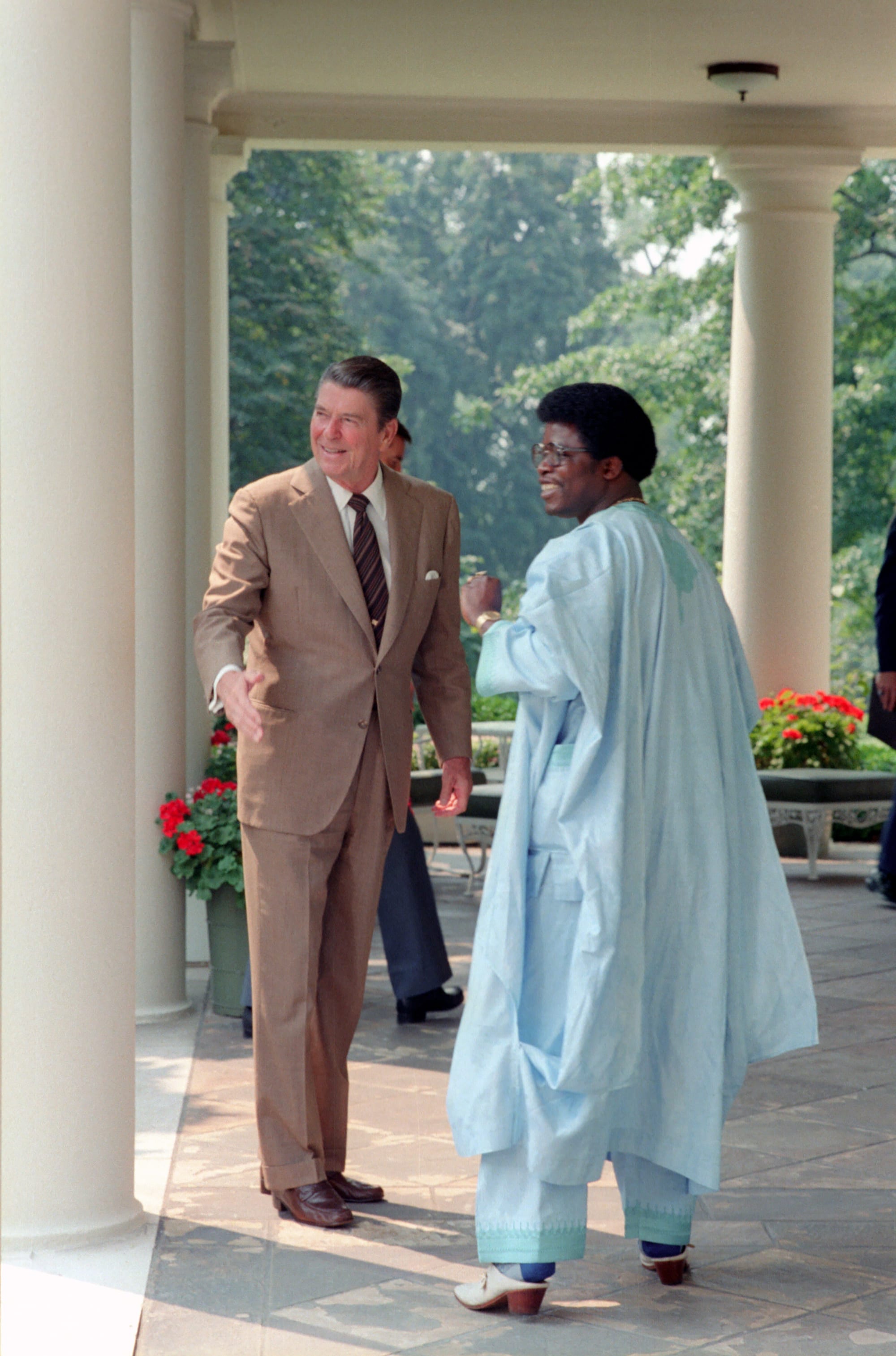
On Christmas Eve 1989, Charles Taylor's rebels invaded, and Liberia fell apart. The first civil war (1989–1997) split the country among warlord factions notorious for child soldiers and ethnic massacres; a West African force intervened; around 200,000 people were killed and half the population displaced. Taylor won a 1997 election on the promise of peace. A second war (1999–2003) closed in on Monrovia, and Taylor — also indicted for backing atrocities in Sierra Leone in exchange for "blood diamonds" — resigned and fled into exile in 2003.
Recovery
After the war
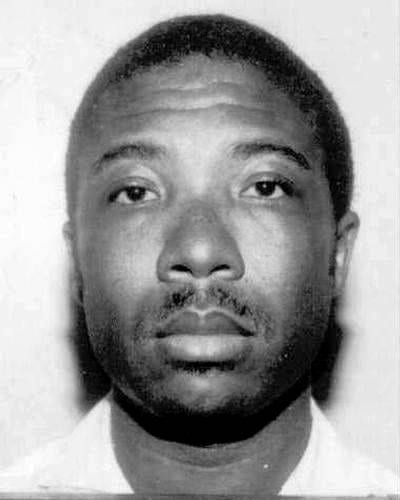
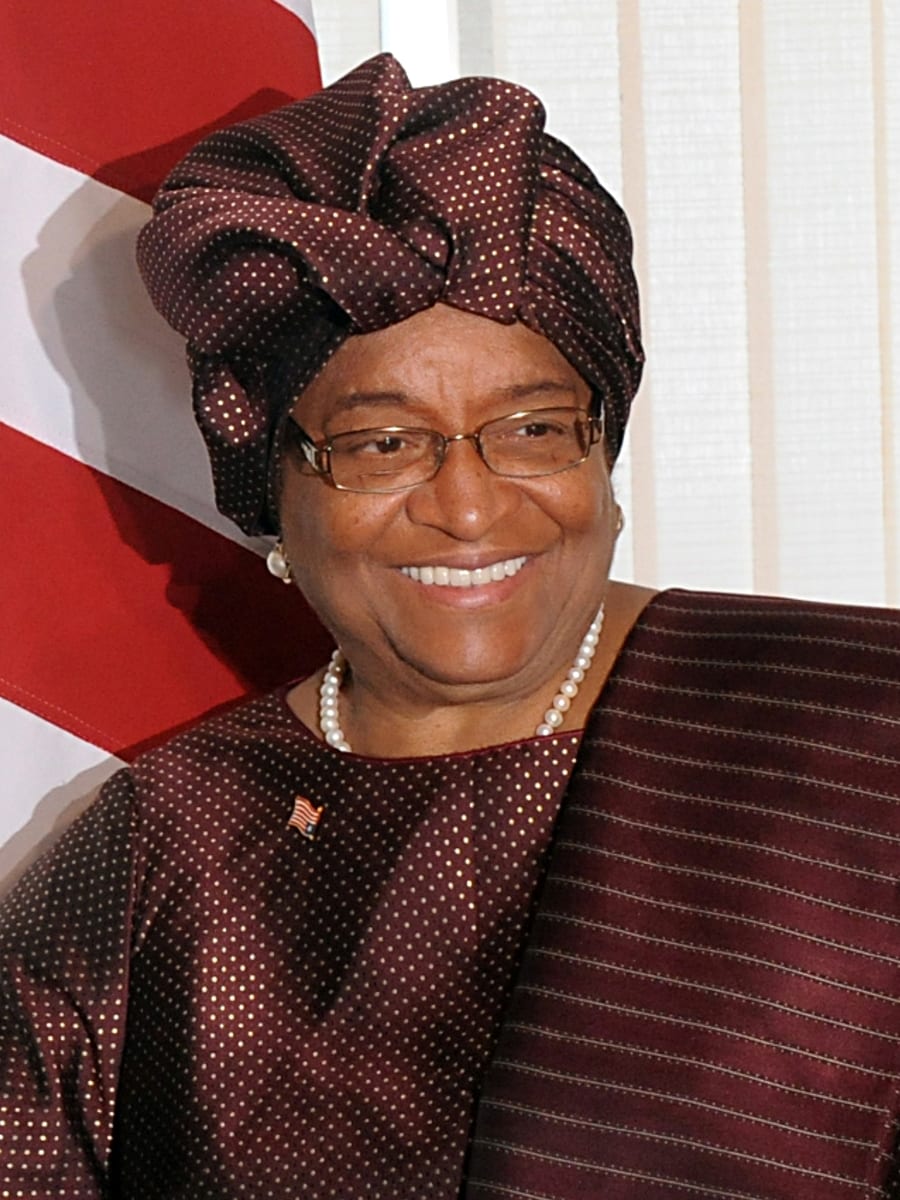
A 2003 peace deal and a large UN mission stabilised Liberia. The 2014–16 Ebola epidemic then hit it harder than any other country, killing around 4,800 people and collapsing the health system. In 2017 the former footballer George Weah won the presidency in Liberia's first fully democratic transfer of power since 1944, and he handed power peacefully after losing in 2023. Liberia remains among the world's poorest countries, and a war-crimes court was only finally established more than a decade after the truth commission recommended one.
What Liberia carries
Liberia was created to solve an American problem, and it reproduced an American one: a small settler class, defined partly by origin and partly by class, ruling a disenfranchised majority. The 1980 coup ended that order violently and put nothing stable in its place; the wars that followed were fought largely along the lines it had drawn. Rebuilding a state that belongs to all Liberians is the work still under way.